
Imagine stepping up to the tee, focusing on the basket ahead, and with a perfect throw, your disc glides effortlessly into the basket on your first attempt. In disc golf, this glorious feat is known as an “ace.” It’s a moment celebrated by players of all skill levels, embodying precision, skill, and a touch of luck. Understanding what an ace is not only enhances your appreciation for the game but also connects you to the broader disc golf community, where each player has their own stories of triumph and aspiration. Whether you’re a beginner eager to learn or a seasoned player reminiscing about your best shots, uncovering the significance and nuances behind an ace can deepen your engagement with this vibrant sport. Dive in to explore what makes this accomplishment so special and how it shapes the experiences of disc golfers everywhere.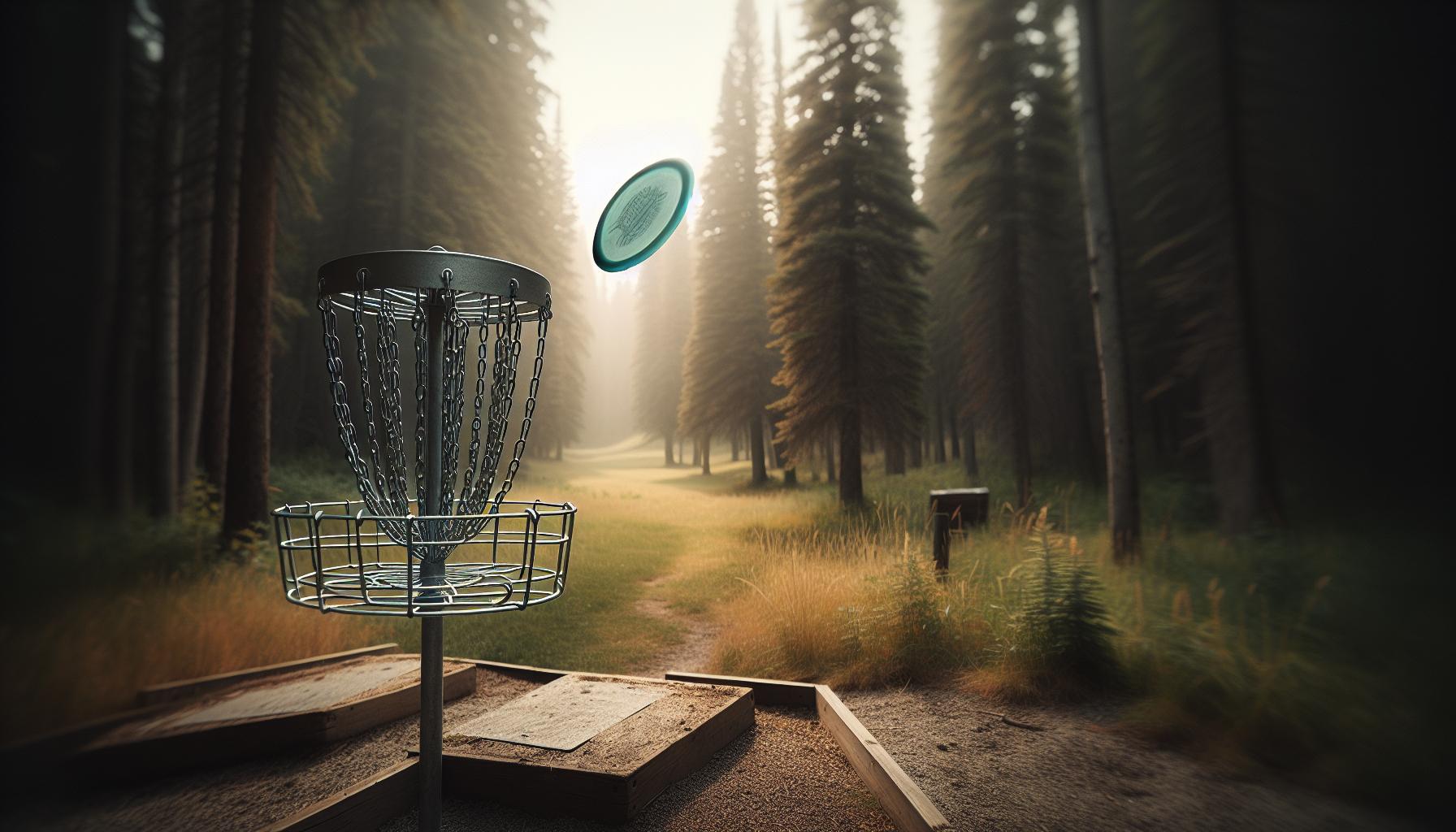
What Is an Ace in Disc Golf?
Achieving an ace in disc golf is one of the most exhilarating moments for any player. An ace, commonly referred to as a hole-in-one, occurs when a player completes a hole by landing their disc in the basket with a single throw. It’s not just about the incredible shot; it symbolizes skill, precision, and a bit of luck. For many disc golfers, the pursuit of an ace is a rite of passage that can elevate their confidence and enthusiasm for the sport.
The concept of an ace transcends mere numbers; it serves as a benchmark for players to measure their progress and mastery over the game. Successfully making an ace often involves a combination of well-planned strategies, a deep understanding of disc flight characteristics, and executing the right technique under pressure. Many novice players dream of this achievement, while seasoned competitors view it as a testament to their abilities and strategic acumen on the course.
On a practical level, aiming for an ace requires awareness of the specific hole layout, terrain, and obstacles. Players should consider the distance to the basket, wind conditions, and their own throwing strengths when planning their shot. By honing their skills through practice and developing a solid game strategy, players can significantly improve their chances of hitting that coveted ace, making the experience even more rewarding when it happens.
The Significance of Achieving a Hole in One
Achieving a hole in one in disc golf, affectionately known as an ace, is not just a thrilling moment; it stands as the pinnacle of success in the sport. For many players, hitting an ace is a manifestation of countless hours of practice, strategy, and a deep understanding of the intricate dynamics involved in disc flight. The rush of watching the disc soar through the air and land flawlessly in the basket is an indescribable joy, marking a significant milestone in one’s disc golf journey.
This remarkable achievement is often celebrated within the community-a communal badge of honor that symbolizes not just skill but the perseverance and dedication required to master the sport. Accomplishing an ace can boost a player’s confidence, pushing them to tackle more challenging courses and experiment with new throwing techniques. It signifies that a player has effectively combined their knowledge of the game with practical execution, reinforcing their love and passion for disc golf.
Significantly, aces foster a sense of camaraderie among players. When one person achieves this coveted shot, it often sparks excitement, encouraging fellow players to strive for their own aces. This community vibe enhances the enjoyment of the game and motivates individuals at all skill levels to keep improving. As players share stories and experiences of their aces, they not only build friendships but also contribute to the overall growth of the sport, making each ace an event worth celebrating.
To capitalize on the thrill and legacy of aces, players should focus on courses that offer reasonable opportunities for aces based on their skill level. Knowing the specific nuances of each hole, such as elevation changes, wind patterns, and obstacles, allows players to better strategize their throws for a successful outcome. Additionally, practicing with specific discs that suit a player’s throwing style can significantly improve their chances of achieving that most sought-after ace.
How to Earn Your First Ace
Achieving your first ace in disc golf, the coveted hole-in-one, is not just a matter of luck; it’s a combination of preparation, technique, and understanding the game. Many players aim for that spectacular moment, and with the right approach, it can be within your reach. Start by selecting appropriate courses that are beginner-friendly and offer shorter holes, typically around 150 to 200 feet in length. These distances are more manageable and increase your likelihood of landing the disc in the basket on your first throw.
To refine your skills, focus on mastering a few fundamental throwing techniques. The most common throws used for achieving an ace are backhand and forehand throws. For beginners, the backhand is often more comfortable and effective. To perform a backhand throw:
- Grip the disc: Hold the disc with your thumb on top and your index and middle fingers underneath, pressing against the inner rim.
- Position your stance: Stand with your feet shoulder-width apart, with your non-throwing shoulder facing the target.
- Draw back and create momentum: Rotate your hips away from the target while pulling the disc back towards your body, then step forward with your lead foot as you start your throw.
- Follow through: Release the disc with a smooth motion, snapping your wrist to add spin. Aim to throw the disc low and straight for the best chance of sinking it in one shot.
Understanding the role of disc flight characteristics is also crucial. Discs come in various stability ratings, which affect how they behave in the air. For beginner players, a fairway driver or a putter that provides a stable flight path (usually rated as “understable”) can help you achieve clean releases towards the basket. As you grow more comfortable with your throws, experiment with different discs to find ones that best complement your throwing style.
Finally, don’t forget to analyze the course and its unique conditions. Every hole may present different challenges like wind, elevation changes, and obstacles like trees or water hazards. By familiarizing yourself with each course’s layout, you can adjust your strategy accordingly, perhaps even aiming for a specific landing area near the basket that accounts for these variables. Celebrate each good throw, irrespective of results, as every step brings you closer to that ultimate moment of acing the hole.
Disc Golf Techniques to Improve Your Chances
Achieving an ace in disc golf is not just about luck; it requires a blend of skill, strategy, and keen understanding of the game’s nuances. To significantly enhance your chances of landing that elusive hole-in-one, you need to develop precise techniques tailored to your unique throwing style and the specifics of the course. By honing your skills through deliberate practice and by leveraging the right equipment, you can elevate your game and make an ace more attainable.
Understanding how to throw effectively is paramount. The most common throws for achieving an ace are the backhand and forehand. Each throw has its advantages depending on the course layout and your own comfort level. For beginners, mastering the backhand throw often serves as a fundamental stepping stone. Ensure your grip is firm but relaxed, and focus on your stance and body movement. As you draw the disc back and prepare for release, maintain a smooth rhythm. Concentrate on your follow-through to ensure the disc maintains a straight flight path towards the basket.
Discs themselves play a crucial role in your success. Each disc has a stability rating that influences its flight path. For new players, discs that are rated “understable” can help generate more distance with less effort, making it easier to navigate towards the basket. As you become more experienced, experimenting with a variety of discs can help you understand which best complements your throwing style and the specific courses you play.
In addition to technique and equipment, environmental factors must be considered. Each disc golf course presents unique challenges such as wind direction, elevation changes, and obstacles like trees. By studying the layout of a course before your round, you can strategize your throws more effectively. Aim for landing zones that increase your likelihood of getting the disc close to the basket, and don’t hesitate to adapt your approach based on real-time conditions. Ultimately, developing a strong mental game is just as significant as physical skill; visualize your throw and stay focused to maximize your chances of achieving that ace.
Understanding Disc Flight Characteristics
Understanding how discs fly is fundamental to mastering the game of disc golf, particularly when striving for that coveted ace. The flight of a disc is determined by a combination of its design characteristics, the thrower’s technique, and various environmental factors. Each disc comes equipped with specific flight ratings that describe its tendencies. These ratings-speed, glide, turn, and fade-provide invaluable insights into how a disc will react in flight.
Speed indicates how quickly a disc will cut through the air. Discs with higher speed ratings require more arm strength and skill to utilize effectively, while slower discs can be easier for beginners. Glide refers to how well a disc stays in the air once thrown. Discs with high glide ratings remain airborne longer, making them ideal for achieving distance on long throws.
Turn describes the tendency of a disc to veer right (for a right-hand backhand throw) during the first part of its flight. Discs with a negative turn are generally understable, allowing for more distance with less power-perfect for beginners seeking their first ace. Conversely, a positive turn indicates stability and will help the disc maintain a straight flight path for experienced players. Lastly, fade refers to how sharply a disc will curve left at the end of its flight. Discs with a strong fade can help players navigate more complex course layouts by allowing for intentional shape on throws.
Understanding these characteristics helps players choose the right disc for their style and course conditions. For new disc golfers, selecting a disc that’s marked as stable or mildly understable can help in developing confidence and accuracy. As skills improve, experimenting with a variety of discs can lead to better control and understanding of how to manipulate their flight paths strategically.
Practical Insights
To effectively utilize this knowledge in practice, here are some steps to consider:
- Experiment with a variety of discs across different manufacturers to find those that suit your throwing style.
- When practicing, pay close attention to how adjustments in your grip or stance affect the disc’s flight, as this will enhance your understanding of disc behavior.
- Document your throws during practice sessions; noting the relationships between specific discs, throw techniques, and outcomes can help sharpen your skills.
Embracing the complexities of disc flight characteristics not only improves your chances of achieving an ace but also deepens your overall enjoyment of the game. With patience and practice, the elusive hole-in-one becomes more than a distant goal-it’s a tangible achievement waiting to happen on the disc golf course.
Best Discs for Achieving Aces
To achieve that thrilling moment of scoring an ace in disc golf, selecting the right disc can make all the difference. A disc that combines the appropriate speed, glide, and turn characteristics can enhance your chances of landing that coveted hole-in-one. Beginners often find success with discs that are stable or slightly understable, while experienced players may benefit from a more versatile selection, depending on their unique throwing style and the course layout.
Characteristics to Look For
When searching for an effective ace disc, consider the following characteristics:
- Speed: Discs with a moderate speed (around 7-9) typically provide the best balance for beginners and intermediate players, offering enough distance without overwhelming power requirements.
- Glide: Discs with high glide ratings (above 4) can stay airborne longer, allowing for sustained distance even with less force. This quality is essential for controlling the flight path toward the basket.
- Turn: A negative turn (around -1 to -2) is often beneficial for achieving more distance with less effort. It allows the disc to hyzer flip and gain maximum distance if executed correctly.
- Fade: A mild fade (1-3) is advantageous, helping your disc settle closer to the target without veering off course dramatically at the end of its flight.
Top Discs for Aces
Here are some popular disc models known for their potential to help players score aces:
| Disc Model | Speed | Glide | Turn | Fade |
|---|---|---|---|---|
| Innova Leopard | 8 | 5 | -2 | 1 |
| Discraft Buzzz | 5 | 4 | -1 | 1 |
| MVP Inspire | 9 | 5 | -2 | 2 |
| Dynamic Discs Truth | 5 | 5 | -1 | 1 |
Real-World Application
Before heading to the course, practice with these discs in various scenarios. Throwing from different angles, heights, and speeds can enhance your understanding of how each disc behaves in flight, which is crucial when aiming for an ace. Keeping a log of your throws will further help improve your skills, as analyzing your results can provide insights into which discs perform best for your throwing mechanics.
Whether you’re a newcomer captivated by the potential of disc golf or an experienced player seeking to close the gap on your competition, the right disc can elevate your game. Embrace this essential facet of the sport as you work towards that exhilarating ace, and remember that practice and patience are key to mastering these remarkable throws.
Exploring Disc Golf Course Design and Aces
The beauty of disc golf lies not only in the sport itself but also in the intricate design of the courses where players aspire to achieve that elusive ace. A well-planned course can significantly enhance a player’s opportunity to score a hole-in-one. Thoughtful design elements such as distance, elevation changes, and strategic obstacles are crucial in determining how feasible an ace is on each hole. For instance, shorter holes with a clear line to the basket allow beginners to practice their skills while enticing more experienced players to challenge themselves.
Course designers often incorporate various terrain features, including trees, water hazards, and elevation changes, to create a mix of challenges that can affect disc flight. Strategically placing baskets around natural obstacles not only increases the difficulty but also provides opportunities for skilled players to use their knowledge of disc flight characteristics and throwing mechanics to their advantage. For example, a hole that requires a gentle hyzer shot around a tree can lead to an exhilarating moment if executed perfectly.
Additionally, the use of concrete pads or turf for tee boxes allows players a consistent surface from which to launch their discs, adding to the predictability of their throws. Combining this with well-maintained fairways enhances the overall playing experience and increases the chances of achieving an ace. Furthermore, innovative course layouts can create specific ace challenges, such as ace runs during local tournaments, encouraging players to aim for the basket directly with the hope of celebrating that magical moment together.
To facilitate learning as well as competitive play, many disc golf clubs also promote “ace races” or themed events focused solely on scoring aces. These competitions not only foster community spirit but also allow players to hone their skills in a supportive environment where every player is working toward the same exhilarating goal. Engaging with course design can reinforce the idea that aces are not just a product of skill but also of the unique interplay between a player’s abilities and the thoughtfully crafted environment in which they play.
By understanding how course design influences the potential for aces, players can better strategize their approach to each hole, ultimately leading to a more rewarding experience that embraces the thrill of scoring a hole-in-one.
Celebrating Aces: Famous Disc Golf Moments
Achieving an ace in disc golf is a moment of pure exhilaration, and several memorable instances have become legendary within the community. These celebrated moments highlight not just the skill involved, but also the camaraderie and excitement that accompanies disc golf. For many players, the ace is a coveted trophy, often seen as a benchmark of mastery and precision on the course.
One of the most iconic aces occurred during the 2003 USDGC (United States Disc Golf Championship), when professional player Ken Climo made a stunning hole-in-one on the challenging 13th hole at Winthrop Gold. Climo’s ace not only secured him a place in the tournament’s lore but also showcased the high stakes and pressure of professional play. Renowned for his ability to navigate difficult courses, Climo’s performance that day inspired countless players to improve their technique and aspire to similar glory.
Another memorable moment came from the 2015 Disc Golf World Championships, where Paige Pierce landed an incredible ace that seemed almost unbelievable in its execution and timing. As a rising star in the sport, Pierce’s achievement resonated widely, particularly among female players, fueling greater participation and interest in women’s disc golf events. This moment wasn’t just a personal victory; it became a rallying point for the community, uniting fans and aspiring athletes behind the powerful imagery of a woman excelling in a traditionally male-dominated sport.
Community events also play a significant role in celebrating aces and fostering a sense of unity. Numerous local tournaments feature dedicated ace pots, where participants contribute toward a collective fund that rewards any player scoring a hole-in-one during the event. This not only amplifies the thrill of the game but also builds excitement among players of all skill levels, encouraging newcomers to take risks and aim for that elusive hole-in-one. It’s these stories and shared experiences of triumph that create lasting bonds within the disc golf community, proving that every ace is not just an individual achievement, but also a shared celebration of the sport’s growing culture.
Ace Contests and Competitions: Join the Fun
Participating in ace contests and competitions can significantly enhance your disc golf experience and community involvement. These events, often hosted in local tournaments, create a thrilling atmosphere where players of all skill levels can compete for the coveted hole-in-one-or “ace.” Not only do they add excitement to the game, but they also foster camaraderie among players. Aces are celebrated with “ace pots,” where a portion of each entry fee is pooled together, and any player who throws an ace gets to collect this prize. This communal investment elevates the stakes, making every throw feel vital.
To get started, don’t hesitate to join your local disc golf club or participate in leagues that host regular ace competitions. Many clubs organize specific ace days or rounds where the goal is solely to score as many aces as possible. This supportive environment not only helps you to chase the thrill of an ace but also encourages you to learn from fellow players. By discussing technique, sharing joy after close attempts, and even analyzing each other’s throws, you’ll immerse yourself in the skill and strategy of the sport.
Competing in ace contests also allows for valuable insight into your game. Analyze which holes are typically easier for aces and recognize common challenges. As you compete, you’ll also understand how to select the best disc and how to fine-tune your throwing mechanics to increase your chances of landing those coveted hole-in-ones. Additionally, you may find inspiration from others’ successful ace attempts and learn new strategies.
In summary, dive into ace contests and competitions to enrich your disc golf journey. It’s not just about throwing for an ace; it’s about building relationships within the community, enhancing your skills, and celebrating the shared love of the game. So gather your discs, join a contest, and who knows? Your next throw could be the one that earns you a place in the heart of the disc golf community as an ace hitter!
Tips for Documenting Your Aces and Progress
Tracking your aces and overall progress in disc golf not only enhances your game but also celebrates your achievements in this engaging sport. Many players find that keeping a well-documented record of their throws helps them identify patterns, strengths, and areas for improvement. To get started, consider maintaining a dedicated disc golf journal or using mobile apps designed specifically for this purpose. This will allow you to easily log important details about each round, including the date, course, weather conditions, and how you felt about your performance.
Your Ace Record
Begin by creating a specific section in your journal or app devoted solely to documenting your aces. For each ace, include:
- Date: When you completed the throw.
- Course Name: The location where the ace was made.
- Hole Details: Distance, par, and any unique characteristics of the hole.
- Disc Used: What type of disc was thrown, including weight and stability.
- Throwing Mechanics: Notes on your technique and any adjustments made.
- Personal Reflections: Insights on how you felt during the throw and what contributed to your success.
Comparing Your Progress
Additionally, tracking your overall game improvement will give you a broader view of your skills. Include metrics such as your average score per round, number of rounds played, and specific goals for upcoming sessions. Consider creating a simple chart to visualize your scoring trends, which can be gratifying as you see improvement over time.
Utilizing social media or disc golf community platforms can also enhance your documentation process. Sharing your aces and milestones with fellow players fosters community engagement and can lead to valuable feedback. Do not hesitate to highlight your journey by posting about your achievements, whether it be a personal best or a well-fought ace contest.
In conclusion, documenting your aces and progress within the realm of disc golf can transform the way you experience the game. It serves as a continuous reminder of your growth and invites the joy of reflecting on your unique journey as a player. Engage with your community, leverage technology, and create a personal archive of accomplishments that motivates you to keep improving and seeking out new aces on the course.
The Role of Aces in Competitive Play
Achieving an ace in disc golf, equivalent to a hole-in-one in traditional golf, is not just a personal milestone; it plays a significant role in competitive environments. The thrill of sinking a shot on the very first throw can change the dynamics of a tournament, instilling confidence in the player and often influencing the morale of their competitors. While not every hole is ideally suited for an ace, those that are recognized as opportunities can bring about exciting moments during competitive play.
In many tournaments, players often strategize about which holes present the best chances for an ace. These holes may offer a clear line of sight to the basket, minimal obstacles, and a favorable distance that matches the player’s skill level. When a player successfully aces during a tournament, it can not only elevate their scorecard but also earn them accolades and sometimes, special prizes. Consequently, mastering techniques and understanding disc flight characteristics becomes critical, as players seek to create reliable approaches for these potential monumental throws.
Competing for aces adds layers of excitement to tournaments. Many events incorporate ace pots-special prizes funded by player donations that reward anyone who scores an ace during the event. This incentivizes players to go for that perfect throw, knowing that their achievement could also lead to financial gain or recognition within the community. Regardless of skill level, players share in the excitement of witnessing aces during play, making them a highlight of any disc golf event.
Being part of a community that celebrates aces enhances the overall experience of disc golf, as players recount their achievements, share stories, and inspire one another. The role of aces transcends mere competitive play; it symbolizes skill, precision, and the joy of a well-executed throw-an emblem of the spirit and camaraderie that defines disc golf.
Community Stories: Personal Ace Achievements
The thrill of achieving an ace in disc golf creates a bond among players that transcends skill levels and experience. Every ace tells a story-an unforgettable moment when a player’s skill and luck align perfectly. Take, for example, Sam, a passionate disc golfer who finally scored his first ace during a local tournament. The hole, a narrow pathway bordered by dense trees, posed a challenge, but with a well-timed flick of his wrist, the disc soared straight into the basket. The sheer joy on his face, captured by friends who witnessed the moment, sparked excitement among the crowd, turning an ordinary day into a celebration.
Celebrating personal achievements fosters a supportive community where players share their milestones and motivate each other. In a recent online discussion, many players recounted their first aces-each narrative brimming with emotion and excitement. From practicing awkward throws in backyards to captivating opponents with skillful shots, these stories highlight how aces are more than just points on a scorecard; they represent perseverance, dedication, and the love of the game. Numerous disc golf forums encourage players to share photos and videos of their accomplishments, creating a virtual gallery of triumphs that reinforce community ties.
For those vying to join the ranks of ace achievers, engaging with community stories can provide inspiration and actionable insights. Players often recommend identifying specific holes on local courses that present an ace opportunity-those with a clear path to the basket and manageable distances. Moreover, discussing personal techniques that contributed to their success, such as grip, stance, and release point, can offer valuable takeaways for newcomers. By sharing these experiences, the disc golf community continues to grow, proving that while the chase for an ace is a personal journey, it’s one best embarked upon together.
Frequently asked questions
markdown
Q: What does the term "ace" mean in disc golf?
A: In disc golf, an "ace" refers to successfully throwing the disc into the basket in one throw from the tee pad. Achieving an ace is a significant milestone for disc golfers and celebrated as a mark of skill and precision.

Q: How rare is it to get an ace in disc golf?
A: Getting an ace in disc golf is relatively rare and depends on the skill level of the player and the difficulty of the course. On average, experienced players might achieve an ace once every 100 to 1,000 rounds, while beginners may find it much more challenging.

Q: Can you score an ace on any hole in disc golf?
A: Yes, technically you can score an ace on any hole in disc golf, provided it is a short enough distance to reach the basket in one throw. However, aces are most commonly recorded on shorter, more straightforward holes.

Q: What is the best way to increase your chances of getting an ace?
A: To increase your chances of getting an ace, focus on practicing your throwing technique, understanding disc flight characteristics, and selecting the right disc for the distance and hole layout. Regular practice on different courses can also help improve your accuracy.

Q: Are there rewards for achieving an ace in disc golf?
A: Yes, many disc golf courses and local clubs have ace pots where players contribute a small fee for a chance to win a reward if they achieve an ace. Some tournaments also celebrate aces with prizes or recognition.

Q: How can players document their aces?
A: Players can document their aces by keeping a personal log of their rounds and scores, joining online disc golf communities, or using apps designed for tracking disc golf statistics. Sharing achievements on social media platforms is also popular among enthusiasts.

Q: Why is achieving an ace significant in disc golf?
A: Achieving an ace is a significant accomplishment in disc golf as it demonstrates a high level of skill, precision, and a bit of luck. It's often a source of pride among players and serves as a benchmark for skill development.

Q: What are common misconceptions about aces in disc golf?
A: A common misconception is that only professional players can achieve aces. In reality, players of all skill levels can score aces with practice and the right conditions. Another misconception is that aces require only power; technique and accuracy are equally important.
Key Takeaways
Now that you know a hole in one in disc golf is called an “ace,” it’s time to elevate your game and make those spectacular throws a regular occurrence! Whether you’re a seasoned player or just starting out, mastering the art of achieving an ace can significantly enhance your confidence and skill level on the course. If you want to delve deeper into techniques, consider checking out our guides on disc flight mechanics and throwing techniques to refine your skills even further.
Don’t wait to put what you’ve learned into practice-grab some friends and head out to your local disc golf course today! For more insights into disc golf strategies and community stories, explore our sections on course strategy breakdowns and competitive tournaments. Have questions or tips to share? Join the conversation in the comments below and become part of our growing community. Remember, every ace counts towards making your disc golf journey unforgettable!
Get our latest guides, news, and insights highlighted in your Google Search & AI Overviews.