Disc golf is an increasingly popular sport that captivates enthusiasts and casual players alike, yet many still wonder: are disc golf discs the same as traditional frisbees? The distinction is crucial for players aiming to enhance their game, as these specialized discs are designed for specific flight patterns and throwing techniques that differ significantly from standard frisbees. Understanding the differences in design, materials, and performance can dramatically influence your game and help you select the right equipment for your skill level and playing style. Whether you’re a newcomer eager to dive into the sport or a seasoned player looking to refine your approach, clarifying this difference is essential. Join us as we explore the unique attributes of disc golf discs compared to frisbees, empowering you to make informed decisions on the equipment that will elevate your performance on the course.
Are Disc Golf Discs Frisbees? Understanding the Key Differences
When it comes to the world of flying discs, many enthusiasts often wonder: are disc golf discs just a specialized type of frisbee? While both are indeed designed for flight, there are crucial differences that set them apart and determine how each performs in its respective sport. To put it simply, disc golf discs are not frisbees; they are specifically engineered for precision, distance, and control on the disc golf course.
Disc golf discs are typically smaller, denser, and feature a flatter profile compared to traditional frisbees. This unique design allows for greater stability and accuracy, essential for hitting specific targets, such as baskets. Whereas frisbees are generally designed for recreational tossing and catching, disc golf discs incorporate different stability profiles suited to various throwing techniques, resulting in a wide range of flight paths tailored for strategic play. For instance, a disc golf driver is designed for long-distance throws, while a midrange disc provides versatility for a variety of shot types. This distinction ensures that players can select the optimal disc for each situation on the course, enhancing their performance and enjoyment of the game.
Moreover, the throwing mechanics differ significantly between the two. While many casual players may use a frisbee for light recreational activities, throwing a disc golf disc involves a more athletic approach, often requiring a combination of power and finesse. Disc golf players utilize specific grips and stances to maximize their throws, leveraging the discs’ capabilities to achieve desired distances and angles. As a result, understanding the differences between these two types of flying discs not only helps players choose the right equipment but also improves their overall skills and strategies on the course.
In summary, recognizing that disc golf discs and frisbees serve different purposes is key for anyone looking to delve into the sport of disc golf. By selecting the right type of disc and mastering the techniques tailored to it, players can explore a new level of enjoyment and challenge in this rapidly growing athletic pursuit.
The Evolution of Frisbees and Disc Golf Discs
The journey from the classic frisbee to the specialized disc golf disc is a fascinating evolution that reflects the growing popularity and complexity of the sport. Initially, the frisbee, which originated as a simple flying disc for casual recreation in the late 1940s, captured the spirit of outdoor fun and competition. Its design was versatile, providing an enjoyable experience for tossing between friends or performing tricks. However, as the sport of disc golf gained traction in the 1970s, a new demand arose for discs that could deliver enhanced performance and precision tailored for the course.
As disc golf emerged as a distinct sport, manufacturers began developing discs with specific characteristics designed for various aspects of gameplay. Early disc golf discs were rudimentary, often adapted from existing frisbee designs, but they soon evolved into specialized flight tools. By the 1980s, the first dedicated disc golf discs were introduced, focusing on properties like weight distribution, stability, and aerodynamics. These innovations resulted in a range of disc types, such as putters, midranges, and drivers, each engineered to excel under different throwing conditions.
Features of Modern Disc Golf Discs
Today’s disc golf discs offer a variety of features that distinguish them from traditional frisbees. Modern designs prioritize features such as:
- Weight and stability: Discs are available in various weights, typically ranging from 150 to 180 grams, with stability ratings that affect how they behave in the air.
- Flight paths: Each disc is engineered to achieve specific flight characteristics, allowing players to execute strategic shots.
- Material technology: Advances in materials reduce weight while improving durability and grip.
The evolution has not only changed the physical characteristics of the discs but has also transformed the way the game is played. Professional players now utilize specialized discs to achieve precise shots that cater to their individual throwing styles and course strategies.
As disc golf continues to grow globally, this evolution reflects a deeper connection between players and their equipment, driving innovation that enhances both casual play and serious competition. With each advancement, disc golf enhances its legitimacy as a competitive sport, celebrating community while inviting newcomers to experience its accessibility and excitement. Understanding how these specialized discs came to be not only informs players about their equipment but also enriches their appreciation of the game’s history and future.
What Makes Disc Golf Discs Unique?
The distinction between disc golf discs and traditional frisbees is not merely a matter of design but is intricately tied to the very nature of the games they serve. Disc golf discs are crafted with precision to enhance performance and accommodate the specific dynamics of disc golf, making them truly unique in the realm of flying discs. Their design incorporates a range of factors that influence how they fly, how players can throw them, and, fundamentally, how they interact with the course itself.
One of the most significant differences is the weight and stability of disc golf discs. While frisbees are typically larger and lighter, disc golf discs are smaller and denser, with weights usually ranging from 150 to 180 grams. This weight allows for a more controlled flight path and greater accuracy, thus enabling players to strategize each throw. Additionally, these discs feature stability ratings-overstable, stable, and understable-which directly impact how they behave in the air. For instance, understable discs are excellent for beginners as they often turn to the right (for right-hand backhand throws), while overstable discs are suited for experienced players who can handle their sharper left turns, allowing for a wide range of shots and strategies.
Furthermore, the unique flight paths engineered into disc golf discs enhance their versatility on the course. Each disc type-putters, midranges, and drivers-serves distinct purposes, with specific designs tailored to different throwing distances and techniques. Drivers are optimized for maximum distance with aerodynamic shapes, while putters and midranges facilitate more accurate approaches or short-range shots. This design specificity leads to a deeper connection between players and their equipment, as the right disc can dramatically influence gameplay, offering players the chance to develop and refine their skills.
The materials used in disc golf discs also play a critical role in their performance. New advancements have led to improved durability and grip without significantly increasing weight, ensuring that players can rely on their equipment in various weather conditions while maintaining the ability to attain necessary distances and control.
In essence, the exploration of what sets disc golf discs apart not only clarifies the equipment’s functional differences but also elevates the understanding of strategically engaging with the game itself, celebrating its growth as a legitimate sport while fostering a greater appreciation among players at all levels. Whether you’re a newcomer trying to grasp the basics or a seasoned pro looking to enhance your arsenal, recognizing these distinctions is key to maximizing your performance on the course.
Exploring Disc Flight Characteristics and Performance
Understanding how disc golf discs perform in flight is essential for every player, from beginners to seasoned pros. Unlike traditional frisbees, which are designed primarily for catching and throwing back and forth, disc golf discs are engineered for precision and control when aiming for targets on the course. This distinction impacts not only how players throw the discs but also their overall performance during gameplay.
The key characteristics of disc flight-such as stability, glide, and speed-are intricately tied to the disc’s design and material. Each disc comes with a stability rating, categorized as overstable, stable, or understable. An overstable disc will resist turning, making it ideal for experienced players who can handle its more aggressive flight path, whereas understable discs tend to turn more to the right (for right-hand backhand throws), aiding new players in their learning process. Stability ratings allow players to select the right tool for specific shots, enabling nuanced strategies based on course conditions and desired outcomes.
Another critical aspect is the glide factor of a disc, essential for achieving maximum distance. Discs with higher glide will stay in the air longer, which can be advantageous when trying to cover long distances with fewer throws. Players will notice that their disc selection can significantly affect how far and accurately they can achieve their targets. For instance, drivers, midranges, and putters serve distinct roles: drivers are optimized for long distances, midranges for versatility and approach shots, and putters for precision in short-range situations. Selecting the appropriate disc according to these attributes is vital for effective gameplay.
Materials used in disc golf manufacturing also play a pronounced role in performance. Advances in technology have introduced various plastic types that enhance grip, durability, and aerodynamics. As conditions change-be it windy or rainy-having discs that perform reliably across diverse weather is critical. For example, a disc made from a high-quality plastic may not only endure wear and tear but also provide the ideal grip even in light rain.
By understanding the nuances of disc flight characteristics, players can enhance their technique, strategize their shots, and ultimately elevate their game on the course. Each throw becomes an opportunity for learning, experimentation, and, ideally, improvement, making the sport not just about quick rounds but about a deeper engagement with the dynamics of flight and performance.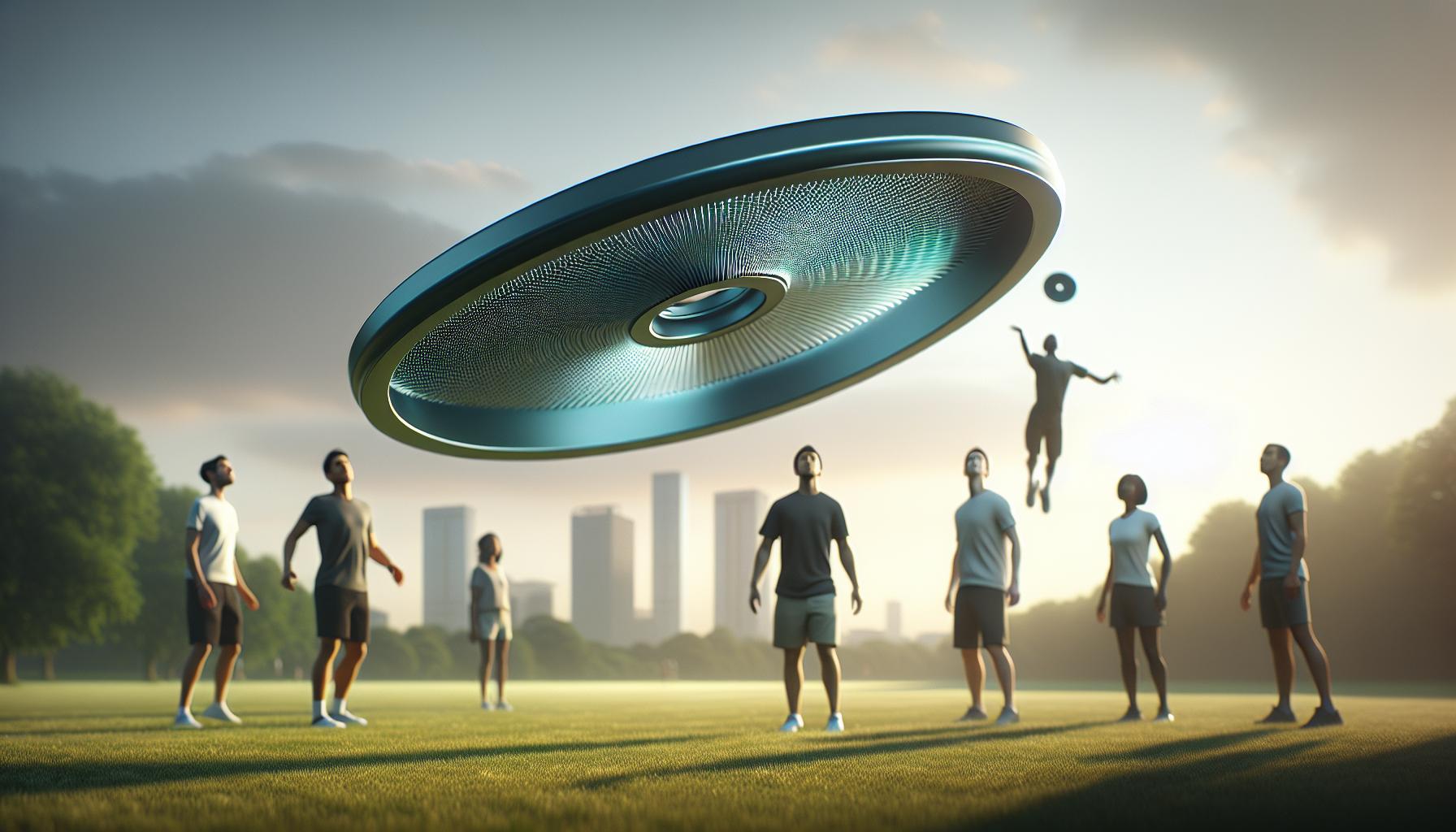
Comparing Throwing Mechanics: Frisbees vs. Disc Golf Discs
The art of throwing is one of the most critical aspects of both disc golf and traditional Frisbee games, yet the mechanics involved in each are significantly different. In disc golf, precision and control are paramount as players aim for specific targets on the course. This requires a more refined throwing technique compared to the casual, often playful style of tossing a Frisbee back and forth. For newcomers and experienced players alike, understanding these differences can enhance performance and enjoyment in the sport.
When it comes to grip and stance, disc golf typically utilizes a more stable foundation. Players often adopt a staggered foot position, giving them added power and balance during their throw. This contrasts with the more relaxed, standing or casual throws common in Frisbee games, where players might not consciously consider their stance. Disc golf players need to maintain a firm grip-especially since discs are generally smaller and denser than a standard Frisbee, demanding more deliberate control in the wrist and fingers.
The mechanics of the throw itself further highlight the differences. Disc golf throws often employ a flick or anhyzer release angle, allowing players to manipulate the disc’s flight path. This manipulation is key to adapting to various course layouts and conditions. For instance, a backhand throw in disc golf typically involves rotating the shoulder and using the entire body to generate torque-tightening the core as the disc is released to achieve maximum distance. In Frisbee throwing, however, the emphasis is more on the arm’s motion, with less attention paid to body mechanics, which can result in less control and consistency when targeting specific distances or angles.
Finally, experience plays a pivotal role in developing throwing mechanics in disc golf. Players often need to practice throwing various disc types-drivers, midranges, and putters-to understand how each one responds to different throwing techniques. Each type of disc has its distinct characteristics, influencing how they should be thrown for optimal flight. Utilizing equipment that caters to specific throwing forms is essential; for example, a high-speed driver is better suited for long-distance throws, while putters demand a softer touch for accurate short-range shots. This multifaceted understanding of throwing mechanics not only enhances gameplay but also fosters a deeper appreciation for the skill and strategy involved in disc golf.
Essential Equipment Specifications for Disc Golf
When exploring the world of disc golf, understanding the essential specifications of the equipment is vital for both newcomers and seasoned players alike. Unlike traditional Frisbees, which are generally larger, rounder, and designed for casual play, disc golf discs are meticulously engineered for precision and distance. This attention to specification directly influences performance on the course and can significantly affect a player’s gameplay.
To start, most disc golf discs weigh between 150 to 180 grams, with different weights suited to various throwing styles and conditions. For example, lighter discs are often favored by beginners as they can be easier to control, while experienced players might prefer heavier discs, especially in windy conditions, as they provide more stability during flight. Additionally, the diameter of a typical disc golf disc ranges from about 21 to 22 centimeters, giving them a smaller profile compared to the standard Frisbee. This design is intentional, allowing players to achieve greater accuracy when aiming for specific targets.
Key Specifications
When selecting disc golf equipment, consider these essential specifications:
- Weight: Varies from 150 to 180 grams. Lighter discs for beginners; heavier ones provide stability.
- Diameter: Ranges from 21 to 22 cm, smaller than traditional Frisbees, enhancing accuracy.
- Thickness: Disc golf discs tend to be flatter, contributing to their aerodynamic properties.
- Material: Made from durable plastics, which can vary in flexibility and grip, affecting flight characteristics.
- Profile: The edge design is sharper for discs, which enables better slicing through the air, while Frisbees have rounded edges for glide.
The materials used to construct disc golf discs also play a crucial role in their performance. High-quality plastics are designed to withstand various weather conditions and impact stresses. Different plastic blends offer varying degrees of flexibility, grip, and longevity, which affect how the disc performs in terms of distance and accuracy. For instance, discs made from a firmer plastic may resist wear and tear better, ideal for players who play on rugged courses, while softer plastics can provide enhanced grip during throws.
Choosing the right disc for your skills and playing style is essential for improving performance on the course. Players often find it helpful to have a variety of disc types-including drivers for long-distance throws, midranges for versatile gameplay, and putters for accuracy on the final strokes. By understanding these equipment specifications and how they influence play, players can better navigate their disc golf journey, ensuring they select the best tools to enhance their skill set, experience, and enjoyment of this growing sport.
The Role of Disc Materials in Performance
When it comes to the performance of disc golf discs, the materials used in their construction play an essential role in determining how a disc flies through the air. Unlike traditional Frisbees, which are typically made from more basic plastic materials for casual use, disc golf discs incorporate advanced polymers designed specifically for performance. These materials not only influence the grip and feel of the disc but also its durability and ability to handle varied throwing conditions.
Most disc golf discs are crafted from a variety of plastic blends, each offering unique properties that suit different playing styles and environmental conditions. For instance, firmer materials tend to hold their shape better during flight, making them ideal for players who frequently navigate windy conditions. On the other hand, softer plastics can enhance grip, providing players with greater control for precise throwing. Understanding these materials can help players choose the right disc to match not only their personal throwing mechanics but also the specific challenges of the courses they play.
Types of Disc Materials and Their Impact
Here’s a closer look at some common types of materials used in disc golf discs and their characteristics:
- Durable Plastics: These are often used for drivers and can withstand the wear of long throws and rough courses. They tend to have less grip but provide excellent stability.
- Flexible Plastics: These materials offer enhanced grip, which can be beneficial in wet conditions. They may wear down faster but can provide more control during approaches and putts.
- Specialty Blends: Some manufacturers create unique blends that combine aspects of both durability and grip, catering to players who want a versatile option for various gameplay scenarios.
The choice of materials extends beyond performance; it can also play a significant role in a player’s confidence and comfort level with their discs. Many players prefer specific plastic types based on personal experience, feedback from fellow players, or simply the feel of the disc in their hand. As players gain experience, they often begin to develop preferences, which can further enhance their performance as they select discs that complement their style and the flying characteristics they desire.
In summary, the materials used in disc golf discs are more than just a technical specification; they fundamentally influence gameplay. By understanding and selecting the right materials, players can improve their throws, adapt better to course conditions, and enjoy greater success on the course, all of which contribute to the growth and enjoyment of the sport.
Choosing the Right Discs for Your Skill Level
When stepping into the world of disc golf, understanding how to choose the right discs based on your skill level can significantly enhance your performance and enjoyment of the game. The range of discs available can be overwhelming, but selecting the right one according to your experience and throwing style can simplify your learning process while elevating your gameplay.
For newcomers, a good starting point typically includes a set of three essential discs: a driver, a midrange, and a putter. Begin with stable or slightly understable discs as they are more forgiving, and easier to throw. These discs are designed to fly straighter with less risk of flipping over, making them ideal for developing consistent throwing mechanics. As you gain confidence and skill, you can explore more specialized discs, such as overstable drivers for long distance throws or more advanced putters that support various putting techniques.
Intermediate players often benefit from expanding their disc collection to include a wider variety of stabilities and weights. This enables them to handle different course conditions and throwing scenarios. For example, players might select drivers with varying degrees of stability to help manage windier conditions or to target specific throwing distances. It’s also helpful to experiment with weights; lighter discs are generally easier to control for those still honing their technique, while heavier discs can add distance with a more powerful throw.
Expert players take advantage of their experience through a nuanced understanding of disc flight characteristics, allowing them to utilize specialized discs for every situation on the course. Knowledge of disc types, such as high-speed drivers for maximum distance or stable putters for precise control, becomes crucial at this stage. Additionally, many advanced players invest time to match discs with their throwing style, which often involves testing various brands and disc models to find the perfect fit.
Regardless of your skill level, the key to successful disc selection lies in experimentation and practice. As you play, take note of which discs feel comfortable and produce the results you desire. Engaging with the community-whether through local disc golf clubs or online forums-can also provide invaluable insights and recommendations tailored to your specific needs. Embrace the journey of finding your perfect discs; it’s part of what makes disc golf not just a sport, but a passion.
Understanding Disc Types: Putters, Midranges, and Drivers
The world of disc golf is as diverse as it is fascinating, with players relying on different types of discs tailored for specific tasks on the course. Understanding the three primary categories-putters, midranges, and drivers-can significantly improve your gameplay, whether you’re just starting or looking to refine your skills.
Putters are the discs designed for accuracy and control, perfect for short distances and precise shots around the basket. They typically have a blunt edge and a heavier weight, contributing to their stability and ease of handling. Ideal for those crucial final throws into the basket, putters help players develop confidence in their short game. When choosing a putter, consider a stable disc that gives you a straight flight path; this simplicity fosters better technique and touch.
Midrange discs serve as the versatile workhorses of your disc golf bag. They are designed for a range of distances, making them suitable for approach shots when you find yourself close to the basket but not quite within putting range. With a more aerodynamic design than putters but a bit less than drivers, midranges provide a balance between accuracy and distance. As you progress, experimenting with different stabilities in midrange discs can enhance your ability to tackle varying course conditions, enabling you to manage curves and angles with greater finesse.
Drivers, the heavy-hitters of the disc golf family, are built for maximum distance. Their sleek, aerodynamic profile allows them to cut through the air, achieving long flights. There are two main types of drivers-fairway drivers and distance drivers. Fairway drivers tend to be more forgiving and offer better control for intermediate players, while distance drivers, which are faster and thinner, require a more skilled technique to handle properly. When selecting a driver, look for options that suit your throwing style, considering factors like wind conditions and your own throwing power to optimize performance over longer distances.
Incorporating the right mix of these three disc types into your game not only supports diverse throwing strategies but also enhances your ability to adapt to different courses and situations. Whether you’re a beginner honing basic techniques or an experienced player mastering advanced throws, understanding your equipment-alongside practice and strategy-will empower you to elevate your disc golf experience and enjoy this increasingly popular sport to its fullest.
Increasing Your Game with Specialized Discs
Elevating your game with specialized discs is a pathway to unlocking your full potential in disc golf. As players progress, understanding how different discs can enhance specific aspects of their game becomes crucial. While many newcomers may start with a standard putter or driver, veterans know that the nuances of disc selection-such as stability ratings, flight patterns, and intended use-can mean the difference between a birdie or a bogey.
Specialized discs can be categorized into various types that serve distinct roles during gameplay. For instance, distance drivers are engineered for maximum speed and distance, often featuring sleek aerodynamic profiles. However, opting for a fairway driver can provide a more balanced approach, ideal for controlled, accurate throws that require finesse rather than just raw power. Similarly, specialized midranges, like those designed for hyzer-flip shots or anhyzer throws, allow players to navigate complex course layouts with greater ease. Understanding your throwing style and course requirements will drive your choices in selecting the right disc for each situation.
One practical approach to improving your performance is to incorporate an assortment of specialized discs tailored to different conditions. For example, on windy days, a stable putter with a low profile may help you maintain accuracy when approaching the basket, while a slightly understable midrange might be preferable for turning shots around obstacles. Moreover, players often speak about the confidence boost gained from carrying a disc specifically designed to handle certain shots, leading to increased focus and comfort during games.
Real-world experiences of professional players reveal that even subtle differences in disc technology and design can profoundly impact performance. Many top competitors meticulously select their discs to match both their individual throwing mechanics and the unique demands of various courses they encounter at tournaments. Following their lead, experimenting with a range of discs, including those designed for niche throws such as rollers or spike hyzers, allows recreational players to discover new strategies and enhance their skill set on the course.
In summary, specialized discs are not merely an advantage but a necessity for serious players looking to refine their craft. By understanding the unique characteristics of each disc and how they play off the conditions you face, you can strategically improve every aspect of your game-from driving off the tee to putting in the basket. Aim to build a diverse disc selection that resonates with your playing style and helps you tackle all challenges on your disc golf journey.
Real Stories: Disc Golf Champions Share Their Insights
When it comes to excelling in disc golf, hearing insights from seasoned champions can provide invaluable knowledge and inspiration. Many elite players emphasize the importance of understanding not just the differences between frisbees and disc golf discs, but also how those distinctions shape their performance on the course. For instance, Simon Lizotte, known for his incredible distance and precision, often remarks on the tailored design of disc golf discs that allows for more specific flight paths, which is essential for mastering challenging courses. His experience highlights how using the right disc can dramatically influence not just throw distance, but also shot accuracy.
One common thread among top players is the emphasis on practice with specialized discs. Players like Paige Pierce have shared how repeatedly throwing various disc types-such as putters for short, precise throws and distance drivers for long shots-enhances their understanding of disc dynamics. This helps them to intuitively choose the right disc based on the scenario at hand. Such familiarity allows them to make quicker decisions during tournaments where every stroke counts. As Pierce stated, “It’s about knowing your discs so well that it feels like second nature during competition.”
Moreover, champions often recount particular turning points in their careers that were influenced by their equipment choices. For example, discussing his breakthrough season, Calvin Heimburg noted that switching to a specific brand of disc and understanding its unique flight characteristics led to unforeseen improvements in his game. He highlighted how discovering a stable midrange disc tailored to his throw introduced more control and consistency on approach shots. This kind of specificity in disc selection can often be the difference between landing on the podium and fading into the background.
Ultimately, the journey to mastering disc golf is steeped in both understanding the tools of the trade and personal experience on the course. By soaking up wisdom from those who have achieved success, players at all skill levels can better navigate their own paths-whether that means experimenting with different discs, honing throwing techniques, or simply gaining confidence in their game. Embracing these insights not only enriches the experience of playing but also fortifies the vibrant community that surrounds the sport, celebrating the blend of skill, strategy, and personal growth integral to disc golf.
Maximizing Your Gear: Tips for Disc Golf Success
When it comes to excelling in disc golf, understanding your gear can be the difference between an average round and a standout performance. Disc golf discs are not just colorful flying objects; they’re finely tuned pieces of equipment designed for precision, distance, and control. Before hitting the course, it’s crucial to familiarize yourself with the aspects of your discs that can impact your game. Let’s explore some pivotal strategies and tips for maximizing your gear.
Understanding Your Discs
Different types of discs serve unique purposes on the course. Familiarize yourself with the three primary types: putters, midranges, and drivers. Each type has distinct flight characteristics which can significantly influence your shots.
- Putters are designed for accuracy and stability on shorter throws and are essential for your approach and putting game.
- Midranges offer versatility and are great for a variety of shots. They provide a balance between distance and control, making them perfect for those tricky fairway shots.
- Drivers, on the other hand, are designed for maximum distance. Their aerodynamic shapes allow them to cut through the air, crucial for long-range drives off the tee.
With this knowledge, it’s essential to customize your disc selection according to your style of play and the specific challenges of the course you’re tackling.
Fine-Tuning your Throwing Mechanics
Practicing your throwing mechanics is equally important. A successful throw combines grip, stance, and follow-through. Begin with a solid grip on the disc, ensuring your fingers are aligned with the disc’s flight path. Work on your stance; a balanced and stable base allows for better power transfer during your throw.
- Power Grip: Ideal for distance drivers; fingers grip the underside of the disc firmly.
- Pencil Grip: Preferred by professionals for finesse shots, using the thumb on top and index below.
- Anhyzer and Hyzer Angles: Learning to throw at different angles can dramatically improve your shot variety. Use anhyzer for a right turn and hyzer for a left turn (for right-handed backhand throws).
A strong fundamental technique enables you to maximize the performance of your discs, helping to deliver consistent results under pressure.
Experiment and Adjust
Just as professional players adjust their game plans based on course conditions, so too should you regularly experiment with your disc selection. Try incorporating new brands, weights, and even different plastic types to discover what feels best for your throw.
Monitoring your performance is essential. Keep a journal of what discs work in various conditions and how they impact your game. Noting your successes and struggles with different discs will help you make informed decisions about your gear.
With these strategies in hand, you’ll be well on your way to enhancing your disc golf experience. Each round is an opportunity to learn, improve, and revel in the community of a sport that combines athleticism with artistry. Embrace the journey and enjoy the growth that comes with every throw!
FAQ
Q: What are the differences between disc golf discs and traditional frisbees?
A: Disc golf discs are specialized for the sport, designed for specific flight characteristics and distance. Unlike traditional frisbees, which are generally larger and designed for casual throwing, disc golf discs are smaller, heavier, and shaped to enhance aerodynamics, allowing for more controlled throws.
Q: Can I use a regular frisbee for disc golf?
A: Using a regular frisbee for disc golf is possible but not advised. Frisbees do not offer the specialized grip and aerodynamics needed for accurate throws and distance required in the game. Investing in disc golf-specific discs can significantly improve gameplay.
Q: What types of disc golf discs are available?
A: There are several types of disc golf discs: drivers, midranges, and putters. Each type serves a different purpose; drivers are for long-distance throws, midranges offer versatility, and putters are for short, precise shots. Selecting the right type is essential depending on your skill level and the course layout.
Q: Why are disc golf discs heavier than frisbees?
A: Disc golf discs are typically heavier (150 to 180 grams) to achieve greater stability and control during flight. The added weight helps them cut through wind better and maintain speed, making them more effective for distance throws compared to lighter frisbees.
Q: How do disc materials affect performance?
A: The materials used in disc golf discs significantly impact performance. Different plastics offer varying durability, grip, and flight characteristics. Understanding these materials can help players choose the right disc for various weather conditions and playing styles.
Q: What should beginners look for in disc golf equipment?
A: Beginners should look for a beginner-friendly disc golf set that includes a driver, midrange, and putter. Opt for discs that are lightweight for easier handling and control. As skill levels increase, players can start exploring specialized discs based on their style and preferences.
Q: Can disc golf discs be customized like frisbees?
A: Yes, many companies offer customization options for disc golf discs, including personalized prints and dyes. Customizing your discs can enhance aesthetics and personalization, making the game more enjoyable while potentially improving your connection to the sport.
Q: How does wind affect disc golf disc performance?
A: Wind can greatly influence the flight of a disc golf disc, affecting distance, stability, and accuracy. Players should learn how to adjust techniques and select the appropriate disc based on wind conditions to ensure better performance during their rounds.
Concluding Remarks
Thank you for joining us as we explored the crucial distinctions between disc golf discs and frisbees! Understanding how these specialized discs are designed for different playstyles is essential for improving your game and elevating your experience on the course. If you’re ready to take your skills to the next level, check out our guide on disc flight characteristics and throwing mechanics to refine your technique today!
Still have questions or need more tips? Explore our articles on advanced disc golf strategies and equipment comparisons to find the best gear for your needs. Don’t forget to subscribe to our newsletter for expert advice and exclusive insights that will help you grow as a player.
Let’s keep the conversation going! Share your thoughts in the comments below, and connect with our community of passionate disc golfers. Remember, every throw counts-happy playing!
Get our latest guides, news, and insights highlighted in your Google Search & AI Overviews.