
In the fast-evolving world of disc golf, understanding the rules for both tournament and casual play is essential for every player, whether you’re a weekend warrior or a serious competitor. Did you know that even small variations in rules can significantly impact your strategy and enjoyment of the game? This guide aims to illuminate the key regulations that govern play, helping you to navigate the nuances of both environments confidently. By establishing a solid grasp of these rules, you can enhance your skills, foster fair play, and ensure that every round is enjoyable. As you delve into the specifics, you’ll discover insights that not only elevate your game but also celebrate the vibrant community of disc golf enthusiasts. Join us on this journey to unlock the full potential of your disc golf experience-exciting play awaits you!
Break Time: Understanding Tournament Play Rules
In the dynamic world of disc golf, understanding the rules governing tournament play is essential for both seasoned competitors and eager newcomers. Disc golf tournaments elevate the game from casual outings to more structured competition, where precision and adherence to the rules decide not only the outcome but also the spirit of the game. Familiarizing yourself with the specific regulations can enhance your experience and ensure fair play.
Tournament rules often delineate aspects such as player conduct, scoring systems, and course procedures, presenting a more formal framework than what might be encountered during casual play. For example, each player must check in, which is a practice not necessarily observed in relaxed games. Additionally, tournaments commonly operate on a strict timeline, with players required to complete their rounds within set limits, adding an exhilarating element of time management to the skill of disc throwing.
Key regulations you should know include guidelines for the equipment used, specific boundaries for play, and the correct method for resolving ties-in many cases, a sudden-death playoff is utilized. To thrive in a tournament environment, players must remain vigilant about time limits for shots, which are typically enforced to maintain a smooth flow throughout the event. Tournament organizers and officials are often on hand to clarify any uncertainties and ensure that players adhere to the standards set forth by governing bodies like the Professional Disc Golf Association (PDGA).
Understanding these rules is not just about compliance; it’s about embracing the complete experience of tournament play, which encourages camaraderie, sportsmanship, and a deeper respect for the game. Whether you’re vying for a trophy or simply discovering the competitive arena for the first time, grasping the nuances of tournament rules will enhance your participation and enjoyment of disc golf.
Navigating Casual Play Guidelines
In the vibrant realm of disc golf, casual play serves as the bedrock for skill development and community connection. Whether you’re new to the sport or a seasoned player, understanding the informal aspects of disc golf can significantly enhance your enjoyment on the course. Casual rounds prioritize fun and collaboration, allowing players to explore their abilities at their own pace and foster friendships without the pressures of competition.
One of the key guidelines in casual play is to respect fellow players and the course itself. This includes being mindful of your disc flight patterns to avoid disrupting others on the course and practicing good etiquette, such as waiting your turn and keeping conversation at a respectful volume. Remember, casual rounds are often about sharing space with others-lively discussions about techniques or strategies can add to the enjoyment, but it’s vital to balance this with the flow of play.
When it comes to practicing techniques without the stress of competition, players are encouraged to experiment with different throwing styles. Casual play provides an excellent opportunity to test various discs, understand their flight characteristics, and develop your personal throwing mechanics without the pressure of scoring. For instance, consider spending time practicing drives with a few different types of discs:
- Distance Drivers: Ideal for long throws, enabling you to gauge how far you can reach.
- Fairway Drivers: Great for accuracy at moderate distances, allowing for precision practice.
- Putters: Perfect for honing short-range throws and improving your putting technique.
Additionally, it’s beneficial to evaluate the course layout and utilize its features creatively during casual play. Each hole presents unique challenges perfect for developing strategic thinking about shot placement. Discussing strategies with friends or even observing how others navigate the course can provide fresh insights that may assist when you eventually compete in tournaments.
Ultimately, the goal of casual play isn’t just about mastering your throw-it’s about enjoying the experience. Embrace the spirit of camaraderie that disc golf encourages, and remember that every casual round can be both a learning experience and a fun day out with friends.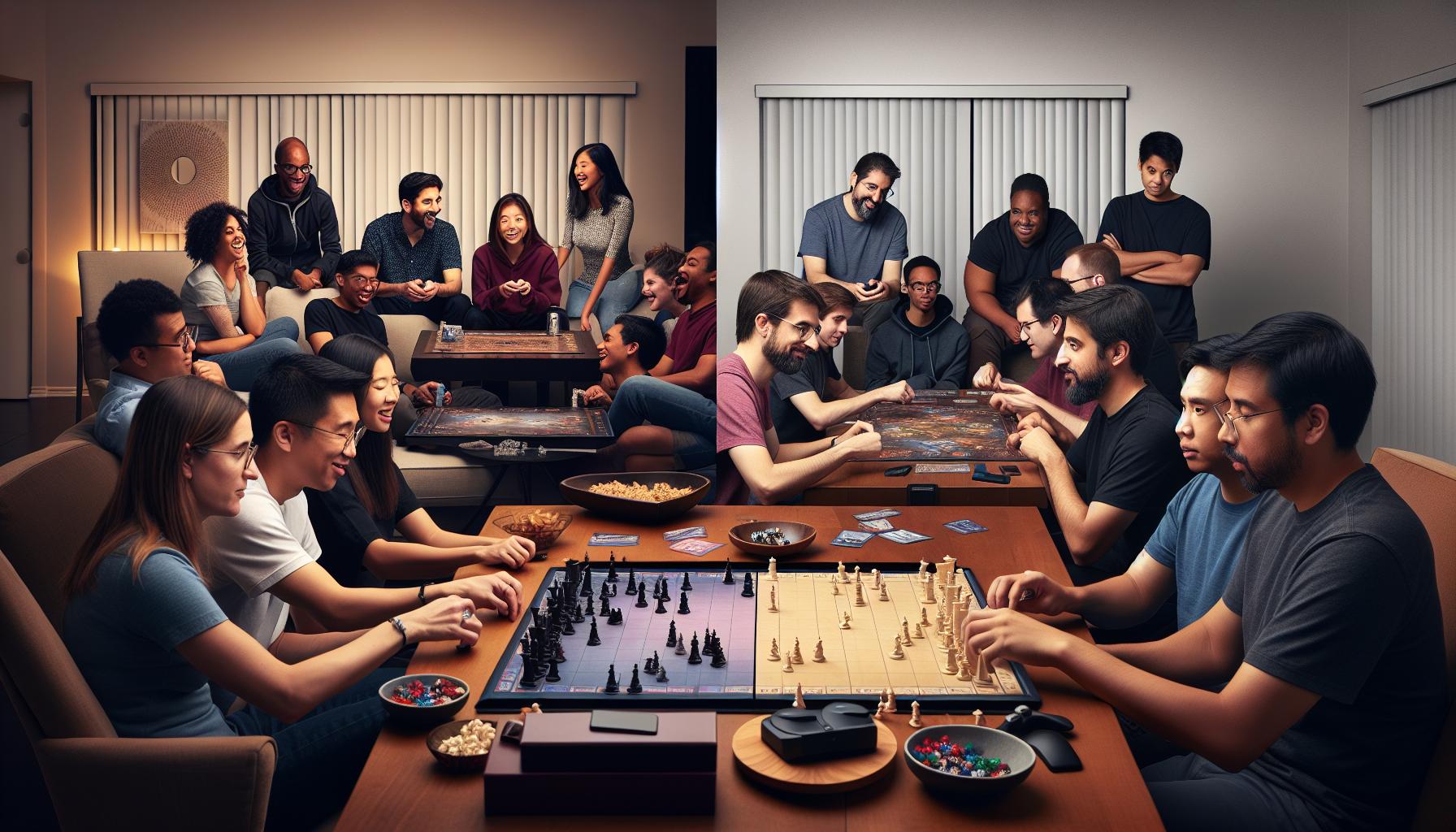
Key Differences Between Tournament and Casual Play
In the world of disc golf, distinguishing between tournament and casual play is essential for navigating the unique dynamics each brings to the course. One of the most significant differences lies in the atmosphere and approach to gameplay. While casual rounds focus on enjoyment, friendship, and personal skill development, tournaments introduce an element of competition that elevates the stakes, pushing players to perform at their best under pressure.
In tournament play, every throw counts. Players often need to adhere to strict guidelines regarding rules, scoring, and time limits, which can add a layer of intensity that is typically absent in casual games. For instance, players are required to prepare mentally and physically for longer rounds, often involving multiple courses and more substantial time commitments. Additionally, tournament rules may dictate specific etiquette norms, such as maintaining silence when others are putting, that demand a higher level of respect and focus among competitors.
Equipment choices can also differ significantly between the two formats. While casual players may favor versatility and comfort, tournament players often select gear specifically suited for certain conditions and distances, refining their disc selection to optimize performance. For example, you might find competitive players using specialized distance drivers designed for maximum distance and stability or premium-grade putters for precision putting.
Furthermore, scoring conventions vary, with tournaments typically using either stroke play or match play formats, while casual matches might employ a more relaxed scoring system to accommodate fun rather than strict competition. Understanding these key differences can enhance your approach to disc golf, whether you’re aiming for camaraderie in a casual round or gearing up for the thrill of tournament competition. Each format offers a unique avenue for growth, ensuring that no matter how you choose to play, there’s always something valuable to be learned on the course.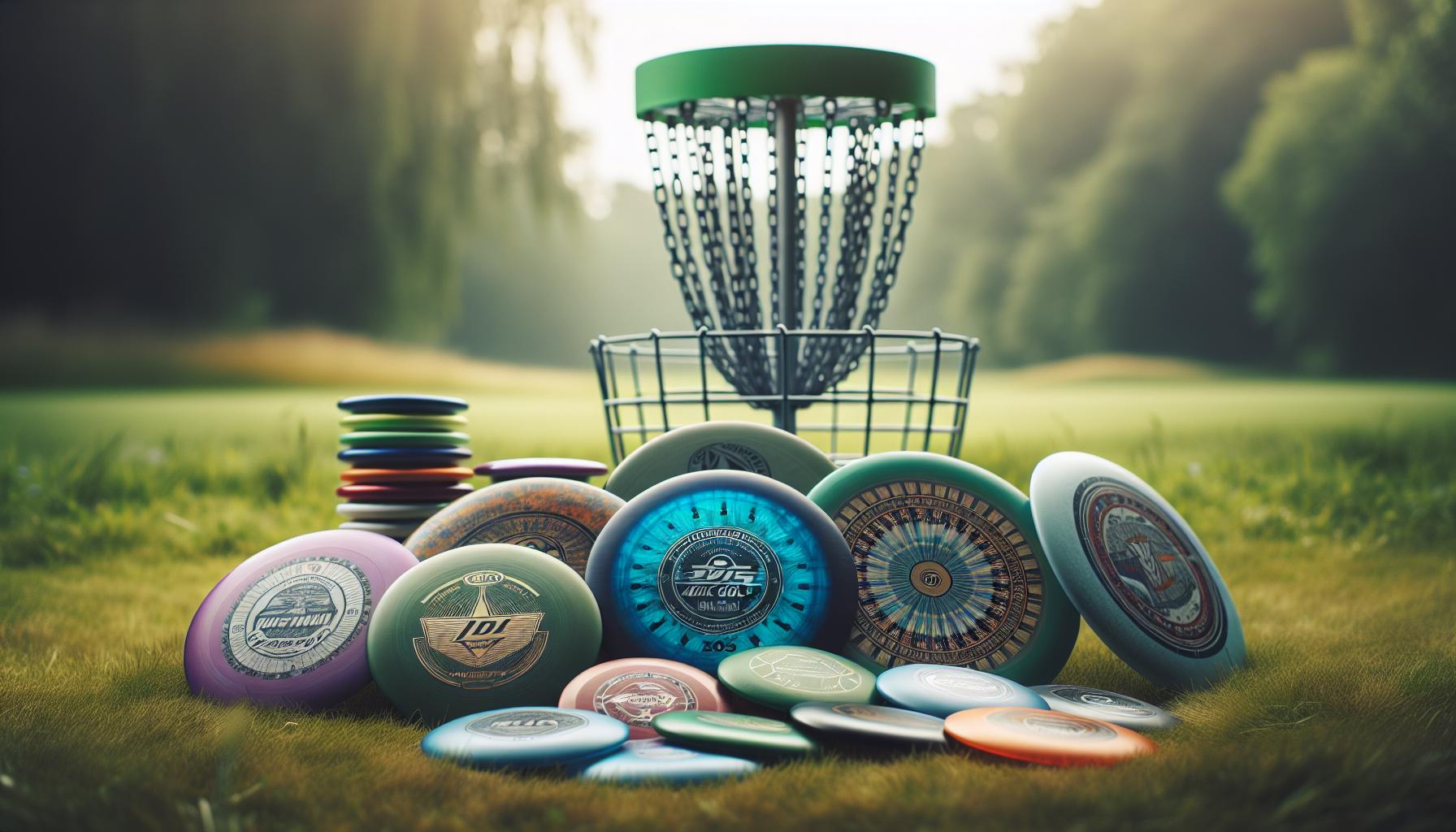
Essential Disc Golf Equipment for Every Level
In the dynamic world of disc golf, having the right equipment can significantly enhance your performance and enjoyment, whether you’re playing socially or competing in tournaments. Your choice of discs, bags, and accessories plays a crucial role in how well you navigate the course, enabling you to adapt to varying conditions and hone your skills effectively. Understanding the essentials at every skill level is key to maximizing your potential, making the game accessible and rewarding for newcomers and seasoned athletes alike.
When it comes to disks, knowing the basic types is fundamental. Players typically utilize a blend of drivers, mid-range discs, and putters. Drivers are essential for long-distance throws. They are designed to cut through the air with minimal drag, which is ideal for maximum distance. Mid-range discs offer versatility, providing a balanced mix of distance and control, suitable for approaches and shorter drives. Putters, which are heavier and have a wider rim, are perfect for precision shots around the basket. Each disc has a specific flight path characterized by speed, glide, turn, and fade, allowing players to select disc types that suit their throwing style and the course layout.
Choosing the Right Bag and Accessories
Beyond discs, having a good-quality bag is essential for carrying your equipment comfortably. Disc bags vary from simple one-disk pouches to larger backpacks that can accommodate over 20 discs along with essential accessories. Consider investing in a bag that fits your style of play-if you’re just starting, a smaller bag may suffice, but serious players often need more space for extra discs, water bottles, and personal items.
Additionally, accessories like a towel, mini marker, and scorecard holder can enhance your playing experience. A good towel is crucial for keeping discs dry and ensuring consistent grip, especially in varying weather conditions. A mini marker is essential for marking your lie when putting, while a scorecard holder helps keep your stats organized during tournaments.
Extra Considerations for Different Skill Levels
As you progress in skill level, you may want to refine your equipment selection based on your specific strengths and challenges. For beginners, versatility should be the priority; look for all-purpose discs that can handle a variety of situations. Intermediate players might start experimenting with different brands and flight characteristics to find what best matches their throwing technique. Advanced competitors will often have tailored setups, including specialized drivers for distance and stability tailored to specific courses or wind conditions.
Ultimately, the right gear not only impacts your performance but also contributes to the overall fun of the game, helping you develop your skills while enjoying what disc golf has to offer. Embrace the journey ahead, and remember that every throw you take is an opportunity for growth and connection with the disc golf community.
Basic Techniques for Beginners in Disc Golf
In the world of disc golf, mastering the basic techniques is essential for beginners aiming to progress quickly from casual play to competitive play. Understanding the fundamentals not only enhances your performance but also increases your enjoyment of the sport. Throwing a disc may seem straightforward, but incorporating proper mechanics will help you achieve greater distance and accuracy while reducing the risk of injury.
To start, focus on your grip. A power grip is commonly used for longer throws, where all four fingers are underneath the disc rim and pressed against the bottom. This grip allows for maximum control and spin. For shorter approaches or putts, a lob grip involves just the thumb on top and two fingers underneath, giving you better precision.
Next, pay attention to your stance and body alignment. Stand with your feet shoulder-width apart and angle your non-throwing shoulder toward the target. As you prepare to throw, shift your weight onto your back foot and rotate your hips towards the basket. This weight transfer is crucial; it helps generate power and speed in your throw. Execute the throw by pulling the disc across your body while rotating your hips and shoulders, ensuring your follow-through points toward the target. This fluid movement not only makes for a more powerful throw but also promotes balance, keeping you steady for the next shot.
To refine your technique further, practice the hyzer and anhyzer angles. Hyzer occurs when the disc is tilted away from your throwing side, while anhyzer tilts toward your side. Experimenting with these angles can aid you in navigating obstacles on the course and choosing the right disc for specific throws.
Finally, don’t forget the importance of practice. Regularly working on your throwing mechanics-and incorporating feedback from more experienced players or coaches-will help you adjust your technique and improve over time. Festive local events or friendly competitions can offer valuable experience while providing a supportive atmosphere for learning.
Embrace these foundational techniques as stepping stones in your disc golf journey, and remember-every player, from novice to expert, continues to refine their skills. With time and practice, you’ll find yourself not only enjoying the game more fully but also performing at a level that impresses both yourself and your peers.
Advanced Strategies for Competitive Play
In the world of competitive disc golf, excellence isn’t just about technique; it’s about strategy, mental fortitude, and an understanding of the nuances that can make or break your game. As you transition from casual play to tournament settings, adopting advanced strategies can give you a significant edge over your competition. Here are some critical components to enhance your performance during tournaments.
Understanding Course Management
A key difference between casual play and competition is the strategic management of the course. When preparing for a tournament, take time to study the layout and specific obstacles of the course. Know where to use your more stable discs for distance throws and when to opt for more understable discs that might better navigate tight spaces or tricky pin placements. Create a mental map of each hole, highlighting safe landing zones and potential trouble spots. During your round, stick to your planned strategy unless conditions change, such as differing wind patterns or rain.
Playing the Wind Like a Pro
Wind can be a formidable opponent in a tournament. Understanding how to play the wind can drastically improve your chances of scoring well. Practice throwing in various wind conditions before the tournament so you know how your discs will behave. For example, in headwinds, use a stable to overstable disc for drives to combat lift; conversely, in tailwinds, an understable disc may help maximize distance. Always assess the wind direction before you throw, and adjust your stance and release angle accordingly.
Maximizing Your Mental Game
Mental toughness is as vital as physical skill in competitive disc golf. Develop a pre-round routine to calm your nerves-this could include visualization techniques where you see yourself executing perfect throws. Stay positive and focused, especially if you encounter setbacks during your round. Techniques such as controlled breathing and reaffirming mantras can help maintain composure. Remember, every competitor is managing their own stress, so thriving under pressure can set you apart.
Strategizing Your Equipment Choices
Preparation involves not just your skill but your selection of equipment. In a tournament, ensure you have a well-rounded selection of discs suited for various throwing scenarios. Take time to fine-tune your selection, focusing on the conditions expected that day. A good rule of thumb is to have a mix of stable, understable, and overstable discs in your bag, as well as putters that can handle different types of throws. Before the tournament, practice using each disc under varying conditions to understand their flight characteristics fully.
By leveraging these strategies, you not only boost your chances of success but also enhance your overall enjoyment and engagement with the sport. Remember, as with any athletic endeavor, continuous improvement and learning from each experience will keep you advancing on your disc golf journey. Embrace competition, and don’t shy away from the opportunity to learn and grow with every round played.
Common Tournament Etiquette Every Player Should Know
Every tournament is an opportunity to showcase not only your skill but also your respect for the game and fellow competitors. Understanding and practicing good tournament etiquette can tremendously enhance the camaraderie and enjoyment of the event. Whether you’re a seasoned player or a newcomer, adhering to common etiquette principles reflects your commitment to the sport and helps create a positive atmosphere for everyone involved.
A foundational aspect of tournament etiquette is maintaining pace. Tournaments operate on tight schedules, and slow play can lead to delays for entire groups. Always be ready to throw when it’s your turn, and avoid prolonged discussions or distractions. If you find yourself moving at a slower pace due to uncertainty, it’s perfectly acceptable to allow faster groups to play through. Additionally, if you’re on the tee pad, make sure to keep the area free from clutter and prepare your next shot efficiently to help maintain momentum.
In addition to pace, communication is crucial in tournament settings. Clearly signaling your intent-such as offering a friendly “fore” if your disc veers off course-helps maintain safety on the course. Also, make sure to call out the order of play, especially if it’s not clear, as this transparency minimizes confusion and keeps everyone focused. Respecting each player’s turn not only fosters good sportsmanship but also emphasizes fair play, hallmarks of the disc golf community.
Another significant aspect of etiquette is to respect the course and its maintenance. This means adhering to marked paths, avoiding damage to sensitive areas, and properly marking your lie or throwing position in accordance with the rules. Following these guidelines not only preserves the integrity of the course but also shows appreciation for the hard work that goes into maintaining these spaces for players to enjoy. Remember to leave no trace; carry out any trash you bring in and encourage others to do the same.
Dress appropriately for the occasion. While disc golf is known for its casual vibe, a tournament often calls for a more polished appearance. Consider wearing clothing that reflects the seriousness of the event while also being comfortable. Many players choose to wear a hat or cap to shield their eyes from the sun, which is not just a fashion choice but also a practical one that can help you stay focused.
Lastly, let’s not forget the spirit of encouragement. Tournament play can be intense, but showing support and respect for all competitors can build an encouraging environment that enhances the tournament experience. A simple nod, a word of encouragement, or congratulating someone on a good shot fosters goodwill and encourages a longer-lasting bond among players.
By embracing these principles of etiquette, you contribute to a rich tapestry of teamwork and respect that defines the sport of disc golf. Whether you’re aiming for a personal best or simply enjoying the fellowship of competition, these practices help create a memorable atmosphere that celebrates our shared passion for the game.
Understanding Scoring Systems in Disc Golf
Understanding how scoring works in disc golf can enhance your experience on the course, whether you’re a weekend warrior or vying for tournament glory. Unlike traditional sports that often utilize simple scoring methods, disc golf introduces a few unique systems that cater to both casual play and competitive environments. The most common scoring format is stroke play, where the aim is to complete the course in the fewest strokes possible. Each throw counts as one stroke, and players keep a cumulative total for the entire course, just like in golf.
In tournaments, scores are typically recorded on scorecards, often noting not only the total score on each hole but also individual strokes taken. Scoring can vary slightly in casual play; some groups may prefer to adopt a more relaxed format that doesn’t keep score at all or utilizes a point system based on performance. Here’s a glance at the key scoring systems used in disc golf:
Key Scoring Formats
- Stroke Play: The most common format where the player with the lowest score wins. Each hole’s stroke count is tracked, leading to an overall total that determines the final placement.
- Match Play: Players compete hole-by-hole. The player with the fewest strokes on a hole wins that hole, regardless of the overall score.
- Best Disc: Common in team formats, where teams of players take turns throwing and always using the best throw among them.
In competitive play, a common term you might hear is “par,” which refers to the expected number of strokes each hole should take an experienced player to complete. Understanding par helps players gauge their performance; for instance, finishing a hole in one stroke under par is referred to as a “birdie,” while finishing over par yields terms like “bogey.” This language enriches the game, giving context to individual performance across varying skill levels.
Helpful Tips for Keeping Score
- Use a Reliable Scorecard: Many tournaments provide official scorecards, but apps are also available that allow for easy tracking and visibility of scores during casual games.
- Communicate Clearly: When playing with others, agree upon how scores will be recorded upfront to avoid any confusion during or after the game.
- Study the Course Layout: Familiarize yourself with each hole’s par and potential hazards before play begins, allowing you to set realistic score expectations.
By embracing these scoring systems and strategies, you not only maximize your enjoyment of disc golf but also enhance your competitive edge. Whether you’re casually throwing for fun or trying to bring home the trophy, understanding scoring will undoubtedly elevate your game.
How to Prepare for Your First Tournament
Stepping into the competitive world of disc golf can be both exhilarating and nerve-wracking, especially for newcomers preparing for their first tournament. Understanding how to prepare effectively can significantly enhance your experience and performance on the course. Isn’t it exciting to think that each throw you make could be part of a story that you’ll share with fellow players for years to come?
To set yourself up for success, begin by familiarizing yourself with the tournament rules. Each event might have specific guidelines, including the format of play and scoring systems that differ from relaxed, casual rounds. Taking the time to read the rules can save you discomfort on tournament day. You might engage better in conversations with fellow competitors or understand the pacing of the game better if you’re already aware of what to expect.
Practice and Preparation
In the weeks leading up to the tournament, ramp up your practice sessions. Focus on refining your throwing technique, especially with the disc types you plan to use during the competition. Consider creating a practice routine that mimics tournament conditions, including:
- Timed Sessions: Practice under typical time constraints to simulate the pressure of the tournament setting.
- Course Familiarity: If possible, play a practice round on the tournament course. Identify challenging holes and strategize your approach for each one.
- Playing with Different Players: Link up with experienced players to gain insights into strategies and etiquette on the course.
Gear and Equipment
Make sure you review your gear as tournament day approaches. Having the right equipment can make a significant difference. Here’s a checklist to ensure you’re fully equipped:
- Discs: Bring a mix of drivers, mid-range discs, and putters that you’re comfortable throwing.
- Accessories: Don’t forget essentials like a bag, water bottle, towel, and scorecard holder.
- Comfortable Clothing: Wear layers that are appropriate for the weather and allow you to move freely.
Remember that the disc golf community is welcoming, and many seasoned players are eager to offer tips and support to newcomers. Engage with other players, ask questions, and share experiences; these interactions can enrich your understanding of the sport. As tournament day approaches, maintain a positive mindset, visualize your performance, and focus on enjoying the experience. Your journey into competitive disc golf is just beginning, and each tournament will serve as a stepping stone in your growth as a player.
Tips for Balancing Casual Play and Competitive Training
Finding the right balance between casual play and competitive training is essential for any disc golfer aspiring to elevate their game while still enjoying the sport. While tournaments may increase intensity, casual rounds provide a priceless opportunity to hone skills without pressure. Merging the two can lead you not only to better performances but also to a more fulfilling overall experience on the course.
To effectively balance casual play with competitive training, consider developing a flexible schedule that incorporates both types of play. Strategically allocate time for relaxed rounds where you can experiment with new throws or discs. This experimentation extends to the social aspect of the game, allowing you to connect with friends and fellow players. Casual rounds often nurture creativity in your shots, revealing unique techniques that can be beneficial in a tournament setting. On the flip side, designate specific practice sessions focused on competitive skills, such as putting accuracy and distance driving, where you simulate tournament conditions.
Taking a progressive approach can be especially helpful. Start your week with casual play to ease into the rhythm of your practice, progressing toward more intense, focused sessions as the tournament date approaches. For example, incorporate one or two days of lighter, fun rounds leading up to a rigorous training day, complete with time trials and competition-style scoring. This method allows for mental and physical preparation without losing the joy of the sport.
Keep in mind that feedback is invaluable in both environments. After competitive sessions, reflect on what worked or didn’t and adjust your casual play accordingly. Discussing strategies with different players during friendly rounds can also provide insights that sharpen your game. Everyone in the disc golf community has their unique perspectives, so lean into those conversations-finding tips and tricks can enhance not just your skill set but also your appreciation for the game.
Finding joy in both casual and competitive play is key; both types of rounds contribute to your development as a player. Remember that every disc thrown adds to your story, making each round an opportunity to grow, connect, and have fun.
Real Stories from the Disc Golf Community
Every disc golfer has a unique journey, and the stories shared within the community reflect the diverse experiences that both casual and competitive play bring to the sport. From beginners learning to navigate the intricacies of disc flight to seasoned professionals mastering tournament strategies, each narrative contributes to the vibrant tapestry of disc golf culture.
Take, for example, Emily, a local disc golfer who found her passion through casual weekend rounds with friends. Initially intimidated by the competitive scene, she decided to enter her first tournament on a whim. “I just wanted to see if I could handle the pressure,” she recalls. What started as a casual game became a transformative experience, as she not only improved her technique but also forged friendships with fellow competitors. Emily’s story emphasizes how stepping outside one’s comfort zone can lead to unexpected growth and enjoyment in the sport.
Another inspiring tale comes from Jake, a veteran player who has participated in numerous tournaments across the country. He notes that the camaraderie in the disc golf community is unparalleled. Jake mentions how sharing casual rounds with new players can lead to teaching moments that benefit both parties. “Every player I meet has something unique to bring to the table,” he explains. His dedication to lifting others up in the sport illustrates the nurturing aspect of disc golf, where experienced players often mentor those just starting on their competitive paths.
These stories highlight the joy that both casual and competitive disc golf brings, illustrating the community’s supportive nature. They encourage newcomers to embrace their own journeys, reminding us that whether you’re playing for fun or aiming for the podium, every round provides an opportunity to learn, connect, and grow in this ever-evolving sport. Embrace your path in disc golf, knowing that each throw, each hole, and each round tells a part of your personal story.
Future of Disc Golf: Trends and Emerging Competitions
The landscape of disc golf is evolving rapidly, ushering in exciting trends and innovative competitions that are reshaping the sport’s future. With increasing participation and widespread visibility, the community is witnessing the rise of various formats, including league play, mixed-gender tournaments, and specialized events tailored for different skill levels. These adaptations not only enhance inclusivity but also enrich the competitive experience, making it more accessible to a diverse range of players.
One significant trend is the proliferation of virtual competitions and online leagues, which have gained traction especially in recent years. These formats allow players to compete against one another from various locations, providing flexibility and the chance to engage with a broader community. Players can submit their scores through designated apps, creating a healthy competition environment while enjoying the flexibility of competing from their local courses. This shift not only keeps the spirit of competition alive but also fosters camaraderie among players as they share their experiences online.
Emerging competitions are also amping up the excitement among disc golf enthusiasts. From the introduction of freestyle events that emphasize creativity and skill to the incorporation of alternative formats like “captive tournaments” where specific discs are used, these new competitive avenues are invigorating the sport. Events like the Disc Golf Pro Tour have showcased this evolution, attracting sponsorships and media attention that further legitimize disc golf as a professional pursuit. Furthermore, with the introduction of new technology-such as better tracking systems and analytics-players can now analyze their performance more deeply, contributing to both their development and the overall competitiveness of the sport.
The importance of community engagement in shaping the future cannot be overstated. As more local clubs and organizations emerge, they are not just hosts of casual play but also pivotal in organizing competitive events. This grassroots movement fosters an environment where new players can comfortably transition into competition, benefiting from the mentorship and shared experiences of more experienced disc golfers. The emphasis on building local communities will ensure a robust pipeline for new talent entering the sport, nurturing the next generation of disc golfers.
As the sport continues to gain popularity, embracing these trends and emerging formats will be crucial. Players should stay informed about the latest events and opportunities, as participating in various competitions can enhance their skills, expand their network, and deepen their enjoyment of disc golf. By remaining open to new formats and engaging with the community, every disc golfer contributes to the sport’s vibrant and dynamic future.
Frequently Asked Questions
Q: What is the difference between casual play and tournament play in disc golf?
A: Casual play is more relaxed, allowing for flexible rules and scoring. Players can enjoy the game at their own pace, without strict time constraints. In contrast, tournament play has specific rules and regulations, including standardized scoring systems and time limits, ensuring a competitive environment. Explore the Key Differences Between Tournament and Casual Play for more insights.
Q: How do I score in a disc golf tournament?
A: In tournament play, scoring is typically based on the number of throws it takes to complete a course. Each player records their scores for each hole, and the player with the lowest total score at the end wins. Familiarize yourself with our section on Understanding Scoring Systems in Disc Golf for detailed explanations.
Q: What should I wear for a disc golf tournament?
A: Dress comfortably and choose quick-drying, breathable fabrics. Sturdy shoes with good grip are essential for navigating various terrains. Additionally, consider wearing a hat and sunglasses for sun protection, especially during long rounds. For more tips, check out our article on How to Prepare for Your First Tournament.
Q: Are there age restrictions in disc golf tournaments?
A: Most disc golf tournaments have various divisions based on age, ensuring players compete against others of similar experience levels. Common divisions include juniors, open, master’s, and senior categories. Review specific tournament rules for age limits and division details.
Q: How can I improve my disc golf skills for competitive play?
A: To enhance your skills, practice regularly and focus on specific techniques, such as driving, putting, and approach shots. Joining local leagues can offer valuable experience, and reviewing our section on Advanced Strategies for Competitive Play will provide additional insights.
Q: What equipment do I need for tournament play?
A: Essential equipment for tournament play includes a stable of discs (drivers, midranges, putters), a reliable bag, and personal items like water bottles and towels. For a comprehensive list, visit our section on Essential Disc Golf Equipment for Every Level.
Q: What are some common etiquette rules for disc golf tournaments?
A: Common etiquette includes maintaining silence while players are throwing, not disturbing fellow competitors, keeping pace with the group, and respecting course boundaries. For a complete list, refer to our article on Common Tournament Etiquette Every Player Should Know.
Q: How do I register for a disc golf tournament?
A: You can typically register for tournaments online through hosting organizations’ websites or platforms like Disc Golf Scene. Ensure you check registration deadlines, fees, and any specific requirements needed for participation. For further details, see How to Prepare for Your First Tournament.
Wrapping Up
Thank you for diving into our “Break Time: Tournament & Casual Play Rules.” With these guidelines, you’re well-equipped to elevate your game and enjoy every aspect of disc golf, whether in a competitive tournament or a laid-back casual match. Remember, mastering the fundamentals of throwing mechanics, understanding disc flight characteristics, and strategizing course navigation are essential steps toward improving your skills.
Ready to take your disc golf experience further? Explore our detailed equipment comparison tables to find the perfect disc for your style, or check out our comprehensive guides on tournament strategies and techniques tailored for both beginners and advanced players. Don’t forget to subscribe to our newsletter for the latest tips and community insights, and join our forum to connect with fellow enthusiasts. Your next great disc golf adventure is just around the corner, so keep throwing those discs and sharpening your game!
Get our latest guides, news, and insights highlighted in your Google Search & AI Overviews.