In the evolving world of disc golf, the journey from professional status back to amateur can be both intriguing and complex. Many players find themselves pondering whether they can regain their amateur status, a question that holds significant implications for their competitive careers. Understanding the pathway options available not only sheds light on the rules and regulations governing the sport but also connects deeply with the aspirations of those who love disc golf.
As the sport continues to grow, so does the community’s interest in navigating the diverse career trajectories available to players at different levels. Whether you’re considering transitioning back to amateur play for personal reasons, eligibility in local tournaments, or simply to reignite the pure joy of the game, this article will explore your options. Together, we’ll delve into the guidelines, offer insights from real-life experiences, and provide tips to help you make informed decisions. Join us as we uncover the possibilities and celebrate the spirit of disc golf!
Can a Pro Disc Golfer Transition to Amateur Status?
For many professional disc golfers, the thought of transitioning to amateur status can stem from various motivations-be it a desire for less pressure, a return to the roots of the sport, or a chance to reconnect with the community. Fortunately, this transition is not only possible, but it is also supported by established guidelines in the disc golf community. Understanding these pathways can help players navigate the shift smoothly and enjoy the benefits of amateur play again.
One of the primary considerations for a professional transitioning to amateur status is the commitment to the rules and regulations governing amateur play. Most disc golf organizations, such as the Professional Disc Golf Association (PDGA), have clear policies in place outlining the qualifications for amateur status, including income thresholds that players must meet. This means ensuring that the player’s disc golf-related earnings fall within the specified limits to maintain eligibility.
In addition to meeting these requirements, players aspiring to go amateur should reflect on their motivations. For many, the change allows for a renewed appreciation of the sport, where they can participate in tournaments without the pressure of professional ranking systems. It’s an opportunity to engage with local leagues, introduce newcomers to the sport, and perhaps rediscover the joy of casual play. Furthermore, renowned pros who have made the shift often emphasize the importance of community play, where camaraderie and recreation take center stage, enhancing the overall experience of the sport.
As players consider this transition, it’s crucial to weigh all aspects, including expectations of competition and personal goals. Developing a solid understanding of the amateur circuit, from tournament formats to local club dynamics, will be essential to easing into this new role. By approaching the shift thoughtfully and engaging with fellow disc golfers, both seasoned competitors and newcomers alike, pros can cultivate a fulfilling amateur experience that celebrates their love for the game.
Ultimately, the transition from professional to amateur can be a rewarding journey, filled with new opportunities for growth and enjoyment in the sport of disc golf. With the right preparation and a clear understanding of the amateur landscape, former pros can leverage their experience and passion, contributing positively to the vibrant disc golf community.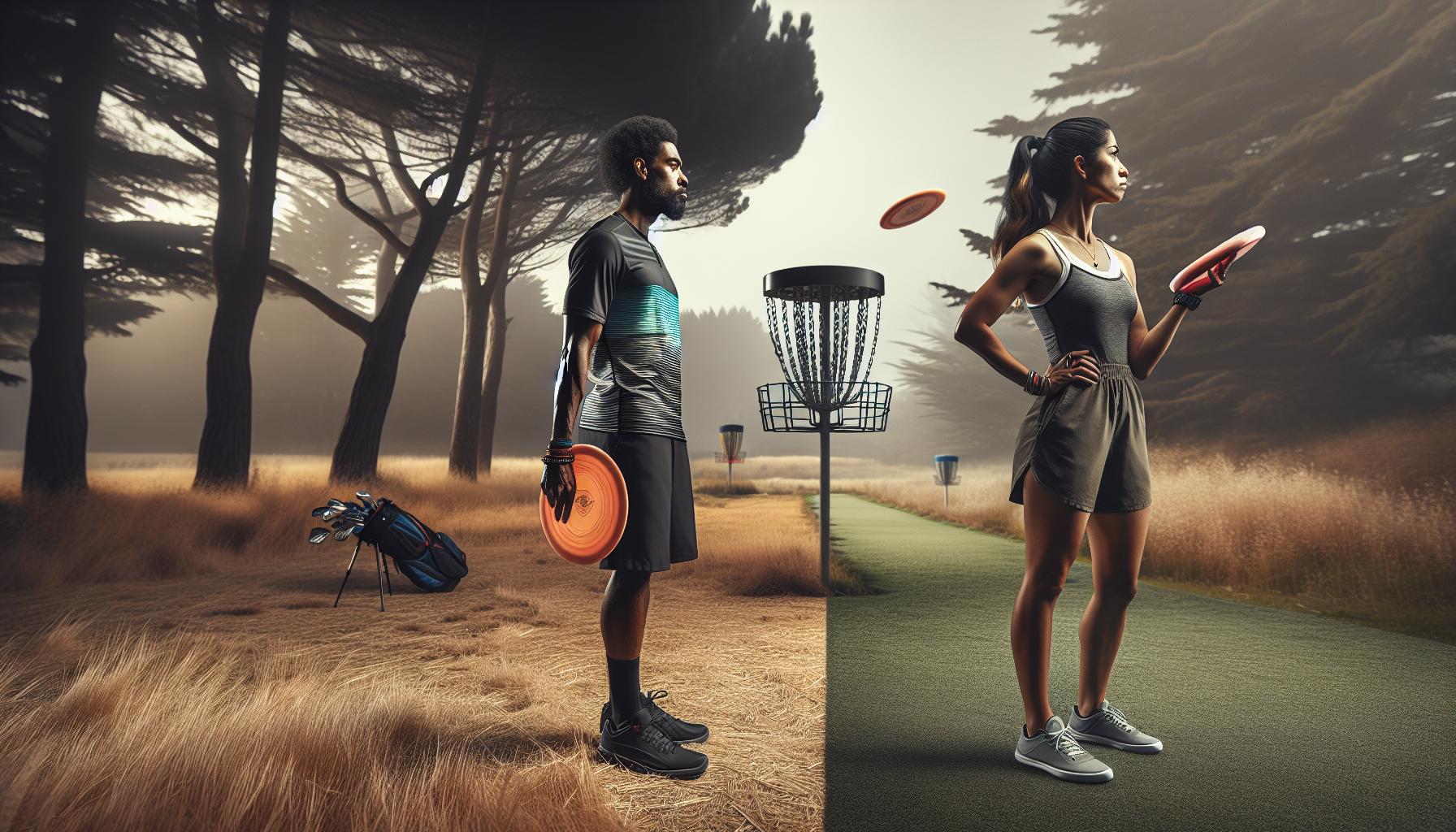
Understanding the Differences Between Pro and Amateur Disc Golf
Understanding the distinct dynamics between professional and amateur disc golf can illuminate the path for a player contemplating the shift from the pro circuit back to amateur status. At its core, the professional realm is heavily focused on competition, rankings, and often substantial financial commitments-both in terms of sponsorships and tournament fees. Professionals are typically required to maintain a high level of performance consistently, which can be an immense source of pressure that detracts from the sheer joy of playing.
In contrast, amateur disc golf thrives on community and personal satisfaction rather than competitive accolades. Amateurs participate primarily for fun, camaraderie, and the love of the game, often engaging in local leagues and friendly competitions that foster a strong sense of belonging. The relaxed atmosphere allows players to experiment with their game, try new techniques, or focus on mastering their favorite throws without the looming concern of maintaining a professional ranking or income thresholds that dictate eligibility.
Another critical difference lies in the approach to tournaments. Amateurs tend to participate in a wider range of events, from casual meets to formal competitions that may not require the same level of commitment as professional ones. This environment not only encourages participation from players of all skill levels but also allows pros transitioning back to amateur status the opportunity to mentor newcomers, share insights, and promote the sport’s growth. Thus, rather than viewing their role solely as competitors, they can become vital contributors to the disc golf community, fostering a spirit of inclusiveness and support.
Moreover, while pros traditionally focus on maximizing disc flight and executing complex shots that target specific holes with precision, amateurs can embrace exploration and creativity in their play. This change encourages players to develop a deeper understanding of their disc flight characteristics and hone their throwing mechanics in a less structured environment. It is an invitation for former pros to rediscover their passion for the sport through playful experimentation and community engagement, setting the stage for an enriching and fulfilling amateur journey.
Career Pathways: Exploring Options After Going Amateur
Transitioning from a professional to an amateur disc golfer offers a plethora of new pathways and opportunities. Rather than solely competing for cash prizes and accolades, former pros find unique avenues to engage with the sport in a fulfilling and often less stressful context. This transition can lead to personal growth, deeper community connections, and ongoing contributions to the sport’s development.
One of the rewarding paths available is becoming a mentor or coach. Former pros can leverage their extensive experience and knowledge to guide newer players, helping them to refine their techniques and strategies. Hosting workshops or clinics can foster local talent and create a vibrant community atmosphere. This not only enhances the players’ skills but also strengthens the bonds within the disc golf community, turning the former pro into a respected figure in this new role.
Additionally, many former professionals explore event organization. This can range from local tournaments to charity events that promote disc golf. By investing in the community through organizing gatherings, they can provide opportunities for players at all levels to compete and showcase their skills, while also introducing the sport to newcomers. Such involvement can reignite the passion for the game and cultivate a sense of achievement that may have been lost in the hectic world of professional competition.
Another appealing option is to focus on disc golf journalism or content creation. With a deep understanding of the game, former pros can share insights, tips, and educational content through blogs, social media, or YouTube channels. This pathway not only allows them to stay connected with the sport but also inspires others by sharing personal stories, training regimens, and disc reviews. Engaging with a wider audience can keep their passion alive and promote disc golf to a global community.
In conclusion, embracing amateur status doesn’t signify the end of a career; rather, it represents a chance to redefine one’s relationship with the sport. Former pros can explore diverse avenues that enrich their lives and the lives of others, making invaluable contributions to the thriving disc golf community. Whether through mentorship, event organization, or content creation, the possibilities are as exciting as a perfectly executed drive on the course.
The Benefits of Regaining Amateur Status in Disc Golf
Transitioning back to amateur status in disc golf can be a refreshing opportunity that revitalizes the love for the game while opening new doors. One of the most significant benefits is the departure from the intense pressure of high-stakes competitions. Amateur players typically participate for the sheer enjoyment and the community experience, encouraging a genuine passion that may have been overshadowed by the demands of professionalism. With fewer expectations regarding performance and rankings, players can relish the sport’s camaraderie and the thrill of exploration without the weight of a professional agenda.
Moreover, regaining amateur status can lead to diverse ways to engage with the sport. Former pros have the opportunity to expand their role within the disc golf community by becoming mentors and coaches, sharing their extensive knowledge with up-and-coming players. By leading clinics or workshops, they can cultivate skills in others while deepening their own connection to the game. This mentorship role is not only fulfilling but also helps to nurture a new generation of disc golfers, ensuring the sport continues to grow and evolve.
Additionally, amateur status can open avenues for personal development beyond just playing. Many former pros find joy in participating in the organization of local events or charity tournaments, which allows them to contribute to the community actively. These events serve as platforms to promote the sport and engage with a broader audience, allowing former pros to stay integrated in the disc golf landscape. Such activities can rekindle the passion for the game that might have diminished with the rigors of competition, transforming past pros into key figures within the disc golf community.
In essence, regaining amateur status is not just a step back from competition but a leap into a landscape rich with possibilities. The opportunities to mentor, organize, and connect create a fulfilling and supportive environment where former professionals can thrive, all while embracing the joy of the game that initially sparked their journey in disc golf. Emphasizing these benefits encourages a vibrant, inclusive community where everyone can continue to love and grow in the sport.
Challenges Players Face When Transitioning to Amateur
Transitioning from competing as a professional disc golfer to embracing the amateur circuit can be a profound and enriching experience, but it does not come without its trials. One of the primary challenges players face is the psychological shift from high-stakes competition, where performance is often tied to sponsorships and income, to a more relaxed environment where enjoyment and personal satisfaction take precedence. This shift may leave some players feeling lost or questioning their identity within the sport. As they step back from the spotlight, they need to redefine their goals and expectations, which can lead to a period of uncertainty while they adjust to their new status.
Another significant obstacle is the physical and technical adjustment. Professional players often refine their skills to an elite level, focusing on maximizing performance for competitive play. When returning to amateur status, players must recalibrate their training to focus on fun, engagement, and skill cultivation without the pressure of competitive rankings. This can involve shifting from an intense regimen focused on peak performance to a more balanced approach that includes casual play and experimentation with different techniques and disc types. Learning to enjoy the game at a different intensity may require time and patience as they re-embrace the fundamental elements of disc golf that evoke joy and excitement.
Additionally, there can be logistical challenges related to tournament structures and amateur eligibility. Players must familiarize themselves with the specific rules governing amateur status, as these can vary significantly from professional competition regulations. For example, transitioning players must be aware of the types of sponsorships that may influence their amateur standing and ensure that they comply with any local or national guidelines that dictate what constitutes amateur play. This knowledge is crucial to avoid unforeseen disqualifications or eligibility issues.
Lastly, the social dynamics of competing can shift dramatically. Many former pros may find themselves playing alongside newer or less experienced players, which can be both rewarding and challenging. While mentoring others can be fulfilling, it also requires patience and humility as they adapt to playing in a less competitive environment. Maintaining relationships with old friends and rivals from their professional days may also change as they navigate this new community landscape. Embracing these changes and finding joy in new connections and experiences will ultimately determine the success of their transition back to amateur status.
In conclusion, embracing amateur status may come with various challenges, but these can be overcome through a willingness to adapt, learn, and grow within the vibrant disc golf community. By focusing on the pure joy of the game and fostering connections, former pros can find a renewed passion that honors their experience while opening up fresh avenues for fulfillment in the sport.
Key Rules and Regulations for Amateur Disc Golf Players
Transitioning to amateur status in disc golf comes with a set of essential rules and regulations that former pros must navigate to ensure a smooth return to the sport. Understanding these guidelines is crucial not only to maintain eligibility but also to contribute positively to the community that embraces newcomers and seasoned players alike.
Firstly, one of the most significant factors influencing amateur status is sponsorship. Players transitioning from professional to amateur leagues need to be cautious about the sponsorships they accept. Many amateur organizations, including the Professional Disc Golf Association (PDGA), have strict rules regarding sponsorships and financial compensation. For instance, an amateur player typically cannot receive monetary compensation or endorsements from companies in exchange for promotions. Understanding what constitutes an amateur endorsement versus a professional one can be complex, so players must carefully evaluate their endorsements and seek advice whenever necessary.
Eligibility Requirements
Another critical aspect is eligibility requirements for amateur tournaments. These include restrictions related to previous professional earnings and participation in professional competitions. Players should be aware that once they declare amateur status, they are subject to the regulations of the league or tournament they wish to join. This may include a waiting period after competing in professional events or caps on previous earnings that could affect their standing. Reviewing the specific tournament rules and communicating with event organizers can help clarify any ambiguities.
Conduct and Behavior
Moreover, behavior on and off the course plays a significant role in sustaining amateur status. Maintaining sportsmanship, adhering to the rules of the game, and fostering a supportive environment for all players are crucial. Amateurs are often looked up to by newer players; therefore, former pros should lead by example, promoting inclusivity and the spirit of the game. Engaging positively with the community can enhance personal enjoyment and play a part in boosting the sport’s reputation.
Understanding the Game Structure
Finally, familiarizing oneself with the amateur tournament structure is vital. Amateurs often participate in a different set of tournaments from their professional counterparts, which means grasping the nuances of amateur event formats, scoring systems, and pacing is essential. Establishing a solid understanding of these parameters not only aids in preparation but also contributes to a more gratifying experience.
By being mindful of these rules and maintaining a commitment to the ethics of the sport, players can successfully transition to being amateurs. This new chapter offers a chance to rediscover the joy of disc golf while still participating in competitive play, mentoring others, and building lasting connections within the community.
Training and Preparation: Shifting Your Focus as an Amateur
Transitioning from professional to amateur disc golf requires a significant shift in mindset and approach to training. As a former professional, you’ve likely honed your skills to a competitive edge, but embracing amateur status opens up new opportunities to refine your fundamentals and foster a more enjoyable playing experience. Rather than focusing solely on performance metrics or results, the emphasis will shift towards technique, strategy, and community engagement.
To start, it is crucial to revisit and strengthen your foundational skills. While you might already have a strong throwing technique, consider dedicating time to retrain your muscle memory through repetitive drills. Focus on the basics: practice different throws such as backhand, forehand, and overhands to diversify your game. Work on your footwork and stance, ensuring that you maintain balance and proper technique, regardless of the pressure of competition. Incorporating shorter practice sessions that prioritize specific areas of your game over exhaustive long practices can foster improvement without the mental fatigue that often accompanies professional training.
Another aspect of training in amateur status is adopting a healthier, more inclusive approach to competition. Engage with local disc golf clubs or community tournaments, which offer a fantastic way to develop your game while forming connections with others. Observing how different players tackle various courses can introduce you to new strategies and playing styles. This collaborative learning environment allows you to share tips and receive feedback, which can be invaluable as you transition.
Furthermore, familiarize yourself with the evolving equipment landscape that may differ significantly from what you used as a pro. While there’s a tendency to gravitate toward high-end discs, many amateur players find success with mid-range options that provide greater control. Assess your gear, focusing on discs that suit not only your throwing style but also your current skill level. Emphasizing consistency in your throws will be critical, so choose discs that provide reliability over those that promise distance.
Incorporating these elements into your training will not only enhance your performance as an amateur but also rekindle the joy of playing disc golf. By focusing on skill development, community engagement, and strategic play, you’ll not only improve as a player but also deepen your love for the sport. The transition can certainly be challenging, but with an open mindset and a commitment to growth, you’ll find fulfillment and success in your new amateur journey.
Building a New Identity in the Disc Golf Community
Embracing a fresh start as an amateur disc golfer can be an invigorating journey. For former professionals, shedding the high-stakes pressures of competition and immersing themselves in the community can lead to a rewarding identity shift. The disc golf community thrives on connection, camaraderie, and a shared passion for the sport, which can provide a supportive backdrop as players redefine their roles.
To build a new identity within the disc golf community, it’s essential to participate actively in local leagues and events. By engaging with players of all skill levels, former pros can transition from a competitive mindset to one that values enjoyment and friendship. Joining club tournaments or casual playdays not only hones skills but also fosters relationships with fellow enthusiasts who share the same love for the game. This involvement can cultivate a sense of belonging and inspire collaboration, leading to a deeper appreciation for the sport that transcends individual achievements.
Another aspect of this identity recreation involves sharing experiences and knowledge gained during professional play. Offering insights into technique, course management, and competitive strategies can position former pros as mentors within their local communities. This not only helps others grow but also enriches the professional’s experience by allowing them to contribute meaningfully to the sport. Such interactions may lead to new friendships and reinforce their connection to disc golf, shifting their focus from winning to making a positive impact on others.
For many, gear selection is also part of this identity formation. While professional players might have relied on high-performance discs, amateurs often benefit from experimenting with various disc types that align better with their current play style. Exploring different brands and models can offer insights into what works best for personal gameplay preferences while enhancing the overall enjoyment of the sport. This evolution in equipment can further support the transition, as it emphasizes discovery and adaptation over competition.
In summary, involves diving into local events, sharing expertise, and exploring gear options. This holistic approach not only fosters personal growth but also celebrates the inclusive nature of disc golf, inviting renewed passion and lasting connections within the sport. By focusing on community and shared experiences, former pros can rediscover the joy of golf while still honoring their competitive legacy.
Gear and Equipment Adjustments for Amateur Play
Transitioning from professional to amateur disc golf can be a liberating experience, allowing players to rediscover the joy of the game. One of the most significant aspects of this shift is the reevaluation of gear and equipment. While pros often have sponsorships that guide their choices, amateurs are in a unique position to explore a variety of discs and gear that better suit their personal style and preferences, enhancing both their play and enjoyment of the sport.
When selecting equipment, beginners and former pros alike should focus on understanding disc types and their flight characteristics. Discs are generally categorized into three main types: drivers, midranges, and putters. Experimenting with different brands can yield surprising advantages. For instance, some amateurs might find a specific putter more forgiving on short throws, whereas others may prefer a stable driver for longer distances. Here are a few considerations when choosing gear:
Key Gear Considerations
- Disc Weight: Lighter discs (under 170 grams) can provide better distance for players with slower arm speeds, while heavier discs offer more control for stronger throws.
- Plastic Types: Different plastics affect grip and durability. For instance, premium plastics often offer better performance but come at a higher price.
- Stability Ratings: Each disc has a stability rating (overstable, stable, or understable) that affects how the disc flies. Understanding these can help players select discs that complement their throwing style.
For many, redefining their gear isn’t just about performance; it’s also about enjoyment. Amateurs are encouraged to engage with the community by attending local events or visiting pro shops, where they can receive personalized advice and recommendations based on their unique style and needs. This community engagement can also lead to finding used gear or sampling different discs before committing to a purchase.
Adjusting to a new competitive mindset also means understanding how to make strategic use of equipment on the course. Amateurs can focus on shot selection, using less aggressive discs for certain throws, or choosing discs that allow for a controlled fade toward the basket. As they practice and play, it’s important to maintain a flexible approach to gear, continually assessing what works well during different types of rounds.
Ultimately, diving into new gear and adjusting to it encourages growth as an amateur. By viewing the change as an opportunity to enhance their enjoyment of disc golf, players can transform their relationship with the game, embracing the myriad options available while building their identity within the community. Whether through local leagues or casual rounds with friends, the right equipment can help rekindle the excitement and camaraderie that define the sport.
Navigating Tournament Structures as an Amateur
As you shift your focus from professional disc golf to the amateur circuit, understanding tournament structures becomes crucial for navigating this new landscape. Amateur tournaments are often more varied in format than their professional counterparts, offering a range of experiences from casual local events to more competitive regional and national tournaments. These different settings can provide a wealth of opportunity for players to hone their skills and build connections within the disc golf community.
Most amateur tournaments are governed by organizations such as the Professional Disc Golf Association (PDGA), which sets standardized rules and regulations that must be followed. This means familiarizing yourself with the specific divisions available for amateurs, which often include divisions by skill level, age, gender, and sometimes even by geography. Understanding these categories can help you select the right tournaments to enter based on your skill level and desired competitive experience.
Types of Tournaments
- Local Leagues: These are informal play sessions typically held weekly or monthly. They are a great way to meet other players and learn from one another.
- Sanctioned Events: PDGA-sanctioned tournaments offer a more official experience, providing players with an opportunity to earn ratings and compete for prizes.
- Charity Events: Many tournaments are organized to support charitable causes, making them a wonderful way to play and give back to the community.
- Club Tournaments: Local disc golf clubs often host their own tournaments, which can vary significantly in size and format, offering a casual environment for newer players.
Adapting to the pace and atmosphere of amateur tournaments means being prepared for different levels of competition and camaraderie. Start by attending local events to gain experience and understand the subtleties of tournament play. It’s also beneficial to connect with local clubs or groups, as they can provide insights into navigating the tournament scene, including tips on course strategy and etiquette.
Importantly, as you transition, remain open-minded about the experience. Amateurs often find the competition less formal and more community-focused, allowing them to enjoy the game without the pressures of professional play. Here, camaraderie and sportsmanship can flourish, helping you to redefine your relationship with the sport. Engaging actively in the disc golf community, whether through social media, local leagues, or tournaments, can enhance your presence and enjoyment as you embrace this exciting new chapter in your disc golf journey.
Real-Life Stories: Pros Who Successfully Became Amateurs
Transitioning from professional to amateur status in disc golf is a journey that many players undertake for various personal and professional reasons. One inspiring example is that of Paul McBeth, a multiple-time World Champion. After years on the professional circuit, McBeth took a step back to focus on the joy of the game and the community aspect that amateur play offers. He shared that this transition allowed him to connect with newcomers and foster a more laid-back relationship with the sport, which he felt was a refreshing change from the pressures of professional events.
Similarly, Jessica Weese, another accomplished player, found her amateur status liberating. After years competing at the highest levels, she decided to embrace the amateur scene to immerse herself back into disc golf for pure enjoyment. She often participates in local tournaments and those organized by community clubs, where the atmosphere is friendly and supportive. Weese emphasizes that returning to amateur play has not only improved her mental well-being but has also allowed her to help develop upcoming talent by mentoring young players.
Stories like these serve as powerful reminders that stepping back from the pressures of professional competition can reveal new opportunities for joy, connection, and personal growth within the sport. Both McBeth and Weese highlight how embracing amateur status can bring about a renewed passion for disc golf, shifting from purely competitive motivations to community engagement and mentorship. This approach fosters camaraderie and showcases the evolution of their relationships with the sport and its community.
So, whether you’re a seasoned pro like McBeth or Weese, considering this shift can lead to unexpected fulfillment and enjoyment in the rich and thriving world of amateur disc golf.
Future Trends in Disc Golf and Amateur Opportunities
The landscape of disc golf is rapidly evolving, particularly for those considering the transition from professional to amateur status. One compelling trend is the increasing incorporation of community-driven events and local tournaments that prioritize participation and enjoyment over high-pressure competition. As more players seek the joy of the game rather than the rigors of the pro circuit, amateur events are flourishing, offering unique opportunities for those coming from professional ranks to re-engage with their passion for disc golf in a less competitive environment.
Emerging Communities and Co-Op Leagues
Amateur status now often comes with the benefit of joining vibrant local disc golf communities and co-op leagues that emphasize camaraderie and support. Many former pros are finding fulfillment not only by playing but also by contributing to these communities, whether through organizing tournaments, teaching clinics, or mentoring less experienced players. These activities not only enhance the sense of community but also provide a platform for former professionals to share their expertise and foster the growth of new talent in the sport.
Additionally, many clubs are adopting a more inclusive approach, encouraging players of all skill levels to participate in mixed events, which can be a refreshing change for those used to the high-stakes environment of professional competitions. The shift towards inclusivity allows for better networking opportunities and the building of friendships which can last a lifetime.
Increased Accessibility and Resources
Resources for amateur players have also expanded significantly. With the rise of online platforms and social media, access to tutorials, webinars, and even live coaching has become widespread. Former pros can leverage their experience to create engaging content that helps newcomers develop their skills. Clinics and workshops are increasingly common, providing hands-on learning opportunities that were less available in the past.
Furthermore, technological advancements in disc golf equipment-such as improved disc design and course management software-are making the game more accessible. These innovations help amateur players refine their techniques and strategize their play, leveling the playing field and enhancing the overall experience.
The Competitive Yet Friendly Nature of Amateurs
Despite the focus on enjoyment, amateur disc golf remains competitive. Many local tournaments are structured to cater to various skill levels, ensuring that everyone can partake in the excitement of competition. Seasoned players transitioning from professional statuses often find themselves motivated by the challenge of competing against their peers while still enjoying the game. This balance of competition and community is essential as the sport continues to grow and evolve.
As disc golf expands into new regions and attracts a broader demographic, former professionals who embrace amateur play are poised to play a critical role in shaping its future. Their experiences can help mold community narratives, serve as models of sportsmanship, and contribute to the welcoming environment that makes disc golf accessible and enjoyable for all.
By embracing these trends, former pros can not only rediscover their love for the game but also contribute to the ongoing development of disc golf, ensuring that it remains a dynamic and inclusive sport for years to come.
Q&A
Q: Can a professional disc golfer compete in amateur tournaments after switching back to amateur status?
A: Yes, a professional disc golfer can compete in amateur tournaments once they regain their amateur status. However, they must adhere to the rules and regulations set by the governing bodies, such as the Professional Disc Golf Association (PDGA), which may include waiting periods and restrictions on earnings from disc golf competitions.
Q: What are the benefits of transitioning from professional to amateur disc golf?
A: Transitioning to amateur status can offer benefits like reduced pressure and stress associated with professional competitions, a chance to enjoy the game for fun, and opportunities to connect with local disc golf communities. Additionally, amateurs often have access to local tournaments that may not be available to professionals.
Q: How long does it take to officially regain amateur status in disc golf?
A: The timeframe to regain amateur status in disc golf varies. Typically, players must cease competing professionally for a set period defined by the organization (often one year) before they can return. They should check specific requirements with the PDGA or relevant
Q: What challenges do players face when transitioning from professional to amateur disc golf?
A: Key challenges include adjusting to different competition levels, managing expectations from peers and fans, and rediscovering the joy of casual play. Additionally, players may face social stigma or confusion about their status among the disc golf community.
Q: Are there any restrictions on sponsorships for amateur disc golfers?
A: Yes, amateur disc golfers often face restrictions on sponsorships and earnings. They may receive equipment from sponsors but cannot accept cash payments or substantial endorsements, as this could jeopardize their amateur status according to PDGA rules.
Q: What training strategies should transitioning players adopt for amateur disc golf?
A: Transitioning players should focus on enjoyment and skill enhancement rather than competition results. It’s beneficial to practice regularly, participate in local clubs, and engage in casual rounds to refine their skills while re-establishing their passion for the sport.
Q: How can former pros rebuild their identity within the amateur disc golf community?
A: Former pros can rebuild their identity by engaging with local clubs, volunteering at events, and mentoring new players. Sharing experiences and focusing on community involvement can help them reconnect with the sport on a different level.
Q: What equipment changes should players consider when moving to amateur disc golf?
A: Players may consider downsizing their equipment for more casual play, opting for less specialized discs that suit a variety of skill levels. They should focus on comfort rather than performance specifications to enhance their enjoyment on the course.
In Retrospect
As we wrap up our exploration into whether a pro disc golfer can regain their amateur status, it’s clear that while pathways are available, careful consideration and planning are essential. Remember, whether you’re navigating the complexities of status changes or seeking advice on throwing techniques, we’ve got the resources to guide you. Check out our articles on disc flight mechanics and tournament strategies to enhance your game further.
Now is the perfect time to take action. Join our community by signing up for our newsletter, where you can receive the latest tips and insights directly to your inbox. Whether you’re a seasoned competitor or just starting your disc golf journey, your thoughts matter-feel free to share your comments below and let’s engage in meaningful discussions. Explore more about the exciting world of disc golf and unlock your potential today!
Get our latest guides, news, and insights highlighted in your Google Search & AI Overviews.