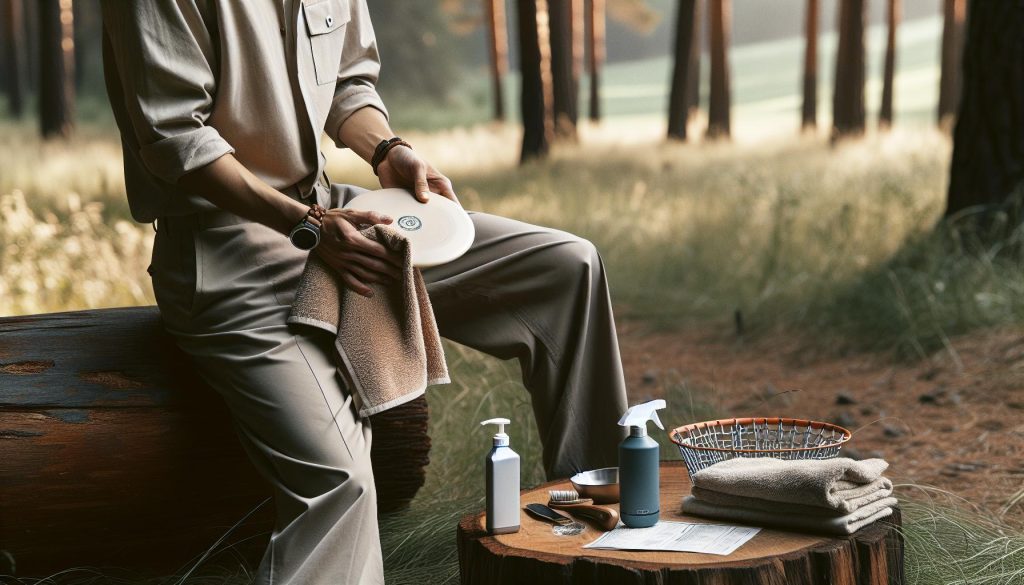
When it comes to maintaining your disc golf discs, many players wonder about the effectiveness and safety of using bleach as a cleaning method. While keeping your discs in top shape is essential for optimal performance on the course, using harsh chemicals can often lead to more harm than good. This article will delve into the best cleaning methods for disc golf discs, exploring the potential risks of bleaching and offering safer, efficient alternatives. As you strive to enhance your game, understanding how to properly care for your equipment will not only extend its life but also improve your overall throwing experience. Join us to uncover the secrets to keeping your discs clean and ready to fly straight and true!
Can You Bleach a Disc Golf Disc? Understanding the Basics

Cleaning your disc golf discs effectively can prolong their life and maintain optimal performance, but can you bleach a disc golf disc? While some players consider bleach for its strong disinfecting and whitening properties, it’s essential to understand the potential risks that come with it. Most disc golf discs are made from durable plastics, but these materials can be sensitive to harsh chemicals. Bleach can break down the plastic over time, potentially affecting the disc’s flight characteristics and integrity.
When pondering the use of bleach, it’s critical to remember that all discs are not created equal. Factors such as the type of plastic and the manufacturer’s specifications can influence how a disc responds to cleaning methods. For instance, some premium plastics may resist damage better than others, but the use of bleach still risks discoloration and may compromise the disc’s surface. Furthermore, the impact of bleach on the grip and feel of a disc can be considerable, both altering your throwing mechanics and your overall performance in the game.
Ultimately, while bleach might seem like a quick and effective solution for stubborn stains, using alternatives could yield better results without risking damage. Many players have found success with milder cleaning agents or natural solutions which can clean effectively while preserving the disc’s finish and integrity. It’s advisable to test any cleaning method on a less valuable disc first to gauge the results and mitigate any potential disaster to your main throwing discs. Prioritizing safe, effective cleaning practices ensures you maintain the quality of your equipment, allowing you to focus on improving your game and enjoying the sport.
The Importance of Proper Disc Cleaning and Maintenance
Cleaning and maintaining your disc golf discs is essential for ensuring optimal performance, safety, and longevity. A clean disc not only looks good but also flies true, maintaining its designed flight path and grip. Over time, dirt, grime, and scuffs from use can accumulate on disc surfaces, affecting aerodynamics and even changing how a disc feels in your hand. This can be particularly detrimental for competitive players who rely on precision and consistency.
Regular maintenance routines vary among players, but understanding the fundamentals of proper disc cleaning is key. For instance, after a round, it’s advisable to wipe the disc with a damp cloth to remove dirt, mud, and debris. This simple step can prevent particles from scratching the surface during storage, which might otherwise negatively impact grip. Cleaning not only preserves the visual appeal of your disc but also extends its life, allowing you to invest wisely in your equipment while avoiding premature replacements.
Emphasizing Safety and Performance
When discussing cleaning practices, safety must also be a priority. Using strong chemicals-like bleach-can compromise the structural integrity of your disc. Recognizing the types of plastics used in disc manufacturing aids in selecting appropriate cleaning methods. For example, premium plastics may offer more resilience, but even then, harsh treatments can yield unforeseen consequences, including warp or loss of how the disc interacts with air during flight. Always test any new cleaning technique on a less valuable disc first to evaluate its effectiveness and ensure no damage occurs.
Moreover, community-driven insights about cleaning methods and products can significantly enhance your approach. By sharing experiences and tips with fellow players, you can discover efficient, safe cleaning solutions that prioritize both performance and care. Whether you prefer natural cleaners like vinegar and baking soda or gentler commercial products, maintaining your discs ensures that you’re always ready to play your best game. This commitment to upkeep not only maximizes your equipment’s lifespan but also aligns with the growing respect for disc golf as a serious athletes’ pursuit, showcasing your dedication to the sport.
Natural vs. Chemical Cleaning: What You Need to Know

Natural cleaning methods for disc golf discs are gaining popularity among players who are increasingly conscious of the impact of harsh chemicals on their equipment and the environment. Options like vinegar, baking soda, and gentle soap not only provide effective cleaning solutions but also protect the integrity of the disc’s material. Natural cleaners are typically milder and less likely to compromise the surface or performance of your disc, making them an excellent choice for regular maintenance.
Using vinegar, for instance, offers a non-toxic way to lift stains and odors. To create a cleaning solution, mix equal parts water and vinegar, then apply it to the disc with a soft cloth or sponge, rinsing thoroughly afterward. Baking soda is another versatile cleaning agent-its gentle abrasiveness can help remove stubborn scuffs without scratching the plastic. A simple paste made from baking soda and water can be applied to affected areas for deep cleaning. These methods not only enhance the appearance of your disc but also ensure that its flight characteristics remain unaffected.
On the other hand, while chemical cleaners, including bleach, may seem effective for tougher stains, they pose significant risks. Harsh chemicals can weaken the structural integrity of the disc, leading to deformation or reduced flight performance. For serious players, maintaining the disc’s flight stability is crucial; therefore, relying on chemical cleaners should be approached with caution. It’s prudent to test any new chemical cleaner on a less valuable disc to assess its effects before using it on your primary gear.
Ultimately, the choice between natural and chemical cleaning methods should align with your priorities as a player. If preserving the longevity and performance of your disc is at the forefront of your maintenance routine, natural cleaning solutions provide a safe, effective alternative that respects not only the equipment but also the growing ethos of sustainability within the sport of disc golf. As you take pride in the upkeep of your discs, you also contribute to a culture that values both equipment care and environmental consciousness.
How to Safely Bleach a Disc Golf Disc: Step-by-Step Guide
Using bleach to clean your disc golf disc can seem like an enticing solution for removing stubborn stains, but it requires careful consideration and a precise approach to avoid damaging your equipment. Before diving into the steps, it’s essential to understand that while bleach can offer effective stain removal, it also poses risks to the integrity and flight characteristics of your disc. If you decide to proceed, follow these steps to ensure you do so safely.
Step-by-Step Guide to Bleaching Your Disc Golf Disc
- Gather Your Materials: You’ll need:
– A mild bleach solution (preferably 10% bleach with water)
– A small basin or bucket
– Soft cloths or sponges
– A pair of gloves
– Water for rinsing
- Prepare the Bleach Solution: Mix one part bleach with nine parts water to create a diluted solution. This concentration helps minimize potential damage to the disc’s material while still being effective against stains.
- Test a Small Area: Before applying the solution to the entire disc, test it on a small, inconspicuous area. This step is crucial to evaluate the effect of the bleach on the plastic without risking the entire disc.
- Soak the Disc: Place the disc in the basin filled with the bleach solution, ensuring it is completely submerged. Let it soak for no longer than 10-15 minutes. Keep an eye on the disc to observe any adverse reactions.
- Gently Scrub: After soaking, use a soft cloth or sponge to gently scrub stained areas. Avoid vigorous scrubbing, which could scratch the surface.
- Thoroughly Rinse: Once the stains have lifted, rinse the disc thoroughly under running water to remove any residual bleach. It’s vital to ensure that all bleach is washed away to prevent long-term damage.
- Dry Properly: Lay the disc flat on a clean surface or hang it to dry away from direct sunlight. This helps maintain its shape and finish.
- Inspect for Damage: Once dried, check for any signs of discoloration or deformity. If all looks good, you can return it to your bag and continue enjoying your game.
While bleaching can be effective for specific cleaning needs, be mindful that harsh chemicals can compromise the disc’s performance over time. Always weigh the benefits against the potential for damage and consider using this method sparingly. For regular maintenance, natural cleaning methods, like vinegar or gentle soap, are often safer and just as effective. Remember, keeping your disc golf discs in top condition not only extends their lifespan but also ensures you can rely on their performance during your rounds. Happy throwing!
Best Practices for Removing Stains and Scuffs
Having a clean disc golf disc not only improves its appearance but can also enhance your performance on the course. Stains and scuffs are common oversights that can affect how your disc performs, making knowledge about effective cleaning techniques essential for every disc golfer, whether you’re a novice enjoying your first rounds or a seasoned competitor aiming for precision in every throw.
When it comes to removing stains and scuffs, the best practices start by understanding your cleaning options based on the type of stain and the condition of your disc. For typical dirt and grass stains, a simple mixture of warm water and mild dish soap can do wonders. Use a soft cloth or sponge to gently wipe the disc, avoiding any abrasive materials that could scratch the surface. After cleaning, always rinse thoroughly to ensure that no soap residue remains.
For more stubborn stains like those from mud or chocolate, a two-step approach might work best. Start with the soap and water method. If stains persist, consider using a specialized cleaning solution designed for disc golf discs. These solutions are often formulated to be gentle on the disc material yet tough on stains. Apply the cleaner to a cloth rather than directly on the disc, and then gently scrub the affected areas to lift the stain without damaging the integrity of the disc.
Prevention and Care
To minimize stains, make it a habit to clean your disc after each use. Keeping a small water bottle and cloth in your disc bag can encourage you to maintain your discs regularly, ensuring they perform well and look great. Additionally, during transportation, store your discs upright and in a padded case to prevent scuffs and scratches from other gear.
Following these practices not only preserves the disc’s aesthetics and performance but fosters a deeper respect for your gear. Just like any other sports equipment, treating your discs well will pay dividends in your confidence and enjoyment on the course. Happy cleaning and even happier throwing!
Alternative Cleaning Methods: Vinegar, Soap, and More
Cleaning your disc golf discs is not just about aesthetics; it plays a significant role in maintaining their performance and longevity. Many players overlook alternate cleaning methods, but natural solutions like vinegar and mild soap can effectively tackle stains without risking damage to the disc material. Vinegar, for example, is a fantastic option due to its acidity, which helps break down residues and stains, making it less abrasive than harsher chemicals.
To use vinegar effectively, consider the following method: mix equal parts of white vinegar and warm water in a bowl. Soak a soft cloth or sponge in this solution and gently wipe down your disc. After applying the vinegar solution, rinse the disc thoroughly with clean water to remove any lingering vinegar, which can create unpleasant odors or residue. This method is particularly useful for tackling dirt and mud stains that often cling to discs after a day on the course.
Another natural alternative is mild dish soap. As mentioned earlier, a simple solution of warm water and dish soap can handle most common stains. It’s important to use a non-abrasive cloth to apply the soap mixture to prevent scratching the disc’s surface. Following the wash, give your disc a thorough rinse to ensure no soap is left, which could alter the grip and flight characteristics of the disc.
Other Natural Options
In addition to vinegar and soap, consider these options for a more sustainable approach to cleaning:
- Baking Soda: Mix with water to form a paste for scrubbing stubborn spots.
- Olive Oil: Can be used in small amounts for scuff marks but should be wiped clean thoroughly.
- Hydrogen Peroxide: A mild disinfectant that can also whiten and brighten the disc without the harshness of bleach.
Using these alternatives not only helps maintain your gear but also aligns with the ethos of being environmentally friendly. As you explore these options, remember that regular maintenance and cleaning after each round can prevent the buildup of tough stains, ensuring your discs stay in prime condition, ready for your next throw on the course. Happy cleaning!
What to Avoid: Risks of Incorrect Cleaning Techniques
Cleaning your disc golf discs can greatly affect their performance, and making mistakes during this process can lead to unwanted damage. One of the most critical points to understand is that not all cleaning methods are safe for the unique materials used in disc golf discs. For instance, using harsh chemicals or abrasive materials can degrade the disc’s structure, resulting in changes to its flight path or grip, which are crucial for serious players looking to maintain their competitive edge.
Bleaching a disc is often considered for removing stubborn stains, but it poses significant risks. The harsh chemicals in bleach can weaken the plastic, leading to cracks or warping that could compromise the disc’s integrity. Instead of brightening your disc, you might end up with a piece that is less stable in flight or one that can break easily during use. The vibrant colors and designs that many players love can also fade or discolor, diminishing the overall aesthetic.
When it comes to scrubbing, using abrasive pads or cloths represents another common pitfall. These can cause micro-scratches on the disc’s surface, affecting its aerodynamics, which could cause a shift in how it slices through the air. Instead, always opt for soft, non-abrasive sponges or cloths to preserve the integrity of the disc’s surface.
In addition, skipping the rinsing step after using cleaning solutions can create unwanted residue. For example, soap that isn’t thoroughly washed off can alter the grip, impacting throws during play. Always ensure your disc is rinsed well and dried properly before storing or using it. Remember, a bit of care during cleaning not only prolongs the life of the disc but also enhances your performance on the course.
The Impact of Disc Cleaning on Performance
Cleaning your disc golf discs does more than just improve their appearance; it can significantly influence how well they perform on the course. A clean disc provides a smoother surface, allowing for better grip and improved aerodynamics, which are crucial for accurate throws and distance. When dirt, grime, or oils from your hands accumulate on a disc, they can alter its flight characteristics, leading to unexpected results when you release the disc. Players often underestimate the importance of cleaning their discs, but regular maintenance can mean the difference between a successful throw and a frustrating misfire.
While many players wonder about using strong cleaning agents like bleach to brighten their discs, this approach can backfire. The harsh chemicals in bleach can compromise the disc’s material, leading to weakening that may not be immediately visible but can affect flight stability over time. A disc that has weakened can exhibit a change in its flight path, meaning that the same throw will yield different results, potentially impacting your game strategy. Maintaining the integrity of your disc through proper cleaning methods ensures that you can rely on its behavior during play.
Furthermore, a disc that is well-maintained not only performs better but also lasts longer. By avoiding abrasive scrubbing tools or harsh chemical cleaners and instead opting for gentle methods-such as using mild soap and soft cloths-you help preserve the disc’s design and overall structure. This attention to detail can prolong the lifespan of your equipment, maximizing your investment and enhancing your experience on the course.
Ultimately, the time spent on cleaning can greatly affect your performance. Consistent care can lead to improved throws, better consistency, and a more enjoyable overall experience. If you’re passionate about your game, taking the extra steps to keep your discs in top shape is well worth the effort.
Real Player Experiences: Cleaning Tools and Tips
When it comes to keeping your disc golf discs in top shape, the right cleaning tools and techniques can make a significant difference in both aesthetics and performance. Many players have shared valuable insights into what works best for them, and if there’s one thing that stands out, it’s the preference for gentle, effective solutions over harsh chemicals like bleach. For instance, experienced players often recommend using mild dish soap combined with warm water for regular cleaning sessions. This simple mix effectively removes dirt and oils without compromising the integrity of the disc.
One popular method among the disc golf community is the two-bucket approach: one for soapy water and another for rinsing. After soaking the disc in the soapy solution for a short time, players use a soft cloth or sponge to gently scrub the surface, focusing on any scuffs or stains. Rinsing in clean water not only removes soap residue but also ensures that no abrasive materials are left to scratch the disc. Following up with a quick dry using a microfiber cloth can help prevent water spots and keep the disc looking pristine.
Many players also emphasize the importance of having a dedicated cleaning kit. Items like soft brushes, microfiber cloths, and eco-friendly cleaning solutions can enhance the cleaning process. For example, several brands offer specialized disc cleaning sprays that are safe for all plastics and effectively lift grime without leaving harmful residues. Keeping these tools handy can encourage regular maintenance, which is key to preserving the flight characteristics and longevity of the disc.
Lastly, community members often share their own cleaning anecdotes, swearing by alternative methods such as vinegar for tough stains or even using baking soda to tackle more stubborn marks. These natural solutions not only provide an effective cleaning option but also appeal to environmentally-conscious players. Engaging with fellow disc golfers on forums or at events can yield a wealth of ideas and tips-don’t hesitate to experiment and find out what works best for you! Remember, a clean disc not only performs better but also reflects your passion for the game, allowing you to enjoy every throw with confidence.
Maintaining Disc Longevity: Storage and Care Techniques
To maximize the lifespan and performance of your disc golf discs, proper storage and care techniques are essential. A crucial factor to remember is that temperature and humidity can significantly affect the integrity of plastic materials used in discs. For instance, exposing your discs to extreme heat or direct sunlight can warp them, altering their flight characteristics. Ideally, store your discs in a cool, dry place away from sunlight.
When it comes to storage solutions, consider using a dedicated disc bag with compartments. Not only do these bags protect your discs from scratches and physical damage, but they also allow for easy access during a round. Many players prefer bags with padded compartments to minimize impact and jostling during transportation. If you’re a serious competitor, investing in a quality bag can help keep your collection organized and in prime condition, ready for the next tournament or casual round.
In addition to proper storage, consistent maintenance plays a vital role in disc longevity. After playing, take a moment to check your discs for any scuffs or dirt, as debris can lead to long-term damage if left unattended. Regular cleaning, as discussed earlier, helps maintain the surface of the disc, but don’t overlook the importance of inspecting your discs for any signs of wear, such as deep scratches or cracks.
A great practice is to rotate your discs frequently. This not only helps prevent any single disc from wearing out too quickly but also allows you to become familiar with how different discs handle in various conditions. Engaging with the disc golf community can provide additional insights into effective storage and care practices tailored to specific disc models and personal preferences. Remember that a well-cared-for disc not only lasts longer but will also perform consistently, helping you improve your game on the course.
Community Insights: Best Products for Disc Cleaning
For many disc golf enthusiasts, maintaining the cleanliness and appearance of their discs can enhance not only their look but also their performance on the course. In the community, discussions often revolve around finding the best products for cleaning disc golf discs effectively and safely. Here are some popular recommendations that have gained traction among players:
A widely appreciated cleaning solution is specialized disc cleaning sprays that are designed specifically for the materials used in disc golf discs. These products are typically alcohol-free and formulated to remove dirt, grime, and even some stubborn scuffs without damaging the disc’s surface. Look for brands like Dynamic Discs or Innova, which offer cleaning sprays that players trust for their effectiveness and safety.
When it comes to maintaining the texture that allows for grip and control, many players swear by microfiber cloths for wiping down their discs. Microfiber is gentle and highly absorbent, making it perfect for a quick cleanup without scratching the surface. Some players also recommend soft-bristle brushes for removing debris that may cling to the disc during play, ensuring a thorough cleaning without risking damage.
In addition to commercial products, plenty of players have shared their DIY cleaning solutions, such as a mixture of vinegar and water for natural cleaning. This method is particularly appealing to those who prefer using household items over chemical solutions. However, it’s crucial to test any homemade mixture on a less-used disc first to ensure it doesn’t negatively affect the plastic.
To encapsulate, using the right cleaning products not only preserves the aesthetics of your discs but can improve their performance by maintaining optimal grip and minimizing wear. Sharing experiences and tips with fellow enthusiasts can provide fresh ideas and insights, making the maintenance of your disc golf equipment a community-driven effort that enhances everyone’s game.
When to Replace Your Disc: Signs of Wear and Tear
Determining when to replace your disc golf disc is crucial for maintaining optimal performance and enjoying the game. Discs are designed to endure the rigors of frequent play, but even the best plastic can show signs of wear that affect their flight characteristics. Understanding these signs can help you make informed decisions about your equipment.
One of the most noticeable indicators that it may be time to replace a disc is the presence of deep scratches or gouges. Such damage can alter the disc’s aerodynamics, causing erratic flight paths that can frustrate even experienced players. If you find that your disc is consistently fading or turning unexpectedly during throws, this could be a sign that its surface integrity has compromised.
Additionally, discs that feel significantly more flexible or have lost their stability may need to be retired. Over time, the plastic can wear down, and if a disc feels overly soft or is warped, it may not flight as intended. Keep an eye on the disc’s rim; if it appears chipped or if the edge is rounded off, the performance is likely affected. Regularly examining your discs for these physical changes will help ensure that you’re throwing with optimal equipment.
For competitive players, the disc’s overall grip and texture are also vital components for reliable performance. If you notice that the disc’s surface has dulled despite your cleaning efforts, it might hinder your ability to achieve the necessary spin and control. It’s worth maintaining a rotation of fresh discs to ensure that you always have reliable options in your bag.
In summary, awareness of wear indicators not only prolongs your enjoyment of the sport but also enhances your performance on the course. By monitoring the condition of your discs, you’re not merely playing; you’re ensuring that you are performing at your best. Each throw matters, and having the right tools-discs that maintain their shape, stability, and grip-is essential in disc golf.
Frequently asked questions
Q: Can you bleach a disc golf disc to remove stains?
A: Yes, you can bleach a disc golf disc to remove stubborn stains. However, it’s crucial to dilute the bleach with water to reduce the risk of damaging the plastic. Use a mixture of 1 part bleach to 10 parts water, and always rinse thoroughly after cleaning.
Q: What are the best practices for cleaning a disc golf disc?
A: The best practices include using warm soapy water for regular cleaning, avoiding abrasive materials that could scratch the surface, and allowing the disc to air dry completely before storage. For tougher stains, consider using a diluted bleach solution, but follow safety guidelines.
Q: Are there any risks involved in using bleach on disc golf discs?
A: Yes, using bleach incorrectly can weaken the disc’s plastic and affect its flight characteristics. Prolonged exposure or high concentrations can lead to cracks or warp. Always perform a spot test and dilute bleach properly to minimize risks.
Q: How do you clean a disc golf disc with soap and water?
A: To clean a disc golf disc with soap and water, mix a few drops of mild dish soap in warm water. Use a soft cloth or sponge to scrub the disc gently, focusing on stained areas. Rinse it clean with water and let it dry before storing.
Q: Can vinegar be used as an alternative cleaning method for disc golf discs?
A: Yes, vinegar can be used as a natural cleaning alternative. Mix equal parts vinegar and water, apply it to the stained areas, and let it sit for a few minutes before scrubbing. Rinse thoroughly to remove any vinegar residue.
Q: Is it safe to use rubbing alcohol on disc golf discs?
A: Rubbing alcohol can be safe for cleaning disc golf discs, especially for removing sticky residues or oils. Use it sparingly and rinse afterward to prevent any potential damage to the disc material.
Q: How can I maintain the longevity of my disc golf discs?
A: To maintain the longevity of your disc golf discs, store them in a cool, dry place away from direct sunlight, regularly clean them after use, and avoid excessive contact with rough surfaces. Proper care will help preserve their performance over time.
Q: When should I consider replacing my disc golf disc?
A: You should consider replacing your disc golf disc if you notice significant wear, such as deep scratches, warping, or loss of stability during flight. Regularly inspect your discs for these signs to ensure optimal performance on the course.
Key Takeaways
Thanks for tuning in to our exploration of cleaning methods for disc golf discs, including the impact of bleach. Remember, maintaining your discs not only enhances their performance but also prolongs their lifespan. If you’re ready to give your gear the care it deserves, why not check out our step-by-step guide on the best cleaning techniques?
Looking for more insights? Explore our articles on disc flight characteristics and the latest disc golf equipment reviews to elevate your game. Have questions or experiences to share? Drop a comment below or connect with us on social media-we’d love to hear from you! Don’t forget to subscribe to our newsletter for the latest tips and tricks directly to your inbox. Keep playing, keep learning, and enjoy every throw!
Get our latest guides, news, and insights highlighted in your Google Search & AI Overviews.