
When it comes to keeping your disc golf gear in top shape, you might wonder: can you put discs in the dishwasher? This practical concern speaks to many athletes who want to maintain the integrity and performance of their discs while tackling inevitable dirt and grime from the course. Cleaning discs properly not only enhances their flight characteristics but also extends their lifespan, ensuring that every throw remains as powerful and precise as possible.
The good news is that there are effective methods to clean your discs without damaging them, but the dishwasher might not be the best choice for everyone. In this article, we’ll delve into care tips that will keep your discs looking fresh and performing at their best. Whether you’re a seasoned pro or a newcomer to the sport, understanding the right cleaning techniques is essential for preserving your investment and maximizing your enjoyment on the course. So, let’s explore the best practices for disc care and the advantages of proper maintenance!
Can You Safely Wash Discs in a Dishwasher?
Washing discs in a dishwasher is a topic that often sparks debate among enthusiasts and collectors alike. On one hand, using a dishwasher can save time and effort, eliminating the need for manual scrubbing. However, this convenient method carries certain risks that warrant careful consideration. The primary concern is that the high heat and powerful jets of water can potentially warp or damage discs, particularly those made from softer plastics. Certain manufacturer recommendations suggest avoiding dishwashers altogether for specific types of discs, while others may be more resilient.
Many disc owners have found success washing their discs in the dishwasher, especially if the discs are constructed from durable material designed to withstand higher temperatures. Before you decide to take the plunge, check whether your discs are dishwasher-safe. If you choose to wash your discs this way, it’s crucial to position them carefully. Place them in an upright position in the top rack, away from the heating element and any potential contact with other items that may scratch their surfaces. Additionally, selecting a gentle cycle with a cooler temperature can minimize risks associated with heat damage.
It’s essential to emphasize that while washing discs in a dishwasher can yield sparkling results, alternative cleaning methods may be safer for more delicate discs. Using a simple mixture of warm water and mild soap, along with a soft cloth or sponge, can effectively remove dirt and grime without the risk of damage. This method not only preserves the integrity of the disc but also allows for more control over the cleaning process, making it a preferred choice for many collectors and players alike.
Understanding the Risks and Benefits

Washing discs in a dishwasher can evoke both enthusiasm and apprehension among enthusiasts. The allure of effortlessly achieving a sparkling clean surface is tempting, especially after a long day on the course, but potential risks loom large. Understanding both the benefits and the hazards of this cleaning method is crucial for maintaining your discs in optimal condition.
Benefits of Washing Discs in a Dishwasher
Using a dishwasher offers an easy, hands-free cleaning solution that can save you time and effort. The high-powered jets of water and heat effectively remove dirt, grime, and other contaminants that accumulate on discs during play. For players using durable, high-quality plastics designed to withstand varying temperatures, washing in a dishwasher can yield superb results. Stepping onto the course with freshly cleaned discs not only enhances your confidence but also improves your grip and throwing accuracy.
Risks to Consider
However, not all discs are created equal, and the high heat and strong water pressure present in dishwashers can pose risks, particularly for softer plastics or older discs. Warping, scratching, or losing the disc’s aerodynamics can result if precautions aren’t taken. Additionally, certain manufacturers explicitly recommend against using dishwashers for their products. Therefore, evaluating the material and construction of your discs is essential before deciding to use this method.
In conclusion, while the convenience of a dishwasher is appealing, weighing the risks is imperative. If you choose to proceed, ensure you place the discs in a safe position, use a gentle cycle, and be mindful of the materials involved. This balanced approach will help protect your discs and enhance their lifespan while keeping your playstyle at its best.
Types of Discs: Which Can Go in the Dishwasher?
Washing discs in the dishwasher can be an appealing option for players looking to maintain the cleanliness of their gear without the hassle of manual cleaning. However, one of the critical aspects to consider is the type of disc you are dealing with, as different materials can react quite differently to the dishwasher’s washing environment.
Most commonly, plastic discs are made from durable materials designed to withstand the rough-and-tumble world of disc golf. Discs made from high-quality polymers like blended plastics are generally more resilient and can handle the hot water and strong jets of a dishwasher. Examples include brands like Innova, Discraft, and Latitude 64, which often use advanced plastic formulations that are robust enough for machine washing under controlled conditions. These discs can often emerge cleaner without significant wear or distortion.
On the other hand, softer plastics, often featured in discs designed for maximum grip and feel, should be approached with caution. Discs made from rubbery blends or low-grade plastics can warp, scratch, or lose their intended flight characteristics when subjected to the high heat and pressure inside a dishwasher. Examples of these more delicate discs are putters with textured surfaces or discs targeted at recreational players rather than competitive ones.
Before throwing any disc into the dishwasher, it’s wise to do a quick assessment of its condition and purpose. Discs that are older, have sentimental value, or are intended for serious competitive play are typically better off being cleaned by hand with a gentle soap and water solution. If you’re unsure of your disc’s material or its manufacturer’s recommendations, opts for hand cleaning to be on the safe side.
In summary, while certain types of plastic discs can indeed be washed in the dishwasher without issue, caution is warranted, particularly with softer or older discs. Ensuring you understand your disc’s material is crucial for protecting your investment and keeping your gear in top condition for the next round on the course.
Step-by-Step Guide: How to Clean Discs Effectively
Cleaning your discs effectively can enhance their performance and longevity. Whether you’re a seasoned player or new to disc golf, understanding the right method significantly impacts how your gear performs on the course. Here’s a straightforward guide to getting your discs clean with minimal hassle.
Start by assessing whether your disc is dishwasher-safe. High-quality plastic discs, like those made from advanced polymer blends found in brands such as Innova or Discraft, can typically withstand the dishwasher’s environment. Collect your discs and ensure they are free from heavy dirt or debris. Rinse them under running water to remove any loose contaminants.
Next, place the discs in the dishwasher. To ensure they remain secure, arrange them on the top rack, as this area is less exposed to heat and pressure. It’s wise to avoid overcrowding, as this can lead to scratches. Also, disable the heated dry function; excessive heat could distort softer plastics. Choose a gentle wash cycle, ideally one designed for glass or delicate items.
Once the cycle is complete, carefully remove the discs. It’s best to air dry them rather than using a towel, as this can prevent inadvertently scratching the surface. Place them upright in a dish rack or on a clean towel, allowing airflow around them to evaporate any remaining moisture.
Inspect your discs for any signs of damage post-cleaning. If a disc shows warping or fading, reconsider its place in your rotation. Regular maintenance, including occasional washes combined with hand cleaning using mild soap for really grimy discs, can keep your gear in optimal condition. Remember, maintaining your discs isn’t just about cleanliness-it’s key to ensuring consistent performance when you step onto the course.
Best Dishwasher Settings for Cleaning Discs

Getting your discs spotless and ready for action requires selecting the right dishwasher settings. Many disc golfers are unaware that choosing the correct cycle can significantly impact the cleaning process without damaging their equipment. By leveraging the features of your dishwasher, you can ensure a thorough yet gentle clean that preserves the integrity of your discs.
When loading your discs, always place them on the top rack. This position not only minimizes exposure to the heating element but also allows for better water circulation, ensuring that all areas are cleaned evenly. In terms of the wash settings, opt for a delicate or glassware cycle. These settings generally use lower temperatures and gentler spray action, reducing the risk of warping or scratching on softer plastics. Keep in mind that some dishwashers also have an eco-friendly cycle which conserves water and energy while maintaining effectiveness for light cleaning.
To further protect your discs, disable the heated drying option. High heat can distort the shape of many plastics used in disc manufacturing, leading to performance issues on the course. Instead, let your discs air dry; this method will prevent any potential heat damage while also allowing any residual moisture to evaporate effectively.
Regularly using appropriate settings can prolong the life of your discs. With proper maintenance through mindful cleaning, you’ll find your gear not just looking great but also flying true when you hit the disc golf course. By understanding how your dishwasher works, you can seamlessly integrate this step into your maintenance routine, allowing you to focus more on your game and less on discs care.
Alternative Cleaning Methods for Your Discs
Cleaning your discs doesn’t have to be limited to the dishwasher; there are several alternative methods that can be just as effective and gentle. One popular approach among disc golfers is hand washing, which allows for greater control and minimizes the risk of damage. Start by filling a basin with warm water and adding a few drops of mild dish soap. Allow the discs to soak for a few minutes to loosen any dirt and grime, then use a soft cloth or sponge to gently scrub the surface, paying special attention to the rim and any particularly dirty areas.
Another method many players swear by is using a microfiber cloth. This is especially useful for cleaning the disc’s flight plate, where dirt accumulates most easily. Dampen the microfiber cloth with a small amount of water and a drop of dish soap or a non-abrasive cleaner. Wipe the disc in circular motions; this technique lifts dirt without scratching the plastic. Make sure to rinse the disc thoroughly with clean water afterward to remove any soap residue.
For those hard-to-reach places or stuck-on debris, a soft toothbrush can be an excellent tool. The bristles are gentle enough to avoid scratching while providing enough scrubbing power to dislodge stubborn dirt. Simply moisten the toothbrush and lightly scrub the affected areas, ensuring to rinse the disc well afterward.
Using Natural Cleaners
Many players also prefer natural cleaning solutions. A mixture of water and vinegar can be effective for removing built-up residue and odors. Simply create a solution of equal parts water and white vinegar, soak a cloth in it, and wipe down your disc. Let it sit for a few minutes before rinsing.
- Hand Washing: Fill a basin with warm water and mild soap, soak, and gently scrub.
- Microfiber Cloths: Use dampened cloths for surface cleaning.
- Toothbrush Technique: Employ a soft toothbrush for tough spots.
- Natural Solutions: Try vinegar and water for a gentle clean.
Opting for these alternative cleaning methods not only helps maintain your discs but also allows you to inspect them closely for any potential wear or damage. By integrating a variety of cleaning techniques into your disc maintenance routine, you ensure that your gear stays in top shape, ready for every throw on the course.
Common Mistakes to Avoid When Washing Discs
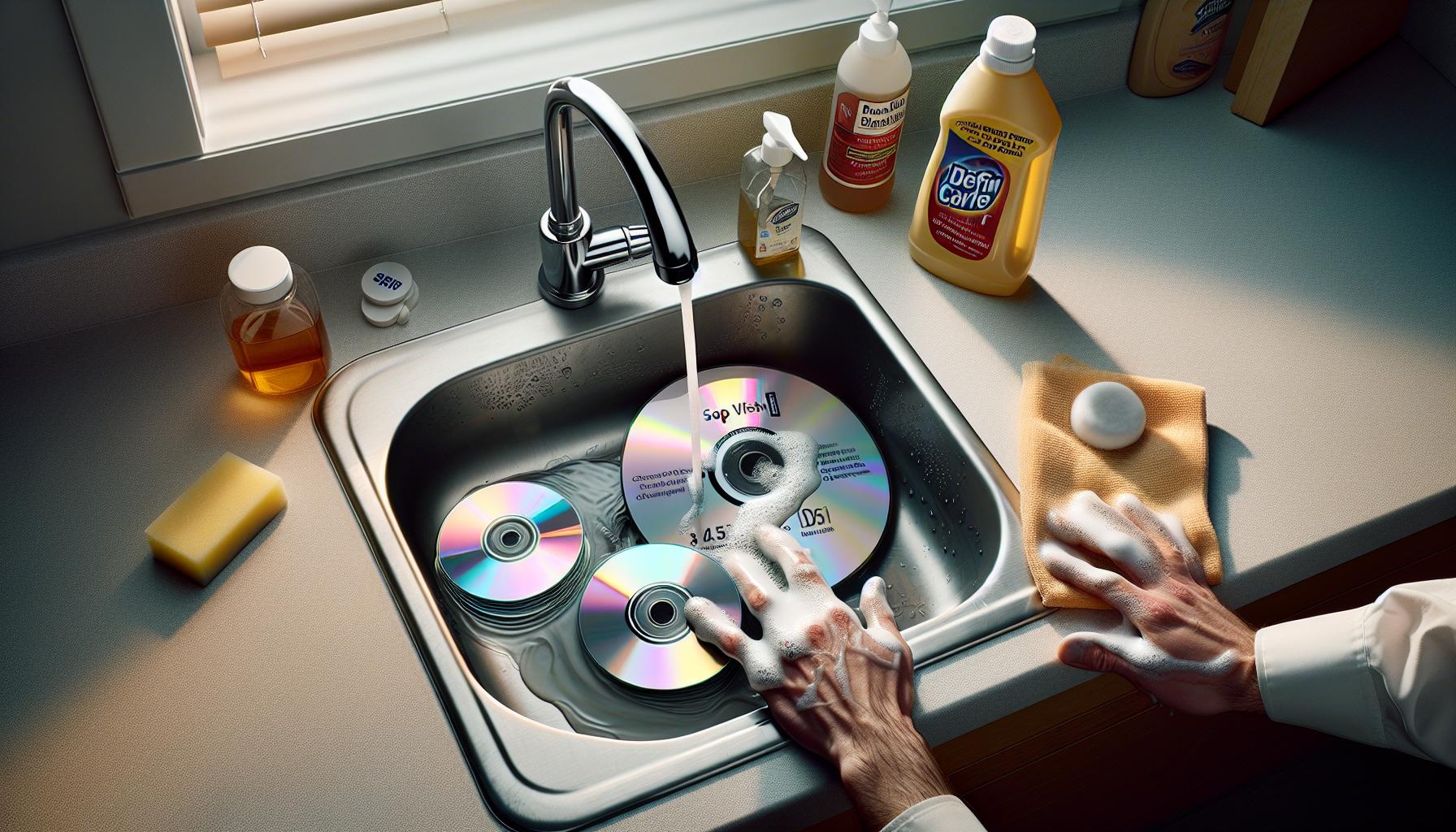
When it comes to cleaning discs using a dishwasher, many players inadvertently make mistakes that can impact their gear’s longevity and performance. One common error is the assumption that any disc can withstand the rigors of a dishwasher. While some discs are more durable than others, many can suffer from warping, scratches, or fading due to the high temperatures and vigorous water jets involved in the cleaning cycle. Always check the manufacturer’s guidelines for specific cleaning instructions to avoid costly damage.
Another pitfall is neglecting to remove stickers or stamps before washing. These identifiers can be made from materials that don’t hold up to heat or moisture, potentially leading to peeling or discoloration. It’s a simple step that can save your discs’ aesthetics and maintain their value. Additionally, failing to secure discs properly in the dishwasher can lead to unnecessary collisions with other items, resulting in chips or dents. Using a dishwasher basket designed for small items can be a great solution to keep your discs safe during the washing process.
Timing is also crucial when it comes to how frequently you put your discs through the dishwasher. Over-washing can strip away the plastic’s protective coating and glare, leading to a decrease in performance on the course. A good rule of thumb is to reserve dishwasher cleaning for when your discs are excessively dirty or have been exposed to tougher elements, rather than using it as a go-to option after every round. Taking the time to gently hand wash more frequently can greatly enhance the lifespan of your gear.
Lastly, underestimating the importance of drying and storage is a mistake many players overlook. Once washed, discs should be dried immediately with a lint-free cloth to prevent water spots or moisture accumulation that can lead to mold. Once dried, store them in a cool, dry place away from direct sunlight. Ignoring proper care and storage can negate all the benefits of cleaning, leaving you with discs that are more prone to damage or that simply don’t perform as well during play. Emphasizing attention to these details will keep your discs in prime condition, ready for every toss and turn on the course.
How to Dry and Store Discs After Cleaning
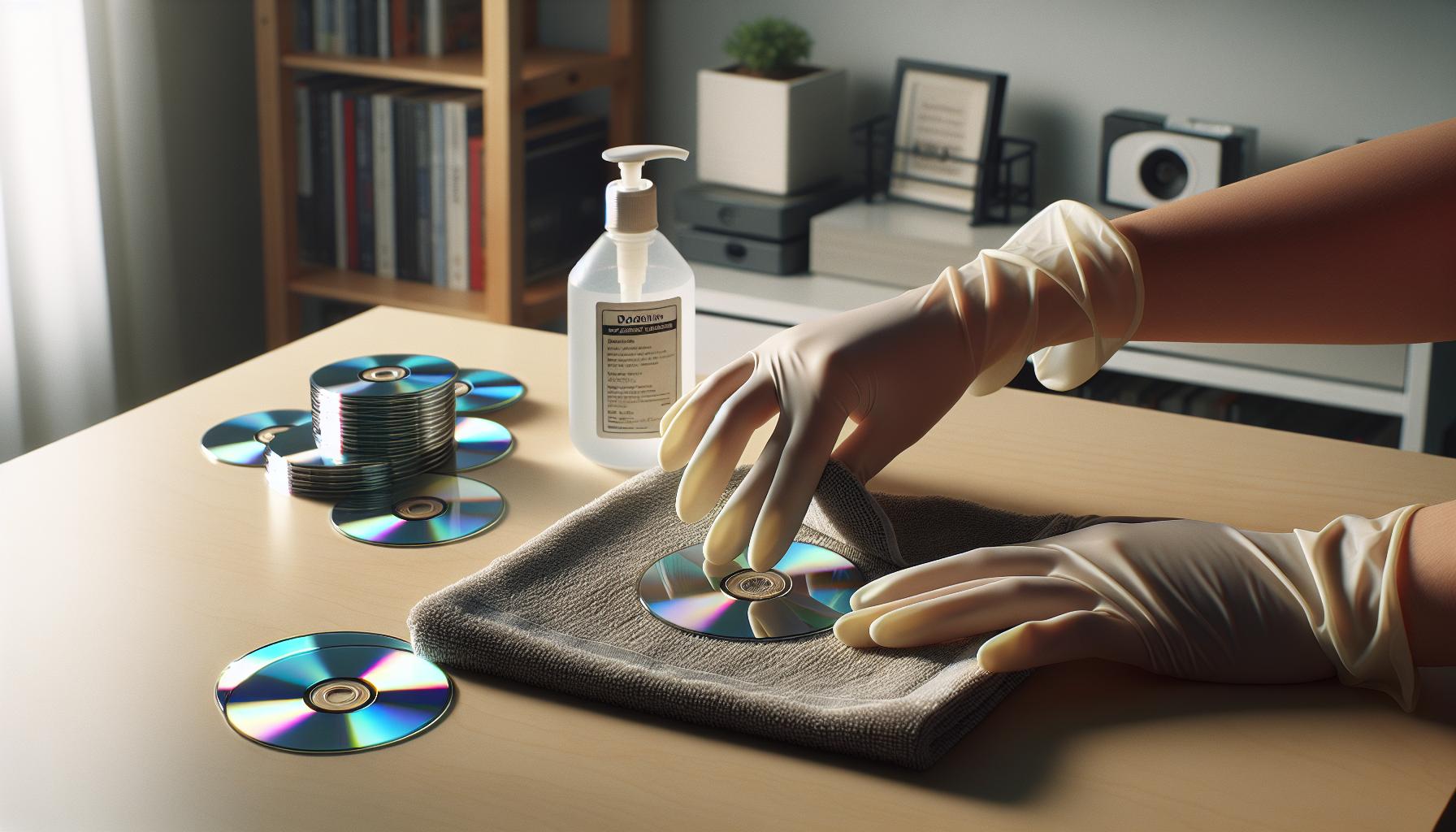
After cleaning your discs, the way you handle their drying and storage can significantly impact their longevity and performance. Proper care in these steps prevents mold and damage, ensuring your discs stay in top condition for your next round. A common tip among seasoned players is to use a lint-free cloth to gently pat each disc dry right after washing, quickly removing any excess water. This is crucial because even small amounts of moisture can attract dirt and lead to potential warping or deterioration of the plastic over time.
Once your discs are dry, the next step is storage. Consider a few best practices:
- Avoid Direct Sunlight: Store your discs in a cool, dark space. Exposure to direct sunlight can lead to fading and a weakening of the plastic material.
- Disc Cases or Stacks: If you’re using a disc bag or case, ensure each disc has enough space to avoid contact with others. Stacking discs can cause scratches or pressure marks if done improperly.
- Temperature Considerations: Keep discs away from extreme temperatures. Storing them in a place that experiences heat fluctuations can lead to warping.
Additionally, creating a designated storage area for your discs can help you keep track of them and prevent any mishaps. Many players find it beneficial to label their disc cases, especially if they have numerous discs with various flying characteristics. This not only speeds up the selection process before a game but also brings an organized touch to your practice routine.
Remember, the benefits of careful drying and storage extend beyond just aesthetics; they maintain the integrity of the disc’s flight dynamics. Discs that are properly cared for tend to respond better in flight, providing you with the performance needed to hone your skills and tackle the course effectively. Implementing these practices will help preserve your gear, keeping you ready for fantastic throws and memorable rounds.
The Impact of Dishwasher Cleaning on Disc Performance
Cleaning your discs can significantly impact their performance, especially when considering how to best maintain their structure and flight characteristics. While the convenience of a dishwasher sounds appealing, it’s important to carefully consider the effects of heat, water pressure, and detergent on these finely crafted flying tools.
When discs are put through a washing cycle, they are subjected to intense conditions that can alter their integrity. High water temperatures and abrasive detergents can compromise the plastic material, potentially leading to warping or loss of grip. Moreover, the force of water jets in a dishwasher might cause lighter discs to bounce around, risking scratches not just to the discs themselves but also to the more delicate designs that players often cherish. These aesthetics can play a critical role in a player’s connection to their gear, as the feel and look of a disc can affect pre-throw confidence.
To safeguard disc performance, manufacturers often recommend washing by hand with mild soap and warm water instead of relying on a dishwasher. This gentle approach minimizes the risk of damaging the disc’s surface and edges. When cleaning, focus on spots that may affect grip, such as the inner rim and flight plate, and use a soft cloth to avoid scratches. If you choose to use a dishwasher, ensure that the settings are appropriate-look for cooler water temperatures and reduce the intensity of the cycle, if possible.
Ultimately, the impact of washing discs in a dishwasher goes beyond cleanliness; it concerns the very characteristics that define their flight. Discs that are well-cared for maintain their shape and weight balance, ensuring reliable performance. By taking a hands-on approach to cleaning, players not only preserve their gear but also retain the subtle nuances that contribute to their success on the course.
Maintaining Your Discs: Care Tips Beyond Washing
Maintaining your discs is crucial for not only their cleanliness but also their longevity and performance. While washing is an essential part of care, there are several other practices every disc golfer should adopt to ensure their gear stays in top-notch shape. Understanding the materials your discs are made of can guide your maintenance routine. For example, discs made of premium plastic may require gentler handling compared to those made from more durable blends.
To extend the life of your discs, always store them properly. Discs should be kept away from extreme temperatures and direct sunlight to prevent warping. Ideally, use a storage bag or a dedicated disc case. This minimizes exposure to damaging environmental factors while making it easy to transport them to and from courses. Additionally, keeping track of your disc’s condition is essential. Regularly inspecting for cracks, gouges, or deformation can help you catch potential issues early.
Another often overlooked aspect is the grip of your discs. Over time, dirt and oils from your hands can accumulate, affecting your throw. Consider using a mild cleaner and a microfiber cloth for regular maintenance beyond washing. By lightly cleaning the rim and flight plate, you can maintain the disc’s grip without risking any damage.
Lastly, don’t forget to rotate your discs in your throwing lineup. Just like any athlete, discs benefit from rest periods. This practice can prevent uneven wear and tear within your collection. Prioritize a mix of your favorite discs and newer ones to keep your game fresh while also extending the lifespan of each disc. By integrating these care tips into your routine, you ensure that your discs remain performance-ready for every round.
When to Replace Discs Instead of Cleaning
Discs are your tools for performing on the course, and just like any piece of equipment, there comes a time when cleaning alone isn’t enough to maintain their performance. Recognizing when to replace your discs instead of relying on washing can be key to ensuring your game stays sharp. A disc that’s heavily worn, significantly warped, or cracked can alter its flight path and ultimately hinder your performance, regardless of how clean it may look.
One major indicator that it’s time to retire a disc is the presence of visible damage. If you spot significant cracks or gouges, these imperfections can lead to unwanted flight changes. Discs are engineered for specific flight characteristics, and damage can severely impact how they behave during throws. Similarly, if you notice a disc feels softer or more flexible than it used to, this could be a sign of degradation in the plastic, leading to a loss of stability and expected distance.
Another crucial aspect to consider is how a disc has changed over time due to wear and tear. Experienced players will often describe the flight evolution of their favorite discs. If a disc that was once overstable has become noticeably understable due to heavy use or wear, you might find yourself compensating in ways that could affect your accuracy and consistency. Understanding the implications of this change will allow you to make more strategic decisions about when to keep or replace your discs.
In situations where you’re uncertain, keep track of your disc’s performance. Are you consistently struggling to achieve the distances or accuracy you expect? If cleaning has not restored your disc to its previous state, it may be worth investing in a new one. A well-maintained collection can greatly enhance your game, allowing for a range of throws and strategies. Remember, it’s about trusting your gear to perform as intended, so if you suspect that a disc is no longer up to the task, it might just be time to let it go for a fresh one.
FAQ
Q: Can all types of discs be washed in a dishwasher?
A: No, not all discs are dishwasher safe. Plastic and rubber discs can often handle the dishwasher, while those with complex designs or sensitive materials, like thin plastic, may warp. Check the manufacturer’s guidelines for specific care recommendations to ensure longevity and performance.
Q: How should I prepare discs for dishwasher cleaning?
A: Before washing, remove any dirt or debris from the discs. You can rinse them under running water to dislodge debris and ensure a thorough cleaning. Place your discs securely in the dishwasher’s top rack to prevent them from moving around during the wash cycle.
Q: What are the risks of putting discs in the dishwasher?
A: The primary risks include warping, fading, and potential damage to decorative elements. High temperatures and harsh detergents can affect the integrity of the plastic. It’s crucial to understand these risks before opting for this cleaning method.
Q: What dishwasher settings are best for cleaning discs?
A: It’s best to use a gentle cycle with cold water or eco-friendly settings. These options reduce the risk of warping and potential damage. Avoid using high-heat or drying settings, as they can harm the discs’ material.
Q: How can I tell if my disc is damaged after dishwashing?
A: Inspect the disc for any visible warping, cracks, or changes in texture after washing. If the disc feels softer or has lost its shape, it’s best to stop using it for play, as these changes can affect performance significantly.
Q: Are there any alternatives to dishwashing for cleaning discs?
A: Yes, handwashing is a safe alternative. Use warm water, mild soap, and a soft cloth or sponge to clean your discs effectively. This method allows for better control and reduces the risk of damage compared to dishwashing.
Q: How often should I clean my discs?
A: Clean your discs after each use, especially if they’ve been exposed to mud or dirt. Keeping them clean minimizes wear and ensures optimal performance. Regular maintenance helps extend the life of your discs.
Q: What should I do if my disc loses its flight characteristics?
A: If a disc starts to lose its flight capabilities, check for any physical damage first. If cleaning and maintenance do not restore its performance, it may be time to consider replacing the disc instead of trying to clean it. For thorough maintenance tips, refer to the section on maintaining discs in our article.
In Summary
Now that you have the essential care tips for your discs, you can confidently keep them in great shape without the dishwasher. Remember, the right care ensures better performance during your throws! If you have any lingering questions or need more advice on disc maintenance, feel free to check out our guides on how to clean your disc golf equipment effectively and understanding disc flight characteristics.
Don’t miss out on more exciting tips and techniques to elevate your disc golf game! Subscribe to our newsletter for updates, or explore our resources for the best tips on equipment specifications and tournament strategies. Join our community by sharing your thoughts in the comments below, and let us know how you care for your discs. Your input helps all players grow in this vibrant sport, so let’s continue to celebrate and elevate disc golf together!
Get our latest guides, news, and insights highlighted in your Google Search & AI Overviews.