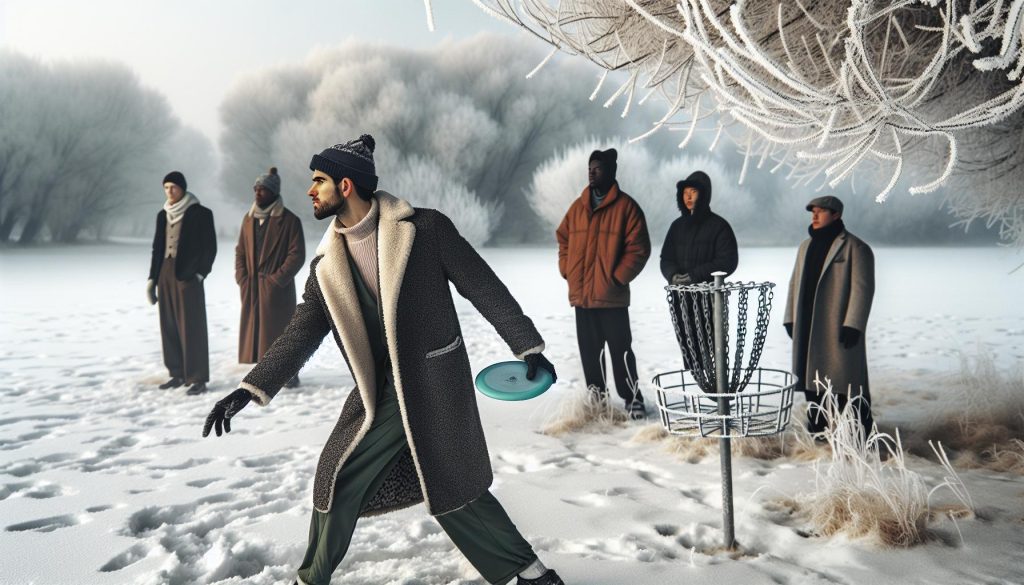
As the temperature drops, the allure of disc golfing doesn’t have to fade; in fact, playing in colder weather can enhance your skills and offer a unique challenge. Understanding how temperature affects disc flight and your throwing mechanics is essential for both enjoyment and performance on the course. In this guide, we’ll explore vital temperature guidelines that cater to everyone’s experience level-from newcomers to seasoned players-illuminating how to optimize your game while staying comfortable. With the right preparation, cold-weather disc golf can be a thrilling adventure, allowing you to connect with nature and fellow enthusiasts even when the chill sets in. Ready to embrace the elements? Let’s dive into the specifics!
Cold Weather Disc Golf Gear: What You Need to Play Warm
To enjoy a round of disc golf in chilly conditions, having the right gear is essential not just for performance but also for comfort and safety. Cold weather can bring unexpected challenges, and inappropriate attire or equipment could quickly derail your experience. Imagine stepping onto the course, feeling cozy and ready to tackle the elements-this is achievable with a strategic selection of gear specifically designed for the cold.
First, layering is crucial. The ideal cold weather setup includes a moisture-wicking base layer, an insulating middle layer (like fleece or a thermal long-sleeve), and a waterproof or windproof outer layer. This approach allows for flexibility; as you warm up from movement, you can adjust your layers to maintain a comfortable body temperature.
- Base Layer: Look for materials like polyester or merino wool that wick moisture away from your skin.
- Insulating Layer: Fleece vests or jackets are lightweight yet warm-perfect for retaining heat without bulk.
- Outer Layer: A good shell jacket that repels wind and rain will be indispensable in keeping you dry and warm.
Footwear is another critical aspect. It’s important to choose shoes with good insulation and traction. Cold, wet conditions can make courses slippery, and a good pair of waterproof shoes will keep your feet dry and warm. Additionally, consider wearing warm socks, preferably wool, which provide insulation even when wet. When it comes to accessories, hats that cover your ears, gloves with a good grip (look for specialized disc golf gloves), and neck gaiters can help retain warmth.
Finally, don’t forget your discs. In cold weather, maintaining the integrity of your discs is important as temperature fluctuations can affect their performance. Storing them in a padded bag and keeping them close to your body when not in use can help maintain optimal grip and flight characteristics. With the right cold weather gear, you can focus on your game, enjoy the beauty of winter disc golf, and push through the challenges of colder temperatures effectively.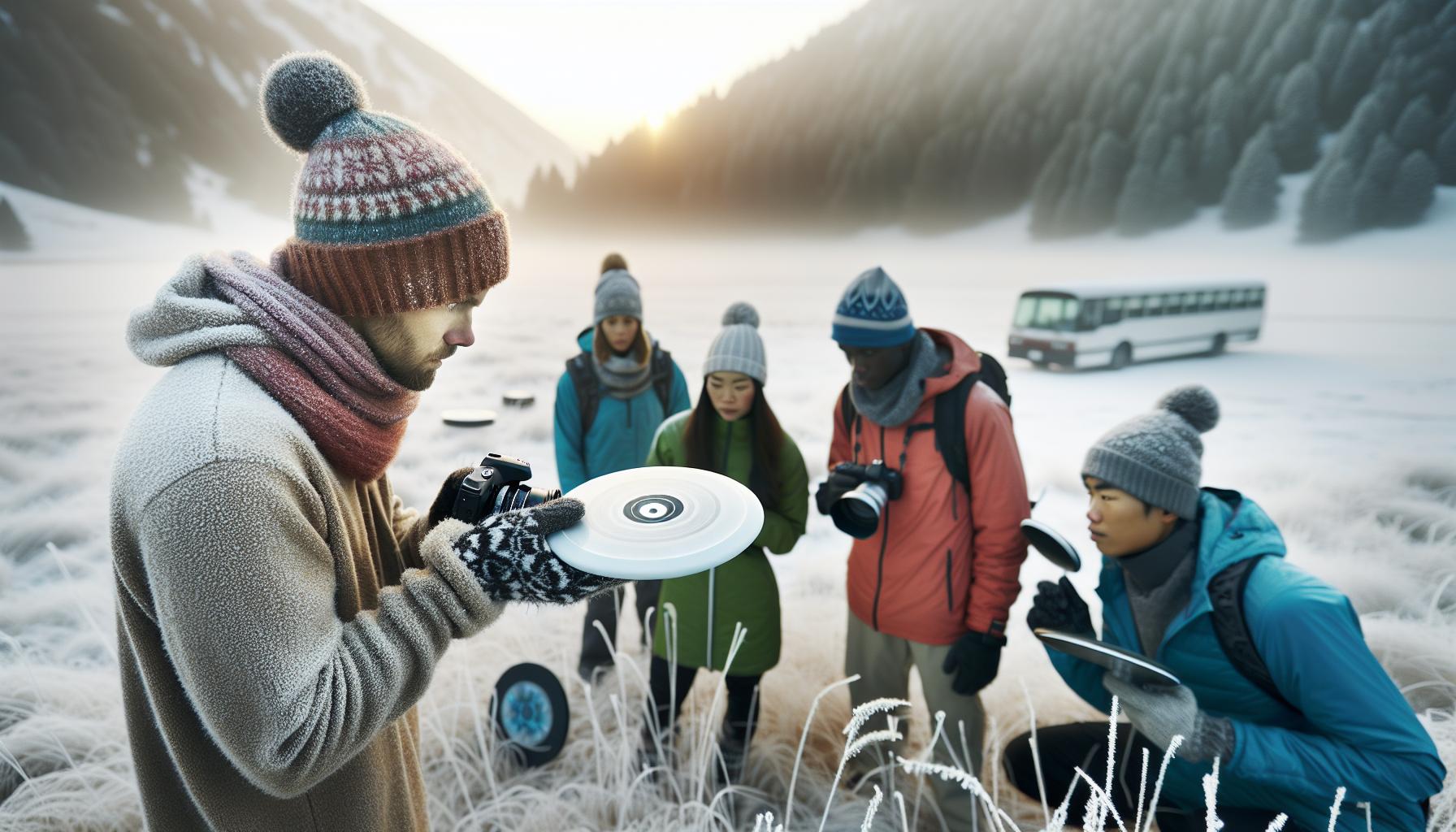
Understanding Disc Flight in Cold Temperatures
When temperatures drop, understanding the impact of cold weather on disc flight becomes essential for any serious disc golfer. Cold air is denser than warm air, which affects the aerodynamics of your discs. This increased density leads to greater drag and can cause discs to lose their speed and stability more quickly than in warmer conditions. As a result, your putters may seem to fly lower, while distance drivers may not reach their full potential. It’s crucial to adapt your techniques and expectations accordingly.
To account for these changes, consider the following adjustments in your throwing technique and disc selection:
Adjusting Your Throw
- Increase Power: You may need to put a bit more power into your throws. The denser air can sap distance; thus, adding extra power helps ensure your disc can achieve a fair distance.
- Modify Release Angle: A slightly higher release angle can help your disc achieve additional lift in colder conditions. Experimenting with small adjustments can make a significant difference in performance.
- Focus on Spin: Greater spin can help combat the drag caused by colder air. Ensure you’re generating enough spin by focusing on a clean release and proper follow-through.
Disc Selection for Cold Weather
Choosing the right discs is another vital part of managing your game in colder conditions. Discs made of softer plastics can become stiffer and less stable in cold weather, which may lead to altered flight paths. Here are some suggestions:
- Durability Over Everything: Opt for more durable plastics designed to withstand temperature fluctuations. Premium plastics tend to handle cold better and maintain their intended flight characteristics.
- Understable Discs: Using slightly understable discs can counter the effects of cold and may provide a more forgiving flight path.
- Choose Reliable Putters: Stick with putters that you know well. Familiarity with how a disc performs in cold can bolster your confidence.
By understanding these nuances in disc flight and taking proactive steps to adapt both your technique and equipment, you can maintain a competitive edge during your winter rounds. Embrace the chill, adjust your game, and enjoy the unique challenges that playing disc golf in cold weather presents!
Essential Throwing Techniques for Winter Weather
When the temperatures drop, adapting your throwing techniques becomes crucial for maintaining distance and accuracy in your game. Cold weather doesn’t just chill your hands; it also changes how your discs behave in flight. To excel in winter disc golf, understanding the effects of cold air and adjusting your mechanics accordingly can help you thrive despite the chill.
One of the first adjustments you should consider is your power output. Cold air is denser, which can create more drag on your discs, often leading to a decrease in their flight distance. To counteract this, `increase the power` behind your throws. Start with your stance and use your legs more actively in your drive to add extra oomph. The goal is to ensure that your disc has enough energy to overcome the thick air and achieve the distance you want.
Additionally, modifying your release angle is essential. A slightly higher release angle can help improve lift, allowing your disc to climb through the denser air. Don’t be afraid to experiment; minor adjustments to your angle can significantly impact your disc’s performance. Keeping a twinkle of positivity in every throw, remember that adjusting your grip and incorporating a stronger follow-through can generate more spin, which is crucial for maintaining stability and distance. The more spin you put on the disc, the better it can slice through the air.
It’s also wise to focus on predictability during winter rounds. Familiarize yourself with how your disc behaves in cold conditions, and choose some reliable discs for this time of year. Practicing these essential throwing techniques in various conditions will enhance your adaptability, allowing you to stay competitive no matter how frosty it gets outside. Keep the spirit of the game vibrant, and you’ll find joy in every round, no matter the temperature!
Adjusting Your Grip and Release in Cold Conditions
When the temperature drops, a player’s grip and release mechanics require careful adjustments to maintain accuracy and distance in disc golf, as colder air can impact disc flight significantly. The chill in the air can lead to reduced dexterity in your fingers, making it crucial to focus on how you grip the disc. First and foremost, ensure you’re bone-dry before your rounds; moisture can worsen the grip. If you find your hands are uncomfortably cold, consider wearing gloves designed specifically for disc golf; some are thin enough to preserve grip while adding warmth.
Additionally, a slightly altered grip can make all the difference when the weather turns frigid. A looser grip generally helps with wrist mobility, allowing for better flicks and snap on your release. This is particularly advantageous when aiming for a longer throw. Conversely, during extreme cold, make a conscious effort to increase the firmness of your grip just before release to prevent any unwanted slips. It’s a fine balance; practice will help you find your sweet spot.
Another critical component of your throw is the release angle. Cold air makes discs feel heavier and less responsive. Therefore, a slight adjustment-like raising your elbow just a bit-can help achieve the necessary lift. Experimentation is key; it’s often beneficial to throw a few practice shots before your round begins. This will enable you to fine-tune your approach and get a feel for how your discs are behaving.
In cold conditions, focus on consistent follow-through mechanics. A strong finish ensures that you maintain control despite the circumstances. Many players find that staying relaxed during the throw can lead to bigger distances; tension can cause more errant flights. So, as you step up to your shot, take a deep breath, visualize your path, and embrace the unique challenges winter disc golf presents. With the right adjustments, you can thrive even on the coldest of days, making every throw count.
Strategies for Cold Weather Course Management
When winter rolls in, maintaining a competitive edge on the disc golf course requires a thoughtful approach to course management. Cold weather can introduce various variables that can affect your performance-from the alteration of disc flight characteristics to changes in course conditions. Understanding these elements can help you to strategize effectively and keep your game sharp.
One of the first strategies to adopt is to assess the course layout and conditions as soon as you arrive. Cold weather can lead to frost or even ice, significantly changing the landscape and influencing your shot selection. Consider making a mental note of areas to avoid, such as slick patches or muddy spots that could hinder your footing. Take time to walk the course before your round, if possible, to identify the best routes and any potential hazards that you might not notice from a distance.
In terms of shot selection, be prepared to adjust to the colder weather. Colder air generally provides more dense conditions which can affect distance. A good rule of thumb is to use slightly more understable discs than you would in warmer temperatures. This will help you counter the extra “bite” from the air. Additionally, aim for greater heights in your throws, as this allows the disc to glide effectively despite the chill.
Another essential aspect is to practice conserving energy throughout your game. Cold weather can be physically taxing, so maintain your stamina by pacing yourself. While it might be tempting to throw extra shots during practice, limit yourself to essential warm-ups. Maintain your focus and keep your body warm by constantly moving; this helps combat the chill and keeps your muscles responsive.
Lastly, don’t overlook the importance of your mental game. Staying focused during the chilly conditions is crucial. Visualize each hole and the shots you plan to take-this mental practice helps in reinforcing strategy and can reduce the anxiety that comes with competing in less-than-ideal weather. Embrace the experience and remember that everyone on the course is facing the same conditions. The key is to remain adaptable, keep your mindset positive, and approach each throw with confidence.
With these strategies in mind, you can navigate the challenges of cold weather disc golf, turning potential obstacles into opportunities for improvement and success on the course.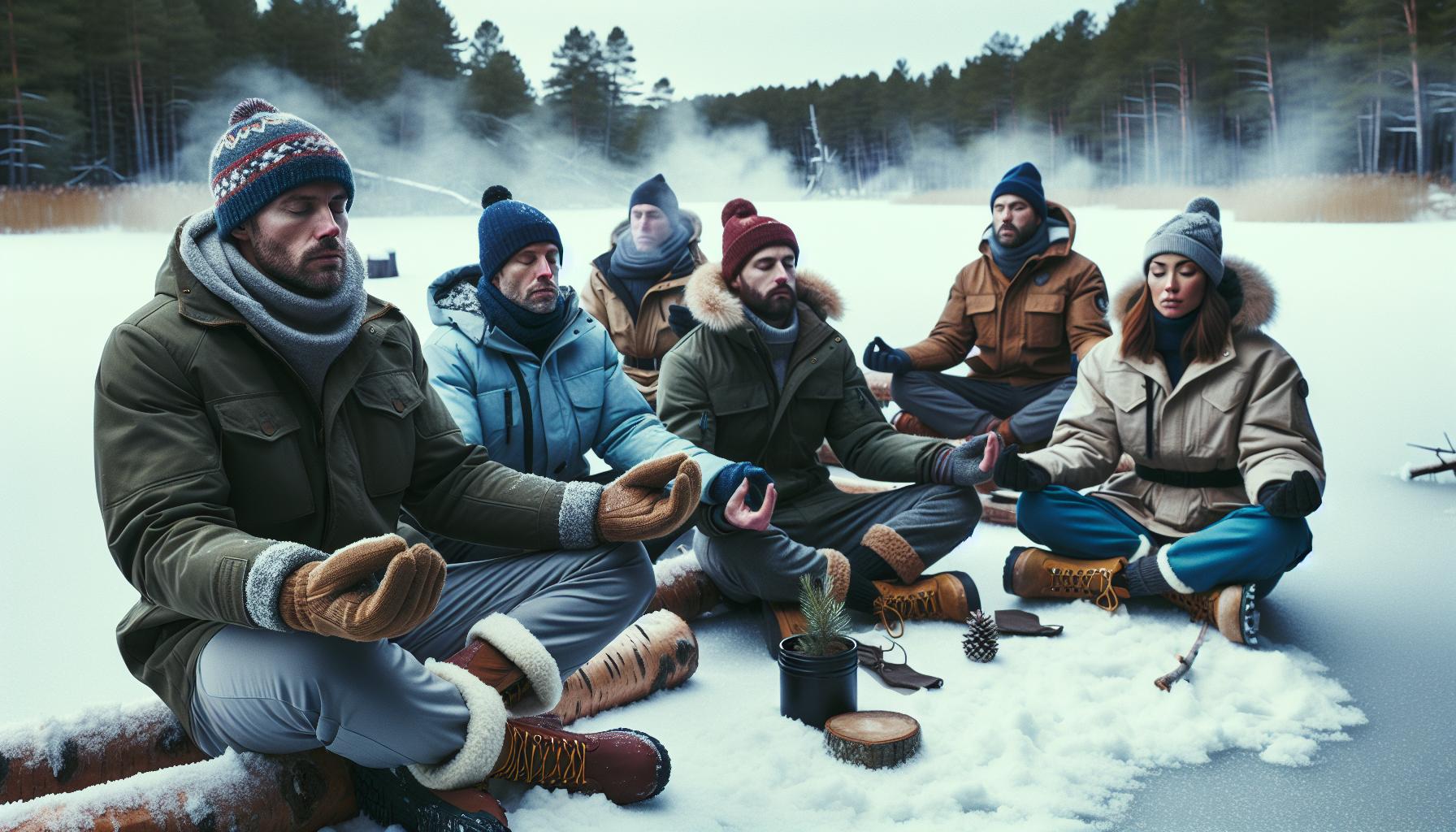
Mental Preparation: Staying Focused in the Cold
When facing the challenges of cold weather during disc golf, maintaining mental clarity is crucial. The frigid temperatures not only affect your physical performance but can also lead to distractions that hinder your focus. Embracing a positive mindset is key; remind yourself that every competitor is grappling with the same elements. This shared experience can foster camaraderie, even amid the discomfort of cold. As you step onto the course, visualize your throws and the paths you want your disc to take, reinforcing your strategy to navigate each hole effectively.
One effective technique to enhance focus is mindfulness-being present in the moment helps to drown out distractions, whether they be chilly gusts of wind or your own racing thoughts. Before your round, take a few minutes for deep breathing. Inhale deeply, hold for a moment, and exhale slowly, allowing yourself to settle into a calm state. This practice can significantly improve your ability to concentrate and minimize anxiety, giving you a mental edge over less prepared competitors.
Additionally, develop a mental routine to employ before each throw. This could include steps like visualizing the disc flight, checking your grip, and taking a moment to feel the cold air against your skin before you release. A routine helps create a sense of normalcy even in less-than-ideal conditions, grounding you when pressure mounts during the game. Incorporate strategies such as positive affirmations to bolster your confidence-remind yourself of your skills and successes, even if those victories seem distant in the gloom of winter.
By blending mental preparation techniques with a thorough understanding of cold-weather variables, you can transform challenges into opportunities for growth. The ability to maintain focus not only improves your game but allows you to enjoy the thrill of competition in any season. Remember, disc golf thrives on community and shared passion; harnessing your mental strength can foster a supportive atmosphere while elevating your own performance.
Winter-Specific Disc Selection: What Works Best
When the temperatures drop and the winds pick up, many disc golfers face a crucial question: what discs will perform best in cold weather? The right selection can make all the difference in both performance and enjoyment during winter rounds. Cold air is denser, which affects how discs fly, so understanding the nuances of disc selection for these conditions is essential.
Material Matters: Discs made from more durable plastics perform better in cold conditions. Look for softer blends that can handle low temperatures without becoming brittle. Options like premium plastics (such as those used by brands like Innova or Discraft) are ideal since they maintain their grip even when it’s icy and help prevent slips during throws. Additionally, consider discs that are slightly heavier, as they can cut through the wind better and maintain a straighter flight path.
Flight Characteristics: In colder weather, the flight paths of discs can differ significantly from what you experience in warmer temperatures. Discs may turn over more easily or hyzer out prematurely due to decreased flight stability. To counteract this, select discs that are rated for durability and stability, particularly overstable options for your drivers. These will help ensure that you maintain control of your throws and get the necessary distance without sacrificing accuracy.
Recommended Disc Types
- Drivers: Look for overstable drivers such as the Innova Destroyer or the Discraft Nuke. These discs will help cut through the cold wind and maintain stability.
- Mids and Putters: Consider a stable midrange like the Discraft Buzzz or a stable putter such as the Innova Aviar. These can provide reliable, straight flight paths that are less affected by temperature fluctuations.
In addition to selecting the right discs, it’s wise to keep them warm before games. Carry them in insulated bags or wraps. This way, you’ll minimize any cold-induced changes to their flight characteristics and grip. A little attention to disc selection and care can empower you to dominate the course, regardless of the winter chill, ensuring both fun and effective play in any season.
Ultimately, adapting your disc selection to the realities of cold weather can lead not only to improved performance but also to a deeper appreciation of the sport as you embrace the unique challenges winter presents.
How to Layer Clothing for Optimal Comfort
When you’re out on the disc golf course in colder weather, the right clothing layers can make all the difference between a comfortable round and an uncomfortable one. Cold temperatures can sap your energy and focus, so understanding how to layer effectively is key to staying warm while allowing for the mobility you need in your throws.
Start with a solid base layer that wicks moisture away from your skin. Look for materials like merino wool or technical synthetic fabrics that keep you dry without adding bulk. This layer should fit snugly to trap your body heat while ensuring sweat isn’t left to chill you. For your mid-layer, consider a fleece or insulated jacket to provide warmth. These materials are excellent at retaining heat without weighing you down. Depending on the coldness of the day, a lightweight down jacket can be an excellent option that balances heat retention with packability.
Next, your outer layer is crucial for wind and water resistance, especially if you’re facing blustery conditions. A good windbreaker or waterproof jacket will protect you from the elements without sacrificing breathability. If you anticipate standing around between throws or during a tournament, an insulated jacket or vest can provide extra warmth while still allowing ease of motion. Additionally, wearing gloves designed for dexterity can help you maintain grip on your disc while protecting your hands from the cold.
Lastly, don’t overlook your legs and feet. Thermal leggings or a combination of lightweight base layers with water-resistant pants can keep you comfortable while allowing for free movement. Invest in quality socks; wool blends are great for warmth and moisture control. A set of waterproof shoes can also be an excellent choice to keep your feet dry and warm as you navigate slushy or muddy fairways.
By mastering the art of layering, you not only enhance your comfort but also your overall performance on the course. Being warm allows you to focus more on your technique and strategies, ensuring that nothing stands in the way of enjoying your game, no matter how chilly it gets outside.
Tips for Maintaining Disc Integrity in Cold
The chill of winter can bring a unique set of challenges for disc golfers, particularly when it comes to maintaining the integrity of your discs. Did you know that cold temperatures can impact not only your performance but also the material and flight characteristics of your discs? To ensure that your favorite plastic performs at its best, a little extra care is necessary.
First and foremost, store your discs properly. Keeping them in a temperature-regulated environment when not in use is crucial. Extreme cold can make the plastic more brittle, leading to potential cracks or breaks upon impact. When you go out for a round, consider using a padded disc bag that offers protection against bumps and drops, especially on icy terrain. It’s a small investment that can extend the life of your equipment significantly.
Another important aspect is how to handle your discs pre-throw. Discs can become slippery when cold, which can affect your grip and release. Warm your discs before you play; this can be as simple as carrying them close to your body or storing them in your insulated bag. If you’re out on the course and the discs have gotten cold, take a moment to rub them together in your hands or use a glove with a textured grip to help ensure you maintain control during your throw.
Next, consider the impact of the terrain on disc integrity. Playing on frozen ground can lead to harder impacts when a disc lands, increasing the risk of damage. Be mindful of disc selection based on the ground conditions; softer plastics might perform better on slippery surfaces, while rigid plastics could become compromised more easily in cold weather. If a disc takes a hard hit, inspect it thoroughly afterward for cracks or warping, as even minor damage can change a disc’s flight dynamics significantly.
Lastly, regular maintenance can make a world of difference. Clean your discs regularly to remove dirt and moisture, as these can accumulate and freeze, affecting grip during throws. A simple rinse with warm water can help prepare them for your next round.
By paying attention to how you handle your discs in colder weather, you can uphold their performance and longevity, ensuring that you stay competitive and enjoy every moment on the disc golf course.
Navigating Frozen Terrain: Safety and Strategy
Frozen terrain presents a unique challenge for disc golfers, pushing both equipment and player skills to the limit. The hard ground can create dangerous conditions, leading to slips, slides, and falls. To navigate these icy courses effectively, preparation and strategy are key. Understanding how to adapt your gameplay to accommodate the frozen landscape not only enhances safety but can also improve your overall performance on the course.
First and foremost, good footwear is essential. Opt for shoes with excellent traction to help avoid slips on icy surfaces. Brands that offer disc golf-specific or trail running shoes may provide the grip needed to confidently traverse slippery areas. In addition, using golf crampons or spikes can give you the extra grip necessary for those particularly treacherous spots, ensuring you can maintain your balance during throws. Remember, a reliable foundation is crucial for executing accurate shots, especially when the ground is hard and unyielding.
When approaching your shots, consider the impact of frozen ground on your discs upon landing. As mentioned earlier, a hard impact can lead to potential damage, so choose your throwing angle wisely. Avoid overstable discs that can bite into the ground harshly. Instead, go for understable or even more neutral discs that will glide gently when landing. This can reduce wear and tear while ensuring optimal flight performance.
Lastly, strategy plays a vital role in handling the course layout. Plan your throws with greater consideration for potential landing zones. Identify areas with more forgiving terrain if possible, and aim to land in those zones. It might mean adjusting your approach to certain holes or being more conservative with your throws, focusing instead on placement over distance. Developing these strategies allows you to maintain your focus and control over your game, even in less-than-ideal conditions.
By prioritizing safety and understanding how to adjust your approach, you can turn the challenge of frozen terrain into an opportunity for growth in your disc golf skills.
Cold Weather Tournaments: Preparing for Competition
When the temperatures drop, the thrill of competition in disc golf doesn’t have to fade away. Cold weather tournaments present a unique challenge that requires players to adjust their strategies, equipment, and mindset to achieve their best performance, even in frosty conditions. Many athletes find that embracing these challenges not only tests their skill set but can also cultivate a strong sense of camaraderie within the disc golf community. From the excitement of winter leagues to the rigor of formal competitions, preparation is key.
To start, players should consider the role of temperature on their discs. Cold air impacts the way discs fly-typically resulting in a faster flight with less stability. It’s essential to experiment with a range of disc types to understand how each performs in chillier climates. For example, select a few discs known for their stability and find those that still perform well in low temperatures, particularly for windy conditions. A good rule of thumb is to practice with these discs beforehand to become accustomed to any changes in flight dynamics.
In addition to equipment adjustments, mental preparation plays a crucial role in how players approach cold weather tournaments. Cold conditions can exacerbate nerves and distractions, which is why practicing mindfulness techniques and visualization exercises can help maintain focus. Try setting a pre-round routine that includes both physical warm-ups specific to disc golf and mental exercises to calm any pre-competition jitters. You might also find it helpful to connect with fellow competitors before the tournament starts-sharing experiences and tips can foster a supportive atmosphere that enhances your readiness.
Needless to say, staying warm and comfortable is paramount during cold weather competitions. Layering becomes an art; opt for moisture-wicking base layers to keep sweat at bay, followed by insulating layers that provide warmth without restricting movement. Wind- and water-resistant outer layers are essential to shield against the elements. Don’t forget to wear gloves that offer both warmth and grip; these can help you maintain control over your throws without compromising your feel.
Embrace the opportunities that cold weather tournaments present, and you might discover that pushing your limits in these conditions can lead to personal victories, improved skills, and some unforgettable memories with fellow disc golfers. Whether you’re a seasoned competitor or new to the sport, preparing for the elements will not only help you perform better but also deepen your appreciation of this dynamic and challenging game.
Real-Life Stories: Disc Golf in Extreme Conditions
The thrill of playing disc golf in extreme cold isn’t just reserved for the hardiest athletes; it’s where camaraderie and resilience shine. Take the story of Sarah, a devoted disc golfer from Minnesota. She fondly recalls her first winter tournament, where temperatures hovered around 15°F (-9°C). Donning multiple layers, she learned the importance of maintaining her grip and focus. “I couldn’t feel my fingers after a few throws,” she laughs, “but I quickly discovered that using hand warmers inside my gloves made a world of difference!” This approach not only kept her warm but also elevated her performance on the course.
Winter tournaments often become a test of adaptability. Players quickly discover that discs behave differently in lower temperatures-flying faster and with less stability. Tom, a seasoned player and coach, shares his wisdom: “I’ve switched to a more stable disc during winter rounds, as I’ve found my favorite distance driver tends to flip more than I’d like in the cold.” By adjusting the discs he used based on temperature conditions, he maximized his performance while minimizing frustration during crucial tournament play. Players are encouraged to have a tailored disc selection ready, allowing them to experiment and find what works best for each chilly outing.
Additionally, mental preparation plays a pivotal role. Consider the insight from Jamie, a competitive player who thrives in extreme weather. “Before tournaments, I visualize each hole in detail,” Jamie explains. “In cold weather, it helps me stay focused despite distractions like wind and cold. I remind myself to take deep breaths and treat it like any other game.” This mental framework not only calms nerves but enhances gameplay even when conditions are less than ideal.
Ultimately, the spirit of disc golf in winter is about embracing the challenge. It’s not just about competing; it’s about community. Players strategize together, share gear tips, and often establish friendships that extend beyond the course. As Sarah puts it, “Every cold day on the course is a chance to connect and grow, making us all better players and closer friends.” This shared experience transforms the game from a solo endeavor into a collective winter adventure, proving that even in extreme conditions, the love for disc golf thrives.
FAQ
Q: What temperature is too cold for disc golf?
A: Generally, temperatures below 32°F (0°C) are considered too cold for comfortable disc golf. At this temperature, discs can become brittle, affecting their flight and durability. Playing in colder weather can increase the risk of injury as well, so it’s essential to know your limits.
Q: How does cold weather affect disc golf performance?
A: Cold weather can impact disc flight stability, causing discs to fade more quickly and affecting grip. It can also lead to decreased muscle performance, making it harder to throw with the same power. Staying warm and practicing proper technique can help mitigate these effects.
Q: Can I use regular discs in cold weather?
A: Yes, but it’s advisable to use discs made with durable plastics designed for winter conditions. These are less likely to become brittle in cold temperatures, which improves their performance and longevity. Check out our section on Winter-Specific Disc Selection for more insights.
Q: What should I wear for disc golf in cold weather?
A: Layering is key for cold weather disc golf. Start with moisture-wicking base layers, add insulating mid-layers, and finish with a windproof and waterproof outer layer. Don’t forget hats, gloves, and thermal socks to keep extremities warm. Check our section on How to Layer Clothing for Optimal Comfort for detailed tips.
Q: How can I stay focused while playing disc golf in cold conditions?
A: Mental preparation involves setting achievable goals and maintaining a positive mindset, even when conditions are challenging. Practicing mindfulness techniques can also enhance focus. Refer to our section on Mental Preparation: Staying Focused in the Cold for more strategies.
Q: How do you maintain scoring accuracy in freezing weather?
A: To maintain scoring accuracy, focus on your throw mechanics and stay relaxed. Practice short and controlled throws to build confidence in cold conditions. As discussed in our Essential Throwing Techniques for Winter Weather, warming up properly can also help maintain accuracy.
Q: What equipment should I avoid using in cold temperatures?
A: Avoid using lightweight discs that do not handle cold well, as they can crack or warp. Instead, opt for heavier discs or those made from colder-resistant materials. Check our section on Tips for Maintaining Disc Integrity in Cold for more information on disc care.
Q: Is it safe to play disc golf on icy courses?
A: Playing disc golf on icy courses can be risky. Icy surfaces can lead to slips and falls. Assess course conditions carefully before playing. Our section on Navigating Frozen Terrain: Safety and Strategy provides useful tips for safely managing icy conditions.
Final Thoughts
Whether you’re braving the chill or mastering your game, understanding how temperature affects your disc flight is key to improving your performance this winter. Get the most out of your throws by keeping your gear in optimal condition and adjusting your techniques according to the colder weather. Don’t let the cold keep you off the course-grab your gear and get ready to enjoy every round!
To stay ahead, check out our articles on disc golf techniques and gear recommendations specifically for cold weather adventures. Also, consider subscribing to our newsletter for tips and insights tailored for both novice and seasoned players. Remember, every round in the cold counts toward your growth as a player, so come back often for more expert advice and community stories! Your next journey in disc golf awaits-let’s keep the momentum going!
Get our latest guides, news, and insights highlighted in your Google Search & AI Overviews.