
Disc golf, a rapidly growing sport combining precision and strategy, has captured the hearts of millions globally. As we explore “Who Is the Best Disc Golfer? Champions & Rising Stars,” we dive into the exceptional talents shaping the future of this engaging game. With top players pushing boundaries through skillful techniques and innovative equipment, the sport is gaining recognition beyond casual play.
Understanding the achievements of both legendary champions and emerging stars can ignite your passion for the game, whether you’re a seasoned player or a curious newcomer. From analyzing their unique throwing mechanics to decoding the secrets behind their success on the course, this journey will enlighten and inspire. Join us as we uncover the stories and strategies that not only distinguish the top competitors but also highlight the essence of disc golf as a legitimate athletic pursuit, fostering community and competition along the way. Prepare to be captivated by the intricate world of disc golf and discover who truly stands out in this dynamic landscape.
Who Are the Top Disc Golf Champions Today?
The world of disc golf is increasingly competitive and vibrant, showcasing incredible talent at both professional and amateur levels. Currently, some of the top champions in the sport include players like Paul McBeth, who is frequently regarded as one of the best disc golfers of all time. With multiple World Championship titles and a record of consistent performance, McBeth has set a high bar for excellence. Ricky Wysocki is another powerhouse, having captured several championships and known for his incredible putting skills and power throws. These two athletes have not only dominated the sport but have also significantly influenced its growth and marketing through personal branding and endorsements.
In addition to McBeth and Wysocki, emerging players like Gannon Buhr and Simon Lizotte are making significant strides, pushing the boundaries of performance and entertaining fans with their unique styles and personalities. Buhr, a younger competitor, has already started to make a name for himself with notable finishes in major tournaments, while Lizotte is celebrated for his creativity on the course as well as his engaging social media presence. The influx of talented players indicates a healthy and inspiring competitive climate that is attracting new fans and players alike.
As the sport gains traction, so does the diversity of its champions, encompassing various playing styles and strategies. From raw power throwers to precision putters, the top competitors represent a rich tapestry of skills. Disc golf continues to evolve, welcoming more athletes from different backgrounds, thus enriching the community and challenging existing champions to elevate their game to new heights. The interplay between established legends and fresh talent keeps the competitive scene dynamic and exciting, fostering an environment ripe for new records and groundbreaking achievements.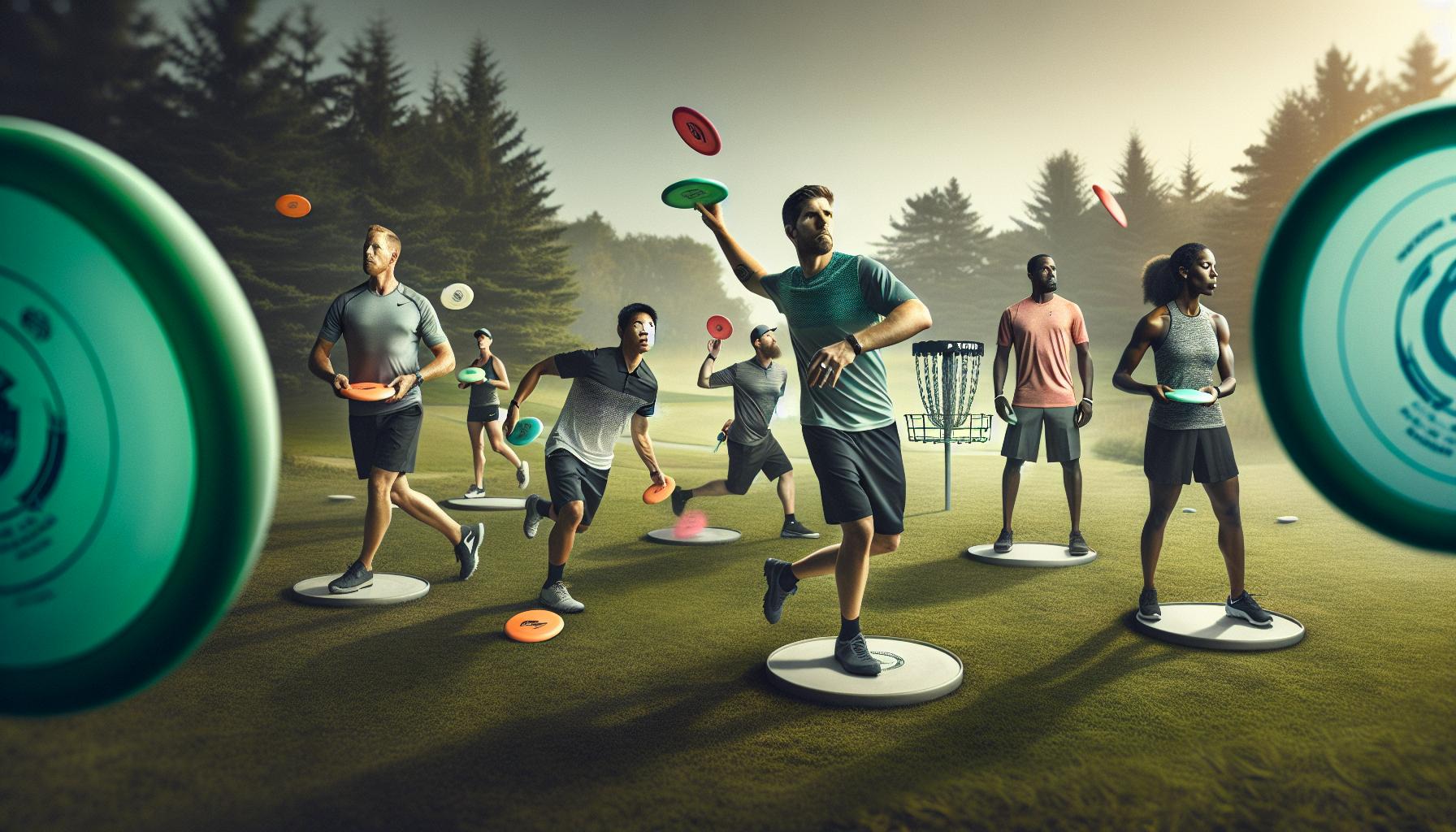
The Rise of New Talent: Emerging Disc Golf Stars
As the world of disc golf evolves, a new generation of players is stepping into the limelight, bringing fresh energy and innovative styles that capture the attention of fans and seasoned players alike. Among these emerging stars, Gannon Buhr stands out, praised for his impressive performances at young ages, including high placements in major tournaments. His ability to stay composed under pressure and execute powerful throws has quickly earned him a reputation as a formidable competitor. Not to be overlooked, Simon Lizotte continues to innovate with his entertaining playstyle, combining extraordinary skill with charisma both on and off the course, thus engaging a broad audience.
The rise of these young talents reflects a broader trend in disc golf: a growing pool of athletes committed to refining their skills and expanding their physical and mental game. As they compete in high-stakes tournaments, they face veteran players, pushing their limits and learning from every round. This dynamic not only increases the competitiveness of the sport but also cultivates a sense of community among players who share a passion for elevating their game. The accessibility of disc golf, paired with the increasing visibility of these rising stars online, has started to draw non-traditional athletes into the sport.
Passionate about both competition and camaraderie, the new generation of disc golfers is trying to break records and stereotypes. With social media platforms serving as a stage for their skills and training processes, players like Buhr and Lizotte are bolstering the sport’s appeal, using their platforms to share insights, techniques, and personal experiences. The attention they bring not only encourages budding players but also inspires established competitors to adapt and grow, ensuring that the spirit of innovation remains alive in disc golf.
As we look to the future, we can expect even more from these stars as they continue to develop both their technical skills and their personal brands. The interplay between the established giants of the sport and these emerging players promises to create thrilling tournaments and expand disc golf’s reach, making it a dynamic force in the world of athletics. The vibrant community fostered by these new athletes showcases that the next generation of disc golf champions is not just imminent; they are here and eager to make their mark.
Key Disc Golf Skills: Techniques Every Player Must Master
Mastering the art of disc golf transcends simply picking up a disc and throwing; it requires a blend of fundamental skills, strategic thinking, and an understanding of the equipment. Whether you’re a newcomer or an aspiring champion, honing the right techniques can significantly elevate your game. Elite competitors, such as Gannon Buhr and Simon Lizotte, exemplify the dedication to mastering these skills, showcasing how technique and precision can lead to exceptional performances on the course.
Essential Throwing Techniques
At the core of every successful disc golfer’s repertoire are the fundamental throwing techniques. Here are some key forms to practice:
- Backhand Throw: The most commonly used throw, the backhand involves a wind-up motion, leading with the opposite shoulder and releasing in a smooth, fluid motion. Focus on gripping the disc firmly, using your hips to generate power.
- Forehand Throw: Ideal for sharp turns and quick releases, the forehand throw combines a flick of the wrist with a full arm motion. Practicing this technique will help you navigate tightly wooded courses.
- Overhand Throws: Useful for getting out of tricky situations, the overhand or “Thumber” throw is executed by throwing the disc with a downward angle, allowing it to cruise over obstacles.
Understanding Disc Flight
Discs are not merely colorful plastic; their design impacts how they perform in the air. Familiarizing yourself with disc flight characteristics will enhance your strategic play:
- Stability Ratings: Each disc has a stability rating ranging from “understable” to “overstable.” Knowing which discs to use in certain wind conditions is crucial for achieving desired flight paths.
- Speed, Glide, Turn, and Fade: These four metrics describe how a disc will behave. For example, a disc with high speed but low glide may require more precise throwing mechanics but can travel longer distances.
Practice Drills
Improving your skills requires consistent practice. Here are some effective drills:
- Touch and Aim Drills: Focus on accuracy by placing targets at various distances and practicing your throws until you can consistently hit them.
- Distance Drills: Use a flat field to practice your backhand and forehand throws, gradually increasing your distance while maintaining proper form.
- Course Simulation: Visit a local course and simulate tournament conditions, completing rounds while focusing on strategy and shot selection.
Emphasizing these aspects of training can create a well-rounded player, ready to face any course. With the right blend of technique and strategy, you can navigate the complexities of disc golf, much like the current champions have done. As you cultivate these skills, you’ll not only improve your personal game but also contribute to the growing, vibrant community of disc golf enthusiasts worldwide.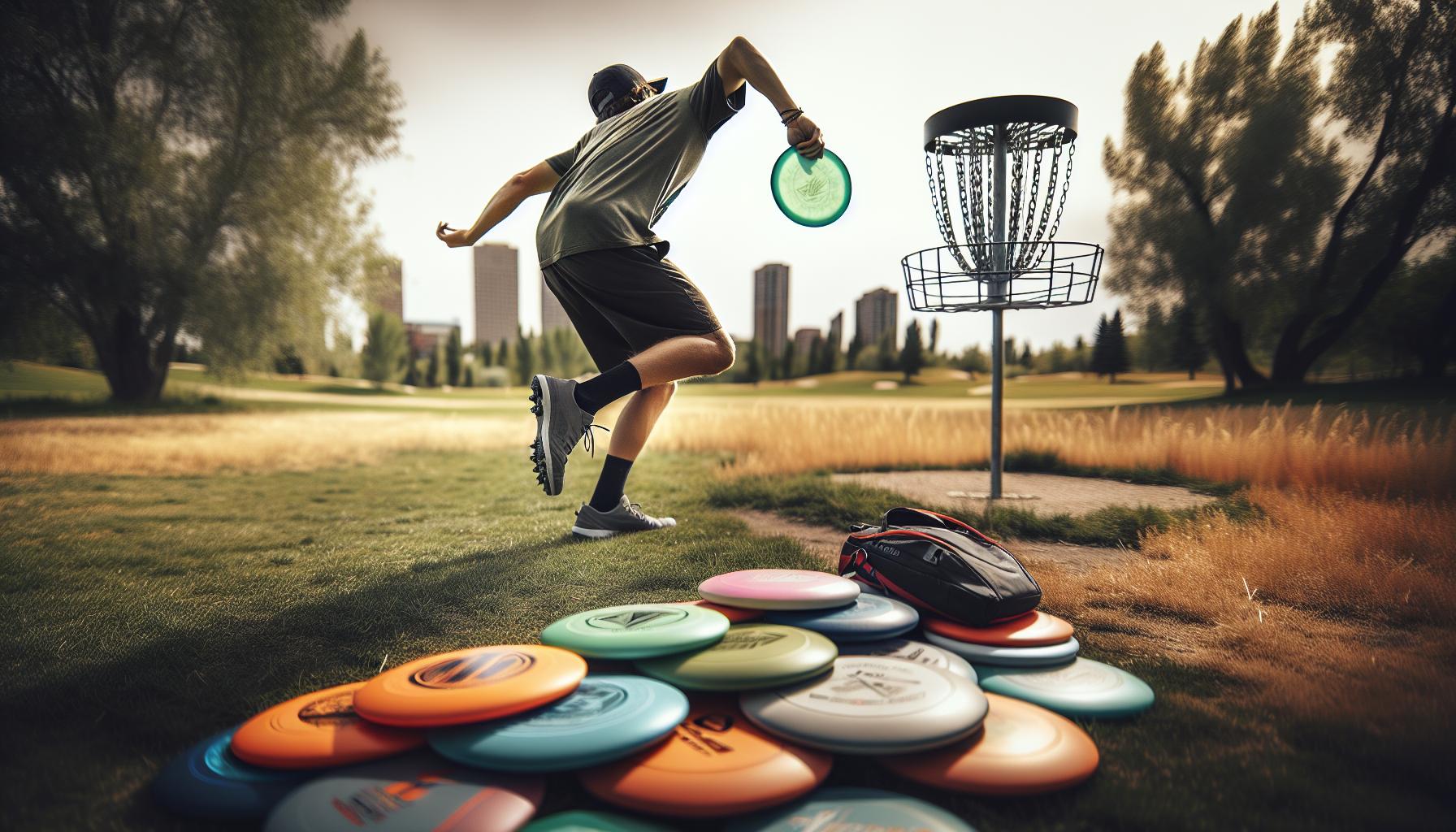
Understanding Disc Flight: How Discs Perform
Understanding the dynamics of disc flight is crucial for any aspiring disc golfer. The way a disc behaves in the air can spell the difference between a perfectly placed shot and a frustrating throw that ends up in the rough. Each disc is engineered with specific attributes that influence its flight path, making it essential for players to grasp these characteristics to enhance their performance on the course.
Discs are classified according to four main metrics: Speed, Glide, Turn, and Fade.
- Speed: This indicates how quickly a disc can travel through the air. It helps determine the distance a disc can potentially reach, with higher speed discs generally covering more ground but requiring more precise throwing mechanics.
- Glide: This refers to the disc’s ability to stay in the air or “float” during its flight. Discs with a high glide rating can remain airborne longer, which is beneficial for achieving maximum distance, especially when throwing in less-than-ideal conditions.
- Turn: This characteristic describes how much a disc will curve to the right (for a right-hand backhand throw) during the initial phase of its flight (the first half). An understable disc will turn more, which is great for hyzer flips or turnover shots, while an overstable disc will resist turning, making it reliability for straight or fading throws.
- Fade: This is the disc’s tendency to hook left as it slows down, typically toward the end of its flight. A disc with a high fade will have a more abrupt hook, which can be advantageous for finishing a shot with a strong left-moving curve.
To optimize your throwing strategy, select your discs based on these flight ratings while considering your personal throwing style and the specific challenges of each course.
Additionally, it’s vital to practice with a variety of discs to understand how each performs under different conditions. Wind, temperature, and even altitude can affect disc flight, meaning an adaptable player will view these factors when making shot decisions. Harnessing knowledge about disc flight can significantly elevate one’s game, helping players align their strategies with their equipment, further bridging the gap between casual play and competitive excellence.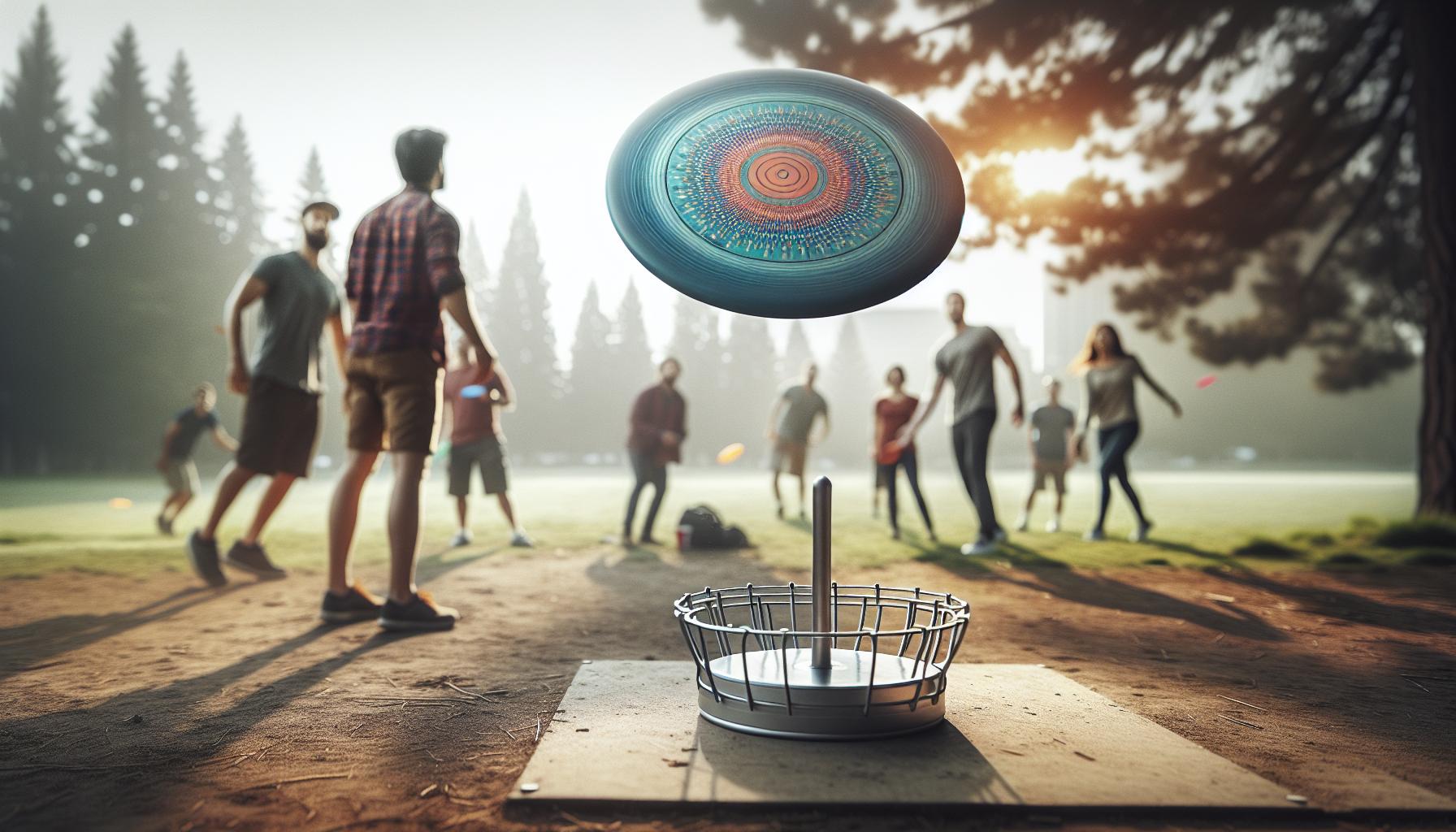
The Ultimate Guide to Disc Golf Equipment
Choosing the right equipment is crucial for every disc golfer, whether you’re just starting out or aiming to compete at the highest levels. The right discs and accessories not only enhance your performance but also contribute to a more enjoyable experience on the course. From the type of discs you select to the gear you use while playing, understanding your equipment can elevate your game and help you connect with the broader disc golf community.
When it comes to discs, players typically rely on three main categories: drivers, midrange discs, and putters. Drivers are designed for distance, featuring a sharp edge and a wide profile that enables them to cut through the air efficiently. Within this category, you’ll find distance drivers for long throws and fairway drivers for more controlled shots. Midrange discs offer a balance between distance and accuracy, making them versatile choices for a variety of situations on the course. They tend to have a smaller profile, providing excellent control while still achieving respectable distances. Putters are specifically designed for short-range accuracy and are essential for completing holes. They have a thicker edge and a more stable flight path, making them ideal for approach shots and putting.
To help you navigate the wide array of options, consider the following key attributes when selecting your discs:
- Weight: Discs come in various weights, typically ranging from 150g to 180g. Lighter discs can be beneficial for beginners or those with slower arm speeds, while heavier discs often provide more stability and distance.
- Flight Ratings: Familiarize yourself with the speed, glide, turn, and fade ratings of each disc to understand how they perform in different conditions. This knowledge can help you choose the right disc for specific shots during your rounds.
- Plastic Types: Discs are manufactured in various plastic blends, each offering different levels of durability and grip. Premium plastics tend to last longer and offer better grip but often come at a higher price point.
In addition to choosing the right discs, having quality accessories can significantly enhance your disc golfing experience. Investing in a comfortable bag is essential; it should be lightweight yet spacious enough to carry all your discs and gear. Look for bags with padded straps for comfort and multiple compartments for easy organization. Furthermore, consider adding items such as a towel for drying your discs, a mini marker for marking your lie, and a scorecard holder to keep track of your performance.
Finally, as the sport continues to grow, staying informed about the latest developments in disc golf equipment can give you an edge. Follow industry news, attend local tournaments, and participate in community discussions to learn not only from champions but also from emerging talents who are innovating within the sport. Embracing both the traditional and modern aspects of the game will enhance your skills while acknowledging the passionate community that makes disc golf an exciting pursuit.
Strategic Insights: Course Management Tips
Mastering the strategic elements of course management can significantly elevate your disc golf game, whether you’re a novice or an aspiring pro. The best players not only excel in throwing technique but also demonstrate a keen understanding of course dynamics, wind conditions, and their own strengths and weaknesses. By incorporating thoughtful strategies into your gameplay, you can navigate challenging courses with greater ease and efficiency.
Begin by analyzing the layout of the course before you even throw a disc. Take note of hazards, elevation changes, and the distance of each hole. Understanding the design will guide your decisions. For instance, when facing tight fairways or tricky placements, assess the risk of attempting a long throw versus a safer, shorter approach. Often, it is wiser to play conservatively-laying up to a comfortable distance from the basket rather than going for glory and risking a potential OB (out of bounds) shot.
Another crucial aspect is the wind. Take a moment to observe how the wind affects your throws. Different layers of air can create varying conditions, impacting how your disc reacts. Utilizing the right disc type for wind conditions is key-stability and over-stability can help combat crosswinds, while lighter discs might be advantageous in calmer weather. Practice adjusting your angles and disc choices based on wind conditions, as this adaptability is a hallmark of many top players.
Additionally, employing an effective pre-shot routine can bolster your course management skills. Whether you’re lining up a putt or preparing for a drive, slow down and visualize the shot. Consider your disc selection in relation to your intended release angle and line. This mental practice can enhance focus and reduce anxiety, especially during competitive play.
Lastly, embracing the iterative nature of learning from each round is vital. After finishing a course, reflect on what worked and what didn’t-maintaining a course management journal can help you track insights and progress over time. This practice can empower you to refine your strategies, ultimately helping you respond effectively to varied course challenges and embrace the essence of disc golf as a continuously evolving sport.
In summary, strong course management involves a mix of awareness, preparation, and adaptability. By prioritizing these elements, you can stack the odds in your favor, whether you’re competing for a championship or enjoying a casual round with friends. Embrace the journey of learning; mastering these strategies can lead you to new heights on the disc golf course.
Inside Look: Disc Golf Tournaments and Leagues
The world of disc golf is teeming with competitive spirit, and participating in tournaments and leagues is a fantastic way to immerse yourself in this vibrant community. With events ranging from local club competitions to prestigious national championships, players have ample opportunity to test their skills against others and experience the thrill of competition. Tournaments are typically structured into varying formats, such as stroke play or match play, and can cater to players of all skill levels, from casual enthusiasts to seasoned professionals.
One of the most exciting aspects of disc golf tournaments is the atmosphere they create. Imagine standing on a lush, expansive course with fellow competitors, all eager to achieve their best. Participants often share insights, strategies, and tips, fostering a spirit of camaraderie that enriches the overall experience. For beginners looking to join the fun, many local clubs organize leagues that include a friendly mix of competition and social interaction. This can be a perfect way to build confidence and find mentors among more experienced players.
Understanding Tournament Formats
Familiarizing yourself with different tournament formats can greatly enhance your competitive experience. Here are a few common formats you may encounter:
- Stroke Play: Every throw counts toward a player’s total score, and the player with the lowest score at the end wins.
- Match Play: Players compete head-to-head over a set number of holes, with the winner determined by who wins the most holes.
- Best Shot (Scramble): Often used in team events, where each player on the team throws, and the best throw is selected for the next shot.
In addition to tournament formats, understanding the rules and etiquette of the game is crucial. Respecting other players, waiting your turn, and maintaining a steady pace of play are key components of sporting behavior in disc golf.
Notable Tournaments and Their Impact
Events like the PDGA World Championships or the Disc Golf Pro Tour (DGPT) showcase the best in the sport, where elite players like Paul McBeth and Ricky Wysocki shine. These tournaments not only elevate the profiles of the players involved but also draw increasing attention to the sport itself, encouraging new players to take up disc golf. The engagement from these high-profile events has proven vital for the expansion of sponsorships and media coverage, laying a stronger foundation for the growth of both grassroots and professional disc golf.
Moreover, participating in local tournaments can be invaluable for personal growth and skill development. Each event presents unique challenges, allowing players to adapt and refine their techniques based on course layouts and competitive dynamics. So, whether you’re an emerging star or simply looking to enjoy the sport, finding a league or tournament that fits your skill level can be an exhilarating step in your disc golf journey.
The thrill of competition in disc golf is not only about the score-it’s about the connections made, the lessons learned, and the memories created along the way. As you navigate through the exciting opportunities available, embrace the challenges, and invest in your growth as a player.
Training Like a Pro: Practice Drills for All Levels
Developing your disc golf skills doesn’t just happen on the course; it requires a structured approach to practice that targets key areas of improvement. Whether you’re a beginner eager to learn the ropes or an advanced player aiming for that next championship title, there’s a drill for you. One standout aspect of training is that it blends physical activity with strategic thinking, making it an exciting way to enhance your game.
To get started, focus on the core skills that every player needs to master. This includes throwing mechanics, putting, and distance control. A recommended drill is the “Circle Drill”, where you set up several targets around the basket at different distances. Start at the closest target and gradually work your way back, ensuring you maintain proper form with each throw. This drill improves your consistency in putting and builds confidence under pressure.
Key Practice Drills
Here’s a breakdown of several effective drills categorized by skill level:
- Beginners:
- Throwing Form Drill: Focus on basic backhand throws using a light disc. Emphasize your grip and stance, practicing in slow motion to feel the mechanics.
- Putting Ladder: Set up a series of markers at increasing distances from the basket and practice putting from each one to gauge your accuracy.
- Intermediate Players:
- Hyzer/Anhyzer Drill: Alternate between throwing hyzer and anhyzer angles to develop versatility in your throws. Use different discs that suit these angles.
- Distance Control Drill: Place a few markers at fixed distances and practice throwing to them while monitoring your power and accuracy.
- Advanced Players:
- Forehand vs. Backhand Drill: Set up a course layout and practice each hole using only forehand throws for one round, then backhand for the next.
- Pressure Practice: Simulate tournament conditions by setting a score to beat. Add a time limit to increase stress and practice your mental resilience.
In addition to these drills, watching professionals is invaluable. Observe players like Paul McBeth or Ricky Wysocki during tournaments to see how they manage their throws, approach different lies, and strategize during play. Engaging with your local disc golf community can also enhance your training; join practice rounds with fellow players, share tips, and learn from each other’s techniques.
Ultimately, the key to improving in disc golf is consistency in your practice and a willingness to adapt. Set specific goals for each practice session, be it mastering a throw or improving your putting percentage, and track your progress. With dedication and the right drills, you’ll be well on your way to achieving your disc golf ambitions, celebrating victories, and enjoying the journey along the way.
Exploring Disc Golf’s Growing Community and Culture
The world of disc golf is experiencing a vibrant surge in community engagement and cultural significance, making it one of the fastest-growing sports today. With local clubs sprouting in urban neighborhoods and rural areas alike, players of all ages are finding camaraderie on the courses. Whether it’s a casual round with friends or a competitive tournament, the shared passion for the sport fosters strong connections among players. Events like league nights, charity tournaments, and community clean-ups not only emphasize friendly competition but also promote environmental stewardship, showcasing the sport’s values and ethics.
One of the most exciting aspects of disc golf today is the rise of digital communities. Platforms like social media and forums allow players to share tips, tournament highlights, and personal stories, contributing to a rich tapestry of experiences that inspire newcomers and seasoned athletes alike. Websites, podcasts, and YouTube channels dedicated to disc golf provide invaluable resources for skill improvement and equipment knowledge while celebrating player achievements. The visibility of champions and emerging stars on these platforms brings fresh energy and aspiration to the community, encouraging participation across all skill levels.
The culture surrounding disc golf also thrives on inclusivity. Lasting efforts are being made to welcome diverse groups into the fold, with initiatives aimed at breaking down barriers and promoting accessibility. Programs such as junior leagues, women’s clinics, and adaptive disc golf competitions highlight the sport’s commitment to embracing everyone, regardless of age, background, or ability. As the community continues to expand, so does its focus on representing varied voices, adding depth and richness to the sport’s narrative.
In addition to cultivating talent through grassroots efforts, the competitive landscape of disc golf is becoming increasingly professionalized. As more players aspire to turn pro, the community rallies behind them, often serving as their biggest cheerleaders. Notable figures like Paul McBeth and Paige Pierce not only shine in tournaments but also take active roles in mentoring the next generation of players, ensuring that knowledge and sportsmanship are passed down. The dynamic interplay of community spirit, cultural awareness, and competitive ambition firmly positions disc golf as not just a sport, but a movement that promises to grow and evolve in exciting ways.
Comparing Disc Golf Strategies: Beginners vs. Advanced Players
Disc golf, much like traditional golf, involves strategies that evolve significantly from the novice level to the advanced competitive tier. Understanding these distinctions not only enhances the gameplay experience but also significantly improves skills. Beginners often focus on fundamental techniques and basic strategies, while advanced players refine those basics into complex game plans tailored for specific courses and conditions.
For beginners, the primary goal is to develop consistency and confidence in their throws. This often involves mastering the basic grips and releases of various discs. Beginners should prioritize technique over power; practicing forehands, backhands, and hyzer/anhyzer angles will yield better results than trying to hurl a disc as far as possible. Here are some approaches for newcomers:
- Practice with a variety of discs: Understanding how different discs behave is essential. Start with putters for short, accurate throws and gradually introduce midrange and distance drivers.
- Focus on putting: Many games can be won or lost on the putting green, so dedicating time to this aspect can yield significant improvements.
- Learn course etiquette: Respect for fellow players enhances the experience and builds community.
Advanced players, on the other hand, capitalize on their experience to navigate courses with strategic finesse. Their focus shifts to course management, where each shot is calculated with an understanding of the course layout, wind conditions, and individual disc characteristics. Techniques often include:
- Shot selection: Choosing the right disc for each situation, knowing when to play it safe versus when to take risks.
- Understanding disc stability: Advanced players have a solid grasp of how different discs need to be thrown based on their stability (overstable, stable, and understable) to achieve the desired flight path.
- Situational awareness: Recognizing when to adjust strategies based on scoring conditions, such as needing more conservative plays in tight contests or aggressive plays in casual rounds.
This difference in strategy showcases the evolution of a player from understanding how to play the game to mastering the nuances that can elevate their performance. Aspiring champions observe not only the mechanics but also the strategic decisions made by elites like Paul McBeth or Paige Pierce, who integrate mental toughness and tactical acumen into their approach. As players navigate through various stages of skill development, they discover that disc golf is not just about throwing a disc but is a complex interplay of skill, strategy, and intuition within a vibrant community.
Top Disc Golf Brands: What You Need to Know
In the vibrant world of disc golf, selecting the right equipment can significantly impact a player’s performance, particularly when striving for the competitive heights seen among top champions and emerging stars. As the sport continues to grow, so does the variety and specialization of disc golf brands, each offering unique advantages tailored to different styles of play. Understanding what these brands have to offer is crucial for any player looking to elevate their game.
When considering disc golf brands, it’s essential to recognize the characteristics and reputations that set them apart. Some brands are renowned for their consistency and quality, making them the go-to choice for many professionals. For instance, brands like Innova and Dynamic Discs offer extensive lineups of discs designed for various skill levels, from novice to elite. Their discs’ distinct flight paths-dictated by factors like stability and speed-allow players to choose options that best suit their throwing style, whether focusing on accuracy or distance.
Moreover, it’s important to remember that many elite players endorse specific brands, contributing to their popularity and trust within the community. For instance, Paul McBeth, one of the sport’s greatest champions, has a signature line with Discmania that showcases high-performance discs tailored to a competitive edge. Similarly, Paige Pierce’s collaboration with Discraft highlights how brand partnerships can enhance gameplay through specialized products. These endorsements not only provide insight into the quality of the equipment but also inspire players to experiment with the discs used by the stars of the sport.
Additionally, as the sport’s community thrives, so does the culture surrounding equipment choices. Players are increasingly becoming brand ambassadors through word-of-mouth and social media, creating trends around new releases and technology. This community-driven aspect makes it valuable for players-regardless of skill level-to engage with fellow enthusiasts to discuss and test various discs. Taking the time to learn from more experienced players, or participating in local leagues and tournaments, can lead to informed choices that bolster individual playing styles.
Ultimately, as players navigate the plethora of brands and equipment options available, it’s essential to prioritize personal comfort and performance. Spending time on the course with different discs, and understanding how they handle under various conditions, is vital for both new and experienced players. By exploring brand offerings with an open mind and an eagerness to learn, golfers can not only enjoy the sport more thoroughly but also become part of a growing community that celebrates both competition and camaraderie in disc golf.
Faq
markdown
Q: Who is widely considered the best disc golfer of all time?
A: Ken Climo is often regarded as the greatest disc golfer in history, boasting an unprecedented 12 PDGA World Championship titles. His influence and dominance in the sport throughout the 1990s and early 2000s set a standard for excellence that remains unparalleled today.

Q: What makes a disc golfer a champion?
A: A champion disc golfer typically excels in technical skills, mental toughness, and competitive experience. Key components include mastering disc flight dynamics, effective putting techniques, strategic course management, and performing consistently under pressure during tournaments.

Q: How do current disc golf players compare to past champions?
A: Current players like Paul McBeth and Ricky Wysocki showcase skills that rival past champions. They combine advanced training methodologies, such as data analytics and fitness regimes, with traditional skills, demonstrating that the level of competition is continually evolving.

Q: What qualities should emerging disc golf stars possess?
A: Emerging stars should have a strong foundation of technique, adaptability to various course conditions, and a passion for the sport. Mental resilience and a commitment to continuous improvement are essential traits that can elevate young players to the professional level.

Q: When did disc golf start gaining popularity?
A: Disc golf began gaining popularity in the 1970s, thanks to the establishment of organized tournaments and the founding of the PDGA in 1976. The sport's growth accelerated with the advent of new disc technologies and increased exposure through media coverage.

Q: Where can I find resources to improve my disc golf skills?
A: Numerous online platforms, including YouTube tutorials, dedicated disc golf forums, and instructional websites, offer valuable resources. Additionally, joining local disc golf clubs can provide hands-on learning and chances to compete, enhancing both skills and community involvement.

Q: Why is course management important in disc golf?
A: Effective course management is crucial for maximizing performance during rounds. It involves making strategic decisions about shot selection, understanding course layout, and managing risk versus reward, which can significantly impact scoring and overall results.

Q: How can I follow disc golf tournaments and leagues?
A: To stay updated on disc golf tournaments and leagues, follow the PDGA's official website and social media channels. Local clubs often host events that are widely advertised, and platforms like Disc Golf Pro Tour offer live coverage, statistics, and player profiles.
Future Outlook
As we wrap up our exploration of “Who Is the Best Disc Golfer? Champions & Rising Stars,” it’s clear that the world of disc golf is filled with incredible talent and inspiring stories. Whether you’re just starting out or a seasoned player seeking advanced strategies, remember that each champion and rising star has unique techniques and insights that can elevate your game. Don’t miss the chance to enhance your skills-check out our guides on disc flight characteristics and throwing mechanics to continue your learning journey.
Feeling inspired? Join our community discussions to share your thoughts on favorite players and tournament highlights. Explore more engaging content on our site, including our comprehensive equipment comparisons and course strategy breakdowns. If you haven’t already, consider signing up for our newsletter to stay updated on the latest news and tips in disc golf!
Remember, the journey in disc golf is just as important as the destination. By engaging with fellow enthusiasts and continuously seeking new knowledge, you not only improve your game but also contribute to the vibrant disc golf community. Keep throwing, keep learning, and let’s celebrate this exciting sport together!
Get our latest guides, news, and insights highlighted in your Google Search & AI Overviews.