
Disc golf is more than just a game; it’s a vibrant community of enthusiasts who celebrate both competition and camaraderie. As this sport continues to grow, managing your disc collection effectively becomes essential for any player. The “Disc Golf Wallet: Disc Collection Management” serves as an innovative solution designed to streamline your inventory, keeping track of your discs’ characteristics, flight paths, and personal preferences.
Imagine effortlessly accessing information about your discs while making informed decisions on which ones to bring for your next round. This tool not only enhances your game but also enriches your experience on the course by ensuring that you have the right disc for every throw. Whether you’re a seasoned competitor or just starting out, understanding how to manage your collection can significantly impact your performance and enjoyment. Dive into the world of disc golf management, and discover how a well-organized collection can elevate your play and deepen your connection to this exciting sport.
Understanding Disc Golf: The Ultimate Beginner Guide
Imagine standing on a lush, green fairway, surrounded by towering trees and the soft rustle of leaves, with only the sound of your heartbeat and the flight path of your disc cutting through the air. This is the essence of disc golf, a growing sport that blends athleticism, strategy, and community enjoyment. For beginners, understanding the game can feel overwhelming, but with the right knowledge about disc collection management, you’ll not only enhance your performance but also deepen your appreciation for this unique sport.
Building a well-rounded disc collection is essential for any disc golfer. Different discs are designed for various purposes: drivers for long-distance throws, mids for versatility in the middle range, and putters for accuracy near the basket. As you curate your collection, consider factors like flight stability, weight, and personal preference. For instance, a lighter disc can be easier for beginners to throw, while seasoned players might prefer a heavier disc for stability. Keep your discs organized by category, which will help you easily select the right disc for each shot during your game.
Caring for your discs is another critical aspect of management. Ensure your discs are cleaned regularly to prevent dirt buildup, which can affect their flight and grip. Storing your discs in a durable disc golf wallet can help protect them from damage during transport. Many wallets come equipped with pockets that allow you to categorize your discs and keep them easily accessible, which not only saves time on the course but also gives you peace of mind knowing your collection is in good shape.
Ultimately, the journey of managing your disc collection is as rewarding as the game itself. As you gain experience and discover your preferences, your collection will evolve, illustrating your personal growth in skill and understanding of disc golf. Embrace the community aspect by sharing tips and experiences with fellow players, and remember that every disc has its story-just like every player.
Choosing the Right Disc for Your Game
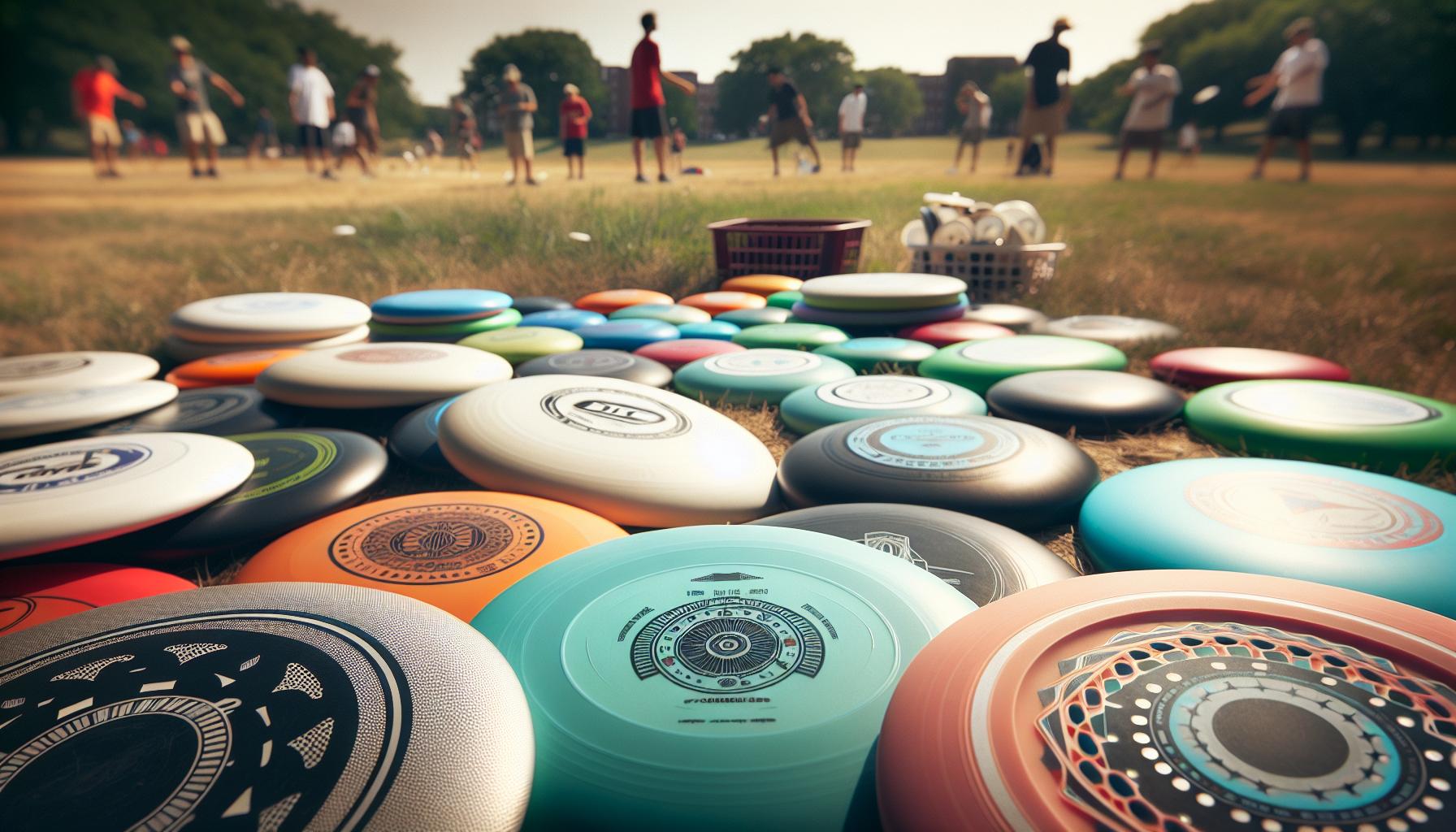
is essential for both beginners and seasoned players alike, as it can significantly impact your performance on the course. With various types of discs designed for specific purposes, the selection process can feel daunting. However, understanding the key characteristics of each disc type will equip you with the knowledge to make informed choices that suit your playing style and preferences.
There are three primary categories of discs to consider: drivers, mid-range discs, and putters. Drivers are engineered for long-distance throws and are typically the first disc you’ll want to pull out on a long fairway. They come in two subcategories: distance drivers, which are best for maximum distance, and control drivers, designed for accuracy while still providing good distance. Mid-range discs offer versatility and are great for various situations, especially for approach shots when you need precise placement but don’t require the extreme distance that drivers provide. Putters are paramount for short-range accuracy, usually used when you’re within 30 feet of the basket.
When you begin curating your disc collection, consider factors such as flight stability, weight, and personal comfort. Flight stability refers to how a disc behaves in the air, influenced by its design. Discs can be categorized into overstable, stable, and understable, affecting how they turn during flight. For instance, beginners may benefit from using stable or slightly understable drivers, as they tend to be more forgiving and provide easier control. Conversely, advanced players might gravitate towards overstable discs for sharper, more controlled throws.
Weight also plays a significant role. Beginners often find that lighter discs (around 150-170 grams) are easier to throw, while experienced players might prefer heavier discs (greater than 170 grams) for their increased stability and distance control. You should also consider how comfortable a disc feels in your hand, as grip can impact your throwing mechanics and ultimately your success on the course. Many brands offer the opportunity to test out different models through demos or rental programs at local courses, allowing you to find the perfect fit before committing to a purchase.
By thoughtfully selecting the right disc tailored to your skill level and playing style, and keeping it organized in a quality disc golf wallet, you’ll create an effective system for your disc management. This organization not only aids in quick access during your rounds but also ensures that each disc is cared for and ready to perform when you need it most. Remember, the right disc can transform not just your score, but also your enjoyment of the game as you gain confidence and proficiency with each throw.
Mastering Disc Flight: Key Characteristics Explained

Understanding how discs fly is a critical aspect of mastering the game of disc golf. Each disc has unique characteristics that affect its flight pattern, and recognizing these properties can significantly elevate your performance on the course. Beginner players may often wonder why their throws seem to veer off course or why some discs feel more comfortable than others. The answer lies in key disc flight characteristics, namely speed, glide, turn, and fade-elements that define how a disc behaves during its journey to the basket.
When examining a disc’s speed, it’s important to remember that this correlates with the distance it can cover. Speed ratings range from 1 (slow) to 14 (fast), and it’s crucial to choose a disc that suits your throwing strength and technique. For new players, starting with slower discs can foster confidence. As players refine their techniques, they can gradually transition to faster models that deliver greater distance.
Glide refers to how long a disc stays in the air after it is thrown, and this characteristic allows a disc to stay aloft longer, often translating to more distance. Discs with high glide ratings (typically above 4) tend to float through the air, making them excellent for hyzer flips and long, controlled shots. Conversely, discs with low glide might require a more forceful throw, making them suitable for precision and control during approach shots.
The turn characteristic, which measures the tendency of the disc to turn to the right during the initial flight (for right-handed backhand throwers), can greatly influence shot selection. A disc that is rated as understable (typically a positive turn rating) will help newer players achieve longer lines as they release it with less power. In contrast, overstable discs (which have a negative turn rating) will resist turning and provide a reliable left finish, making them ideal for advanced players looking for controlled fades on sharp turns or windier days.
Lastly, fade describes the disc’s tendency to finish left at the end of its flight for a right-handed backhand throw (or right for a left-handed forehand). A disc’s fade rating can range from subtle to pronounced. Discs with a fade rating above 3 typically provide a more abrupt finish, making them reliable for approaches that require precision near the basket or when navigating around obstacles.
Understanding these flight characteristics is the first step toward curating a personalized disc collection that complements your style and hitting the course with confidence. Ultimately, mastering your disc flight means not just selecting the right discs but also organizing them effectively in a quality disc golf wallet. This organization not only promotes a streamlined approach to selecting the right disc for any hole but also enhances your overall enjoyment of the game as you continually track your progress and adjust your strategy based on the varied flight patterns of your discs.
Essential Techniques for Perfect Throws

Mastering your throws is essential for honing your skills in disc golf, yet many players overlook the importance of proper technique and mental preparation. A well-executed throw not only improves your game but enhances the overall enjoyment of the sport. One key to achieving consistently perfect throws is to focus on the fundamental mechanics and adapt your approach according to your personal throwing style.
To begin with, grip and stance are foundational elements of a successful throw. Utilize a comfortable grip that allows your fingers to wrap securely around the disc without crowding the flight plate. The grip should be firm, yet relaxed, ensuring that you maintain control throughout your motion. Your stance should be shoulder-width apart, with your knees slightly bent, allowing for a natural weight shift during the throw. As you advance through your throw, remember to engage your entire body-your legs, core, and shoulders should all work in unison. This full-body motion not only builds momentum but also enables better precision and control over the disc’s flight.
Next, focus on the mechanics of the throw itself. As you reach back, draw the disc towards your hip, keeping your eyes on your target. This will help create a fluid motion. Transition into your forward motion by pivoting on your back foot while extending your throwing arm out and forward. It’s vital to use your torso to generate power; as you follow through, allow your arm to extend fully, releasing the disc at a slight angle based on your desired shot shape. Aim for a smooth release, as the slightest adjustment in your grip or angle can lead to varying flight paths.
Practicing these techniques consistently not only improves your throwing capabilities but allows you to rely on muscle memory when under pressure during a round or tournament. This kind of preparedness not only positions you for success on the course but also solidifies your confidence in your personal disc collection. By channeling your skills toward understanding how different discs react when thrown and how they complement your style, you can curate a personalized disc collection that enhances your game.
Lastly, keeping your discs organized is equally crucial; utilizing a high-quality disc golf wallet or bag ensures that you have the right disc at your fingertips when navigating various course challenges. Organize your discs by type, weight, or specific throws, making it faster to select the perfect disc for each situation. Tracking your performance with each disc also supports your growth, as you can refine your collection based on what works best for your unique throwing style. Embrace these techniques, and you’ll find yourself not just playing disc golf, but mastering it.
Creating a Personalized Disc Collection
Building a personalized disc collection is an exciting venture that not only enhances your gameplay but also reflects your individual style on the course. Each throw you take is unique, and your disc selection should mirror your preferences, throwing techniques, and the diverse challenges presented by different courses. Whether you’re a beginner just starting to understand disc dynamics or an experienced player looking to hone your skills, creating an optimal disc collection can significantly impact your performance.
Start by acknowledging the key categories of discs: drivers, midranges, and putters. Each type serves a specific purpose. Drivers are perfect for long-distance throws and typically have a sharper nose for greater speed and less stability. Midranges offer a balance, ideal for controlled approaches and moderate distances, while putters provide accuracy and stability for completing holes. Choose a variety of discs within each category to gain versatility; different weights and plastic types will influence how discs handle under various conditions. Knowing your preferred throwing style can guide you in selecting discs that feel comfortable and perform well.
Another effective strategy for developing your collection is to keep a Disc Selection Journal. This record will help document how each disc feels during practice and actual games, noting which discs work best under different environmental conditions or course layouts. Understanding the nuances of disc flight can greatly improve your gameplay- pay attention to each disc’s turn, fade, and glide ratings. Use this data to make informed decisions about your collection as the season progresses.
When it comes to organization, investing in a quality disc golf wallet or bag is indispensable. An effective wallet will not only protect your discs but also allow for quick access during play. Arrange your discs by category or frequently used vs. specialty discs to streamline selection on the course. With a well-organized collection, you’ll save time and reduce the stress of searching for the right disc mid-round, ultimately allowing you to focus on your game.
Lastly, don’t hesitate to share your collection and experiences with the growing disc golf community. Join local leagues, participate in tournaments, or engage in forums to gather insights about which discs others swear by. Engaging with fellow players can provide new perspectives, tips, and potential trades that enrich your collection, ensuring you’re equipped to excel in every round you play. Through careful curation and understanding of your needs, a personalized disc collection becomes a vital tool in mastering this thrilling sport.
Organizing Your Discs: Best Practices
The ability to find the right disc quickly can significantly enhance your performance on the course. A well-organized disc collection not only saves time but also helps you make informed decisions under pressure, allowing you to focus on your strategy and execution rather than rummaging through your gear. Whether you’re a casual player or a serious competitor, streamlining your disc organization is a crucial step towards becoming a more efficient player.
To begin with, categorizing your discs will breathe organization into your collection. Think about how you use your discs during play and group them accordingly. A common method is to sort them by type: drivers, midranges, and putters. Additionally, consider further subdivisions within those groups based on stability ratings or how often you use them, creating sections for your go-to discs and your specialty picks. When arranged neatly in a disc golf wallet or bag, you’ll enable quick access to your most-utilized discs when they matter most.
Another effective practice is to label or tag your discs, especially if you own multiple discs in similar categories. Use a permanent marker to write important details like the disc type, stability, or even your preferred throwing style right on the disc. This simple step can help you quickly identify the right disc amidst a full bag and aids in performance assessment-making it easier to recall which discs work best for certain conditions.
Storing your discs with care is equally vital. Consider investing in padded pockets or dividers within your disc golf wallet to prevent damage. Proper storage not only keeps your discs in great condition for longer but also demonstrates professionalism, especially when participating in tournaments or leagues. Ensure that they are all dry and clean before storage, as moisture can warp discs over time.
Ultimately, engaging with the disc golf community can offer additional insights into organization strategies. Sharing your methods and learning from fellow players can introduce you to innovative approaches or tools that fit your style. As the sport continues to grow, these shared experiences foster a communal learning environment that enhances everyone’s game-making the organization of your disc collection not just a personal task, but a shared journey towards mastery.
Effective Disc Management Software Options
In today’s digital age, managing your disc golf collection has become significantly easier with the advent of specialized software designed to streamline organization and track performance. These tools not only allow players to maintain a clear inventory of their discs but also serve to analyze throwing patterns, score in tournaments, and even connect with the community. Engaging with effective disc management software can turn a simple collection into a dynamic resource for improvement and enjoyment.
One of the standout options includes Disc Golf Stats, an app that simplifies tracking various metrics related to your game. With features for logging scores, rounds played, and disc usage, players can analyze their performance over time. This data-driven approach enables you to see which discs perform best in specific conditions, helping you make better choices on the course. Other applications like UDisc not only allow score tracking but also feature GPS-enabled course maps, so you can navigate unfamiliar courses with ease.
Choosing software often depends on your needs-whether you’re a casual player looking for a simple log of scores or a serious competitor wanting in-depth analytics. Many tools offer customizable features to help create a personalized experience. For example, My Disc Golf Bag allows users to catalog their entire disc collection and keep notes on each disc’s individual performance, stability, and personal preference, fostering an intimate understanding of what works best for you.
To ensure you are choosing the right software, consider these key features:
- Ease of Use: Look for interfaces that are intuitive and straightforward.
- Features: Assess whether you need basic tracking or advanced analytics.
- Community Integration: Some tools allow sharing scores and experiences with friends or fellow players.
- Cross-Platform Compatibility: Ensure the software works on various devices for maximum convenience.
Investing time into utilizing these software solutions can tremendously enhance your disc golf experience, making it easier to manage your collection and ultimately become a more strategic player. Engaging with technology in this sport isn’t just about tracking data; it’s about fostering a deeper connection with the game and the vibrant community surrounding it.
Comparing Disc Golf Wallets: Features and Benefits
When you’re ready to immerse yourself in the world of disc golf, having the right gear is essential, and that includes a quality disc golf wallet. These specialized wallets are not just for transport; they play a pivotal role in organizing your disc collection and enhancing your overall gameplay experience. With varying designs and features, choosing the right disc golf wallet can elevate your game by keeping your discs secure and easily accessible.
First and foremost, consider the capacity of the wallet. Most disc golf wallets are designed to hold anywhere from a handful to a dozen discs, making it important to assess how many discs you typically carry during a round. Some wallets come with a dedicated slot for each disc, while others feature a more flexible pocket system. These pockets should provide ample cushioning and protection to prevent your discs from getting damaged or scratched.
Another critical feature to evaluate is durability. Given that disc golf can take you through various terrains and weather conditions, look for wallets made from robust, water-resistant materials. This ensures that your discs are protected from the elements while you’re on the course. Additionally, many quality wallets include reinforced stitching which adds to the wallet’s longevity, especially under frequent use.
Accessibility is equally important. Some wallets are designed with external pockets allowing for quick retrieval of your most-used discs, enhancing your performance during play. Think about how you like to outfit your bag and consider wallets that also offer customizable options, such as removable dividers or adjustable straps, for personal comfort and utility.
Lastly, aesthetics shouldn’t be overlooked. In the disc golf community, showing off your style can be just as important as performance. Many wallets come in various colors and designs, allowing you to express your personality while also maintaining functionality. After all, a well-organized and stylish wallet can become a point of pride among your fellow players.
Investing in the right disc golf wallet can significantly impact your game and enjoyment of the sport, making it a key item in your disc golf arsenal. Choose wisely, and your wallet will serve as a reliable companion for many successful rounds to come.
Building Your Disc Golf Skills: Drills and Practices
Building a strong foundation in disc golf isn’t just about having the right gear; it’s also about honing your skills through dedicated practice and effective drills. By integrating structured training regimens into your routine, you can enhance your throwing techniques, understand disc flight characteristics, and elevate your overall game. Here are some practical drills that cater to various skill levels, helping you progress while making the most of your organized disc collection.
One essential practice is the “Distance Drill.” Start by selecting a variety of discs from your wallet, such as distance drivers and fairway drivers. Focus on your throwing mechanics by standing at your maximum comfortable distance. Release each disc using a different grip and throwing style-backhand, forehand, and even overhand-to observe how each affects the flight path. After each throw, take notes on how the disc behaved and adjust your technique accordingly. This not only improves your power and accuracy but also familiarizes you with the unique characteristics of each disc in your collection.
Another recommended drill is the “Target Approach.” Set up several targets at varying distances around a practice area, such as trees, cans, or even designated markers. Use your wallet to choose a disc that corresponds with the distance and type of shot required for each target. This exercise enhances your precision and allows you to experiment with different discs for specific shots, reinforcing your understanding of how weight and stability influence performance. Keep track of your successes and areas for improvement-this data can be invaluable for future rounds.
In addition, incorporating “Putting Practice” into your routine can dramatically impact your game. Rig up a simple target with a bucket or a basket in your backyard or at a local park. Use putters from your wallet and practice from various distances. Create drills where you alternate between different styles of putting-standstill, straddle, or jump-putts. Keeping track of your make percentage from each distance can help you identify the range where you feel most comfortable, prompting you to focus your practice more effectively.
It’s crucial to remember that as you build your disc golf skills, staying organized is key. Maintain a log of your practice sessions and performance data within your disc wallet or an accompanying notebook. This information not only helps in tracking your progress but also guides your future purchasing decisions for new discs, as you’ll better understand which types complement your growing skills.
With time and consistent practice, you’ll find that the combination of organized disc management and focused drills not only amplifies your passion for the sport but also establishes you as a more formidable competitor on the course. Happy throwing!
Advanced Strategies for Course Navigation
Navigating a disc golf course effectively is a blend of strategic decision-making, disc selection, and an acute understanding of one’s own throwing abilities. A well-prepared player utilizes their disc collection wisely, knowing when to deploy each type of disc to tackle differing course layouts and conditions. This strategic approach not only enhances performance but also adds a layer of enjoyment to the game, as every round becomes an exciting puzzle to solve.
To begin with, knowing the flight characteristics of your discs is crucial. Each type of disc, whether it’s a driver, mid-range, or putter, has specific attributes that dictate how it will behave in flight. Take the time to log the performance of your discs during practice and casual rounds. For example, you might have a stable distance driver that flies straight with minimal turn, perfect for long, open fairways. On the other hand, a more overstable driver can aid in navigating wooded courses, where tighter lines and controlled hyzer throws are necessary. Catalog this information within your disc wallet or notebook to ensure quick reference during rounds.
Understanding the layout of the course is equally important. Before a round, review the scorecard and mentally visualize the holes. Here are some tactical considerations to keep in mind:
- Assess the terrain: Are there slopes, hazards, or unique obstacles to account for? Identifying these elements early can inform your disc choice.
- Plan your shots: Think ahead-consider how many throws it might take to reach the basket and the angles required. Will you need to clear a set of trees? Knowing whether to throw an anhyzer or a hyzer shot can be a game-changer.
- Utilize spotters: If playing in groups, collaborate with fellow players. Spotters can help gauge the landing zones of your throws, especially on blind holes.
Finally, remember that adapting your strategy during play is essential. Conditions can change-wind may pick up, or your rhythm might feel off. Be prepared to adjust your plan. If a particular disc isn’t behaving as expected, rely on another disc in your collection that might fit the current circumstances better. For instance, if a driver isn’t achieving the desired distance due to headwinds, switch to a more dependable mid-range disc and play conservatively to maintain accuracy.
By utilizing these strategies, disc golfers can enhance their navigational skills on the course. The integration of disc management and strategic foresight paves the way for improved performance and a richer experience, making every round an opportunity to discover and refine personal capabilities. With thoughtful preparation and a well-organized disc wallet, you not only play but thrive in the dynamic sport of disc golf. Happy throwing!
The Future of Disc Golf: Trends and Community Insights
As disc golf continues to gain popularity around the world, players are increasingly recognizing the importance of proper disc collection management. With more discs on the market than ever before, understanding how to curate and organize a personal collection not only enhances gameplay but also fosters a deeper connection to the sport. The evolution of disc golf wallets and management systems is reflecting this growth, offering players innovative ways to keep track of their gear while adapting to changing preferences and playing styles.
The emergence of mobile apps dedicated to disc golf is transforming how players manage their collections. These applications allow users to log disc performance metrics, track rounds, and analyze shot statistics, all from the convenience of their smartphones. This technology not only helps players make informed decisions on which discs to use in specific conditions but also promotes a culture of data-driven improvement. Many apps also feature community elements, enabling players to share insights, disc ratings, and personal anecdotes that enrich the collective knowledge base of the sport.
As the community continues to expand, we see a shift towards sustainable choices in disc selection and collection management. Many manufacturers are responding to environmental concerns by producing discs made from recycled materials or implementing eco-friendly practices throughout their production processes. This trend not only caters to environmentally conscious players but also reinforces the growing awareness within the sport that sustainability can coexist with athleticism. Furthermore, leveraging secondary markets for buying and selling used discs is becoming a more popular practice, allowing players to both save money and contribute to a circular economy.
It’s also important to acknowledge that disc golf is not just a game but a community experience. Casual meetups, organized clubs, and competitive leagues are thriving, creating opportunities for players to connect, share their collections, and offer tips on effective management. Local courses often host events that gather players from diverse backgrounds, emphasizing the sport’s inclusive nature. Engaging with other disc golfers can lead to discovering rare discs, learning new techniques, and forming lasting friendships, all of which enhance the overall experience.
In conclusion, the future of disc golf is bright, driven by passionate players dedicated to improving their skills and expanding their knowledge. As disc collection management becomes more sophisticated with technological advancements, community engagement, and a focus on sustainability, the sport will continue to flourish. Whether you’re a seasoned competitor or just starting out, embracing these trends can enrich your disc golf journey and elevate your gameplay.
Disc Golf Tournaments: Preparing for Success
Preparing for a disc golf tournament can be a thrilling yet daunting experience, especially for newcomers. With the right gear organized efficiently in your disc golf wallet, you’ll not only feel more prepared but also potentially boost your performance on the course. It’s vital to have your disc collection sorted, ensuring that you have the right discs at your fingertips based on your strategy and the challenges of the tournament layout. A well-managed disc collection provides a distinct advantage, especially in competitive settings.
Start by thoroughly reviewing the tournament course maps and understanding its layout. Familiarize yourself with different hole lengths, terrain types, and potential wind conditions. Once you know the course, select a range of discs tailored to those specific challenges-from distance drivers for long fairways, to straight-flying mid-range discs for precision approaches, and reliable putters for confident baskets shots. Consider organizing your discs in your wallet not just by type but also by intended use for each hole. For example, you might have a section for long-range drivers at the front, mid-range discs in the middle, and your putting discs at the back. This organization can save you precious time during the tournament when seconds count.
Additionally, track your disc performance through apps or notes. Logging how each disc performs under various conditions will enhance your decision-making. Creating a simple table within your disc management app or notebook can help you capture essential data such as disc stability, distance achieved, and preferred throwing style. For example:
| Disc Name | Type | Stability | Distance Achieved | Best Conditions |
|---|---|---|---|---|
| Destroyer | Distance Driver | Overstable | 400 ft | Headwind |
| Buzz | Mid-range | Stable | 300 ft | Calm |
| Challenger | Putter | Stable | 200 ft | Any |
Moreover, don’t underestimate the importance of mental preparation and community engagement leading up to the tournament. Connect with fellow players and gather insights about their experiences with the course. Online forums and local clubs can be invaluable resources for tips and strategies that could help elevate your game. Finally, ensure that your physical and mental states are in peak condition leading up to the event-practice your routine and visualize success.
The focus on preparation not only optimizes your disc wallet setup but also cultivates a more enjoyable and less stressful experience on tournament day. By strategically planning your disc choices and being mentally prepared, you’ll be in prime condition to tackle whatever the course throws your way.
Q&A
Q: What is a Disc Golf Wallet and why is it important for disc collection management?
A: A Disc Golf Wallet is a compact storage solution designed to organize and manage your disc collection. It keeps your discs safe, prevents damage, and allows for easy access during games. Proper management ensures you can quickly find the right disc for each hole and track your inventory effectively.
Q: How do I choose the best Disc Golf Wallet for my needs?
A: To choose the best Disc Golf Wallet, consider features like size, material, and capacity. Look for wallets that offer protection against wear and tear and have pockets for details like disc type or flight characteristics. Compare options based on user reviews to find the best fit for your collection.
Q: Can I organize my disc collection within a Disc Golf Wallet?
A: Yes, you can efficiently organize your disc collection within a Disc Golf Wallet. Many wallets come with separate compartments or slots to categorize discs by type, weight, or flight characteristics. This organization helps when selecting discs during a game or practice.
Q: What are the common features I should look for in a Disc Golf Wallet?
A: Key features to look for in a Disc Golf Wallet include durability, water resistance, adjustable compartments, and easy portability. Some models also have additional pockets for accessories like pencils and scorecards, which enhance your gameplay experience.
Q: How can I maintain the quality of my discs stored in a Disc Golf Wallet?
A: To maintain the quality of your discs in a Disc Golf Wallet, regularly clean the discs with a soft cloth and store them in a cool, dry place. Avoid exposing them to extreme temperatures or prolonged sunlight, as these conditions can warp or fade the discs.
Q: Are there any tips for managing a growing disc collection effectively?
A: To manage a growing disc collection, regularly review and categorize your discs based on usage and performance. Create a tracking system using software or an app that records disc details, and set aside time to clean and reorganize your wallet every few months.
Q: How can technology help in managing my disc golf collection?
A: Technology can help manage your disc golf collection through dedicated apps that allow you to log, track, and analyze your discs. These apps often provide features for setting goals, recording rounds, and sharing data with friends, making it easier to improve your game over time.
Q: What are some benefits of using a Disc Golf Wallet for tournament preparation?
A: Using a Disc Golf Wallet for tournament preparation offers benefits like organization and quick access to your discs. It allows you to prepare a selection tailored to the course, helping you strategize for different holes and conditions, ultimately improving your overall performance.
Closing Remarks
As we wrap up our exploration of the “Disc Golf Wallet: Disc Collection Management,” remember that organizing your disc collection doesn’t just streamline your game; it enhances your entire disc golf experience. By effectively managing your discs, you can optimize your performance, whether you’re a casual player or a competitive athlete. Don’t miss out on taking your game to the next level-start implementing these strategies today!
For more insights on improving your skills, check out our guides on disc flight characteristics and throwing mechanics. Interested in how specific discs perform in various conditions? Explore our disc comparison pages for the best options tailored to your style. And don’t forget to join our community by signing up for our newsletter! With regular updates and tips, you’ll stay informed and inspired in your disc golf journey.
If you have any questions or want to share your collection stories, drop a comment below! Engaging with our community will not only enhance your understanding but also enrich your passion for this amazing sport. Keep exploring, and let your passion for disc golf thrive!
Get our latest guides, news, and insights highlighted in your Google Search & AI Overviews.