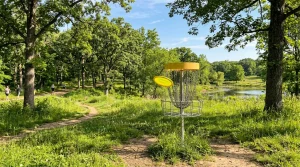
Did you know that mini disc golf is not just a playful variation of the traditional game, but also a growing format that attracts both casual players and serious competitors? In this guide, we’ll explore the essentials of mini disc golf-a compact, accessible way to enjoy the sport anywhere, whether in your backyard or at a local park. This simplified version retains the fun and strategic challenge of classical disc golf, making it perfect for beginners eager to learn or seasoned players looking for a quick round. As you delve into the mechanics, equipment, and strategies of mini disc golf, you’ll discover a vibrant community that shares your passion. So grab your mini discs, sharpen your throwing skills, and prepare to unleash your competitive spirit! The world of mini disc golf awaits, presenting exciting opportunities for players of all ages and skill levels to engage with this athletic and social pursuit. Dive in and find out how you can elevate your game and enjoyment!
What Is Mini Disc Golf and Why It Matters
Mini disc golf is a dynamic, compact variation of traditional disc golf, typically played on smaller courses or adapted for use in urban settings, parks, or backyards. This engaging sport retains the fundamental principles of disc golf but emphasizes skill, precision, and strategic short-range play. The use of smaller discs, often around the size of a CD, enhances the experience, catering not only to seasoned disc golfers but also to newcomers eager to participate in an accessible and fun outdoor activity.
Why does mini disc golf matter? For one, it promotes physical activity in a manageable format, appealing to individuals of all ages and skill levels. It fosters community engagement, with many enthusiasts hosting casual meet-ups or more organized tournaments, thereby facilitating social interactions and friendly competition. The approachable nature of mini disc golf encourages families and beginners to learn the basics without the intimidation often associated with larger courses. Additionally, its portability makes it easy to take to various locations, expanding access to disc golf beyond traditional setups and making it a versatile option for events or outdoor gatherings.
The simplicity of mini disc golf also serves as an entry point for those interested in disc sports. By mastering throws and strategies in a more controlled environment, players can build confidence that translates into more advanced gameplay in standard disc golf. Furthermore, as more courses are developed and interest in the sport grows, mini disc golf is playing a critical role in enhancing the visibility and credibility of disc golf as a legitimate athletic pursuit. This positions mini disc golf as not merely a pastime but as an essential component of the broader disc golf community, paving the way for increased participation and recognition in the sporting landscape.
The Essential Equipment for Mini Disc Golf
To successfully engage in mini disc golf, understanding the essential equipment is vital for anyone, from curious newcomers to seasoned players. While the scale of mini disc golf may be smaller than traditional disc golf, the gear required maintains significant importance for both performance and enjoyment. At the heart of this sport are the specialized mini discs, which usually range from 3 to 5 ounces in weight and 8 to 10 inches in diameter, perfectly sized for easier handling and control. These smaller discs offer unique flight characteristics-most notably stability and maneuverability in tight spaces-making them ideal for urban environments or parks where traditional discs might be less effective.
Choosing Your Mini Discs
When selecting mini discs for play, consider the following:
- Type of Disc: Opt for a mix of putters, mid-ranges, and drivers. Each provides distinct benefits, such as accuracy for putting or distance for driving.
- Weight: Lighter discs are typically easier to throw with speed and precision, which is advantageous for beginners.
- Brand and Design: Explore options from reputable brands known for quality and performance. Unique designs can also enhance your personal connection to the sport.
To illustrate these points, here’s a comparison between a standard mini driver and a mini putter:
| Feature | Mini Driver | Mini Putter |
|---|---|---|
| Weight | 3-5 ounces | 3-4 ounces |
| Flight Range | Longer distances | Shorter, more controlled |
| Best For | Long Tee Shots | Close-range Holes |
Essential Accessories
In addition to discs, other accessories can significantly enhance the mini disc golf experience:
- Mini Markers: Lightweight and often tailored for personal expression, these are essential for marking your lie and are legal for tournaments.
- Carrying Bags: Compact and designed to hold your discs and accessories, a good carry bag makes transporting your gear hassle-free.
- Scorecard and Pencil: Keeping track of your score is essential for both casual play and competitive events.
By investing in the right equipment, you not only set yourself up for success but also immerse yourself more deeply in the vibrant mini disc golf community. Whether you’re hitting up a local park or hosting a casual tournament, the right gear can enhance both gameplay and camaraderie, making every session enjoyable and engaging.
Understanding Mini Disc Golf Course Layouts
Mini disc golf courses are designed with creativity and accessibility in mind, allowing players of all skill levels to enjoy the sport in compact settings. These courses can be found in various locations, such as parks, backyards, and urban spaces, making them an excellent option for both casual outings and competitive play. Unlike traditional disc golf, which may span vast ranges and terrains, mini disc golf uses a shorter distance layout, making strategic placement and accurate throwing essential components of gameplay.
The layout of a mini disc golf course typically consists of 6 to 12 holes, each with its unique challenges and designs. Players must navigate around obstacles such as trees, benches, and other structures while aiming for designated targets, usually miniature baskets or elevated platforms. The key to mastering these layouts lies in understanding the course’s nuances-players should assess wind patterns, terrain changes, and various throwing angles needed for each hole. For example, a hole with a sharp turn may require a forehand throw that curves just right, taking advantage of the disc’s flight characteristics.
In terms of specifics, layouts often include straightforward paths as well as more ambitious designs with tight lanes that will test a player’s precision. It’s common to encounter elevated tee pads and creatively placed targets that challenge even experienced players. To successfully navigate these courses, players should embrace a variety of throws, including backhands, forehands, and even overheads, using the mini discs’ maneuverability to their advantage.
Ultimately, mini disc golf courses invite players to engage in thoughtful strategy and creativity in their play, making each round a unique experience while fostering a vibrant community spirit. Whether you’re just starting or aiming for a competitive edge, understanding these course layouts can enhance your appreciation for the game and improve your overall skills on the course. Embrace each hole’s potential and take on challenges that will elevate your mini disc golf journey!
Key Differences Between Mini and Traditional Disc Golf
Mini disc golf offers a delightful twist on the traditional game, catering to both novice players and seasoned pros with its compact and dynamic format. While traditional disc golf often spans expansive terrains with deep woods and expansive fields, mini disc golf typically operates on a much smaller scale, utilizing shorter distances and tailored obstacles. This inherent difference in scale influences not just gameplay but also the strategies and skills necessary for success.
One of the most notable distinctions lies in the equipment used. Mini discs, usually smaller and lighter than their traditional counterparts, require a different throwing technique. This affects disc flight characteristics significantly. Mini discs tend to have a shorter hang time in the air, leading to quicker ground interaction and necessitating a more precise touch on throws. Players must adapt their techniques, shifting from the driving power often seen in traditional play to a focus on finesse and placement.
The course design further differentiates mini disc golf from its full-sized variant. Mini courses are often squeezed into parks or smaller recreational areas, featuring 6 to 12 holes packed with unique challenges in a confined space. Obstacles like trees, benches, and even urban fixtures come into play, demanding strategic navigation and an acute understanding of throwing angles to avoid them. Each hole can test a player’s skill in a way that may not exist on a sprawling traditional course, where distance and terrain often dominate strategy.
In summary, while the fundamentals of throwing and scoring remain similar between the two formats, mini disc golf emphasizes a strategic approach that can sharpen a player’s accuracy and problem-solving skills. Players often find that working within the constraints of a mini course allows them to harness creativity and adaptability, ultimately making the game not only accessible but also intensely rewarding. Whether you’re new to disc golf or a veteran looking for a new challenge, engaging with these compact courses can offer a fresh perspective and exciting play experience.
Techniques for Mastering Mini Disc Golf Throws
Mastering mini disc golf throws requires a blend of precision, control, and an understanding of the unique characteristics of mini discs. Given their smaller size and lighter weight compared to traditional discs, players must adopt techniques that prioritize finesse over brute strength. This shift in focus can be the key to unlocking greater accuracy and consistency on the course.
One effective technique is to practice a smooth, compact throwing motion. Start with a relaxed grip on the mini disc, ensuring you maintain control without squeezing too tightly. The throwing motion should resemble a smooth flick of the wrist rather than a full-arm swing. To execute this, stand with your feet shoulder-width apart, pivot on your back foot, and rotate your shoulders toward the target, which will guide the mini disc along its intended line. This technique not only minimizes the risk of overshooting but also allows for better control of the disc’s flight path.
Another crucial aspect is mastering the angle of release. Mini discs tend to react more dramatically to changes in angle than their larger counterparts. For instance, a slight elevation in release angle can lead to a higher flight path, while a downward angle will send the disc toward the ground much quicker. Experimenting with different angles during practice sessions can help you develop an intuition for how the disc responds in varied situations. In tight spaces often found on mini courses, understanding the importance of hyzer and anhyzer angles can lead to significant advantages, allowing players to navigate obstacles effectively.
To facilitate these techniques, choosing the right equipment is essential. Mini discs are designed for specific purposes-whether it’s for putting, approaching, or driving. A good practice regimen should include different types of mini discs tailored to these activities, enabling you to feel comfortable with various throws. Additionally, incorporating varying stances (like straddle or staggered) can help adapt your shot to the specific challenges presented by the course layout.
If you’re still finding your footing, consider hitting the course with experienced players who can provide insight and tips tailored to your gameplay style. Social learning can be incredibly beneficial; watch how others approach their throws and be open to feedback and coaching. In mini disc golf, where community and camaraderie thrive, the learning experience often extends beyond personal practice to shared knowledge, making it a rewarding pursuit for players of all skill levels.
Mini Disc Golf Strategies for Beginners
Engaging in mini disc golf presents a fantastic opportunity for newcomers to immerse themselves in the sport while honing their skills in a more compact format. Understanding the fundamental strategies can significantly enhance your enjoyment and performance on the course. One of the most effective approaches for beginners is to prioritize practice over perfection. Spend time familiarizing yourself with different throwing techniques and understanding how mini discs react to various angles and grips. This foundational knowledge can help build your confidence as you navigate through courses that often feature tight fairways and unique layouts.
Another key strategy is to focus on course management. Mini disc golf courses typically emphasize accuracy rather than distance, so learning to assess your surroundings can drastically improve your scores. Start by analyzing each hole from the tee box-note the position of obstacles, the layout of the green, and potential wind conditions that might affect your throw. This preparation allows you to select the right disc for the situation, whether it’s a putter for precision or a driver for distance. Remember, patience is crucial; sometimes opting for a safer throw can lead to a better overall score than attempting a challenging shot that could send you sliding down the leaderboard.
Equipment choice also plays a pivotal role in developing your skills as a beginner. Mini discs come in various types designed for specific throws-putters for short, accurate throws, and distance drivers for longer shots. Building a small, versatile mini disc collection will enable you to practice different throwing styles and determine which discs feel the most comfortable in your hand. Look for lightweight options that lend themselves well to finesse instead of relying solely on power. Having a well-rounded set of discs may also aid in your adaptability across various course layouts.
Lastly, consider the community aspect of mini disc golf. Joining local leagues or participating in casual games with more experienced players not only provides a fun social environment but also offers invaluable insight into enhancing your techniques. Observing others and receiving constructive feedback can accelerate your learning curve, making the process enjoyable. Remember, every player was once a beginner; the supportive community in disc golf is eager to share tips and celebrate successes at all levels. Embracing both competition and camaraderie will enrich your experience and deepen your connection to the sport.
Hosting a Mini Disc Golf Tournament Successfully
Organizing a successful mini disc golf tournament can be a rewarding experience that fosters community, enhances player skills, and brings together enthusiasts of all ages. The charm of mini disc golf lies in its accessibility and the compact nature of its courses, making it ideal for friendly competitions. However, a well-executed tournament requires careful planning and attention to various details to create an enjoyable atmosphere for participants and spectators alike.
To start, secure a location that can accommodate the tournament’s needs. Choose a venue with an existing mini disc golf course or set up a temporary one in a park or community space. Consider the number of participants, ensuring the layout allows for efficient play without congestion. Create clear guidelines for the tournament format-whether it’s singles play, teams, or mixed formats-and set the rules regarding scoring and play to avoid confusion during the event. Utilize simple scoring systems to cater to both competitive and casual players, fostering an inclusive environment.
Key Considerations for Tournament Success
- Promotion: Use social media, local forums, and community boards to spread the word about your tournament. Consider creating eye-catching flyers and digital graphics to attract participants.
- Registration: Set up an easy registration process, possibly through a website or event platform, that allows for advance sign-ups to gauge participant numbers and manage logistics.
- Equipment: Ensure availability of sufficient mini discs and markers for players. Consider partnering with local disc golf retailers or brands for sponsorships or to provide gear.
- Volunteers: Recruit volunteers to help with setup, scoring, and guiding players throughout the tournament. Their enthusiasm and support can enhance the overall experience.
- Prizes and Recognition: Offer trophies, medals, or merchandise as prizes to encourage participation and competition. Recognition can range from simple awards for various categories like “Best Newcomer” to “Overall Champion.”
Finally, don’t overlook the importance of creating a festive atmosphere. Consider incorporating food vendors, music, and photo opportunities to keep the energy high and engage both players and spectators. Promote community spirit by encouraging local businesses to participate, whether through sponsorships or by setting up booths. By facilitating a blend of competition and camaraderie, your mini disc golf tournament can leave a lasting impression-cultivating friendships among players while showcasing the fun and competitive nature of this thriving sport.
Exploring Popular Mini Disc Golf Courses
Exploring the world of mini disc golf courses reveals a delightful blend of creativity, accessibility, and community engagement. These compact courses not only cater to players of all skill levels but also offer unique challenges that enhance the gameplay. From community parks to specially designed miniature courses, the growing popularity of this sport has led to innovative setups that provide fun and competition in a smaller format.
One standout aspect of mini disc golf is the versatility of its courses. Unlike traditional disc golf, which often requires vast areas of land, mini disc golf courses can be easily integrated into existing parks, schoolyards, or even urban locales. Many courses feature playful layouts that utilize natural obstacles such as trees, benches, and fountains to create a fun and challenging environment. This flexibility allows for the sport to thrive in populated areas, making it accessible to families and beginners who might find larger courses daunting.
When looking for popular mini disc golf courses, several locations have gained recognition within the community. For instance, the Mini Disc Golf Federation highlights various established courses that showcase the sport’s potential. These courses often prioritize innovation in their design, offering unique hole layouts that keep players engaged. Participating at venues that host regular tournaments can deepen your understanding of course strategy and gameplay dynamics, plus joining local meet-ups can enhance camaraderie among players.
To truly appreciate mini disc golf courses, consider a visit to popular venues. Engage with other players, observe their techniques, and don’t hesitate to ask for tips. The community is often welcoming, eager to share knowledge, and passionate about promoting the sport. With its engaging blend of strategy and skill, mini disc golf offers an inviting entry point for newcomers while providing seasoned players with distinctive challenges. Whether you’re playing for fun or aiming to improve your skills, exploring different course designs can significantly enhance your experience.
Community Engagement in Mini Disc Golf
Engagement in the world of mini disc golf is not just about the competition; it’s about creating a vibrant community that fosters friendship, learning, and growth. The sport’s unique charm lies in its ability to bring together individuals of all ages and skill levels, making it a perfect setting for social interaction. Regularly scheduled events, such as local tournaments and casual meet-up sessions, offer players the opportunity to connect, share tips, and form lasting friendships. As players navigate the playful layouts of mini courses, they discover an environment that welcomes camaraderie and promotes healthy competition.
One of the essential aspects of community engagement is the inclusion of beginners. Experienced players often take the time to mentor newcomers, sharing insights about throwing techniques and course strategies while encouraging participation. For instance, many clubs run “learn to play” sessions that highlight basic skills such as grip, stance, and putting techniques. These sessions not only help beginners feel more comfortable but also enhance the overall atmosphere of the sport. The supportiveness among players encourages newcomers to embrace the sport, fostering a welcoming environment that can lead to consistent participation.
Community Events and Tournaments
Mini disc golf also thrives on community-driven events. Local clubs often organize tournaments that showcase not just competitive spirit but also a sense of belonging. These gatherings can range from friendly competitions at community parks to organized leagues that promote consistent engagement. For example, some events may feature themed challenges or charity fundraisers, where players compete not only for trophies but also for a cause. Such activities build community connections by encouraging collaboration and shared experiences.
In addition to tournaments, casual rounds of play can significantly contribute to community bonding. The relaxed nature of mini disc golf facilitates conversation and laughter, allowing players to engage with one another easily. Players often discuss disc specifications, recommend local courses, and share personal stories about their experiences with the sport. This conversational ambiance serves as the foundation for a passionate community where both fun and competitive spirits are celebrated. Whether someone is a casual player or a serious competitor, the sense of belonging to a larger community enriches the experience of mini disc golf.
By fostering engagement through events, mentorship, and casual play, the mini disc golf community continues to grow, inviting new players to join and celebrate the sport’s accessibility and charm.
Adapting Mini Disc Golf for All Skill Levels
Mini disc golf is an incredibly versatile sport that embraces players of all ages and skill levels, making it an ideal introduction to disc sports. Whether you’re a seasoned disc golfer or a curious newcomer, there are numerous ways to adapt mini disc golf for everyone. This adaptability not only encourages participation but also ensures that each player can enjoy the thrill of the game while developing their skills at their own pace.
To cater to beginners, local clubs often organize introductory sessions that focus on the fundamentals of the game. These might include hands-on guidance about grip techniques, the mechanics of a proper throw, and strategies for effectively navigating a mini course. For instance, providing a selection of beginner-friendly disc options-such as lighter discs that are easier to throw-can be a game-changer for those just starting out. Additionally, course layouts can be modified to feature shorter distances and fewer obstacles, allowing new players to build confidence before tackling more complex holes.
For intermediate to advanced players, mini disc golf remains an excellent way to refine skills in a relaxed environment. By incorporating different throwing techniques, such as forehand and backhand throws, players can experiment without the pressure typically associated with traditional disc golf tournaments. Adding challenges like mini-putt contests or timed rounds can keep experienced players engaged and competitive. It’s about finding the right balance that allows everyone to push their limits while still enjoying the social aspects of the game.
Moreover, fostering a welcoming community is essential in . More experienced players are often eager to share their knowledge through mentorship, helping new players understand the nuances of the game. This community dynamic promotes growth and solidarity, ensuring that everyone feels included. Regularly scheduled leagues or social hours provide fun opportunities for players to connect and learn from one another, enhancing the overall experience and contributing to the sport’s vibrant culture.
In summary, mini disc golf presents an inclusive environment that respects the journey of each player, whether they’re casual participants or serious competitors. By offering tailored support, encouraging mentorship, and fostering community ties, the sport continues to thrive, attracting new enthusiasts who are eager to join in the fun.
The Future of Mini Disc Golf: Trends and Innovations
The landscape of mini disc golf is evolving rapidly, embracing trends that cater to the diverse needs of players and enthusiasts. As this exciting variant of traditional disc golf continues to gain traction, several innovative practices are emerging, enhancing both gameplay and community engagement. From technological advancements in disc design to the integration of social media for event promotion, the future of mini disc golf looks vibrant and inclusive.
One significant trend is the use of specialized discs that cater specifically to mini disc golf. These discs often feature innovative materials and aerodynamic designs that improve stability and distance, making them suitable for players of all skill levels. Mini discs typically come in various weights and profiles, allowing players to choose options that best suit their throwing mechanics. The growing interest in custom designs also encourages local artisans and businesses to produce unique products that add a personal touch to the game.
Community-Driven Events and Leagues
As mini disc golf attracts a broader audience, community engagement through organized events and leagues is becoming increasingly prevalent. Local clubs are setting up more frequent tournaments and casual play days that emphasize camaraderie and fun, rather than just competition. This approach not only fosters a supportive atmosphere for beginners but also strengthens connections among seasoned players. Moreover, technology plays a crucial role in this evolution; many clubs utilize online platforms to manage registrations, scores, and event details, making participation more accessible.
Another key innovation is the introduction of adaptive mini disc golf courses, designed to welcome players with varying abilities. These courses often feature modifications such as wheelchair-accessible pathways and adjustable target heights, ensuring that everyone can enjoy the game. By creating an inclusive environment, mini disc golf is not only growing its participant base but also enriching the community’s culture, demonstrating that sports can be a unifying force.
Increasing Visibility Through Digital Platforms
Furthermore, the rise of social media platforms is transforming the way mini disc golf is marketed and enjoyed. Players and organizers are leveraging these platforms to share tips, showcase events, and celebrate local talent. Engaging content-including tutorials, highlights from tournaments, and player spotlights-invests the community and draws in new participants. This visibility elevates the sport’s profile and attracts sponsors, providing vital resources for further development.
As mini disc golf continues on this dynamic trajectory, it holds great promise for fostering interpersonal connections and cultivating a rich sporting culture. By embracing these evolving trends-focusing on community, inclusivity, and innovation-mini disc golf not only carves its niche within disc sports but also invites everyone to share in its enjoyable and social experience.
Faq
Q: What is the difference between mini disc golf and traditional disc golf?
A: The primary difference is the scale and equipment used. Mini disc golf features smaller courses, often with shorter holes and a compact layout, while traditional disc golf uses full-sized baskets and longer throws. Both retain the same basic rules, but mini formats emphasize accessibility and fun.
Q: What equipment do I need for mini disc golf?
A: To start mini disc golf, you’ll need a mini marker disc, which is usually 10-12 cm across. While regular disc golf requires multiple disc types, mini disc golf often only needs the mini disc for marking and gameplay, making it a more affordable option for newcomers.
Q: How do you play a mini disc golf game?
A: Playing mini disc golf involves similar scoring as traditional disc golf. Players take turns throwing a mini disc toward a designated target, usually a small bucket or target marker. The objective is to complete the course in the fewest throws, making it a quick and engaging sport.
Q: Are there specific strategies for mini disc golf?
A: Yes, successful strategies include practicing accurate throws and understanding the unique layouts of mini courses. Given the shorter distances, focus on precision rather than power, using strategic angles to navigate obstacles effectively.
Q: Can mini disc golf be played indoors?
A: Absolutely! Mini disc golf is very adaptable for indoor play. You can set up small courses in gyms or recreational spaces, using portable targets and obstacles, making it perfect for a fun group activity regardless of weather conditions.
Q: What are the benefits of playing mini disc golf?
A: Mini disc golf promotes physical activity with less strain due to shorter courses. It also fosters social interaction, making it an excellent choice for family gatherings, community events, or casual outings. Its compact nature makes it easy to set up and play anywhere.
Q: How can I host a mini disc golf tournament?
A: To host a mini disc golf tournament, first select a suitable location with enough space for your mini layout. Gather equipment such as mini discs and markers, create clear rules, and encourage participation through local clubs or social media. Ensure to include prizes to engage participants!
Q: Is mini disc golf suitable for all ages?
A: Yes, mini disc golf is suitable for players of all ages and skill levels. Its compact design and simple rules make it accessible for children and beginners while still providing challenges for experienced players, promoting inclusivity and fun in any setting.
In Retrospect
Now that you’ve explored the dynamic world of mini disc golf, it’s time to put your newfound knowledge into action! Whether you’re a beginner eager to discover local courses or a seasoned pro looking for compact event ideas, mini disc golf offers a unique twist on your favorite game. Don’t miss our detailed guides on disc flight characteristics and throwing mechanics, which will help elevate your skills even further. Check out our resources on essential equipment comparisons and course strategies to ensure you’re fully equipped for your next round.
Ready to launch your mini disc golf journey? Subscribe to our newsletter for the latest tips and updates, and dive into our community discussions to share your experiences. Join the conversation in the comments below-what are you most excited to try? Your stories and interactions not only enrich our community but also help fellow players on their own journeys. Let’s keep the momentum going; explore more from our site to discover how you can level up your game while embracing this fantastic sport!
Get our latest guides, news, and insights highlighted in your Google Search & AI Overviews.