In the vibrant world of disc golf, the discs you own are more than mere equipment; they represent your journey, skill level, and personal style. Did you know that the average disc golfer owns about 20 to 30 discs? This collector’s guide will help you assess your collection, understand the characteristics of different discs, and enhance your gameplay. Whether you’re a seasoned pro or just starting, knowing how many discs you have-and which ones best suit your playstyle-can be pivotal in your disc golf journey. By diving into this guide, you’ll discover practical tips for organizing, expanding, and optimizing your collection. Get ready to elevate your game and enjoy the thrill of building your perfect disc arsenal!
How to Categorize Your Disc Collection
Categorizing your disc collection can transform a chaotic assortment into an organized and efficient system that enhances both your enjoyment and gameplay. Many collectors face the dilemma of trying to track various discs, types, and uses effectively. To start, consider grouping your discs based on their primary function-drivers, midranges, putters, and specialty discs (like understable or overstable). This not only helps you locate discs quickly for practice or rounds but also aids in developing specific skills tailored to each disc type.
Each category can be further refined by brand, plastic type, or even specific flight numbers, allowing for a more detailed classification. For instance, within the driver category, you might separate distance drivers from control drivers. Creating a simple spreadsheet can provide a handy reference for each disc’s details, including weight, disc mold, and flight ratings. This method not only serves practical functions but also links to the community aspect of the hobby; sharing your collection becomes easier and fun with your fellow players.
Experienced collectors often recommend using visual aids, such as color-coded labels or physical sections within your storage, making it easier to approach your collection. Also, consider integrating a digital tool or app designed for disc tracking if you find manual organization cumbersome. These tools can help you log acquisitions and trades, ensuring you stay aware of your collection’s value over time. Ultimately, a well-categorized collection not only boosts your efficiency on the course but also enhances appreciation for the unique characteristics of each disc in your stash.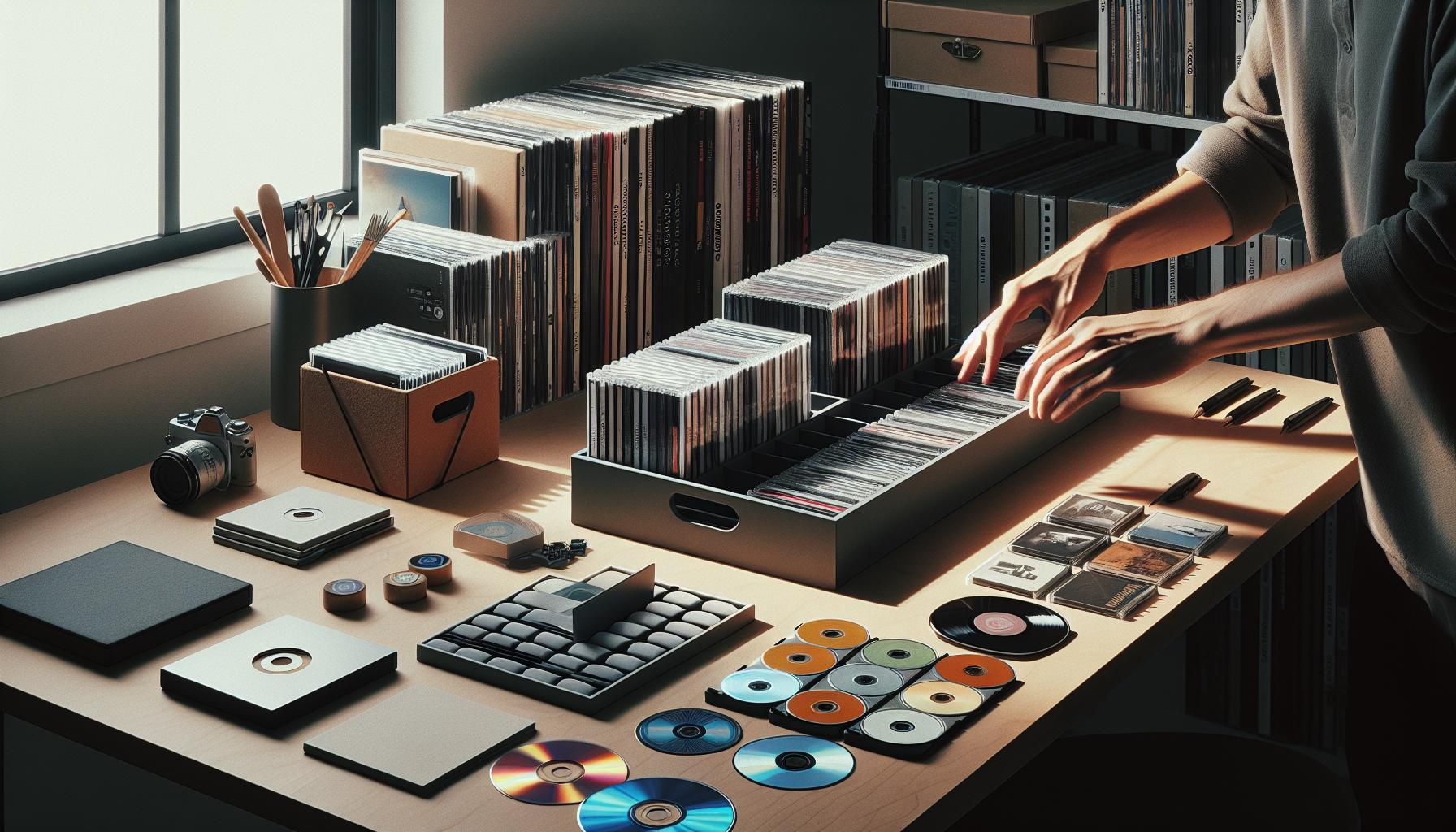
Popular Disc Types and Their Uses
The world of disc golf is rich with a variety of disc types, each designed for specific flight patterns and uses. Understanding these disc types is crucial for both new players looking to build their collections and seasoned competitors aiming to refine their game. Discs can generally be categorized into three primary types: drivers, midranges, and putters, each serving a distinct purpose on the course.
Drivers are designed for distance and speed, making them the go-to choice for long throws off the tee. Within this category, you’ll find distance drivers, which are usually more aerodynamic and require higher throwing speeds, and control drivers, which offer a more predictable flight path for technical shots. Beginners may prefer control drivers to improve their accuracy and gain confidence before moving on to faster distance drivers. The right driver in your bag can make a significant difference, so exploring models from various manufacturers is a great way to find the one that feels right for your style.
Midrange discs fill the gap between drivers and putters, offering versatility for a range of shots. They typically have a more stable flight, making them ideal for approaches and controlled tosses. Midranges excel in situations where you require a straight throw with moderate distance, allowing players to navigate tight fairways or execute tricky approach shots. Many players find keeping a few trusted midranges in their collection can significantly enhance their game strategy.
Putters are critical for the final approach to the basket, designed for short-range accuracy and low speed. Their stability allows for a more consistent flight path, making them essential for throwing inside the circle during a putt. Putters come in various shapes and plastics, providing options for grip and feel. Some players even opt for hybrid putters that can serve dual functions, offering both putting reliability and the ability to handle midrange tasks if necessary.
Incorporating all three types into your disc collection will create well-rounded options for any given situation on the course. Keep in mind that factors like weather and personal throwing style can influence the effectiveness of each disc, so don’t hesitate to experiment and find what suits your game best. Additionally, participating in your local disc golf community can yield recommendations on specific disc models based on your skill level and playing style, potentially enhancing your collection further.
Essential Equipment for Disc Collectors
The right gear can take your disc collecting from casual to committed, enhancing both your enjoyment and organization of this dynamic hobby. For many enthusiasts, the essentials extend beyond just your discs; they include tools that help manage, transport, and showcase your collection. Here’s a look at what every serious collector might find indispensable.
Storage Solutions
A well-thought-out storage solution is crucial for protecting your discs from damage while keeping them easily accessible. Consider investing in specialized disc golf bags that feature padded compartments designed to hold and protect your discs. Brands like Innova and Dynamic Discs offer bags in various sizes to accommodate everything from modest collections to expansive setups. Additionally, for those with rare or limited editions, display cases with UV protection are great for showcasing your most prized discs while keeping them in pristine condition.
Tracking Tools
Tracking your collection can become a daunting task without the right systems in place. Various mobile apps are available that allow you to catalog your discs effectively, adding details like disc type, rating, and flight path. Options like Disc Caddie or UDisc can make it easier to organize your collection and keep track of your favorites. Alternatively, a simple spreadsheet can suffice, offering a customizable way to manage your discs, their conditions, and any transaction history for buying or selling.
Cleaning and Maintenance Supplies
Maintaining your discs’ performance is vital, especially if you frequently play or display them. A basic cleaning kit should include soft microfiber cloths, mild soap, and water for scrubbing away dirt and grime. For serious collectors, a few stock solutions for deeper cleaning can also enhance your discs’ grip and longevity. Moreover, storing discs in a climate-controlled setting helps prevent warping and prolongs their lifespan, making consistent maintenance essential for value retention.
Community Connection Tools
Being part of the disc golf community adds immense joy to collecting. Join social media groups, online forums, and local clubs where you can connect with other collectors. Platforms like Facebook or Reddit have dedicated groups for disc enthusiasts where swapping, selling, or discussing rare finds becomes effortless. Developing relationships within the community can provide insights on trends and emerging products, enhancing your collection and overall experience.
With the right equipment and systems in place, collecting discs can become a fulfilling and enjoyable journey. Emphasize proper storage, tracking, maintenance, and community engagement to elevate your collecting experience, ensuring every round of disc golf is as thrilling as the last.
Tips for Tracking Your Discs Effectively
Tracking your disc collection can transform the way you engage with this dynamic hobby, providing clarity and enhancing your enjoyment. With the right approach, you can keep an accurate record of your discs, making it easier to find specific ones, monitor their condition, and even track your buying and selling history. Here’s how to streamline this process effectively.
One of the most efficient ways to manage your collection is by utilizing mobile applications designed specifically for disc enthusiasts. Apps like Disc Caddie or UDisc not only let you catalog your discs by type, brand, weight, and condition but also allow for detailed notes on each disc’s performance, including flight characteristics and personal preferences. This digital approach not only keeps your collection organized but also enables you to access your data on the go, making it simple to remember which discs you need when out shopping or trading.
For those who prefer a more traditional method, creating a simple spreadsheet can be just as effective. Here, you can set up columns for essential details such as disc brand, model, flight ratings, and even condition updates. Additionally, it’s helpful to include a column for purchase details-like where and when you bought the disc, including costs and any special notes regarding trades or unique features. This method allows for extensive customization, enabling you to structure the information in a way that best fits your needs.
When cataloging your discs, consider maintaining a visual inventory as well. Taking photos of your discs not only enhances your records but also makes it easier to remember what you own without digging through storage units or bags. You can pair these images with your cataloging efforts in apps or spreadsheets, creating a comprehensive visual guide that can be invaluable during club meetups or trades.
Lastly, regularly updating your inventory is crucial to avoid frustration. As your collection grows, set aside time every few months to review your records. This practice will help identify discs that may need maintenance, impact your upcoming purchases, and prevent the heartache of misplacing prized items. By making tracking an ongoing habit, you ensure that your passion for disc collecting remains a source of joy and organization, rather than chaos.
Understanding Disc Ratings and Flight Specs
Understanding the various ratings and flight specifications of discs is crucial for both novice and seasoned collectors. Each disc is designed with specific characteristics that determine how it behaves in the air, making it vital to comprehend these attributes to select the right disc for your throwing style and course conditions. When you understand flight ratings, you can enhance your performance and tailor your collection to suit different scenarios.
Discs are typically rated using a four-number system that indicates their speed, glide, turn, and fade. These specifications give you a clear idea of how the disc will perform:
- Speed (1-14): Refers to how fast the disc needs to be thrown to achieve optimal performance. A lower number indicates a slower disc, whereas a higher number means a faster disc.
- Glide (1-7): Describes how well a disc stays in the air. Discs with higher glide numbers will travel farther if thrown with the same power compared to lower glide discs.
- Turn (-5 to 1): Indicates the disc’s tendency to curve to the right (for right-handed backhand throws) when it’s first thrown. A negative value denotes greater left-to-right drift.
- Fade (1-5): Shows how much the disc will hook left at the end of its flight. Higher fade numbers mean a sharper hook.
To help visualize this information, consider this table summarizing common flight ratings:
| Disc Type | Speed | Glide | Turn | Fade |
|---|---|---|---|---|
| Driver | 11 | 5 | -1 | 3 |
| Midrange | 5 | 4 | 0 | 2 |
| Putter | 3 | 3 | 0 | 1 |
Understanding these ratings allows you to experiment and determine which discs work best for your style. For instance, beginners might find that a slower driver with high glide and minimal turn is easier to control, while more experienced players may choose faster discs that require more skill to handle but provide greater distance.
Moreover, throw mechanics also play a significant role in how a disc performs. Factors such as grip, release angle, and throwing power influence the flight path. As you gain experience, experimenting with different discs and techniques will deepen your understanding of disc dynamics. This knowledge not only boosts your game but also enriches your passion for collecting and honing your skills within this exhilarating sport. Through community interactions-be it in online forums or local disc golf meetups-you can further share insights and learn from others about their personal experiences with various disc brands and models.
By mastering the intricacies of disc ratings and flight specs, you can maximize your enjoyment and performance in disc golf, ensuring your collection serves you well as both a competitive tool and a treasured hobby.
Caring for and Maintaining Your Discs
To keep your disc collection in peak condition, it’s essential to understand proper care and maintenance techniques. Discs, like any sports equipment, can suffer from wear and tear, which affects their performance and longevity. Simple practices can ensure your discs not only perform well but also retain their value over time.
One of the most important aspects of disc care is cleaning. After a day of play, discs can accumulate dirt, mud, or other debris that can alter their grip and flight characteristics. To clean your discs, use a mild soap solution and a soft cloth or sponge. Avoid harsh chemicals or abrasive materials, as they can scratch the disc’s surface or degrade the plastic. After cleaning, rinse thoroughly with water and dry with a microfiber towel. This not only removes dirt but also helps maintain the disc’s grip, providing a consistent throwing experience.
Storage plays a crucial role in maintaining your discs’ integrity. Keep your collection in a cool, dry place, away from direct sunlight. Exposure to heat and UV rays can warp the plastic and affect the aerodynamics. Consider using a dedicated disc bag or a sturdy container with dividers to prevent them from scratching against one another. If you’re a serious collector with limited-edition or valuable discs, you might even want to invest in protective sleeves or cases to ensure their preservation.
Additionally, regularly inspect your discs for any signs of damage such as deep scratches, nicks, or warping. While minor wear can often be ignored, significant damage can impact flight stability and distance. If a disc has become too worn or damaged, you may need to retire it from your active collection and replace it with a new one. Establishing a habit of inspecting your discs after every few rounds can help you identify issues early.
By investing time in cleaning, proper storage, and regular inspections, you can keep your disc collection performing well and looking great. Such attention to detail not only enhances your performance on the course but also fosters a deeper appreciation for the sport and your collection. After all, a well-cared-for disc makes for a confident throw, allowing you to focus on improving your game.
Showcasing Your Disc Collection Creatively
Incorporating style and functionality into the way you showcase your disc collection can significantly enhance your enjoyment and appreciation of the sport. Imagine walking into a room adorned with vibrant discs, each representing a piece of your journey as a collector-discs that not only tell a story but also contribute to the sporty and artistic ambiance. Here are some creative ways to display your discs, whether you’re a casual enthusiast or a serious competitor.
One popular method is using a wall-mounted display rack. These racks can vary from simple wooden shelves to intricate metal designs, allowing you to create a visually appealing arrangement that highlights your favorite discs. You can organize discs by color, brand, or even by the seasons they were acquired. For those with limited wall space, consider utilizing shadow boxes where you can keep discs protected while showcasing them effectively. Adding a personal touch with labels or small artwork describing the significance of each disc can further engage visitors and fellow players alike.
Another innovative approach is to transform your display into a functional piece of decor. Use a coffee table with a glass top to create a stunning centerpiece filled with your top discs. Not only does this make a striking visual statement, but it also invites conversation among guests. For outdoor enthusiasts, consider using a decorative storage solution that combines aesthetics with accessibility-like a custom-designed disc golf bag that doubles as a display when not in use. This way, your discs are both a part of your collecting pride and ready to hit the course at any moment.
When it comes to displaying your collection, lighting is also an essential factor that can greatly enhance the visual appeal. Backlighting your display can draw attention to your discs and highlight intricate designs, colors, and details. Simple LED strip lights placed behind shelves or around the edges of a display can create a dynamic and engaging environment.
Lastly, don’t forget to include a digital element in your showcase. Consider documenting your collection and sharing it on social media or creating a personal website. This can not only help connect you with other collectors but also serve as a digital portfolio of your journey through disc collecting. Sharing tips, insights, and experiences online fosters community and legitimizes disc golf as both a collectible hobby and a recognized sport.
By embracing these creative showcasing methods, you not only celebrate your collection but also deepen your connection to the disc golf community. Make your collection a source of inspiration and pride, and who knows? You might just inspire others to start their own journey in this captivating sport.
Exploring Rare and Limited-Edition Discs
can be an exciting aspect of disc collecting, offering both unique pieces to showcase and potential investment opportunities. Collectors often find that these special discs tell their own stories, ranging from artist collaborations to commemorative releases for significant events in the sport’s history. For example, discs released to celebrate major tournaments or milestones of notable players are not only captivating but also reflect the culture and evolution of disc golf.
When diving into the world of rare discs, it’s important to remain informed about what makes a disc collectible. Factors such as the disc’s design, the number of units produced, and its condition contribute significantly to its value. Limited runs from popular manufacturers like Dynamic Discs or Innova can sell out quickly, leaving dedicated collectors eager to snag these exclusive pieces. Examples include the special edition discs that are often available during major tournaments or specific anniversaries, which can command higher prices on resale markets due to their scarcity.
Additionally, joining collector communities and participating in forums can provide valuable insights into upcoming releases and rarity status. Stay connected with social media groups or follow disc manufacturers to catch announcements about limited-edition runs. Engaging with fellow collectors can also lead to opportunities for trades, allowing you to expand your collection strategically while connecting with others who share your passion.
Lastly, consider the long-term potential of rare discs within your collection. While some may serve as display pieces, others could appreciate significantly over time, making them worthwhile investments. Keeping meticulous records of purchases, including prices and condition, is key when assessing the future value of your collection. With careful curation and dedication, not only enhances the aesthetic of your collection but can also transform your hobby into a sustainable passion for the years to come.
Building a Network: Connecting with Other Collectors
Building a strong network is one of the most rewarding aspects of being a disc collector. Connecting with fellow enthusiasts not only enhances your knowledge but also provides valuable insights, trade opportunities, and a sense of community within the sport. Many collectors start out with a few discs but soon realize that sharing their passion with others can lead to discovering rare finds and expanding their collections significantly.
To effectively build your network, consider joining local disc golf clubs or participating in community events. These gatherings are perfect opportunities to meet other collectors who share your interests. You can engage in discussions, exchange tips on maintenance and care, and explore potential trades. Social media platforms and dedicated forums are also invaluable resources for connecting with collectors worldwide. Websites like Facebook have groups specifically for disc collectors where announcements about upcoming releases and events are frequently shared.
Attending tournaments is another fantastic way to immerse yourself in the culture of disc collecting. Not only can you watch skilled players showcase their talents, but you can also interact with vendors who often sell unique or limited-edition discs. Make sure to bring some of your own collectibles to trade or sell, as this makes you more approachable and can spark interesting conversations with fellow attendees.
Lastly, staying informed about the latest trends and releases in the disc golf community can significantly strengthen your connection to other collectors. Following your favorite disc golf blogs and keeping an eye on manufacturer announcements can help you participate in discussions and be among the first to know about new collections or limited runs. By sharing this knowledge with your peers, you will establish yourself as a valuable member of the community, leading to more meaningful relationships and a richer collecting experience.
Maximizing Value: Buying and Selling Discs
Maximizing your investment in disc collecting requires more than just a passion for the sport; it calls for strategy and market awareness. As a collector, the value of your discs can fluctuate based on various factors including brand, rarity, and condition. One crucial aspect of buying and selling discs is understanding market trends. Researching recent sales on platforms like eBay or Facebook Marketplace can provide insights into current demand, helping you to gauge realistic asking prices for your items.
When purchasing discs, consider not only the brand but also the specific model and its popularity within the disc golf community. Discs from reputable manufacturers such as Innova, Discraft, and Dynamic Discs often hold their value better over time. Limited editions or discs released as tournament exclusives can also be of particular interest, as they tend to appreciate in value due to their scarcity. Don’t shy away from asking questions about condition and history when buying used discs; factors like a disc’s flight pattern and wear can significantly impact its resale value.
Selling your discs can be lucrative, especially if you’re well-informed about how to showcase them effectively. High-quality photographs and detailed descriptions are essential-highlighting features such as weight, plastic type, and any unique attributes can attract more buyers. Engage with the disc golf community by utilizing platforms such as social media groups or dedicated disc golf forums, where members are often looking to buy or trade. Attending local disc golf events can also present opportunities for in-person transactions, allowing you to build relationships that can lead to future trades or sales.
Lastly, don’t forget about the importance of maintaining your collection. Regularly cleaning your discs and storing them properly can help preserve their condition and value. Consider investing in disc cases or racks to keep them organized and protected from damage. By treating your collection with care, you’ll not only enjoy your discs more but also enhance their resale potential if you decide to sell them in the future. Collecting is a journey that combines passion with pragmatism, making each disc in your collection both a personal enjoyment and a potential asset.
Future Trends in Disc Collecting
As the disc collecting community continues to grow, several emerging trends are reshaping how collectors engage with their favorite pastime. One significant trend is the increasing popularity of limited-edition and specialty discs, which not only serve as tools for sport but also as collectibles. Manufacturers are frequently releasing unique designs, vibrant colors, and collaborations with popular figures in the sport, driving collector interest. This focus on aesthetic and limited-run pieces encourages collectors to seek out these special items, often leading to higher resale values due to their scarcity.
Moreover, technological advancements in disc manufacturing are influencing the types of discs being produced. Discs now offer enhanced durability, better flight characteristics, and innovative materials that appeal to both players and collectors. With an understanding of flight dynamics becoming more widely accessible through online resources, collectors are also more knowledgeable about what makes a disc valuable beyond mere aesthetics. This education leads to informed purchasing decisions, as collectors increasingly appreciate the technical specifications that differentiate discs in their collections.
The rise of social media platforms has also transformed how collectors connect and trade. Online communities dedicated to disc golf facilitate networking, allowing collectors to share their experiences, showcase their collections, and alert one another to available rare finds. These platforms enable a vibrant exchange of ideas and market trends, making it easier for newcomers to learn from seasoned collectors while also providing a marketplace for buying and selling.
In addition, as disc golf gains traction as a recognized sport, initiatives aimed at inclusivity and community building are becoming more prominent. Events geared toward new players, collaborations with schools, and local leagues not only expand the reach of the sport but also encourage more people to take up collecting. The infusion of fresh talent and enthusiasm into the disc golf community promises to inspire innovative collecting practices and broaden the appeal of disc collection, solidifying its place as both a hobby and a valuable investment.
With these trends in play, collectors are encouraged to stay attuned not only to market movements but also to the community’s evolving dynamics, which can provide deeper enjoyment and potential financial benefit from their collections.
Disc Collecting as a Hobby: Stories from the Community
The stories from the disc collecting community reflect a rich tapestry of passion, dedication, and personal growth. Each collector has a unique journey shaped by their experiences, shaped not just by the discs they own, but by the connections they forge and the challenges they overcome. Many collectors find themselves initially drawn to the sport as a form of exercise or a way to socialize, only to evolve into serious enthusiasts who take pride in their carefully curated collections. One notable story is that of a collector who started with a few discs from a local sporting goods store. Over time, this individual explored the world of limited editions and special runs, transforming an initial casual interest into a vibrant collection of over 300 discs, some of which are now considered rare treasures in tabletop discussions and amongst local meet-ups.
As collectors delve deeper into the hobby, they often share that the thrill isn’t just in acquiring new discs, but in the hunt itself. Frequent visits to disc golf courses and local shops, combined with online trading and networking, foster a sense of community. This thriving ecosystem allows collectors to learn about flight ratings and disc specifications through real-world testing and camaraderie. Organizing and participating in local tournaments, regions contests, and community events become not just opportunities for competition but for bonding over shared interests. Stories abound of groups of friends who began golfing together, ultimately discovering the joy of collecting as well. A vibrant example includes a weekend tournament that turned into a treasure hunt for disc gems among seasoned collectors and newcomers alike, highlighting the social aspect of the hobby.
Another inspiring tale comes from a mother who introduced her children to disc golf to spend time outdoors. As they began to collect their own discs, she found herself being swept into the passion. Now, they often compete as a family, with a collection that emphasizes not only the sport but family memories and achievements. She shares how her family tradition of trading duplicates has served as a bonding activity, turning each disc’s story into a cherished family experience.
Disc collecting isn’t just about the discs themselves; it’s about the journey, the community, and the personal stories that intertwine with each throw and every trade. As the sport continues to grow and evolve, so too will the tales that unite collectors from diverse backgrounds, each honored by the shared history and joy that comes from being part of the disc golf community. Emphasizing collaboration, education, and inclusivity, the community seeks to not only welcome new collectors but also to celebrate the stories that shape their passion for disc collecting as a legitimate and engaging hobby.
Frequently Asked Questions
Q: What is the average number of discs owned by collectors?
A: The average disc collector owns between 20 to 100 discs, though this number can vary greatly. Many hobbyists start small and gradually expand their collections as they discover new types and brands suited to their preferences.
Q: How can I determine the value of my disc collection?
A: To determine your disc collection’s value, research current market prices online using sites like eBay or specialized forums. Pay attention to brand, condition, rarity, and any limited-edition releases that may increase value.
Q: What types of discs should I focus on as a beginner collector?
A: As a beginner, focus on collecting various types of discs, including drivers, mid-range discs, and putters. Understanding each type’s specific flight characteristics will help you make informed choices and enhance your gameplay.
Q: Where can I sell my disc collection?
A: You can sell your disc collection through online marketplaces like eBay, disc golf forums, or local sporting goods stores. Be sure to take quality pictures and include detailed descriptions to attract potential buyers.
Q: What are limited-edition discs and why are they valuable?
A: Limited-edition discs are often produced in small batches and feature unique designs or stamps. Their scarcity can significantly enhance their value among collectors, making them a worthwhile investment for enthusiasts looking to diversify their collections.
Q: How do I properly store my discs to maintain their condition?
A: To maintain your discs, store them in a cool, dry place, away from direct sunlight. Consider using disc sleeves or dedicated storage containers to protect them from scratches and environmental damage, as detailed in our section on caring for discs.
Q: What is the best way to track my disc collection?
A: Utilize collection tracking apps or spreadsheets to record details such as disc type, condition, and purchase price. This practice will help you stay organized and informed about your collection’s worth, building on tips found in our article.
Q: How can I find other disc collectors in my area?
A: To connect with other disc collectors, join local disc golf clubs or online communities. Social media platforms and forums are also great places for networking, sharing experiences, and even organizing meetups or trades.
Wrapping Up
Thank you for diving into our “How Many Discs Do You Own? Collector’s Guide.” Remember, the right disc can transform your game-whether you’re just starting or looking to refine your competitive edge. Don’t wait; evaluate your collection today to see how it stacks up against our recommendations!
For more tips on maximizing your disc flight and mechanics, check out our articles on throwing techniques and equipment comparisons. If you’re keen to enhance your skills or explore community insights, subscribe to our newsletter for updates and exclusive resources. Your journey in disc golf doesn’t end here; stay engaged and keep pushing your limits!
Share your thoughts in the comments below-what’s been your favorite disc to own? As you grow as a collector, we’re excited to support you every step of the way!
Get our latest guides, news, and insights highlighted in your Google Search & AI Overviews.