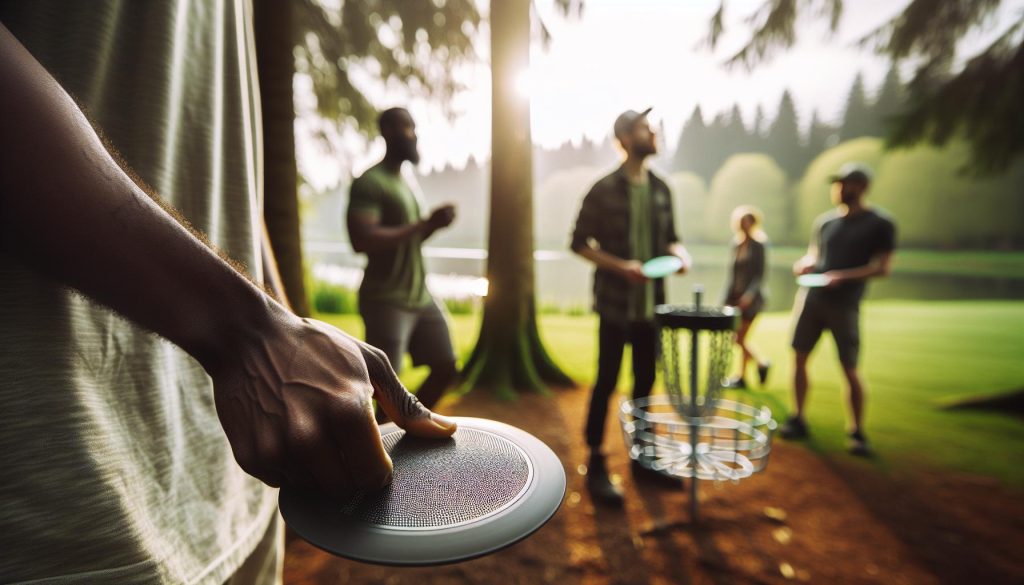
Choosing the best disc golf putter can dramatically enhance your game, whether you’re a novice or a seasoned competitor. Did you know that the right putter can improve your accuracy and boost your confidence on the green? With so many options available, selecting the perfect putter might seem overwhelming, especially with variations in weight, stability, and grip. This guide not only ranks the top putters but also explains their unique characteristics, helping you find the right fit for your throwing style and course conditions. Join us as we dive deep into the world of disc golf putters, exploring which choices can elevate your performance and enjoyment in this growing sport. Whether you’re aiming for a casual round with friends or looking to sharpen your competitive edge, understanding the best tools for your game is essential-so read on to discover the options that will take your putting skills to the next level!
What to Look for in a Disc Golf Putter
Choosing the right disc golf putter can significantly impact your game, enhancing both your confidence and performance on the course. When selecting a putter, you should consider several crucial factors that align with your playing style and skill level. One key aspect is the putter’s stability, which determines how the disc behaves in flight. Beginners may want a more stable, less understable putter for straighter flight paths, while experienced players might opt for more specialized options to execute various shots.
Another vital consideration is the weight of the putter. Most putters range from 150 to 175 grams. Lighter putters can provide additional distance on long putts, but many players prefer the consistency and feel of a heavier putter, particularly when making short-range shots or during windy conditions. It’s essential to find a weight that feels comfortable in your hand and allows for smooth, controlled throws.
The plastic type is also an important factor in your decision. Different plastics offer varying grip and durability. Soft plastics provide a tackier feel and often a more comfortable grip, making them a favorite among many players, while harder plastics tend to last longer and maintain stability over time. Knowing your local weather conditions and personal comfort can guide your choice.
Lastly, consider the disc’s shape and profile. Putter profiles can vary from traditional, dome-like designs to more flat and low-profile options. Flatter putters might be easier to handle for some players, while others prefer the aerodynamic benefits of a more rounded profile. Experimenting with different shapes can help you find what feels right for your grip and throwing style.
In summary, take your time to explore various putters, test them out, and see what works best for your unique playing style. By considering these factors-stability, weight, plastic type, and profile-you can enhance your putting game and elevate your overall disc golf experience.
Top Disc Golf Putters for Beginners
Choosing the right putter can make all the difference for beginners stepping onto the disc golf course. With a plethora of options available, it’s essential to focus on discs that not only enhance confidence but also alleviate frustration during those early rounds. A good beginner putter should be forgiving, providing the necessary feedback while promoting straight, stable flights.
Many new players benefit from choosing putters known for their consistency and comfort. Popular choices include the Innova Aviar, Discraft Buzzz, and Dynamic Discs Judge. Each of these models is designed with stability in mind, helping players develop their putting skills without the worry of excessive fade or turn. For instance, the Aviar has been a go-to for beginners due to its reliable flight path and grip, making it easier to learn the mechanics of putting. Newcomers might also appreciate the Judge, which features a slightly deeper rim, providing an assured grip and a stable release.
When selecting a putter, consider the weight, typically ranging from 150-175 grams. For beginners, starting with a putter toward the lower end of this range can assist in developing longer throwing techniques without sacrificing control. A lighter putter often results in easier elevation during the throw, allowing players to build confidence quickly.
Moreover, the type of plastic used in the putter impacts both grip and durability. Softer plastics offer a tackier feel, beneficial for those still developing their touch, while stiffer plastics tend to be more durable and stable over time. Therefore, beginners should aim to test various models to see which blend of stability, weight, and plastic feels best in hand.
Ultimately, selecting the right putter is a personal journey, reflective of individual style and preference. By focusing on forgiving models, adjusting weight accordingly, and considering plastic types, beginners can pave the way for a more enjoyable and rewarding disc golf experience. Each round played with a suitable putter builds confidence, skill, and passion for the game.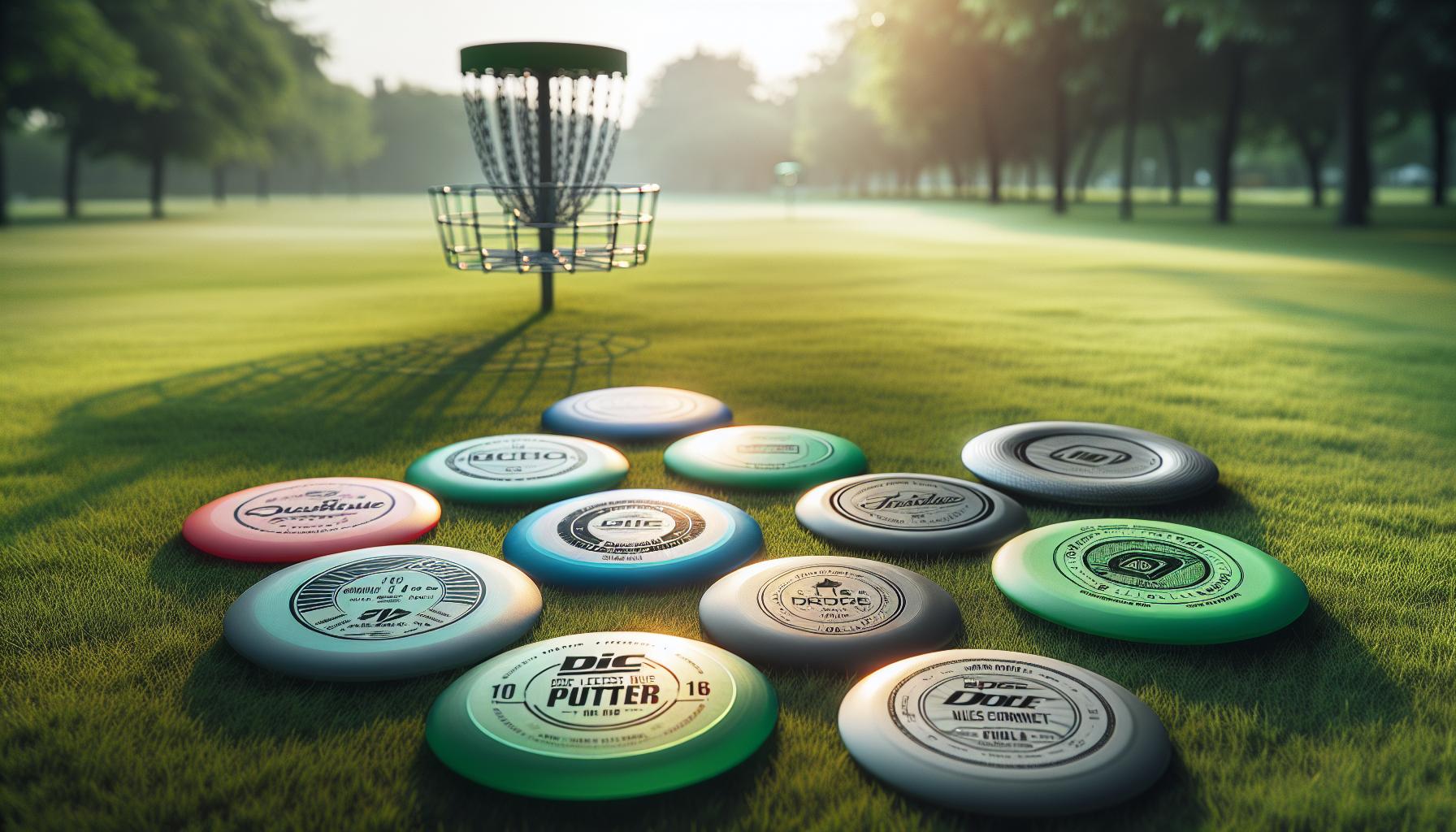
Advanced Putters: What the Pros Use
When it comes to choosing a disc golf putter, the sophisticated selections made by professional players can offer valuable insights into what makes a putter exceed expectations on the course. Pros tend to favor putters that balance precision and stability, specifically designed to tackle varied conditions with confidence. For instance, many elite players endorse the Innova P2 for its reliable straight-to-fade flight, which allows for both long-range approaches and precise putting. With its depth and ergonomic design, the P2 gives players the control necessary to execute challenging shots without sacrificing accuracy.
Another favorite among professionals is the Dynamic Discs Warden. This putter is revered for its versatility; it maintains a steady flight path that is not overly reliant on a specific throwing technique. The Warden excels in both long and short putts, making it a go-to choice for pros who aim to remain adaptable to course demands. Players often appreciate the feel of its premium plastic options, which enhance grip regardless of weather conditions.
Additionally, the Discraft Luna, a relatively newer contender, has made waves on the pro circuit. Endorsements from players like Disc Golf World Champion Paul McBeth highlight its performance and the unique blend of power and precision it offers. The Luna’s slightly overstable nature helps in windy conditions while still allowing for smooth releases when nearing the basket.
It’s crucial to understand that professional players often test a wide variety of putters before settling on those that align with their unique styles. The best approach for those looking to emulate their success is to experiment with a handful of models, ideally in different weights and plastic types. This exploration is where players can discover their personal preference, ensuring that their chosen putter not only complements their throwing mechanics but also instills confidence when standing over a critical putt. Whether adopted from curating player profiles or leaning into reviews from the community, finding the right advanced putter is key to elevating one’s game.
How Putter Weight Affects Your Game
Choosing the right weight for your putter can significantly impact your performance on the disc golf course. While many beginners might underestimate this factor, understanding how putter weight affects throw stability, distance, and accuracy can be the key to sinking those crucial putts. Generally, putters are available in a range of weights, typically between 150 to 180 grams. Each weight class serves its own purpose and can behave differently in flight, making it important for players to align their choice with their throwing style and the conditions on the course.
A lighter putter, for instance, can be beneficial for players who are looking for greater control and a softer landing, especially on delicate approaches where touch is crucial. Weighing around 150-160 grams, these putters are often favored by newer players or those with a slower throwing speed, as they can help achieve a smoother release and are easier to handle during finesse shots. On the flip side, heavier putters, typically over 170 grams, offer more stability in windy conditions and can provide consistent distance with a stronger grip. They tend to cut through the air more effectively and resist being pushed off course by gusts, making them ideal for seasoned players aiming for precision in challenging conditions.
Players should also consider how their putting stance and techniques may change based on the weight of their disc. For example, if you find your putts tend to be pushed too far off target or lack the necessary momentum, it might be time to experiment with a heavier model. Conversely, if you struggle with control, switching to a lighter putter might reveal a new level of accuracy. Each player’s experience is unique, and finding the right weight often involves trial and error in practice rounds or casual play.
Ultimately, the best way to discover the ideal putter weight is through hands-on experimentation. Many retailers allow players to test out different models, and local disc golf communities often host events to try out new gear. Engaging in these opportunities can lead to an enhanced understanding of how weight affects your game, allowing you to make an informed decision that could ultimately translate into a lower score on the course. Remember, the perfect putter is not just about brand or plastic; it’s about finding the right weight that aligns with your personal throwing dynamics and enhances your overall performance.
Plastic Types: Finding the Right Grip
Choosing the right plastic type can significantly elevate your performance on the disc golf course, particularly when it comes to your putter. The feel of the disc in your hand can make or break your confidence as you approach the basket. Each type of plastic offers distinct characteristics, impacting grip, flexibility, and durability-the key factors to consider when hunting for your perfect putter.
When evaluating plastic types, you’ll typically find a broad range, including baseline, premium, and special blend materials. Each category has its strengths:
- Baseline Plastics: These are generally more affordable and provide a softer grip, which is great for beginners who may need a little extra traction during their throws. A putter made of baseline plastic will typically wear in faster, offering a unique feel over time as the wear enhances grip.
- Premium Plastics: Designed for improved durability and consistent performance, premium plastics often have a slicker surface. They retain their form longer and resist environmental wear, which means they can provide a consistent grip throughout various weather conditions. Players often prefer these for competitive play due to their reliability.
- Special Blends: These plastics combine features from both baseline and premium options, offering unique textures or weights that can be advantageous. For instance, soft blends might enhance the grip without sacrificing durability, allowing for a smoother release on putts.
Another consideration is the disc’s flex and stiffness. Softer putters can offer a better grip and feel, especially in cold weather, but they might not provide the same stability as firmer models when facing windy conditions. Some players prefer a stiff putter for its predictability on longer putts, while others may excel with a more flexible variety for shorter, more delicate shots.
Ultimately, finding the right grip comes down to personal preference and play style. It’s advisable to test different types at your local disc golf store or during community events. Bring your favorite models and see how various grips feel in your hand, considering how each handles in different scenarios-be it for short-range putts or longer approaches. With a little experimentation, you can discover the perfect balance of comfort and performance that lets you play your best game.
Disc Flight Characteristics Explained
Understanding how disc flight characteristics influence your game is essential for selecting the right putter. Discs are designed with specific flight patterns in mind, and each putter provides distinct behaviors based on its weight, shape, and rim design. To become a successful player, familiarizing yourself with these characteristics can lead to better performance on the course.
At the heart of disc flight are four key factors that determine how your disc behaves once thrown: speed, glide, turn, and fade. Each of these attributes plays a unique role:
- Speed: This indicates how fast a disc needs to be thrown to achieve maximum distance. Lower-speed putters (typically 2-4) are designed for stability and accuracy, making them ideal for close-range shots. Conversely, faster discs (5+) can travel further but can be more challenging to control.
- Glide: Glide refers to a disc’s ability to stay in the air once thrown. A higher glide (typically 4-6) indicates that the disc will maintain its flight path longer, making it useful for those who want to sink longer putts. Lower glide discs tend to descend more quickly, which can be advantageous in windy conditions.
- Turn: This describes how a disc behaves during its flight path, especially when first released. Negative turn (usually indicated as -1 to -3) means the disc will bend to the right (for a right-handed backhand throw) at the beginning of its flight. This can help create a more graceful entry into the basket. Positive turn indicates a more stable flight, holding straight with less drift.
- Fade: Fade is the tendency of a disc to hook left at the end of its flight (for right-handed backhand throwers). A stronger fade (rated 2-5) can help ensure the disc lands where intended, providing reliable finishing behavior after a longer flight path.
Choosing a putter that suits your throwing style involves understanding these dynamics. For instance, beginners may prefer a putter with higher glide and lower speed to help them accurately gauge distance and enhance confidence when putting. However, experienced players might gravitate toward discs with specific fade ratings to fine-tune their throwing mechanics under various conditions.
As you practice, pay close attention to how different putters react based on these characteristics. Experiment with multiple styles and weights in different throwing scenarios to see how they affect your accuracy and feel. Over time, the right balance of speed, glide, turn, and fade will emerge as your preferences solidify, allowing you to make informed decisions that align with your unique playing style and contribute to your growth as a disc golfer.
Best Brands: Comparison of Top Manufacturers
When it comes to choosing the right disc golf putter, the brand can significantly influence performance, feel, and durability. Each manufacturer has carved out a niche within the disc golf community, offering a diverse range of products tailored to varying skill levels and preferences. Understanding the strengths and weaknesses of these brands will help you make a well-informed decision, whether you’re just starting or looking to refine your game.
Popular Brands and Their Features
A few key brands consistently rise to the top of most players’ lists. Innova is one of the oldest and most recognized names in disc golf. Their putters, like the Aviar, are known for their classic feel and versatility, making them a go-to for beginners and professionals alike. Innova’s extensive lineup allows players to pick options that balance stability, glide, and fade according to their needs.
Discraft is another powerhouse, famed for its ability to combine quality with innovative design. Their Buzzz and Magnet putters are celebrated for their straight flight paths, giving players confidence on the green. Discraft excels in producing durable plastic types, ensuring that their discs maintain their flight pattern after extensive use.
Dynamic Discs has gained a reputation for creating reliable putters like the Judge and Warden, which offer exceptional grip and performance. Players often praise Dynamic Discs for their commitment to quality manufacturing and supporting the growing sport. Their putters cater to a variety of throwing styles, ensuring that everyone can find a suitable option.
MVP Disc Sports, known for its unique electrostatic technology, provides putters that stand out in terms of design and performance. The Atom and Spin offer excellent control, making them favorites among advanced players. MVP’s commitment to innovation ensures that they’re always pushing the envelope in disc design, appealing to competitive players.
Table: Brand Comparison
| Brand | Popular Models | Best For | Key Features |
|---|---|---|---|
| Innova | Aviar | All skill levels | Versatile, widely accepted |
| Discraft | Buzzz, Magnet | Reliable distance | Durable plastic, stability |
| Dynamic Discs | Judge, Warden | Grip and control | Excellent feel, variety of options |
| MVP | Atom, Spin | Advanced players | Unique design, control |
Ultimately, the best brand for you will depend on your throwing style and personal preferences. Don’t hesitate to try out different putters from various manufacturers to find the one that feels right in your hand and meets your playing style. Remember, disc golf is not only about the equipment you use but also how well it matches your skills and game strategy. Happy putting!
How to Choose the Right Putter for You
Choosing the perfect putter can feel like an overwhelming task, especially with the myriad of options available in the disc golf market. However, selecting the right putter tailored to your specific style and preferences can dramatically improve your game. A putter should feel like an extension of your hand; its weight, grip, and flight characteristics play a pivotal role in your overall performance on the green.
To begin, identify your primary putting style. Are you a fan of the straight-line approach, or do you prefer a slight hyzer or anhyzer release? Understanding the nature of your throws will guide you toward the right disc characteristics. For example, if you tend to throw more on a hyzer angle, consider a putter that offers stability; discs with a slightly more overstable flight path can help in mitigating any unwanted turns during your release. Alternatively, if you favor a straight flight, look for a more neutral putter, which will hold your line and distance without veering off course.
Next, explore weight preferences. Putter weights generally range from 150 to 175 grams. Beginners may benefit from lighter putters, which provide ease of control and longer hang time during the throws. As you develop your skills and strength, you may wish to transition to heavier putters, known for their wind resistance and ability to maintain stability in adverse conditions. Finding the right weight goes hand in hand with personal comfort and feel, so don’t hesitate to test different weights to see what works best for you.
Grip and Plastic Types
Choosing the right plastic type is also essential. The feel of the disc in your hand can affect your release and accuracy. Discs made from softer plastic types typically provide a better grip, especially in wet conditions, while stiffer plastics might offer more durability and stability over time. Models such as the Innova Aviar offer various plastic blends, allowing you to experience both comfort and performance based on your playing conditions.
Lastly, don’t underestimate the value of practice and feedback from the community. Engage with local players, join casual rounds, or look for workshops focused on putting techniques. Here, you can often try out different putters, enabling you to find the one that feels most comfortable for your unique style. The more you explore what works best for you, the more consistently you will improve your short game. Remember, the right putter is the one that helps you build confidence with every stroke as you navigate the course. Happy putting!
Putting Techniques: Tips from the Experts
Mastering the art of putting in disc golf can elevate your game from amateur to competitive, yet many players underestimate its significance. Distinct from throwing, putting is all about precision and consistency-elements that come with practice and understanding. Seasoned players often emphasize the importance of developing a solid routine, as it can significantly enhance your confidence and performance on the course. An effective putting routine allows you to establish a rhythm, helping to minimize distractions and settle nerves during those crucial shots.
One expert tip is to focus on your stance and alignment. Stand with your feet shoulder-width apart, which provides a solid base, while keeping your shoulders parallel to your target line. This alignment establishes a clear visual connection between your body and your intended trajectory, ensuring that your putter’s path is directed toward the target. Many successful putters also advocate for a consistent follow-through, which should mirror your stance; a strong follow-through reinforces the integrity of your shot and helps with distance control.
Practice Drills
To sharpen your putting skills, consider integrating specific drills into your practice routine. Here are a few effective ones:
- Circle Drills: Mark a 10-foot radius around the basket and practice putts from various angles within that circle. This will help you build confidence and improve your ability to make crucial short-range shots during a round.
- A Milestone Approach: Start from a fixed distance, say 20 feet, and gradually increase your distance as you make consecutive putts. This progression helps you gauge your improvement over time.
- One-Handed Putting: Practice putting with your non-dominant hand. This drill enhances muscle memory and improves overall coordination, allowing you to maintain better control in varied conditions.
Another critical aspect is mental preparation. Visualization plays a major role in successful putting. Before each putt, take a moment to visualize the disc’s path to the basket, imagining every detail, from the throw to landing in the basket. This mental imagery can help alleviate pressure and keep focus sharp during rounds, especially when stakes are high.
In the world of disc golf, putting is an art that combines mechanics with mindfulness. By embracing these techniques and weaving them into your routine, whether you’re a beginner or a seasoned competitor, you can enhance your skills and, ultimately, your enjoyment of the game. Stay dedicated, remain patient, and you’ll find that every putt becomes an opportunity to improve.
Course Management Strategies: Putter Usage
Mastering how to use your putter strategically during a round of disc golf is essential for any player looking to improve their game. Understanding course management with regard to putter usage can make the difference in scoring and maintaining momentum. Each disc golf course presents unique challenges that require careful planning, particularly concerning your approach to the basket.
One of the critical strategies is assessing the layout of the course before making your putts. Evaluate the distance, obstacles, and slope around the basket. For example, if you are near the edge of a hill, a heavier putter may provide better stability against wind, while a lighter putter could help control a shorter jump putt. Moreover, recognize whether it’s a high or low ceiling; knowing when to throw a hyzer or anhyzer will enhance your chances of a successful putt.
When it comes to decision-making on the course, having a consistent putting routine is invaluable. Stick to a routine that includes checking your alignment and stance. Visualize the path your disc will take; this mental preparation can mitigate pressure and boost your confidence, especially during tight matches. If you regularly practice with your putter under game-like conditions, you can develop a deeper understanding of your disc’s flight characteristics and can predict how it will respond in various situations.
Additionally, consider the importance of risk management. Sometimes, playing it safe with a simple layup is the best option, even if you’re tempted to go for a more aggressive putt. Avoiding unnecessary penalties can save strokes over time. As you become more familiar with your putter and how it flies under different conditions, you’ll be better equipped to make these pivotal decisions that impact your overall performance on the course.
In the ever-growing community of disc golf, sharing strategies and insights on putter usage fosters learning and camaraderie among players of all skill levels. Emphasizing thoughtful course management not only enhances technical skills but also enriches the communal experience of disc golf, allowing everyone to enjoy the sport to its fullest.
Maintenance Tips for Disc Golf Putters
Maintaining your disc golf putter is crucial for ensuring optimal performance during your rounds. A well-cared-for putter not only improves your game but also extends the lifespan of the disc. Many players underestimate the importance of routine maintenance, but neglecting this aspect can lead to inconsistencies in your putting.
To keep your putter in peak condition, start with proper cleaning. After each round, wipe down your disc with a damp cloth to remove dirt and moisture. This simple step prevents grime from building up, which can affect the disc’s grip and stability. For deeper cleans, a gentle dish soap solution works well; avoid harsh chemicals that can degrade the plastic. Once cleaned, dry the disc thoroughly to prevent mold and odors.
Another critical maintenance tip is to regularly inspect your putter for any signs of wear or damage. Look for scuffs, chips, or warping that can alter its flight characteristics. If you notice any significant blemishes, it might be time to retire the disc or use it for practice rather than competition. Additionally, storing your putter in a protective case can shield it from unnecessary impacts and environmental factors that can cause deterioration.
When it comes to the plastic type, understanding its durability can also guide your maintenance practices. Some plastics are more prone to wear than others; for instance, softer blends may develop scrapes more easily, affecting the disc’s grip. If you’re using a premium plastic putter, it’s worth investing in a designated place in your bag or case to prevent contact with other discs that could cause scratches or dents.
Ultimately, developing a routine around your putter’s maintenance can lead to improved performance on the course. Treating your putter with respect not only honors your investment but also enhances your overall disc golf experience. Communicate with fellow players about their maintenance tips and techniques, as sharing knowledge is a fundamental aspect of the disc golf community, fostering growth and learning for players at all levels.
Analyzing Player Profiles: Pros and Their Putters
Understanding the preferences and choices of professional players can provide invaluable insights when selecting a disc golf putter. Pros often fine-tune their equipment to match their unique throwing styles and the specific demands of high-level competition. Analyzing player profiles reveals patterns that can guide both beginners and advanced players in their search for the perfect putter.
Many top professionals gravitate towards specific models known for their reliability and performance under pressure. For instance, renowned players like Paul McBeth and Paige Pierce have popularized the use of the Axiom Envy and Dynamic Discs Judge, respectively. The Envy is favored for its consistent flight path and versatility across various putting scenarios, making it an excellent choice for players looking to improve their accuracy from both short and long distances. On the other hand, the Judge’s unique design provides a stable throw with a reliable finish, which can boost confidence in high-stakes situations.
When assessing the characteristics of putters used by the pros, consider factors such as stability, grip, and weight. Experienced players often recommend medium to heavy weights for better control during the putting stroke, as this helps mitigate gusts of wind and provides a more predictable release. It’s common to see pros favoring putters between 173-175 grams, which offers the right balance between stability and distance control.
Moreover, the material and molding of the disc play a significant role in grip and durability. Professional players frequently opt for premium plastics that withstand wear and tear while providing excellent grip, even in adverse weather conditions. Brands like Innova and Discraft typically offer a range of such options, catering to both competitive and recreational players.
Ultimately, understanding how pros select their putters-based on personal preferences, grip, weight, and flight characteristics-can illuminate the path for aspiring players. It’s not just about the brand but how well the putter aligns with an individual’s throwing mechanics and course strategy. Engaging with the disc golf community, whether through forums or local clubs, can also facilitate exchanges of knowledge and experiences, enhancing the overall learning process.
Frequently asked questions
Q: What is the most popular disc golf putter among professionals?
A: The Innova Aviar is renowned as one of the most popular putters among professional disc golfers. Its versatile design and reliable flight characteristics make it a top choice for various putting styles. For a comprehensive comparison of professional putters, see our section on Advanced Putters: What the Pros Use.
Q: How do I choose the right disc golf putter for my skill level?
A: To choose the right putter, consider your skill level and throwing style. Beginners may prefer heavier disc models for stability, while more experienced players might opt for lighter putters for greater control. Explore our section on How to Choose the Right Putter for You for detailed guidance.
Q: Why does the weight of a disc golf putter matter?
A: The weight of a putter profoundly influences its performance, including stability and distance. Heavier putters can provide a more controlled and predictable flight path, ideal for beginners. To understand more about weight impacts, refer to How Putter Weight Affects Your Game.
Q: What plastic types are best for disc golf putters?
A: Different plastic types affect the grip, durability, and flexibility of disc golf putters. Premium blends often provide superior grip and longevity, making them appealing for seasoned players. For a breakdown of plastics, see our section on Plastic Types: Finding the Right Grip.
Q: Can I use a midrange disc as a putter?
A: While technically possible, using a midrange disc as a putter is generally not recommended. Midrange discs typically offer more distance and less control than dedicated putters. For insights into disc characteristics, check out Disc Flight Characteristics Explained.
Q: What are the best techniques for putting in disc golf?
A: Effective putting techniques include maintaining a consistent stance, focusing on your grip, and following through smoothly. Practicing with different putters can also enhance your technique. For advanced tips, see our section on Putting Techniques: Tips from the Experts.
Q: How do different disc golf putters affect my game strategy?
A: Different putters can influence your game strategy by affecting your approach and execution on the course. A stable putter might enhance confidence on short, precision shots, while a more overstable option could assist in windy conditions. Explore strategies in Course Management Strategies: Putter Usage.
Q: What maintenance is required for disc golf putters?
A: Proper maintenance of your putters involves regular cleaning to remove dirt and debris, checking for warping, and storing them properly to maintain shape. For in-depth tips, visit Maintenance Tips for Disc Golf Putters.
The Conclusion
As we wrap up our exploration of the best disc golf putters, remember that choosing the right one can significantly impact your game, enhancing accuracy and consistency on the course. Don’t hesitate to apply the insights shared here to elevate your performance. Be sure to check out our related articles on “Top Tips for Improving Your Putting Technique” and “Best Disc Golf Bags for Storage and Comfort” for more valuable information that will keep your skills sharp and your gear organized.
Ready to take the next step in your disc golf journey? Explore our comprehensive guides and product reviews for all your disc golf needs and join our newsletter for exclusive updates and tips straight to your inbox. Whether you’re a beginner or looking to refine your competitive edge, the right resources are just a click away. Share your thoughts below or connect with fellow enthusiasts in our community-we’d love to hear about your favorite putters and putting strategies. Your perfect game awaits, so let’s drive toward success together!