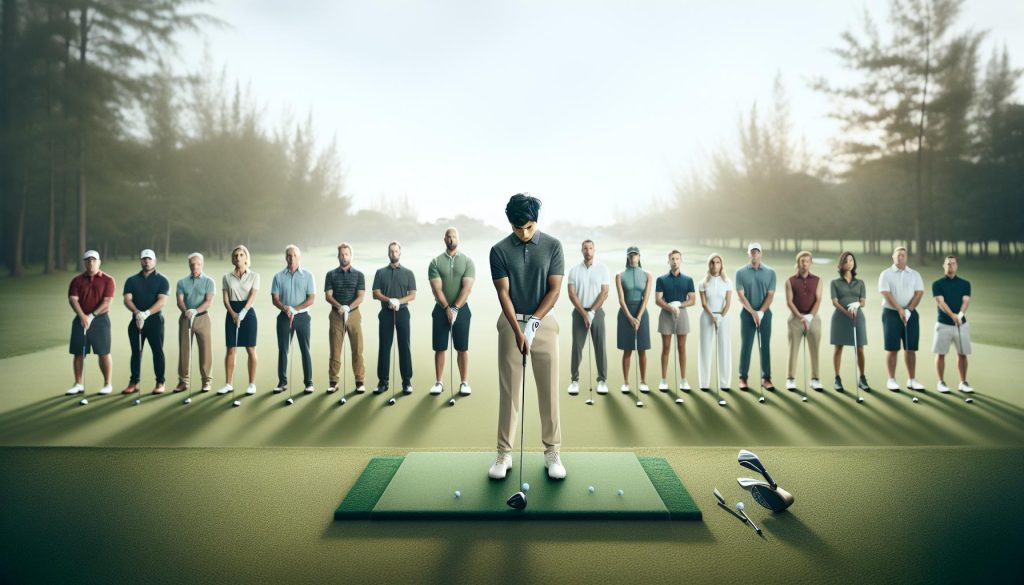
What is the average distance for disc golf drive for new senior old players is an essential factor in modern disc golf course play, equipment setup, and tactical execution. Our comprehensive guide provides actionable course tips, disc flight mechanics, equipment recommendations, and tournament-tested strategies to help disc golfers optimize their scoring and course performance.
Did you know that the average drive distance varies significantly among disc golfers based on their skill level? Understanding typical shot lengths is crucial for players looking to improve their game and maximize their potential on the course. Whether you’re a novice still mastering your technique or a seasoned competitor aiming to refine your skills, knowing what to expect in terms of drive distance can shape your training and strategy.
In this article, we’ll explore the relationship between skill level and drive distance, providing insights that cater to both budding players and experienced athletes. By examining techniques, disc specifications, and training tips, you’ll find valuable information that helps you elevate your performance, no matter where you are on your disc golf journey. Get ready to dive deep into the world of shot lengths and discover how you can improve your game!
Understanding Drive Distance: What It Means for Players
Disc golf, much like its ball golf counterpart, places significant emphasis on drive distance, a key performance metric for players at all levels. The average drive distance varies widely among players, influenced by factors such as skill level, technique, and physical conditioning. For beginners, establishing a solid foundation often means focusing on developing consistent, accurate throws rather than just sheer distance. This understanding of drive length can help players set realistic goals and create a training regimen tailored to their growth.
To effectively improve drive distance, players need to appreciate the mechanics of disc flight and how different types of discs behave in the air. Each disc is designed to perform specific tasks, and selecting the right one can enhance throwing distance dramatically. Understanding the disc’s speed, glide, turn, and fade can assist in making informed choices on the course. Moreover, employing proper throwing techniques can lead to significant gains in distance. For instance, a well-executed ‘X-step’ can generate additional momentum, helping players leverage their body weight for a more powerful release.
Weather conditions also play a crucial role in determining drive distance. Players must learn to adapt their throws based on wind speed and direction, an essential skill that can make or break a performance in competitive settings. Practicing in varying conditions can enhance a player’s ability to gauge how external factors influence their throws. As players progress, they will find that successful drives are not solely based on strength but are a combination of technique, strategy, and equipment choice. Embracing this multifaceted approach is vital for anyone looking to enhance their game and optimize their distance on the course.
Moreover, as personal anecdotes and community insights reveal, it’s not uncommon for players to find dramatic improvements through small adjustments, whether that’s refining their grip, adjusting their stance, or even changing their mental approach to each throw. Celebrating these victories, big and small, fosters a sense of camaraderie and motivation within the disc golf community, encouraging players to continue pushing their boundaries and achieving new personal bests.
Key Factors Affecting Shot Distance in Disc Golf
In the game of disc golf, shot distance is often a player’s ticket to both strategic advantages and personal pride. Understanding the key factors that influence how far a disc travels is essential for all players, from novices to seasoned pros. Several elements come into play when it comes to maximizing shot distances, and focusing on these can lead to considerable improvements in your game.
One of the most significant factors is the type of disc being used. Discs are categorized based on their speed, glide, turn, and fade. Speed indicates how quickly the disc will cut through the air, while glide refers to how long it can stay in the air before descending. A disc with a high speed and glide rating can typically achieve longer distances. The turn rating helps players understand how a disc will behave during its flight; a disc that turns more will often offer longer throws for less experienced players, as it can help maintain an optimal flight path. Lastly, the fade rating defines how a disc will finish its flight, often affecting distance as it drops back towards the ground. Therefore, selecting a disc that aligns with your skill level and throwing style is crucial.
Technique also plays an integral role in shot distance. Players must master the mechanics of throwing, with an emphasis on generating power through body movement and not just arm strength. The famous “X-step” technique allows players to establish momentum and balance, which can translate to longer throws. Additionally, focusing on grip and follow-through can significantly impact the release angle and spin of the disc, which are critical for maximizing distance. Practicing these techniques regularly can help players develop muscle memory and improve overall shot stability.
External conditions such as wind and terrain can’t be overlooked in the quest for longer throws. Wind can drastically alter a disc’s flight path, so becoming adept at reading and adjusting for weather conditions is key. Players often train under different weather conditions to build this skill. Moreover, understanding the course layout and strategizing throws based on elevation and obstacles can help players conserve energy and optimize their shot distances effectively.
As players work to enhance their drive distance, it’s important to stay patient and methodical. Progress in disc golf, particularly in terms of distance, often comes from incremental adjustments and a thorough understanding of the fundamentals. The community is full of inspiring stories of players who have overcome challenges through perseverance and dedication, showing that with practice and the right mindset, anyone can achieve their distance goals on the course.
Typical Shot Lengths by Skill Level: A Breakdown
In the world of disc golf, understanding typical shot lengths based on player skill levels can significantly inform training and strategy. Different players achieve varying distances due to experience, technique, and equipment, and recognizing these differences sets the foundation for personalized improvement. Here’s a breakdown that illustrates how skill impacts shot distances across various levels, from beginner to advanced competitors.
For beginners, the focus is primarily on developing fundamental techniques and understanding how discs react to throws. New players often achieve shot lengths ranging from 150 to 225 feet. This distance is entirely reasonable as they learn to harness grip, stance, and follow-through. Regular practice, dedication to form, and understanding basic flight patterns are essential for establishing this foundation and gradually extending it.
As players transition to the intermediate level, they begin to refine their techniques and select appropriate discs that enhance their performance. At this stage, typical shot lengths climb to about 225 to 350 feet. Intermediate players often experiment with different disc types and learn to leverage body mechanics to improve distance. They develop familiarity with aspects such as angle of release and spin, which are critical for maximizing shot length. Practicing advanced techniques like the X-step can noticeably increase distances achieved at this level.
Advanced players, often participating in competitive play, can achieve impressive shot distances ranging from 350 to 500 feet or more. Mastery of mechanics, combined with a deep understanding of disc flight characteristics, allows these players to execute complex shots with precision. They continually adapt their strategies to course layouts while exploiting their physical strength, conditioning, and mental acuity. Their experience also enables them to read weather conditions effectively, ensuring they’re prepared for any challenge that may affect their throw.
Recognizing these typical shot lengths is vital. Each skill level has its distinct characteristics and training requirements, and understanding where you fit in can guide your practice. By setting realistic distance goals tailored to your current ability, you can incrementally improve your performance on the course. Members of the disc golf community often share inspiring stories of progression, showcasing that with commitment and the right approach, anyone can elevate their game and enjoy the beauty of the sport.
Beginner Shot Distances: Setting the Foundation
In the realm of disc golf, setting a solid foundation as a beginner is crucial for long-term success and enjoyment of the game. New players can typically achieve shot distances between 150 to 225 feet-this range is not only achievable but also important for developing the skills necessary to progress. As you embark on your disc golf journey, you’ll begin to understand how essential grip, stance, and follow-through are in influencing your throw distance and accuracy.
To effectively increase your throwing distance, consider starting with a few key techniques. Focus on establishing a proper grip on the disc; a comfortable and controlled grip allows for a smoother release. As you prepare for a throw, maintain a balanced stance that aligns your shoulders with your target. This alignment is foundational, helping to harness your body’s momentum. The follow-through is equally important-it’s not just about the initial throw, but how your arm continues through the motion, maintaining speed and control.
Regular practice is vital for cultivating these fundamentals. Try to incorporate repetition into your routine: practice different types of throws in various scenarios, from flat throws to hyzers and anhyzers. Observe how each throw affects the disc’s flight pattern and learn to make adjustments based on your findings. Over time, you’ll develop not only muscle memory but also an intuitive understanding of how different discs respond to your throws.
In addition to technique, choosing the right equipment can impact your learning curve. Beginners often benefit from using lighter discs that are more forgiving on release errors. Look for options that are designed for beginners, typically labeled as “understable,” which can help improve lift and distance. As you practice and become more comfortable with your throws, you’ll find yourself moving towards faster and more stable discs, ultimately expanding your range and enhancing your overall game.
Becoming a skilled disc golfer takes time and dedication, but the journey is rewarding. Set incremental distance goals, celebrate small achievements, and remember that each throw is an opportunity for improvement. By focusing on these fundamentals, you’re not only laying down the groundwork for increased shot distances but also fostering a deeper appreciation for the sport and its community.
Intermediate Disc Golf Distances: Skills in Progress
Moving into the intermediate stages of disc golf offers an exciting opportunity to refine skills and expand shot distances. Players at this level typically achieve throws ranging from 225 to 350 feet, depending on their technique, equipment selection, and understanding of disc aerodynamics. This progress not only benefits individual performance but enhances overall enjoyment of the game.
Developing Your Technique
Revisiting the fundamentals is essential, even for more seasoned players. Focusing on elements such as body rotation, timing, and weight transfer can significantly impact throwing distance. One effective method to improve these areas is through the X-step-a technique that optimizes your momentum and engages your entire body. When executing the X-step:
- Start with a side stance, focusing on your dominant side.
- Step back with your non-dominant foot while pivoting your hips to initiate a powerful throw.
- As you step forward, shift your weight onto your front foot and release the disc smoothly, ensuring a follow-through that drives your arm across your body.
Another critical component is understanding disc selection. Intermediate players can benefit from a mixture of stability ratings to maximize distance based on specific throws. Discs labeled as stable can provide reliable flight paths, while those labeled under the “overstable” spectrum are excellent for minimizing turnovers in windier conditions.
Wind and Weather Considerations
The environmental elements can radically influence shot distance and accuracy. Strong winds can affect the disc’s stability; thus, players must learn to adjust their throwing techniques accordingly. For example, throwing into a headwind often requires a more nose-down angle to prevent the disc from rising too high and drifting unpredictably. Conversely, tailwinds can help carry the disc farther, allowing for more aggressive throws.
Honing your skills in varied conditions not only prepares you for tournament scenarios but also enhances your adaptability on the course. Practicing under different weather conditions will cultivate resilience while adding an element of excitement to your training sessions.
Ultimately, the path from beginner to intermediate in disc golf is paved with a mix of technique refinement, thoughtful equipment choices, and experience in varying playing conditions. Embrace the learning curve, celebrate your progress, and don’t hesitate to seek feedback from the vibrant disc golf community, where seasoned players can offer valuable insights to enhance your game further.
Advanced Players: Maximizing Your Drive Distance
Successfully achieving maximum distance in disc golf requires a combination of advanced technique, understanding disc dynamics, and strategic training. Advanced players have the potential to throw discs over 400 feet, but achieving these distances isn’t purely about strength; it’s about harnessing technique and knowing the equipment. The mechanics of the throw, combined with the physical condition of the player and the environmental factors at play, can significantly influence overall performance.
To enhance your driving distance, focus on the progression of your throwing mechanics. *Timing and release point* are critical; the optimal release angle significantly affects how far your disc travels. Ensure you are utilizing the full range of your body’s motion-from your legs up through your shoulders-effectively transferring that energy through to your fingertips during the release. Incorporating drills that refine these aspects, such as practicing with a weighted disc or visualizing ideal trajectories, can build muscle memory and improve your confidence when tackling longer throws.
Selecting the Right Disc
Your choice of disc can vastly change your driving capability. Advanced players often have a well-rounded collection tailored to various types of throws and weather conditions. Discs with a *higher speed rating*, for example, allow for greater distance if thrown correctly. However, it’s crucial to pair speed with stability; a disc that is too stable might struggle to turn while one that is under-stable can lead to unpredictable flights. Understanding how different plastic types and disc profiles affect flight characteristics is essential for maximizing distance.
Consider consulting quality comparison tables for disc specifications and perform side-by-side tests to gauge how different discs perform under varying conditions. This not only helps in selecting the right disc but also fosters a deeper understanding of disc flight dynamics, which will be beneficial in competitive settings.
Training Regimen and Conditioning
Lastly, physical conditioning should never be overlooked. Players should focus on strength training concentrated on core and leg muscles, as they are pivotal in generating power during a throw. Inclusion of flexibility and balance exercises can help mitigate injuries and enhance overall throwing performance. Many elite players have specific workout routines that they follow religiously, combining strength training, agility drills, and intense throwing sessions that simulate competitive play.
Remember, even as an advanced player, continuous improvement is the key to maintaining competitive edge. Participate actively in local tournaments, engage in the community, and never hesitate to ask for feedback or tips from fellow players. There’s always something new to learn in the evolving landscape of disc golf, allowing you to refine your drive and elevate your game.
Comparing Disc Types: Which Offers Longer Throws?
The choice of disc dramatically impacts a player’s ability to maximize their drive distance in disc golf. With the right disc, a player can enhance their throwing performance significantly, allowing them to achieve longer and more controlled throws. Discs are categorized by various attributes including speed, glide, turn, and fade, all of which play a crucial role in determining how far and accurately a disc can travel.
Understanding the speed of a disc is fundamental; higher-speed discs, usually rated from 13 to 15, are designed to cover greater distances but require more advanced throwing technique and arm speed. For instance, a disc with a speed rating of 14 will significantly outperform a lower-speed disc when thrown with proper mechanics. However, beginners should start with lower-speed discs to develop their form before transitioning to faster models. Additionally, choosing a disc with the right glide (rated from 1 to 7) is crucial. Discs with higher glide help maintain lift in the air which can add considerable distance to throws if the player can achieve the proper release angle.
- Stability: Understanding disc stability can also affect distance. Discs labeled as overstable resist turning over during flight and are ideal for strong throws, while under-stable discs are easier to flip but may require careful handling by more skilled players.
- Plastic Type: Different plastic types yield varying levels of durability and grip. Premium plastics often provide better grip and performance but might cost more. Experimenting with different brands can help players find what suits their throwing style best.
As players refine their skills, utilizing a well-rounded selection of discs will allow them to adapt their throws to different course conditions and hole layouts. For example, a player may choose a specific disc for a windy day that provides stability against gusts while opting for a more under-stable disc on calm days to exploit distance potential through hyzer flips and turnovers.
In competitive play, it’s not uncommon for advanced players to have several discs with varying characteristics on hand, allowing them to make on-the-fly adjustments based on environmental variables. Engaging with your local disc golf community can also provide insights into preferred disc types among top players, leveraging collective knowledge for personal growth. Emphasizing the importance of disc types is essential to crafting a successful disc golf strategy, as the right equipment choices directly correlate with increased drive distances, supporting players in their journey to mastering the game.
Throwing Mechanics: Improving Your Shot Power
The foundation of improving shot power in disc golf lies in mastering throwing mechanics, which not only increases distance but enhances accuracy and control. Observing professional players reveals that powerful throws result from a synergy of technique, body mechanics, and mental focus, all of which can be refined through practice and understanding. A well-executed throw is not merely about arm strength; it integrates the entire body, from leg drive to shoulder rotation, ensuring maximum energy transfer from the ground through to the disc.
To start, players should focus on their stance and grip, which set the stage for power generation. A stable base is critical; feet should be shoulder-width apart with knees slightly bent, allowing for a strong, grounded position. As you prepare for the throw, a comfortable grip which isn’t overly tight will ensure better control and smooth release. The ideal grip pressure is firm but relaxed, enabling fluid movement. When initiating the throw, utilize rotational power from the hips and shoulders, pushing forward as if your body is a coiled spring, ready to unleash energy. This technique emphasizes using large muscle groups, which are far more powerful than the musculature of the arm alone.
Follow-Through and Release
The follow-through is where finesse meets power. After the disc leaves your hand, your arm should extend fully in the direction of the throw, following through vertically to achieve optimal lift and distance. A common mistake is to cut the follow-through short, which can sap power and affect accuracy. An effective way to practice this is by focusing on a “point of follow-through” beyond your intended target. Visualization plays a significant role in coupling mechanical execution with mental clarity; envision your throw’s end as fluid and unhindered.
It’s essential to recognize that every player is unique, and developing personal mechanics to enhance power might include experimenting with different techniques. Video analysis can provide insights into your form, revealing subtle inefficiencies that may be corrected with targeted drills. Regular practice and feedback, whether from oneself or others, will help players identify strengths and areas for improvement, ultimately leading to increased drive distances in consistently achieving your goals on the course.
The Role of Wind and Weather in Drive Distance
In disc golf, environmental factors can dramatically influence drive distances, and understanding how to adapt your game in varying conditions is crucial for success on the course. Winds, for example, can either aid or hinder a player’s throw. A tailwind can help propel the disc farther by providing additional lift, making it easier to achieve impressive distances. Conversely, a headwind can force the disc downward, requiring players to adjust their angle of release and throw technique to compensate. Knowing how to assess wind direction and speed, and altering your strategy accordingly, can result in more effective throws.
Weather conditions such as rain and temperature also play significant roles in drive performance. Wet, humid conditions can alter the grip on your discs and affect the disc’s flight path. During rainy days, players often find that using a textured disc or a grip-enhancing spray can help maintain control. Conversely, in colder weather, discs tend to become stiffer, which may cause them to fly differently than expected. Adjusting your throwing style to maintain warmth and flexibility in your grip can prevent loss of distance due to cold temperatures.
Moreover, understanding the disc’s flight characteristics in various weather conditions is essential. For instance, discs with higher stability ratings often perform better in windy conditions, staying true to their intended line despite the challenges of shifting air currents. As you practice, pay attention to how different discs behave under varying conditions, so you can make informed choices during tournaments and competitive play.
To optimize your performance, consider establishing a routine for evaluating weather conditions before a round. Checking weather forecasts for wind speed and direction, and assessing course location can help you prepare mentally. Incorporating drills that simulate windy conditions into your practice can also enhance your adaptability, ensuring that you are ready to handle whatever nature throws at you on the day of the competition. By blending environmental awareness with well-honed techniques, you can significantly improve your drive distances, regardless of the weather.
Course Analysis: Strategy for Lengthy Holes
When facing lengthy holes on a disc golf course, understanding course strategy becomes vital for achieving optimal drive distances and overall performance. These holes often test a player’s technique, mental focus, and strategic planning, making it crucial to approach them with a well-thought-out game plan. Successful navigation of these courses not only depends on physical abilities but also on analyzing the layout and adapting your strategy accordingly.
One key aspect of strategizing for longer holes is recognizing the terrain and potential obstacles. For example, identifying slopes, trees, and other hazards can influence your disc selection and throwing technique. Players should assess the flight paths that their discs will take and determine how to best navigate these obstacles. For instance, utilizing a lower, more controlled line may help avoid trouble and offer a safer route to the basket.
- Wind Conditions: Always check the wind direction and strength before throwing, as they can significantly affect disc flight. Windy conditions might require you to adjust your release point and angle to maintain accuracy and distance.
- Disc Selection: Choose discs that complement your throwing style and course layout. For long drives, a fairway driver or distance driver with the right stability can help maximize your distance, while mid-ranges may be useful for accuracy on approach shots.
- Throwing Technique: Focus on your mechanics. A smooth, powerful release is key for long drives. Consider incorporating drills that enhance your form and increase your throwing power, like working on your follow-through and grip.
- Mental Game: Stay composed and confident throughout the hole. Visualizing your ideal throw and relaxing into your routine can enhance performance during critical moments.
Another important factor is recognizing when to play conservatively. If a hole seems particularly tricky, it can be wise to prioritize positioning rather than distance. Taking an extra stroke to ensure a straighter shot may set you up for an easier approach to the basket. Player stories often emphasize the balance between attacking aggressive lines and ensuring a safe landing, which can ultimately contribute to a better overall score.
Lastly, remember to adapt to your own rhythm and strengths as a player. Analyze previous performances on similar holes and adjust your strategy based on what worked-be it trying different discs or varying your throwing mechanics. By combining thoughtful course analysis with personal insights, you can approach lengthy holes with confidence and improve your chances of achieving long drives and successful rounds in disc golf.
Training Techniques: Boosting Your Drive Performance
Training for improved drive performance in disc golf is both an art and a science, and developing your skills requires a well-rounded approach focused on various elements of technique, physical conditioning, and mental strategy. To maximize your distance on the course, consider integrating specific drills and exercises that target key aspects of your throwing mechanics. For instance, strengthening your core and lower body can significantly enhance your stability and power during the throw. Exercises like squats, lunges, and rotational movements are excellent for building the muscle groups that contribute to a powerful drive.
In addition to physical conditioning, practicing specific throwing drills can dramatically improve your technique. Taking advantage of field practice, use markers to measure your throws progressively, focusing on consistency over distance initially. Emphasize a proper grip, ensuring that your fingers are positioned effectively to maximize spin and control. Practice the “X-step” to develop a smooth, powerful run-up, which often leads to more efficient energy transfer into the throw. Incorporating drills such as reaching back fully on your throw and following through to the target can also greatly improve your mechanics and distance.
Leveraging the power of visualization is another essential technique; players often underestimate the impact of mental preparation. By visualizing your ideal throw before you execute it and maintaining a calm, focused mentality during each session, you can create a lasting impression in your mind. This practice builds confidence and reinforces good habits, allowing you to perform better under competitive pressure.
Lastly, don’t overlook the importance of flexibility and recovery in your training regimen. Stretching exercises and proper warm-ups can prevent injury and enhance your range of motion, ultimately improving your throw. Remember, integration of these elements can lead to significant improvements in your drive distance, making you both a more formidable player on the course and a part of the vibrant disc golf community. Whether you’re just starting or aiming for professional levels, these training techniques can elevate your game and enhance your enjoyment of this dynamic sport.
Success Stories: How Pros Enhance Their Distances
Achieving impressive drive distances in disc golf is not merely a matter of strength; it’s a culmination of technique, practice, and sometimes even a touch of inspiration from the pros. Many elite players have honed their skills through years of dedication, adapting their throwing styles and equipment choices to maximize performance. Consider the journey of players like Paul McBeth and Simon Lizotte, who have pushed the boundaries of what’s possible in the sport. Their success isn’t just attributed to natural talent; it’s the result of strategic training, consistent practice, and an understanding of the nuances involved in their throws.
One effective strategy that many professionals use involves selecting the right disc types and weights tailored to their specific throwing styles. For instance, heavier discs tend to be more stable in windy conditions, but some players may opt for lighter discs to enhance their distance by maximizing their throwing speed. By experimenting with different plastics and weights, players can find the perfect combination that suits their unique throwing mechanics. Additionally, observing how these pros adjust their grips and stances under varying conditions serves as a valuable lesson for amateurs looking to elevate their game.
To put these strategies into practice, aspiring players can look to incorporate specific drills that focus on accuracy and distance. Many pros advocate for the “power pocket” technique, which emphasizes storing energy in the disc during the pull-back phase before unleashing it in a powerful, controlled throw. Practicing field work with measured distances can help players visualize their improvement over time. Moreover, incorporating strength and flexibility training, akin to what top pros do, can lead to significant gains in overall performance. Understanding that drive distance is not just a measure of physical capability but also an art form can inspire players to embrace the complexities of the game.
The disc golf community continues to grow and inspire, highlighting that every player, regardless of skill level, can improve their drive distance through dedicated practice and a willingness to learn. By looking to the experiences and successes of professionals, newer players can adopt effective techniques and strategies that not only enhance their performance but also deepen their engagement with the sport they love. Celebrating these journeys and sharing insights creates a vibrant, supportive environment that fosters improvement and enthusiasm within the disc golf community.
Frequently Asked Questions
Q: What is the average drive distance for beginner disc golfers?
A: Beginner disc golfers typically achieve an average drive distance of 150 to 250 feet. Focusing on throwing mechanics and form is essential for improving distance. Training consistently and practicing specific techniques can enhance this distance significantly over time.
Q: How does throwing technique affect disc golf drive distance?
A: Throwing technique greatly influences drive distance in disc golf. Proper mechanics, including grip, stance, and follow-through, maximize power and accuracy. Beginners should practice drills to develop these fundamentals, which can lead to noticeable improvements in their throw distance.
Q: What disc types are best for maximizing drive distances?
A: To maximize drive distances, players should consider stability ratings of discs. Distance drivers with high glide and a lower fade typically yield longer throws. Experimenting with different disc types, such as more overstable vs. understable options, can help players find the best fit for their throwing style.
Q: How does weather impact driving distance in disc golf?
A: Weather conditions, particularly wind speed and direction, significantly affect drive distance. Strong headwinds can reduce throw distance, while tailwinds can boost it. Players should adapt their throwing techniques and choose appropriate disc types according to the weather for optimal performance.
Q: When should I transition from practice to real gameplay for improving drive distance?
A: It’s beneficial to transition from practice to real gameplay when you feel consistently confident with your basic throwing mechanics. Aim for a distance increase of 10-20% in controlled practice before heading into competitive play. This ensures you can effectively apply learned skills in a game setting.
Q: What training techniques can help boost drive distance?
A: Training techniques such as strength conditioning, flexibility exercises, and specific throwing drills can significantly boost drive distance. Incorporating practices like plyometrics and shoulder stability workouts will enhance overall throwing power. Consistency is key for seeing long-term improvement.
Q: How do different skill levels influence expected shot lengths?
A: Skill levels have a direct correlation with expected shot lengths. Beginners throw averaging 150-250 feet, while intermediate players can reach 250-350 feet. Advanced players often exceed 350 feet, utilizing refined techniques and stronger disc selection. Progressively challenging oneself is vital for improving shot lengths.
Encourage readers to explore more about throwing mechanics and training techniques to further enhance their disc golf skills!
Concluding Remarks
Thanks for diving into “Drive Distance: Typical Shot Lengths by Skill”! We hope that understanding the disc flight characteristics and throwing mechanics helps you elevate your game. Remember, whether you’re a beginner developing your skills or a competitor looking to refine your strategy, the right approach can make all the difference. Don’t miss out on our detailed guides on technique and equipment comparisons that can further enhance your understanding of this growing sport.
If you found this information valuable, explore our articles on common throwing mistakes to avoid and the top discs for various skill levels. Join our community by subscribing to our newsletter for expert tips and exclusive content. Your next throw could be the breakthrough you’ve been waiting for-let’s keep the momentum going! Please share your thoughts or experiences in the comments below; we love hearing from fellow enthusiasts.
Key Course Considerations and Strategic Navigation for What is the average distance for disc golf drive for new senior old players
When developing a strategic approach around what is the average distance for disc golf drive for new senior old players, players should account for essential technical and environmental factors:
- Course Layout and Terrain: Elevation changes, tree canopy density, and natural water hazards dictate whether to prioritize distance off the tee or controlled fairway positioning.
- Disc Selection and Flight Ratings: Matching disc speed, glide, turn, and fade to wind conditions and arm speed prevents costly kicks into heavy rough.
- Footwork and Release Consistency: Smooth, balanced run-ups and clean follow-throughs produce repeatable release angles on hyzer, flat, and anhyzer lines.
- Mental Strategy and Risk Management: Assessing landing zones and high-percentage scramble routes preserves par and minimizes double-bogeys during tournament rounds.
Disc Golf Equipment Specifications and Flight Matrix
| Disc Golf Element / Category | Primary Specification | Recommended Flight Characteristic | Strategic Application |
|---|---|---|---|
| Distance Driver | Speed 11–14, Wide Rim | High speed, sharp rim, controlled fade | Maximum distance off tee on open fairways |
| Fairway Driver | Speed 6–9, Moderate Rim | Neutral turn, predictable finish | Tight wood lines, tunnel shots, placement drives |
| Midrange Disc | Speed 4–5, Deep Rim | High glide, straight flight path | Accurate approach shots, control in tight gaps |
| Putt & Approach | Speed 1–3, Blunt Edge | Low glide, minimal skip, bead/beadless | Circle 1/2 putting, layups, short upshots |
Frequently Asked Questions About What is the average distance for disc golf drive for new senior old players (FAQ)
What is the best way to improve accuracy for What is the average distance for disc golf drive for new senior old players?
Focus on consistent footwork, maintaining a level reachback, and matching disc stability to your natural throwing speed rather than overpowering the disc.
How do wind conditions affect disc selection?
Headwinds make discs fly more understable (turn more), requiring more overstable discs, while tailwinds make discs fly more overstable (fade earlier), requiring lighter or more understable discs.
What equipment is essential for playing disc golf courses?
A balanced starter set with a putter, midrange, and fairway driver, along with a comfortable disc golf bag, chalk bag, and course-ready athletic footwear.
Get our latest guides, news, and insights highlighted in your Google Search & AI Overviews.