Many people enjoy tossing a Frisbee, but when it comes to disc golf, the equipment and techniques used can vary significantly. Understanding the differences between Frisbees and disc golf discs is essential for anyone looking to excel in this rapidly growing sport. Not only do disc golf discs offer unique designs that enhance performance, but they also cater to different skill levels and throwing styles.
In this article, we’ll explore how the manufacturers approach disc development, the varying materials used, and how these factors impact flight characteristics and player experience. Whether you’re a curious newcomer wanting to understand the basics or an experienced player aiming to refine your skills, grasping these distinctions can elevate your game. Dive in with us to discover how the right choice of disc can make all the difference on the course!
Differences in Frisbee and Disc Golf Manufacturing
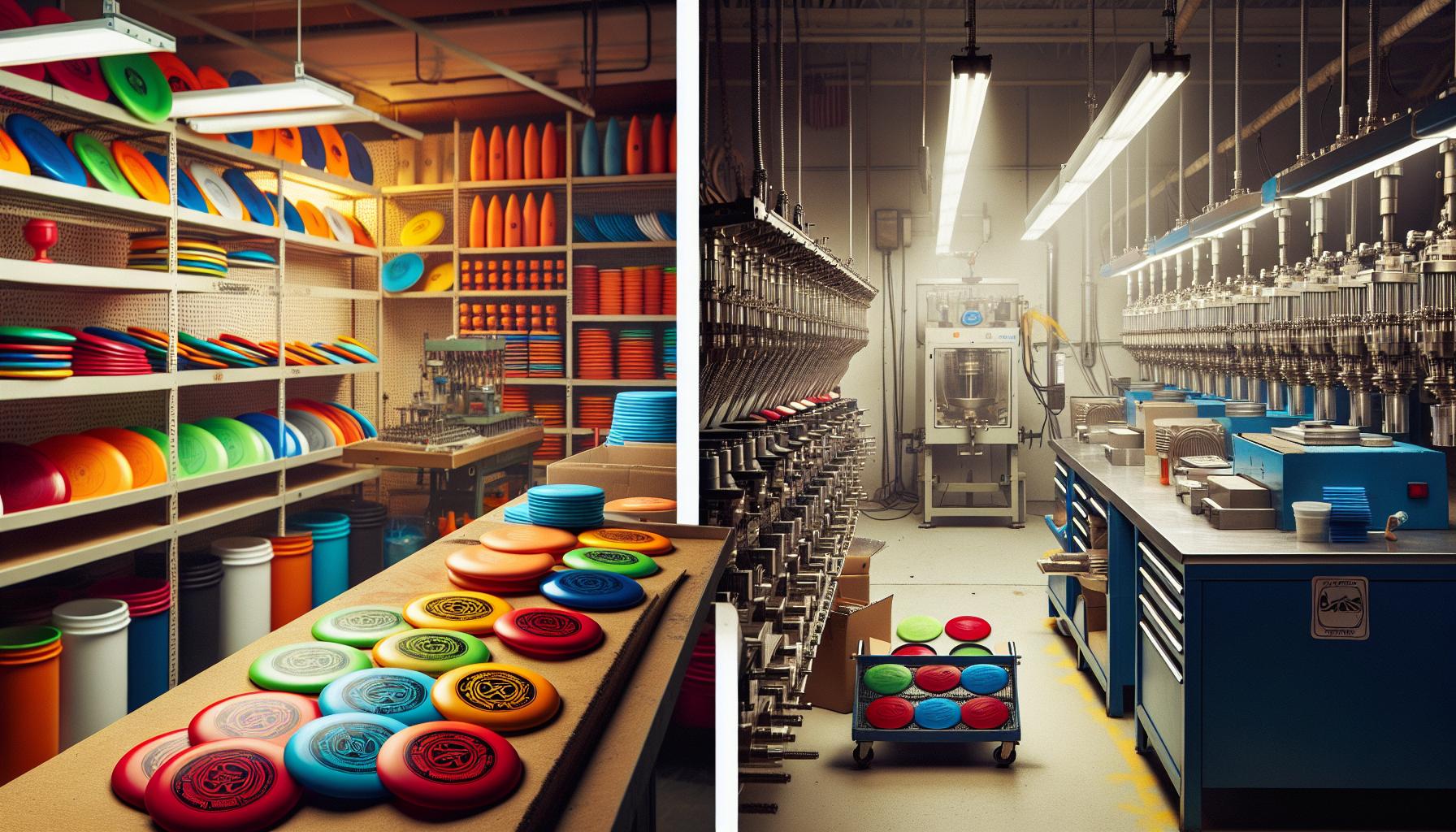
The manufacturing processes behind Frisbees and disc golf discs diverge significantly due to their intended uses and performance requirements. Frisbees, originally marketed as toys, focus on recreational play, featuring a more uniform design that prioritizes glide and ease of throw. In contrast, disc golf discs are engineered with specific performance characteristics that cater to various throwing styles and competitive play.
To achieve the different performance metrics, manufacturers utilize varied materials and techniques. Frisbees are often made from flexible plastics that enhance their durability against impacts and allow for vibrant colors and designs. They benefit from a design that promotes a smooth, consistent flight path for casual throws. Disc golf discs, however, are typically produced with stiffer plastics that provide better stability and control. The manufacturing process also includes varying the disc’s weight distribution, allowing players to choose discs that can achieve a range of flight paths, including hyzers, anhyzers, and straight throws.
Aerodynamics play a critical role in both Frisbees and disc golf discs, yet the specifications can be dramatically different. Disc golf discs are designed with a focus on stability and speed ratings, which determine how they will respond to throws, while standard Frisbees may prioritize ease of catch. For instance, disc golf enthusiasts often look for specific profiles that suit their throwing technique and desired shot shape. The specifics of rim width, profile height, and release angle can drastically alter flight outcomes, making understanding these differences crucial for players aiming to improve their game.
Ultimately, the community and technological advancements in both sports have driven innovation and customization options. As disc golf has grown in popularity, manufacturers have responded with a plethora of disc types suited for everyone from beginners to seasoned pros, focusing on features like grip, weight options, and even personalized designs. This dedication to enhancing performance directly through manufacturing practices illustrates the evolving nature of both Frisbees and disc golf equipment, each catering to their unique audiences and gameplay styles.
Understanding Disc Golf Discs: Types and Materials
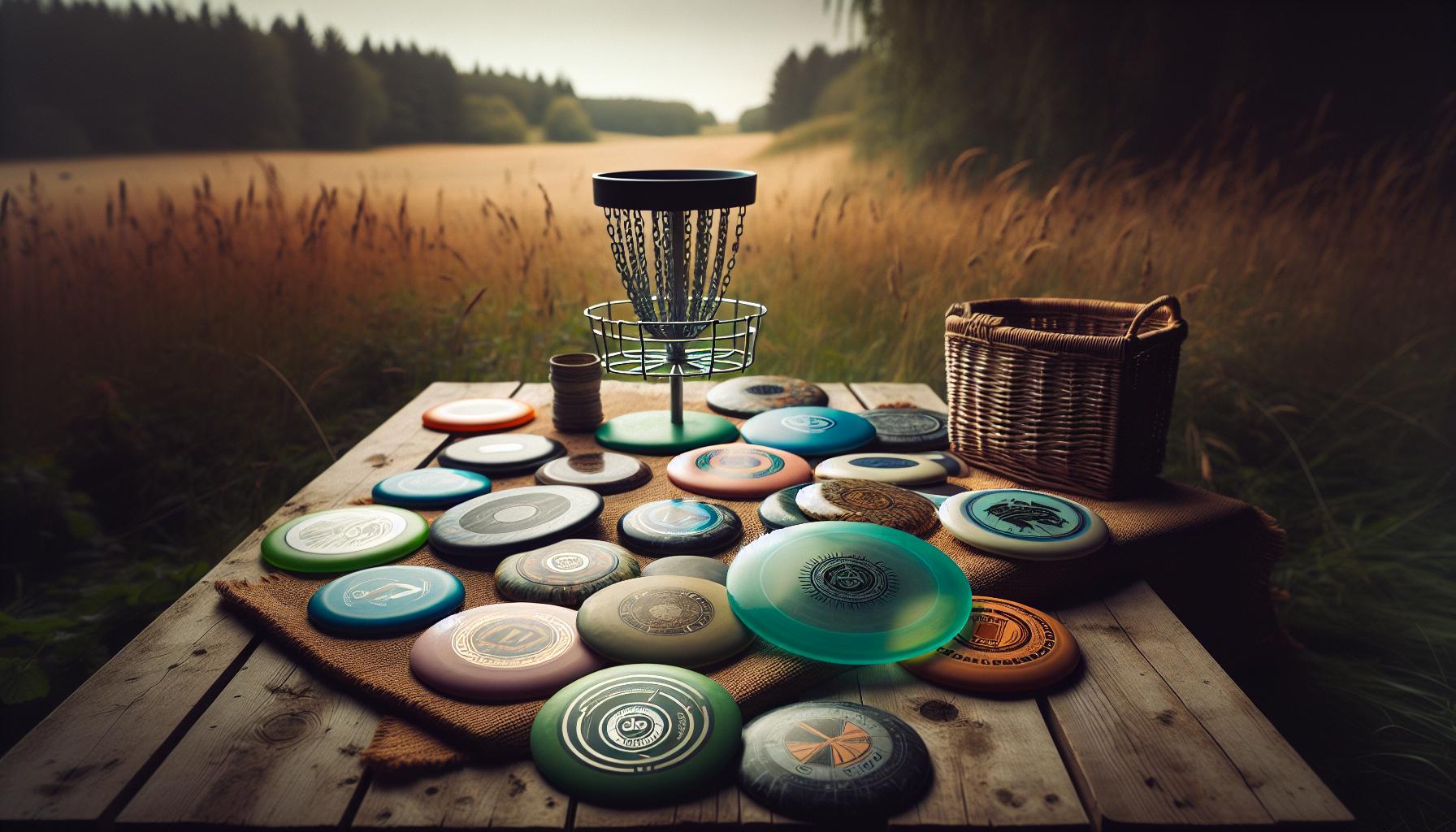
Understanding the types and materials of disc golf discs is essential for players looking to enhance their skills and enjoy the game more fully. Disc golf discs are meticulously engineered with performance-specific attributes that cater to different throwing styles, bag setups, and course conditions. Unlike traditional Frisbees, which emphasize carefree play, disc golf discs are designed to provide precision and control, featuring a diverse range of options tailored to every player’s needs.
The main categories of disc golf discs include putters, mid-ranges, and drivers. Each type serves a unique purpose. Putt and Approach Discs are typically heavier and designed for stability and accuracy, helping players confidently navigate the final strokes toward the basket. Mid-range Discs offer a balance of distance and control, often used for approach shots where accuracy is crucial. Distance Drivers are built for maximum speed and distance, with aerodynamic profiles that favor long, high-speed throws. Each disc in these categories is crafted from distinct materials to enhance its intended flight characteristics.
Materials play a pivotal role in how a disc performs. Most disc golf discs are made from various types of plastics, ranging from softer blends that provide good grip to much stiffer formulations that promote durability and long-lasting flight performance. For instance, premium plastics are often utilized for high-end discs, offering a smoother flight path and more resistance to wear, making them ideal for competitive play. Newer players might gravitate towards more affordable, durable plastic options that still maintain a solid performance level, ensuring a good experience as they learn the intricacies of the game.
Selecting the right disc can be overwhelming, especially given the numerous options available. Players should consider their skill level, throwing style, and comfort with different disc types. It’s common for beginners to start with a multi-disc set, which typically includes a putter, a mid-range, and a couple of drivers, like the popular beginner sets from manufacturers like Westside Discs or Thought Space Athletics, which design their products to enhance the learning experience [1] [2]. Understanding the unique properties of each disc type and material enables players to make informed choices that align with their gameplay preferences, ultimately enhancing their performance on the course and enjoyment of the sport.
Frisbees vs Disc Golf Discs: Design and Aerodynamics
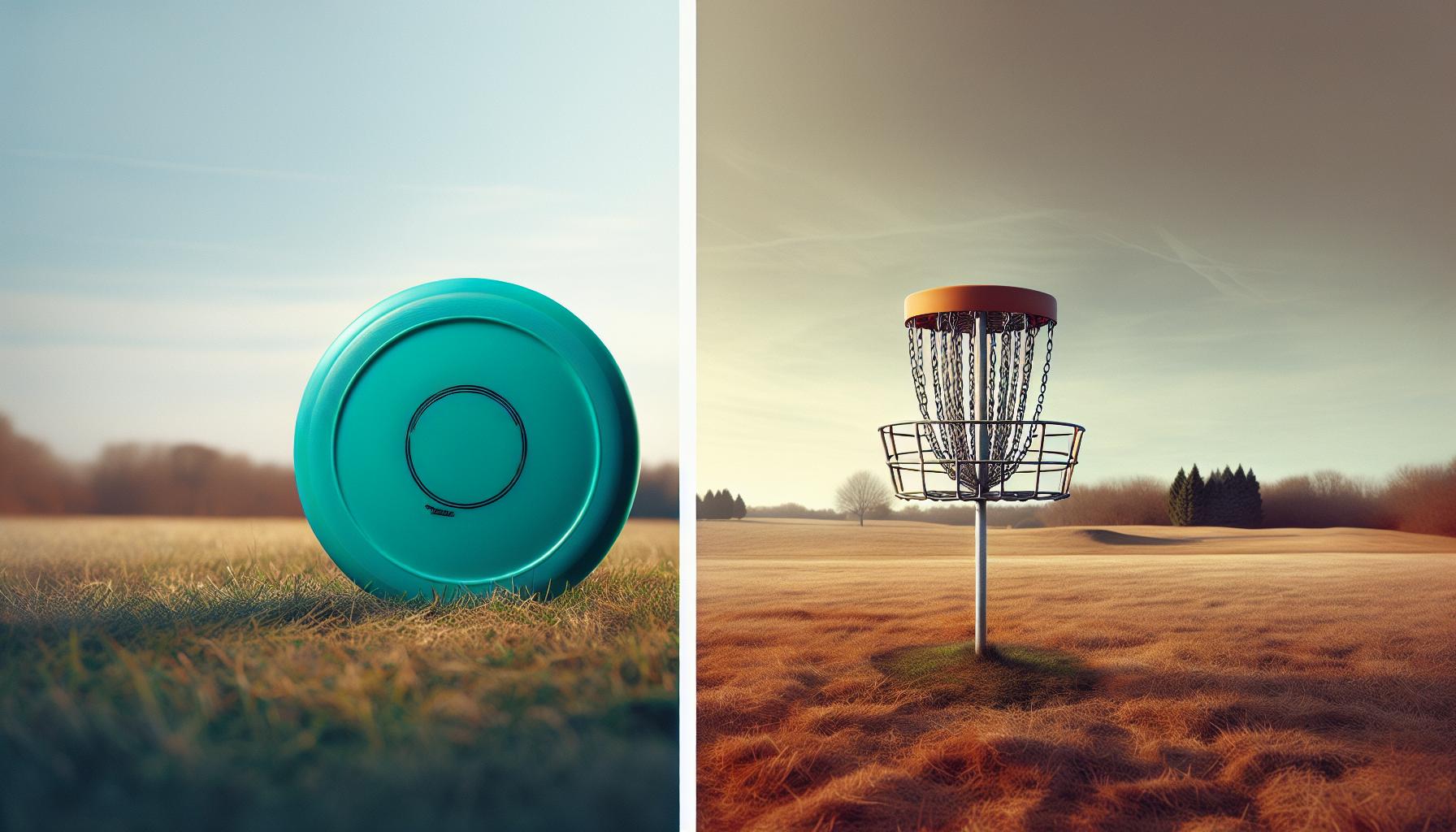
When considering the differences between Frisbees and disc golf discs, one cannot overlook the thoughtful engineering behind their design and aerodynamics. Frisbees are primarily designed for casual play and fun; their broad, rounded shape encourages floating glides with less emphasis on precision. In contrast, disc golf discs are meticulously crafted with specific flight characteristics to cater to the targeted needs of disc golfers, enhancing both control and performance on the course.
Disc golf discs are segmented into three main categories: putters, mid-range discs, and drivers. Each of these types features distinct aerodynamic profiles tailored for varied throwing techniques. For example, putters are typically heavier with a flatter design, allowing for stable flights that help players effectively navigate towards the basket. Mid-range discs bridge the gap, offering a combination of speed and control, thus enabling players to execute measured approach shots. Meanwhile, distance drivers are engineered for maximum speed and glide. They often possess sharp edges and a pointed nose, allowing for long throws that achieve significant distance while maintaining an intended flight path.
The materials used in manufacturing these discs further influence their aerodynamics. Many disc golf discs are made from durable plastics that can enhance grip and stability. Manufacturers are increasingly using advanced materials to create discs with specific flex and stiffness, effectively affecting how they cut through the air. This science behind disc production not only enhances performance but also ensures consistent flight patterns that players can rely upon during competitive play. For instance, premium plastics are often utilized in higher-end models, allowing for smoother flight trajectories, while budget-friendly options still provide adequate stability for beginners learning the game.
In a growing sport like disc golf, the community is aware that selecting the right disc can significantly impact their game outcomes. Understanding how various designs affect flight is crucial, and players frequently share their experiences to help newcomers navigate the plethora of choices. Whether you’re just starting or a seasoned competitor, appreciating the nuanced design between recreational Frisbees and specialized disc golf discs can profoundly enhance both enjoyment and performance in this vibrant sport.
Key Features That Impact Performance
The flight of a disc is influenced by several key features, making understanding these aspects essential for optimizing performance on the course. One of the most significant factors is the Disc Type. Each category-putters, mid-range discs, and drivers-has been designed with a specific flight purpose in mind. For instance, putters are typically engineered for stability and accuracy at shorter distances, while drivers are designed for maximum speed and distance. This differentiation allows players to select a disc tailored to their specific throwing needs and environmental conditions.
Another critical component is the Disc Stability. Discs are often categorized as stable, understable, or overstable. Stability refers to how a disc behaves during its flight path. A stable disc will maintain a straight line during a throw, while an understable disc will turn right (for a right-handed backhand throw) before fading back, and an overstable disc will resist turning over, making it ideal for windy conditions or strong throws. Understanding stability helps players anticipate disc behavior and effectively plan their shots.
The Weight of the Disc also plays a crucial role in its performance. Discs generally range from 150 to 180 grams. Lighter discs are easier to throw for beginners and can achieve significant distances with less effort. Conversely, heavier discs offer more control and are less susceptible to wind. It’s essential for players to experiment with different weights to find the balance that suits their throwing style and strength.
Lastly, the Plastic Type contributes significantly to durability and grip. Discs are made from varied plastics, ranging from soft and grippy blends, which provide excellent control, to harder, more durable plastics that withstand wear and tear from trees and rocks. Premium plastic types usually allow for better flight consistency over time, providing a more reliable experience as players progress in skill.
By considering these features-disc type, stability, weight, and plastic type-players can make informed choices that align with their skill level and playing style, ultimately enhancing their performance on the course. Understanding these elements not only aids in choosing the right equipment but also empowers players to develop their skills and strategies effectively.
The Role of Manufacturer Technology in Disc Golf
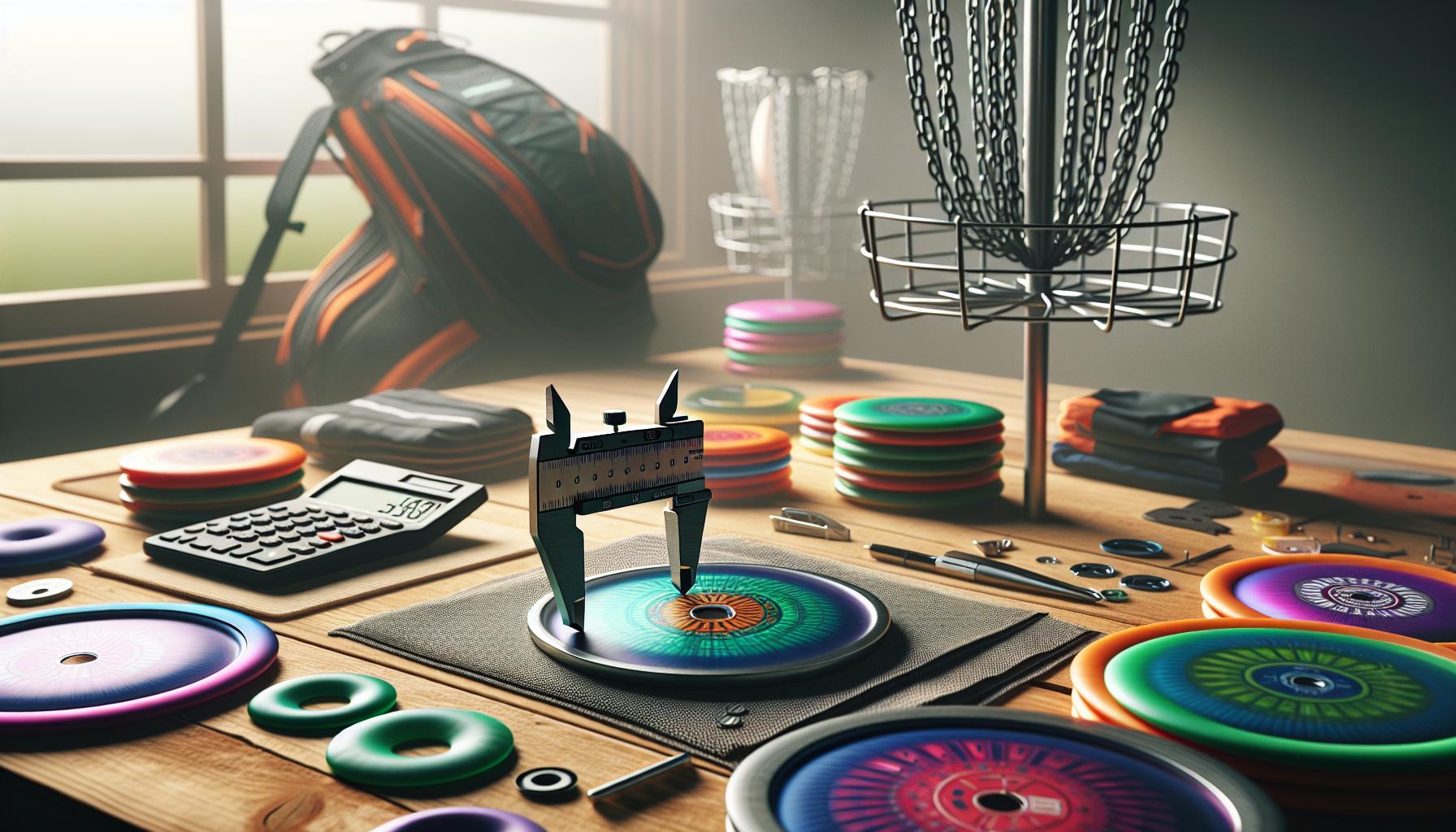
Innovative technology plays a crucial role in disc golf, enabling manufacturers to design discs that optimize performance and cater to the specific needs of players at all skill levels. Advanced manufacturing techniques and materials have transformed the way discs are produced, allowing for greater precision in design and enhanced flight characteristics. As disc golf continues to grow in popularity, the involvement of technology in production not only enhances the gameplay experience but also elevates the sport’s status within the athletic community.
One of the notable advancements in disc manufacturing is the use of computer-aided design (CAD) software, which allows manufacturers to create complex disc profiles with precision. This technology ensures that each disc maintains consistent weight distribution and aerodynamic shape, crucial for achieving predictable flight paths. Additionally, rotational molding techniques have improved the quality and durability of the materials used, enabling discs to withstand the rigors of frequent use in varying environmental conditions. The ability to test and prototype designs quickly has also led to a faster evolution of disc types, catering to the growing demand for specific performance attributes such as glide, turn, and fade.
In addition to manufacturing processes, the integration of specialty plastics has revolutionized how discs feel and perform. Manufacturers are now using a variety of plastic blends to achieve different attributes-some focusing on grip, while others prioritize durability against impacts and abrasions. For example, softer plastics may enhance grip and control for approach shots, while more rigid plastics can provide stability for long-distance drives. This innovation allows players to select discs that align with their throwing style and preferences, enhancing their overall experience on the course.
Lastly, many manufacturers invest in research and development, continually assessing feedback from players and professionals alike. This community-driven approach helps ensure that new products not only meet but exceed the expectations of a diverse player base. Whether it’s by holding testing events or gathering input through online forums, manufacturers strive to create discs that resonate with the needs and experiences of the disc golf community, solidifying the role of technology as a cornerstone of disc golf growth and performance enhancement.
Durability and Longevity: What to Expect
The quality of a disc’s material plays a crucial role in its longevity and durability, which can directly affect a player’s experience on the course. High-quality discs crafted from advanced plastic blends are designed to withstand the rigors of gameplay, including impacts, scratches, and environmental wear. While some discs might show signs of wear over time, players can expect discs made of durable materials to retain their flight characteristics, ensuring consistent performance across several rounds.
Discs intended for disc golf often feature UV-resistant plastics and specialized coatings that help prevent fading and degradation when exposed to sunlight. This stands in contrast to many traditional recreational frisbees, which may not prioritize durability against harsh weather conditions or rough handling. Given that disc golf discs need to handle frequent throws in diverse terrains-whether it’s rocky outcrops, grassy fields, or muddy courses-their construction is typically more robust. Players should consider looking for brands that list durability as a key selling point, as these companies often invest heavily in the research and technological advancements needed to enhance product lifespan.
Additionally, the longevity of a disc can be affected by its intended use. For instance, a driver designed for maximum distance may wear differently than a putter, which is used more gently. Understanding these nuances can help players choose the right disc for their gameplay style and expectations. Rotational molding techniques have also paved the way for uniform thickness throughout, reducing points of weakness that could lead to premature wear. When it comes to maintenance, rinsing discs after use can aid in prolonging their lifespan. Sand or dirt can scratch the disc surface, affecting aerodynamics, so a quick clean can go a long way.
In terms of investment, players should weigh the costs of durable discs against those made from less robust materials. It might be tempting to choose cheaper options for practice rounds, but higher-quality discs often save money long-term by eliminating the need for frequent replacements. As you consider your equipment, remember that each disc type you select contributes not only to your skill development but also reflects your commitment to the sport. The more informed your choices, the more rewarding your experience on the course will be-both today and for many rounds to come.
Customization Options for Disc Golf Players
Customization is a significant aspect of the disc golf experience, allowing players to tailor their equipment to enhance performance and express individuality. From selecting disc types that suit personal throwing styles to personalizing graphics, the customization options available empower both beginners and seasoned players to optimize their game.
One of the most impactful customization choices is the selection of disc molds, which differ in stability, weight, and intended use. Players can choose from a diverse range of discs-drivers, fairway drivers, midranges, and putters-each offering unique flight characteristics. For instance, a player looking to achieve maximum distance may opt for a high-speed driver with a more pronounced glide, while those focusing on accuracy during approach might select a stable midrange disc. Understanding these options is crucial, as matching your disc choice with your throwing technique can significantly influence performance on the course.
Additionally, many manufacturers provide options for custom artwork or stamps, allowing players to personalize their discs. This can range from custom graphics that reflect team logos or personal designs to colors that stand out on the course. Some brands even offer limited editions or artist collaborations that appeal to players looking to showcase their style. Alongside visual customization, selecting specific plastic types can also enhance grip and durability, with options such as premium blends offering a different feel and performance in various weather conditions.
Lastly, players should not overlook the benefits of adjusting the weight of their discs. Discs typically range from 150 grams to 180 grams, and lighter options may suit players with slower arm speeds, offering increased distance with less effort. Conversely, heavier discs can provide more stability in windy conditions, ideal for experienced players aiming for precise shots. Experimenting with different weights can be a game-changer, allowing you to hone in on what feels right for your unique throwing mechanics.
In summary, the path to disc golf mastery is paved with personalized choices. Players should engage actively with the customization process, considering not just how their discs perform but also how they resonate personally. This thoughtful approach to equipment can elevate not only gameplay but also the overall enjoyment of this increasingly popular sport.
How to Choose the Right Disc for Your Game
Choosing the right disc for your game can feel overwhelming, especially with the vast array of options available on the market. Understanding the specific characteristics of disc golf discs and how they align with your playing style can dramatically improve your performance on the course. Each disc has unique flight patterns determined by its design, weight, and stability, catering to different throwing techniques and environmental conditions.
The first step in selecting the ideal disc is understanding the primary types: drivers, midranges, and putters. Drivers are designed for maximum distance and speed and are typically used for long throws. Midranges provide more control and accuracy, making them suitable for approaches and shorter drives. Putters are ideal for close-range shots, offering a stable and controlled flight. For new players, starting with a versatile midrange disc can provide a solid foundation before progressing to specialized discs.
Consider the weight of the disc as well. Discs usually range from 150 grams to 180 grams. Lighter discs can help beginners achieve longer throws with less effort, as they glide more easily through the air. Conversely, heavier discs offer increased stability, which is beneficial in windy conditions or for more experienced players seeking precision in their throws. A test throw of various weights is advisable to determine which feels best for your throwing mechanics and strength.
Beyond weight and type, assessing the stability of the disc is crucial. Discs can be categorized as overstable, stable, or understable. Overstable discs are ideal for experienced players who need predictable flights that finish left (for right-handed backhand throws), while stable discs can handle a variety of throwing styles. Understable discs help achieve a right turn in the flight, making them great for beginners learning hyzer flips or for executing specific shot shapes. Understanding these stability characteristics allows you to select a disc that matches not only your current skill level but also your desired throwing techniques.
Lastly, don’t overlook the importance of grip and plastic types. Different manufacturers offer various blends that affect how the disc feels in your hand and performs in different weather conditions. A disc with a good grip can enhance your throw accuracy, while more durable plastics will extend the life of your equipment. Spending time feeling out different brands and materials can lead to the perfect combination for your game.
In summary, choosing the right disc involves careful consideration of flight types, weights, stability, and grip. Spend time experimenting with different options, and don’t hesitate to seek advice from local players or retail experts. With the right disc, you can elevate your game and enjoy the growing community of disc golf enthusiasts.
The Impact of Weight and Grip on Throwing
The weight and grip of a disc significantly impact a player’s throwing performance, making these factors crucial in the selection process for both newcomers and seasoned competitors. A fascinating fact is that even minor adjustments in disc weight can translate into noticeable variations in flight patterns and overall throwing efficiency. Understanding how these elements interplay can help players refine their technique and improve their game outcomes.
When it comes to weight, disc golf discs typically range from 150 to 180 grams. Lighter discs, often in the 150-170 gram range, are favored by newer players and those with less upper body strength. These discs can achieve impressive distances with minimal effort, thanks to their ability to glide through the air more efficiently. In contrast, heavier discs are preferred by more experienced players, especially in windy conditions. Heavier discs provide a more stable flight path, which can be essential when precision is needed in tricky environments. For example, during a tournament, understanding the conditions could lead a player to choose a heavier driver for high wind situations to ensure consistency and control.
The grip of a disc also plays a pivotal role in how effectively it can be thrown. Manufacturers utilize different plastic blends, each offering unique textures and levels of stickiness, which can affect how securely a player can hold onto the disc, especially during inclement weather. A disc with a superior grip can enhance a player’s confidence, reducing the likelihood of slips and ensuring that the throwing hand remains steady throughout the release. More importantly, different brands cater to varying preferences-while some players prefer a smoother finish for a quick release, others might opt for a tackier feel to facilitate better control during spins and power throws.
To explore the impact of weight and grip more methodically, consider testing a variety of discs during practice sessions. This experimentation will allow players to discover their optimal combination of disc weight and grip style based on personal throwing mechanics. Keeping a log of these trials can also help in pinpointing which setups yield the best performance under different conditions. By investing time in understanding these nuances, players can significantly enhance their disc golf game, celebrating the sport’s competitive nature and its vibrant community of enthusiasts.
Top Manufacturers to Watch in Frisbee and Disc Golf
The world of disc golf is not just a sport; it encompasses a vibrant community supported by innovative manufacturers dedicated to enhancing player experience through technology and quality materials. Understanding the key brands in both frisbee and disc golf can elevate a player’s journey, whether they are casual enthusiasts or serious competitors. Some brands stand out due to their commitment to performance, player feedback, and evolving disc design.
In disc golf, Innova Discs is a front-runner. Renowned for its variety of discs like the Archangel, which is praised for its beginner-friendly characteristics and impressive gliding capabilities, Innova balances performance with accessibility. Their range caters to players of all skill levels, making them a popular choice for new disc golfers. In addition, Innova invests in technology that allows their discs to maintain consistent flight patterns, which is critical for competitive play.
Another noteworthy brand is Discmania, known for its high-quality discs and sponsorship of professional players. Their focus on player development translates into innovative disc designs that cater to competitive needs. For instance, the Discmania FD (Fairway Driver) offers exceptional control and distance, making it a staple for serious players and a recommended pick for those looking to add versatility to their game.
Dynamic Discs has carved out a significant niche as well, especially with its emphasis on community and player feedback in manufacturing processes. Their discs, like the Judge putter, are designed for precision and reliability-attributes that appeal to competitors. Moreover, their direct involvement in hosting tournaments and events strengthens their ties to the disc golf community, bolstering their reputation in the sport.
Lastly, MVP Disc Sports brings a unique spin on disc engineering with their use of gyroscopic technology. This feature enhances stability, allowing discs to perform reliably under varying conditions-a vital characteristic for all-weather players. Their innovative approach to manufacturing has won them a dedicated following among advanced practitioners who appreciate the precision and predictability of their products.
Choosing the right brand can dramatically impact performance on the course. It’s advisable for players, especially newcomers, to test different brands and models to find their perfect fit. Engage with the community, attend local tournaments, or connect with other players to gather insights on disc performance and preferences. Remember, the perfect disc enhances your throwing style and builds confidence, reinforcing the idea that disc golf is both an athletic pursuit and a deeply engaging community activity.
Comparative Pricing: Frisbee vs Disc Golf Equipment
In the world of flying discs, discerning between frisbees and disc golf discs not only impacts gameplay but also pricing. While both are designed for throwing, their intended use leads to significant variations in material costs, manufacturing processes, and ultimately, consumer pricing. Frisbees-typically used casually in parks or for recreational play-are often available at lower price points, making them widely accessible. In contrast, disc golf discs, engineered for precision, distance, and stability, command a higher price due to the advanced technology and materials involved in their production.
Pricing Overview
For budding disc golfers, understanding the cost dynamics can aid in budgeting for equipment. A standard frisbee might retail for around $10 to $20, whereas disc golf discs vary more widely, with prices generally ranging from $15 to $30. High-performance molds, specialized plastics, or limited editions from brands like Innova or Dynamic Discs can even reach up to $50 or more. This price increase reflects the disc golf industry’s commitment to enhancing player performance, as well as the growing community interest in the sport.
Key Factors Influencing Pricing
Several factors contribute to this discrepancy in cost between frisbees and disc golf discs:
- Material Quality: Disc golf discs are often made from high-grade plastics designed for durability and stability, which can increase production costs.
- Manufacturing Precision: The processes used to create disc golf discs often require more sophisticated technology and laser measurements to ensure consistent performance.
- Brand Innovation: Companies like MVP and Discmania invest heavily in research and development to create unique flight characteristics and grip technologies, which may elevate the pricing.
- Market Demand: As disc golf gains popularity, limited edition or collaborative discs may be priced higher due to collector interest.
In summary, while frisbees offer a budget-friendly option for casual use, disc golf discs are priced for performance and durability tailored to a sport that is rapidly growing in both interest and complexity. For players starting their journey in disc golf, investing in good-quality discs-despite the higher upfront cost-can lead to better play experiences and improved skill development over time.
Player Insights: Experiences with Different Discs
Players who embark on their disc golf journey often discover that the experiences with different discs significantly shape their skills and gameplay strategies. Each disc, crafted with specific flight characteristics and materials, affects how a player approaches the course, which is something many enthusiasts eagerly share. For beginners, it can feel overwhelming to choose from an array of discs, each promising unique benefits. However, personal experiences and player testimonies can make this decision-making process more accessible.
Many disc golfers emphasize the importance of understanding disc flight ratings, which describe the disc’s speed, glide, turn, and fade. This knowledge helps players select discs that match their throwing style. For instance, a player may share that transitioning from using basic frisbees to specialized distance drivers, such as the Innova Wraith, drastically improved their throw distance and accuracy, leading to more enjoyable rounds. They often highlight how a disc’s stability, influenced by its manufacturing design and plastic type, plays a crucial role in its performance under various conditions, such as wind or elevation changes.
Another aspect that players frequently discuss is the feel and grip of different discs. Feedback from seasoned players often reveals a strong preference for premium plastic types that provide enhanced grip and durability, especially during competitive play. For example, while some players might love the stiff feel of a disc like the Dynamic Discs Judge for putting, others might prefer a softer blend which can offer better grip, particularly in colder weather. Stories abound of players showing up to a tournament with their favorite disc that feels just right in hand, a testament to the confidence gained from familiarity with their equipment.
The learning curve in disc golf is another element that players often highlight. As players progress, their discs can evolve alongside their skills. A player might recall how, in their earlier days, they relied heavily on more overstable discs to compensate for their throwing technique but later switched to straighter or understable discs as their skill improved. This adaptability not only showcases the diversity in disc technology but also fosters a broader appreciation for how different manufacturers innovate within the field, ultimately enhancing the player’s experience on the course.
In essence, the collective insights from players relay a narrative of growth and community, urging newcomers to experiment with various discs and welcome the learning journey that comes with each throw. Embracing these differences not only enhances performance but also connects players to the greater disc golf community, where sharing experiences regarding different discs becomes a vital part of the sport’s culture.
Faq
Q: What are the main differences in materials used for Frisbees and disc golf discs?
A: Frisbees are typically made from softer plastics, allowing for greater flexibility and easy catchability. In contrast, disc golf discs are manufactured from more durable plastics designed to withstand impacts and weather, ensuring longevity and performance, especially during throws. For more on this, see the section on Understanding Disc Golf Discs: Types and Materials.
Q: How do Frisbee and disc golf disc aerodynamics differ?
A: Frisbee aerodynamics focus on float and stability for catching, employing wider designs. Disc golf discs are engineered for specific flight paths-like distance or stability-with more refined aerodynamics tailored to different throwing techniques. Learn more in Frisbees vs Disc Golf Discs: Design and Aerodynamics.
Q: Why are disc golf discs often heavier than standard Frisbees?
A: Disc golf discs are generally heavier (around 150-180 grams) to achieve better distance and accuracy in throws. This weight aids in cutting through wind resistance, enhancing performance. Check out The Impact of Weight and Grip on Throwing for further details.
Q: How does manufacturer technology impact disc golf performance?
A: Manufacturer technology plays a crucial role in creating discs that achieve optimal flight characteristics, using advanced molds and materials. These innovations lead to better grip, stability, and durability. Explore this further in The Role of Manufacturer Technology in Disc Golf.
Q: Are there different types of Frisbees and disc golf discs for various skill levels?
A: Yes, both Frisbees and disc golf discs come in variations suited for different skill levels. Beginners may prefer lightweight, stable discs, while advanced players often choose discs with specific flight patterns for greater control. For recommendations, see How to Choose the Right Disc for Your Game.
Q: What should I consider when comparing frisbee and disc golf pricing?
A: Pricing can vary significantly-standard Frisbees are generally cheaper than specialized disc golf discs, which reflect advanced technology and materials. Be sure to assess your needs against your budget. See Comparative Pricing: Frisbee vs Disc Golf Equipment for more insights.
Q: How do customization options differ between Frisbees and disc golf discs?
A: Customization for disc golf discs often includes weight, plastic type, and design, tailored for performance preferences. Frisbees may offer less in terms of performance-based customization. Learn more in Customization Options for Disc Golf Players.
Q: When is the best time to invest in high-quality disc golf discs?
A: Investing in high-quality discs is advantageous when committing to the sport, as these discs enhance performance and durability over time. Consider exploring various options during sales or tournaments for the best deals. For specific tips, check Player Insights: Experiences with Different Discs.
The Way Forward
In conclusion, understanding the differences between frisbees and disc golf discs is crucial for maximizing your performance on the course. From the specialized flight characteristics to the unique manufacturing processes, these subtle distinctions can significantly impact your game. Don’t miss out on the opportunity to enhance your skills-grab the right equipment today and experience the difference for yourself!
To dive deeper, check out our guides on disc flight mechanics and throwing techniques to refine your game further. Ready to find the perfect gear? Explore our extensive selection of discs and accessories at Infinite Discs for the best deals available. Have questions or want to share your thoughts? We invite you to join the conversation in the comments below, and don’t forget to subscribe to our newsletter for more insights and updates on this exciting sport. Your journey in disc golf starts now-embrace it!
Get our latest guides, news, and insights highlighted in your Google Search & AI Overviews.