Did you know that the design of a disc golf disc can significantly influence its flight characteristics and your overall game? Understanding how these discs are created-from the shape of the mold to the materials used-can dramatically enhance your performance on the course. As the sport of disc golf continues to grow and evolve, so does the technology behind the discs themselves. Whether you’re a beginner looking to improve your throwing distance or a seasoned competitor fine-tuning your strategy, the innovation behind disc design is critical. This article will explore the fascinating world of disc golf disc design, revealing the intricacies of the molding process and how it impacts your game. Ready to discover how every detail contributes to your success on the course? Keep reading to uncover the secrets behind your favorite discs!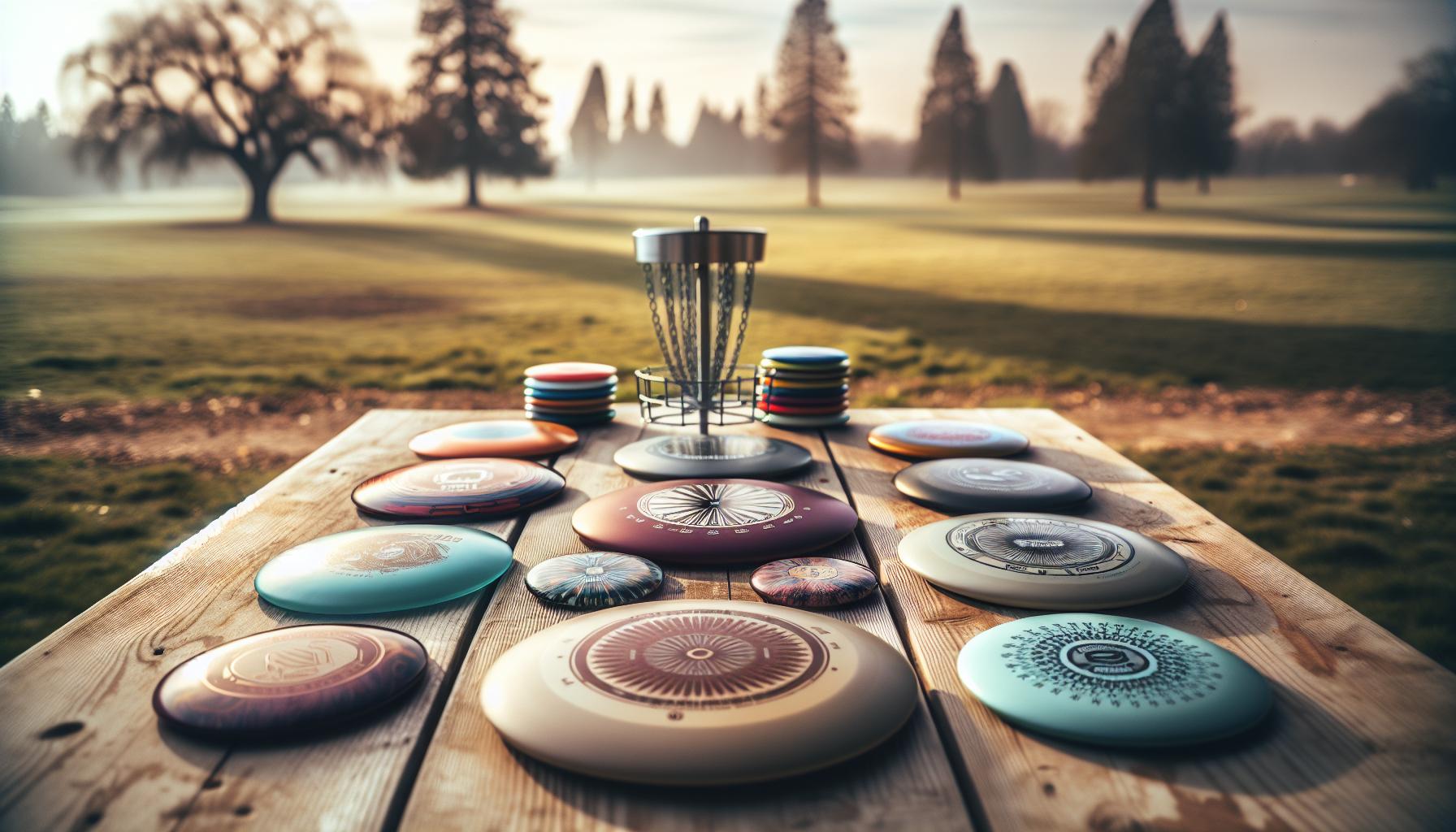
Understanding Disc Golf Disc Types and Their Uses
Understanding the various types of disc golf discs is crucial for players looking to optimize their game. Discs are specifically designed to serve different purposes on the course, and recognizing these distinctions can significantly enhance performance. There are three primary categories of discs: putters, mid-range, and drivers. Each type has unique characteristics that influence its flight path and ideal use.
Putter discs are typically characterized by their slow speed and stability, making them ideal for short-range throws and precision shots, especially when aiming for the basket. Their thicker edges promote a controlled descent, useful for approaches and putts. For instance, a popular choice among players is the Innova Aviar, known for its reliability and comfort for the grip.
Mid-range discs bridge the gap between putters and drivers. They provide versatility for various distances and often exhibit a reliable flight path without the high speed of drivers. Mid-range discs, such as the Discraft Buzzz, are perfect for shots that require a bit more distance without sacrificing accuracy. They’re a go-to for players looking to navigate moderate obstacles on the course.
Drivers are designed for maximum distance and speed. They come in both fairway drivers and distance drivers, with fairway drivers offering more control and distance for the initial throws, whereas distance drivers are built for long throws across open spaces. Players aiming for tight yet long fairways may opt for a fairway driver like the Latitude 64 Diamond, which combines distance with enhanced control.
Each disc type serves a specific role in a player’s arsenal, leading to strategic shot selection depending on the course layout and conditions. Understanding these distinctions not only helps players make informed decisions when selecting their discs but also enhances their overall enjoyment of the game as they learn to master the unique characteristics of each type. By tailoring their choices, players can improve their throwing mechanics and increase their chances of success on the course.
The Science Behind Disc Golf Disc Design
The design of disc golf discs is a fascinating blend of science, art, and innovation, where each component is meticulously crafted to achieve optimal performance on the course. At the heart of disc manufacturing lies the mold, which dictates the shape, rim width, and overall aerodynamic characteristics of the disc. This isn’t just about aesthetics; the mold essentially influences how a disc behaves when thrown. For example, a shallow rim may offer better grip for putting, while a deeper rim can enhance distance drives by reducing drag and allowing for quicker release.
One of the primary considerations in disc design is aerodynamics. The principles of aerodynamics help designers create discs that can glide efficiently through the air, providing predictable flight paths. Factors such as glide, turn, and fade-attributes that describe a disc’s behavior during flight-are crucial in determining how a disc should be used. For instance, a disc with high glide and low turn is excellent for long distance shots, while one with a significant fade is suited to controlled approaches and tight fairways.
Material Innovations
Materials also play a pivotal role in disc performance. Today’s manufacturers utilize various plastics, each offering different flexibilities and grip levels which ultimately change how discs react to throws. For example, premium plastics tend to be more durable and provide better grip, whereas base plastics may wear down quicker but offer a softer feel, aiding in control for beginner players. Understanding the differences among these materials can help players choose the right disc based on their skill level and throwing style.
The Importance of Weight
Weight is another critical factor in disc design. Discs typically weigh between 150 to 175 grams, and this weight impacts how the disc cuts through the air and responds to throws. A heavier disc tends to handle wind better, while lighter discs are more suited for players who need extended flight or who struggle with arm speed. As players refine their technique, many will experiment with various weights to find what feels best every time they release the disc.
By appreciating the intricate details behind disc design, players can develop a deeper understanding of the equipment they use, which complements their skill development. As the sport continues to evolve, innovations in disc design promise even more exciting developments, making it essential for players to stay informed about the tools that can enhance their game. Whether you’re a seasoned competitor or a newcomer to the sport, recognizing the science behind disc golf discs will undoubtedly improve your performance and enjoyment on the course.
How Molds Shape the Future of Disc Innovation
The future of disc golf innovation hinges significantly on the molds used in disc production. Each mold is a meticulous creation that defines not only the physical characteristics of a disc but also its flying abilities and behavior when thrown. Understanding the interplay between mold design and disc performance can greatly enhance your game, offering insights for players eager to optimize their performance on the course.
Mold design is critical because it dictates aspects such as rim width, profile, and overall geometry, which directly affect aerodynamics. For instance, discs with a wider rim generally provide better distance potential due to reduced drag, allowing for longer flight paths. Conversely, narrower rims can enhance control and provide better grip for putters. The design of the mold can also include features like concave wings that influence a disc’s stability, giving rise to specific flight characteristics that cater to different throwing techniques and personal preferences.
Moreover, the advancement in manufacturing techniques, including 3D printing technologies, is revolutionizing the way molds are created. This allows for rapid prototyping and adjustments, fostering a more experimental approach to disc design. Brands can test multiple shapes, weights, and profiles in a fraction of the time it once took, leading to a quicker turnaround in responding to player feedback and market demands. For instance, a disc that encourages a specific style of throwing or addresses common challenges faced by players can be iteratively developed and refined based on performance data collected during real-world play.
As disc golf continues to grow, player engagement in the creative process will take on a more significant role. Manufacturers are increasingly seeking player input to guide mold designs, ensuring the products meet community needs. By embracing this collaborative spirit, the disc golf industry is set to innovate in ways that could cater to players of all levels, from beginners looking for approachable options to seasoned competitors seeking specialized discs for nuanced play styles. The future of disc molds is not merely molding plastic; it’s about forging a deeper connection between the sport and its participants, leading to greater enjoyment and elevated performance on every throw.
Key Materials Used in Disc Golf Discs
The materials used in disc golf discs play a crucial role in shaping their performance and durability, reflecting the advancements in technology and manufacturing processes. At the heart of most disc production is plastic, specifically engineered to meet the demands of players across various skill levels. Understanding these materials can greatly enhance your appreciation for the sport and inform your equipment choices.
One of the primary types of plastic used in disc golf is polyethylene, which is valued for its lightweight properties and cost-effectiveness. This material is often found in beginner-friendly discs, as it helps new players achieve manageable throws without overwhelming them. Another popular option is polyurethane, which is known for its durability and grip, making it ideal for premium discs designed for competitive play. Higher-end plastics, such as Z, ESP, or Star, offer excellent wear resistance and performance consistency, catering to experienced players who expect precision and reliability from their gear.
To illustrate the differences in plastic types:
| Plastic Type | Key Features | Best For |
|---|---|---|
| Polyethylene | Lightweight, affordable | Beginners |
| Polyurethane | Durability, excellent grip | Advanced players |
| Star/ESP/Z | High wear resistance, consistent performance | Competitive play |
Furthermore, the introduction of specialty plastics like Glow for night play or Flexible plastics for enhanced grip further showcases the versatility of materials in disc design. These innovations not only cater to the tastes and requirements of contemporary players but also help new enthusiasts find the right equipment suited to their style and the conditions they commonly encounter on the course.
As the disc golf community grows, so does the demand for innovation in materials. Collaborative efforts between manufacturers and players lead to ongoing developments that refine performance and expand options. By engaging with these advancements, players not only elevate their game but also contribute to the evolution of equipment designed specifically for their needs.
The Role of Weight and Aerodynamics in Disc Flight
The weight and aerodynamics of disc golf discs are fundamental elements that dictate how a disc behaves in flight, affecting everything from distance to accuracy. Each disc has a specified weight range that influences its stability, glide, and overall flight path. Lighter discs, typically ranging from 150 to 170 grams, are favored by beginners and players looking for maximum distance with less effort. These discs are easier to throw, allowing for a more extended flight. In contrast, heavier discs usually weigh between 170 and 180 grams, providing more control and stability in windy conditions, making them ideal for experienced players who can generate the necessary power for a successful throw.
The shape and design of a disc contribute significantly to its aerodynamics. The primary factors include the disc’s diameter, edge profile, and the distinct mold shape. Discs with a shallow profile and wide rim tend to excel in speed and distance, while those with a thicker, more pronounced edge can offer added stability and control. This is particularly important when navigating varying course conditions or executing specialized shots such as hyzers, anhyzers, or straight throws. Understanding the unique flight characteristics afforded by different molds can empower players to make informed choices when selecting their discs.
Key Factors in Disc Flight
- Weight: Heavier discs provide stability; lighter discs offer distance.
- Aerodynamics: The shape affects lift, drag, and stability during flight.
- Rim Width: Wider rims generally assist in faster throws at higher speeds.
- Disc Type: The mold influences the stability and turn of the disc upon release.
Incorporating these principles into practice can greatly enhance one’s understanding of disc flight. Analyzing on-course performance in relation to disc weight and aerodynamics can help players refine their technique, leading to better results. As the sport evolves, keeping abreast of these innovations and the ongoing development of disc technology can further improve a player’s game while fostering a deeper appreciation for the intricate design behind disc golf discs.
Exploring Disc Flight Paths: Stability and Turn
The nuances of disc flight paths are crucial for every player seeking to master the game of disc golf. Understanding how stability and turn interact has a direct impact on your ability to navigate courses and execute precise throws. Each disc is designed with specific flight characteristics that dictate how it will behave in the air, primarily influenced by its mold design. For instance, discs classified as “stable” tend to maintain a straight flight path, while “understable” discs will turn to the right (for right-hand backhand throws) as they lose speed. Conversely, “overstable” discs will fight against a rightward turn, often fading left before landing. This interplay of stability and turn not only defines a disc’s flight pattern but also enables players to strategize their throws effectively.
When selecting a disc, understanding its flight numbers-typically comprising Speed, Glide, Turn, and Fade-becomes essential. The Turn rating indicates how much the disc will veer to the right during the latter part of its flight, while stability relates directly to the Fade rating, which shows how the disc will finish its flight. For example, a disc with a Turn of -2 and a Fade of 3 will initially turn right but will curve left as it approaches the ground, a characteristic useful for making sharp corner throws or navigating around obstacles.
This intrinsic knowledge can significantly enhance your game. Beginners might prefer discs that are more understable to help achieve longer, straighter shots with less power. As players become more proficient, they may gravitate towards more overstable discs to add control and precision during challenging wind conditions. An ideal practice scenario would include experimenting with various molds to discover which flight characteristics complement your throwing style best.
Finally, the ability to influence your disc’s flight path doesn’t only rest on the properties of the disc itself; it’s also deeply rooted in your throwing mechanics. A player’s angle of release, throw speed, and even wind conditions can drastically affect how a disc behaves in the air. Integrating these insights into your practice can lead to improved decision-making on the course and ultimately enhance your overall performance.
Custom Disc Creation: Influences and Trends
Creating custom discs is an exciting and innovative aspect of disc golf that reflects the individuality and preferences of players, from casual throwers to competitive athletes. One of the most significant influences in custom disc creation is player feedback. Manufacturers actively seek out insights from the community, which often leads to the development of specialized molds designed to meet specific needs or preferences. This collaborative approach not only fosters a sense of belonging in the disc golf community but also drives innovation as companies look to enhance their product offerings based on real-world experiences.
The trend of customizing discs also extends to personal artistry. Many players and artists engage in disc art, transforming standard discs into unique canvases. Players often use custom designs to reflect personal style, team affiliations, or even as a canvas for promoting local artists. This personalization further enhances the emotional connection players develop with their discs, as each piece becomes a representation of their personality or experiences on the course. Moreover, manufacturers are increasingly allowing for on-demand printing options, making it easier for players to create and order discs that resonate with their identity.
For retailers and manufacturers, understanding current trends can mean the difference between staying relevant and falling behind. Brands must keep an eye on what players are asking for, whether that’s specific flight characteristics, innovative materials, or simply the latest design crazes. For instance, with the rise of eco-consciousness, there is a growing interest in sustainably sourced materials and environmentally friendly manufacturing practices. Players are now looking for discs that not only perform well but also align with their values. Companies responding to these demands can capture a loyal customer base that appreciates both performance and sustainability.
Ultimately, the landscape of disc customization reflects broader trends in sports equipment where individuality, sustainability, and functionality converge. As disc golf continues to grow, particularly with newcomers joining the sport every day, the ability to customize discs will likely enhance participation rates and foster deeper community ties. From custom designs that express a player’s identity to specific performance enhancements that cater to diverse skill levels, the evolution of disc creation promises a dynamic future in the world of disc golf.
Insights from Designers: Behind-the-Scenes of Disc Production
The journey of disc golf disc production is an intricate blend of art and science, where innovative design meets the unique demands of players. At the heart of this process are the designers, who translate the feedback from the disc golf community into cutting-edge molds that shape the future of the sport. Designers often start with a clear understanding of the desired flight characteristics based on player input. For example, they consider various factors such as stability, speed, and glide to create discs that deliver optimal performance on the course.
One fundamental aspect of disc design is the importance of prototyping. Designers often create multiple iterations of a mold, tweaking dimensions and weight distribution until they achieve the perfect balance. This careful calibration not only affects how a disc flies but also influences its feel in a player’s hand. Many manufacturers utilize advanced software and engineering techniques to simulate disc flight patterns before producing physical models. This approach minimizes material waste and allows for rapid testing and adjustments to meet the precise standards players expect.
Another vital component in the disc creation process is the selection of materials. Designers work closely with material scientists to choose plastics that offer the right blend of durability, grip, and overall performance. For instance, some plastics are engineered for maximum stiffness and stability, while others provide more flexibility and grip for improved accuracy during throws. These material choices can significantly impact how a disc performs across various weather conditions, further enhancing its versatility on the course.
In recent years, sustainability has also become a significant focus among disc designers. Many brands are committed to using recycled materials or developing eco-friendly options that do not compromise performance. This trend not only appeals to environmentally conscious consumers but also fosters a sense of community and responsibility within the sport. By incorporating sustainable practices into their production processes, manufacturers are proving that innovative design and environmental stewardship can go hand in hand.
The collaborative spirit of the disc golf community continues to inspire designers, making the production process a dynamic and evolving art form. As new players join the game and experienced throwers refine their skills, the importance of understanding how discs are designed will only deepen. By engaging with the designers’ insights and the science behind molds, players can make more informed choices about the equipment they use, ultimately enhancing their experience on the course.
Innovative Technologies in Disc Golf Disc Manufacturing
The world of disc golf is not just about the simple act of tossing a Frisbee; it’s a thriving ecosystem of innovation driven by technology and passion. As the sport gains popularity, manufacturers are leveraging cutting-edge techniques to enhance disc performance and player experience. From advanced molding processes to sophisticated material formulations, these technologies are shaping the future of disc golf equipment.
One significant breakthrough is the use of 3D printing technology in disc manufacturing. This innovation allows for rapid prototyping of disc designs, enabling manufacturers to test new ideas and iterate on designs much faster than traditional methods. By adjusting parameters like weight distribution and aerodynamics in the digital model, designers can create multiple prototypes that meet the specific requirements of players across various skill levels. The result? Discs that are not only more performance-oriented but also tailored to meet the feedback from the disc golf community.
Moreover, advancements in material science have played a pivotal role in revolutionizing disc golf discs. Manufacturers are experimenting with different blends of plastics that offer improved grip, durability, and flexibility. For example, some companies have developed proprietary materials that enhance the disc’s ability to withstand various weather conditions, thus ensuring reliable performance irrespective of the season. This is crucial for players who play competitively or those who spend long hours on the course.
In addition to materials and printing technology, computer-aided design (CAD) has enabled engineers to create incredibly precise molds that dictate the flight characteristics of each disc. By utilizing simulations, designers can analyze how changes in design will affect a disc’s stability, speed, and glide. This not only enhances the flight performance but also aligns the disc’s outcomes with what players expect during throws.
Lastly, sustainability is becoming increasingly important in the disc golf manufacturing process. Many organizations are now prioritizing environmentally friendly practices, utilizing recycled materials or eco-conscious production techniques that do not compromise on performance. This shift not only appeals to eco-aware consumers but also contributes to a broader movement within the sport toward responsible manufacturing.
As the technology behind disc golf discs continues to evolve, players-from novices to seasoned pros-can look forward to an exciting array of equipment that enhances performance and enjoyment on the course. Embracing these innovations means a better experience overall, showcasing how technology can elevate the art and science of disc golf.
User Feedback: How Players Influence Disc Development
In the world of disc golf, player feedback is a critical component that shapes how manufacturers design and innovate their discs. Each throw on the course offers data that, when aggregated, can provide insight into what works, what doesn’t, and how specific changes can enhance performance. Manufacturers often tap into their community of players, from casual weekend throwers to elite competitors, to gather invaluable information that informs the entire design process.
The discourse around disc performance-such as stability, speed, and glide-often stems from direct player experiences. For instance, many manufacturers host focus groups or surveys that invite players to share their thoughts on new prototypes. This feedback loop allows designers to refine key attributes before the final product reaches the market. Players might provide insights on how a new mold performs in varying weather conditions or how certain weights and plastics feel in their hands. As a result, companies can adjust their designs accordingly, enhancing features like grip, durability, and overall flight paths based on real-world testing.
Moreover, social media and online forums have become vibrant platforms for discourse on new disc releases. Groups dedicated to disc golf are filled with discussions about preferences and performance, which manufacturers monitor closely. This level of engagement helps foster a sense of community and encourages players to become part of the development process. A notable example is when a manufacturer releases a limited-edition disc and invites users to share their experiences online, subsequently adjusting future production runs based on that feedback.
Engaging with the community not only leads to refined products but also builds brand loyalty. Players appreciate when a company actively listens to their input and integrates it into their designs. This can result in endorsements from players who believe in a company’s dedication to quality and innovation, ultimately benefiting both the athlete and the manufacturer. The evolution of disc golf discs reflects a collaborative effort between innovators and players, which ensures that every disc can cater to a wide range of throwing styles and skill levels.
In essence, user feedback is not just a single piece of the puzzle; it is a continuous dialogue that drives the evolution of disc golf discs. By embracing the voices of players, manufacturers enhance their products and contribute to the sport’s growth, making each session on the course a little more enjoyable for everyone involved.
Choosing the Right Disc: A Beginner’s Guide
Selecting the right disc for your style and abilities can feel overwhelming, especially with the array of options available on the market today. With the explosion of interest in disc golf, manufacturers have innovated not just in disc design, but in how these discs cater to different player types-from beginners to seasoned pros. Understanding the distinct types of discs and their unique characteristics will help you find the perfect fit for your game.
Disc Types and Their Functions
Disc golf discs are classified mainly into three categories: putters, midranges, and drivers. Each type has specific flight characteristics and is used for different shots during a round of disc golf.
- Putters are designed for short, accurate shots, primarily for putting into the basket. They generally have a stable or slightly understable flight path, making them easier to control. A beginner might start with a putter due to its forgiving nature, allowing for greater confidence around the basket.
- Midranges offer versatility and can be used for a variety of shots. These discs are typically more stable than putters and provide a good balance between distance and control. They are ideal for players who are starting to develop their technique, as they can handle different throwing styles while still providing feedback on form.
- Drivers are built for long-range shots and come in two subtypes: fairway drivers and distance drivers. Fairway drivers offer better control and are often recommended for beginner players looking to achieve longer throws without sacrificing accuracy. Conversely, distance drivers require more power and skill but can yield impressive distances for those who have developed their throwing mechanics.
Choosing Your First Disc
For beginners, it’s crucial to choose a disc that fits your throwing style and body mechanics. Sticking to lighter weights (around 150-170 grams) can enhance your performance and facilitate easier throws, especially for newcomers. Here are a few tips to aid your selection:
- Get Expert Advice: When visiting a local disc golf shop, don’t hesitate to ask for recommendations tailored to your skill level. Staff can provide insights into which discs work best for new players and offer personal experiences to help narrow down choices.
- Test Variety: If possible, try a few discs before purchasing. Many courses have local events or clubs where you can borrow discs to experiment with different types and weights.
- Focus on Feel: The most important aspect of any disc is how it feels in your hand. The grip, rim width, and weight will all impact your throwing confidence and comfort.
- Invest Gradually: Start with one or two discs to refine your skills and throwing mechanics before expanding your collection. As your abilities progress, you can explore additional discs that match your developing style and game strategies.
Embracing the Community
Finally, don’t overlook the importance of community within the disc golf world. Engaging with other players-whether in person at your local course or online through forums and social media-can provide invaluable insights. Players often share tips about their favorite models and recent experiences that can ease your decision-making process.
As you embark on your disc golf journey, remember that discovering the right disc is not just about the gear-it’s about enjoying the game and connecting with a vibrant community of enthusiasts. So get out there, throw a few discs, and see what works best for you!
Future Trends in Disc Golf Disc Design
The future of disc golf disc design is poised for exciting advancements, reflecting the growing interest in the sport and the increasing demands from players aiming to improve their skills. As manufacturers enhance the performance and technology of discs, we can expect innovations that elevate the playing experience across all skill levels, from beginners to seasoned pros. One prominent trend is the application of advanced materials and manufacturing processes, which are designed to optimize durability, weight distribution, and aerodynamic efficiency. For example, using plastic blends that enhance grip while maintaining the integrity of the disc during intense use can dramatically affect a player’s performance.
Furthermore, the integration of technology into disc design is on the rise. Manufacturers are starting to leverage computer simulations and data analysis to fine-tune disc flight characteristics and ensure that each mold can produce discs that meet specific performance needs. This shift not only caters to personalized preferences in flight paths but also opens avenues for custom discs tailored to individual player styles. The recent trend towards overmolded discs illustrates this shift, allowing disc makers to combine materials to achieve unique flight dynamics and grip types that traditional single-material discs cannot offer.
With user feedback playing a crucial role in shaping future designs, disc golf companies are more engaged with their communities than ever. Players are encouraged to share insights on what works for them, leading to iterative design processes that reflect the needs of the disc golf community. This feedback loop ensures that innovations are not just speculative but grounded in the real experiences of players on the course. As the sport continues to grow, anticipate collaborations between disc manufacturers and professional players who can contribute their expertise and insights to the design process.
As we look forward, sustainability is becoming an essential consideration in disc manufacturing. The use of eco-friendly materials and processes is emerging as a priority for brands responding to global environmental concerns. This commitment not only appeals to environmentally conscious players but also promotes a positive image for the sport as a whole. The combination of innovative technology, user engagement, and sustainable practices will shape the future of disc golf, making it an exciting time for both players and manufacturers as we witness a new era of disc innovation.
Q&A
Q: How do manufacturers determine the best mold design for a disc golf disc?
A: Manufacturers conduct extensive testing and analysis of disc flight patterns to determine optimal mold designs. This involves using computer simulations and feedback from players to refine aerodynamics, stability, and grip, ultimately influencing how the disc performs in various conditions.
Q: What materials are commonly used in disc golf disc molds?
A: Common materials for disc molds include various types of plastic such as polymers and composites, which offer different levels of durability, flexibility, and grip. Each material can affect the disc’s weight, stability, and flight characteristics, making material choice crucial in the design process.
Q: How has technology impacted the design of disc golf discs?
A: Technology has revolutionized disc golf disc design through advanced computer modeling and 3D printing, allowing for precise adjustments in mold shapes and weight distribution. Innovations in materials have also led to discs that perform better under diverse conditions, enhancing player experience.
Q: Why is the weight distribution important in disc golf disc design?
A: Weight distribution affects a disc’s stability and flight path. Discs designed with a specific weight distribution can achieve better balance and control, allowing players to execute precise throws. Understanding this can help players choose discs better suited to their throwing styles.
Q: What role does player feedback play in disc design?
A: Player feedback is vital as it helps manufacturers understand how different discs perform in real-world conditions. Insights from players allow designers to make adjustments that cater to player preferences, ensuring the final products meet the needs of both casual and competitive players.
Q: How can beginners improve their understanding of disc golf disc design?
A: Beginners can improve their understanding by researching different disc types and their specific roles. Engaging with community forums, attending disc golf workshops, or online courses can also provide valuable insights into how discs are designed and the factors that influence their flight.
Q: What factors influence the innovation of new disc golf disc designs?
A: Factors influencing innovation include advancements in material science, feedback from professional players, and emerging trends in gameplay. Manufacturers strive to enhance performance and cater to various skill levels while ensuring sustainability in production processes.
Q: How do custom molds affect the uniqueness of disc golf discs?
A: Custom molds allow for unique flight paths and characteristics tailored to specific player needs. By experimenting with different shapes and weight distributions, manufacturers can create discs that stand out in performance and aesthetics, catering to niche markets within disc golf.
Insights and Conclusions
Understanding the innovation behind disc golf disc molds not only enhances your knowledge but also sharpens your game. As we’ve explored, the intricacies of design play a pivotal role in how a disc performs, from its flight characteristics to its grip. If you’re eager to delve deeper into disc selection and throwing techniques, check out our guides on Mastering Throwing Mechanics and Choosing the Right Disc for Your Play Style.
Don’t miss out on the opportunity to enhance your skills-sign up for our newsletter to receive expert tips and exclusive content tailored for both beginners and seasoned players alike. Share your thoughts and experiences in the comments below; your insights could help fellow disc golfers! Remember, every round on the course can lead to new learning, so keep exploring the vast world of disc golf. Join us again as we continue to uncover the secrets behind this exciting sport!
Get our latest guides, news, and insights highlighted in your Google Search & AI Overviews.