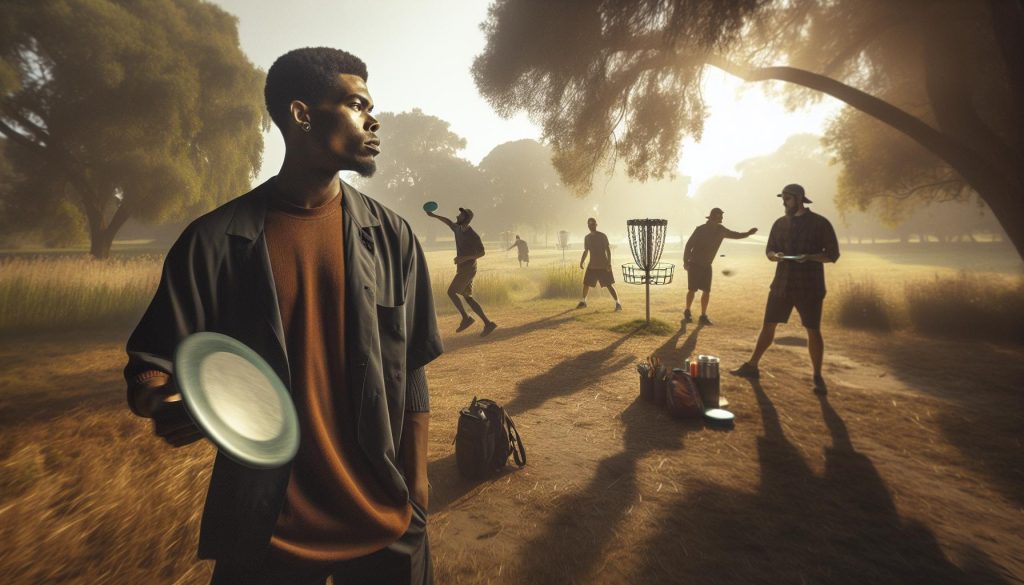
Did you know that disc golf is one of the fastest-growing sports in the world, attracting players of all skill levels? If you’re considering taking your passion for disc golf to the next level and turning professional, you’re in the right place. In “How Do I Become a Pro Disc Golfer? Career Roadmap,” we’ll explore the essential steps and strategies you need to transform your love for the game into a successful career. Whether you’re an enthusiastic beginner or an aspiring competitor, this guide will help you navigate the complexities of the sport, from mastering throwing techniques and understanding disc flight characteristics to participating in tournaments and building a personal brand in the disc golf community. Get ready to uncover the exciting world of professional disc golf and find out what it takes to excel in this vibrant and supportive athletic pursuit!
How to Get Started with Disc Golf Basics
Getting started with disc golf is an exciting journey into a sport that combines skill, strategy, and community. With over 5,000 courses across the United States alone, there’s never been a better time to dive into disc golf. Whether you’re looking to play casually with friends or aspire to compete at a professional level, understanding the fundamentals is essential for both your enjoyment and success.
Firstly, familiarize yourself with the basic rules and gameplay of disc golf. The objective is simple: complete each hole in the fewest throws possible. Much like traditional golf, you start from a tee pad and aim to land your disc in a basket positioned at the end of each hole. Each course varies in difficulty, with different obstacles and layouts to challenge even the most seasoned players. An excellent way to start is by visiting a local course-many parks offer free access or nominal fees. Observing other players can provide insight into strategies and techniques you might adopt.
As you begin to play, investing in your first few discs is crucial. A good starter set typically includes a driver, a mid-range, and a putter. These discs are specifically designed to cater to different types of throws. For beginners, lightweight discs (around 160-170 grams) are preferable as they are easier to throw and control. Check out resources like the DGA Factory Store for various discs that suit every skill level and play style [[3]](https://store.discgolf.com/). When choosing your first disc, consider its flight characteristics, which dictate how far and accurately it can fly.
Finally, practice is the key to improvement. Setting a routine that includes throwing sessions, putting practice, and playing rounds on various courses will significantly elevate your game. Take advantage of the local disc golf community; many leagues and clubs host regular events that can offer networking opportunities and additional gameplay experience. Remember, every pro player started where you are now, so embrace the process, learn from each round, and most importantly, have fun!
Understanding Disc Flight Characteristics
Understanding how discs fly is crucial for anyone aiming to elevate their game in disc golf, especially for those eyeing a career in the sport. Each disc has unique flight characteristics that affect how far, straight, or curvy it can go based on its design. For newcomers, grasping these basics can dramatically improve your performance on the course and help refine your skills as you progress toward a professional level.
The flight of a disc is primarily influenced by four key factors: speed, glide, turn, and fade.
- Speed refers to how fast the disc must be thrown for optimal performance. Discs are rated on a scale from 1 to 14, with higher numbers indicating quicker discs that require more power.
- Glide measures how long the disc stays airborne. A good glide helps with distance; discs with a glide rating of 5 or more tend to remain in the air longer.
- Turn indicates how much the disc will curve to the right (for RHBH throwers) during the initial flight. Discs with a negative number (e.g., -1) will turn, while a neutral or overstable disc (0 to +1) will fly straight.
- Fade is the final motion of the disc’s flight, showing how much it will hook back left before landing. This is particularly important for approaches and making sure your drives land where intended.
These flight ratings make it easier to select the right disc for particular throws and scenarios. For example, a beginner might start with a disc that has moderate speed, good glide, and a stable flight path, such as a fairway driver or a mid-range. As you gain experience and strength, moving to faster drivers with specific turn and fade options will allow for more complex shot shapes and strategies.
To help visualize the choices available, consider the following table that compares different disc types based on their flight characteristics:
| Disc Type | Suggested Use | Optimal Throw Type | Typical Flight Ratings |
|---|---|---|---|
| Distance Driver | Long Throws | Max Power Throw | Speed 12-14, Glide 4-6, Turn -1 to -3, Fade 2-4 |
| Fairway Driver | Controlled Distance | Accurate Drives | Speed 8-11, Glide 4-5, Turn 0 to -2, Fade 2-3 |
| Mid-Range | Versatile Shots | Straight to Hyzer Throws | Speed 5-7, Glide 4-6, Turn 0 to -2, Fade 1-3 |
| Putter | Short Range & Approaches | Short Throws | Speed 2-4, Glide 3-5, Turn 0 to -1, Fade 2-4 |
Understanding these characteristics and how to apply them is an essential part of advancing your skills in disc golf. As you gain experience, pay attention to how different discs perform in various weather conditions or on different courses, as these factors can alter your throws significantly. By mastering disc flight characteristics, you lay a strong foundation to propel your game toward professional levels.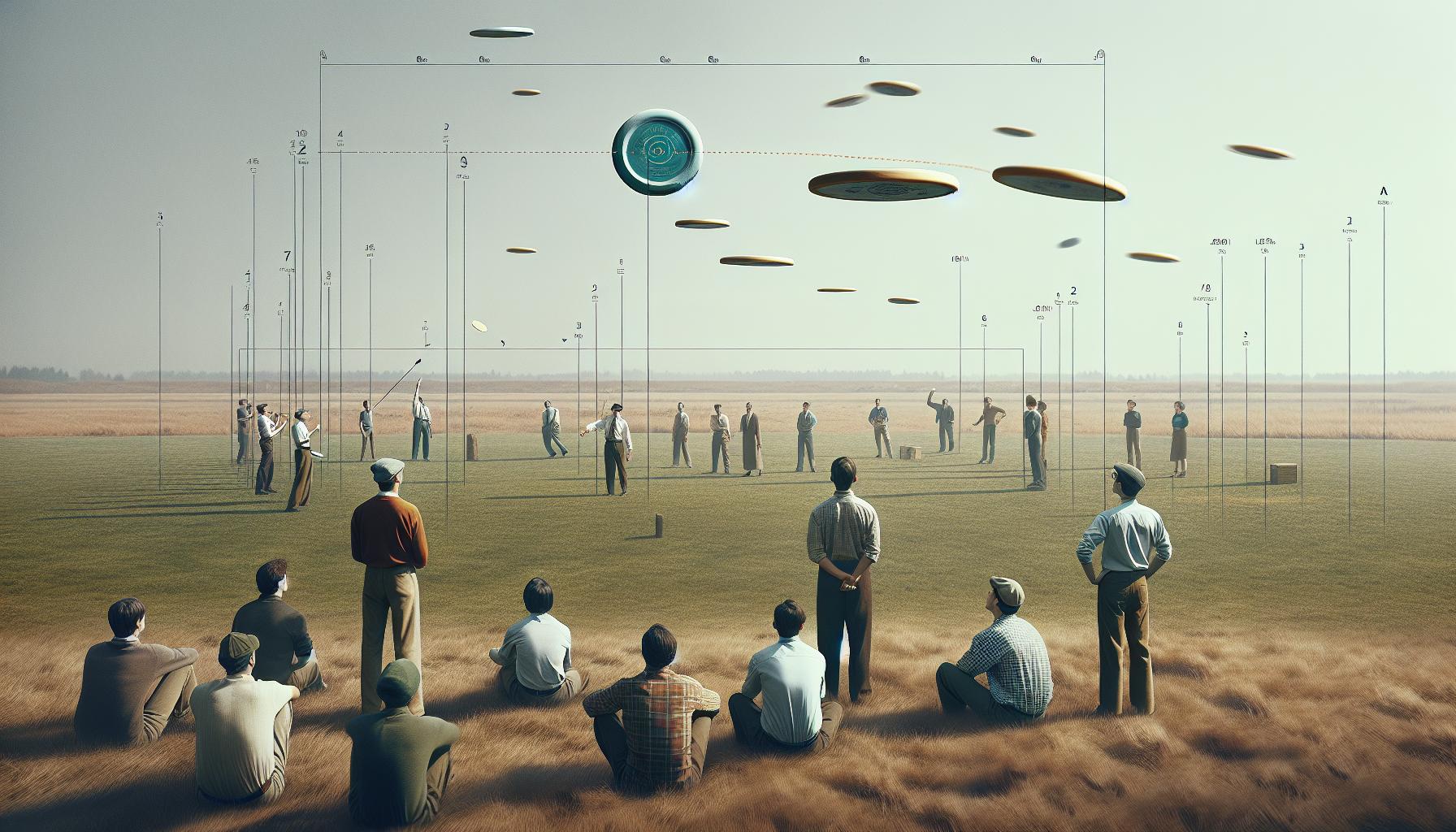
Essential Throwing Mechanics for New Players
Mastering the art of throwing is essential for anyone looking to elevate their disc golf game. Whether you aspire to compete or just enjoy the sport recreationally, proper throwing mechanics will directly influence your success on the course. One of the most effective methods to improve your throwing skill is to understand and practice the key components of a successful throw.
Start with your stance and grip, as these are the foundations of a good throw. Position your feet shoulder-width apart and align your body towards the target. Use a grip that feels comfortable yet firm-most players prefer a power grip for driving (where all four fingers curl underneath the disc, with the thumb pressing down on top). A clean release is crucial; practice maintaining a smooth transition from backswing to follow-through.
Next, focus on the mechanics of the throw itself. There are generally three stages in each throw: the backswing, the release, and the follow-through.
Key Mechanics to Focus On
- Backswing: Start by pulling the disc back towards your body, rotating your shoulders while keeping your elbow relatively close to your torso. This motion helps store energy that will be released during the throw.
- Release:As you shift your weight from your back foot to your front foot, initiate the throw with your hips. This motion should drive your arm forward in a fluid motion, releasing the disc at about shoulder-height. Aim for a late snap of the wrist to add spin.
- Follow-through: Allow your throwing arm to continue its motion across your body. This not only helps with balance but also improves the overall distance and accuracy of your throw.
To truly grasp these mechanics, consider using drills to isolate each stage of your throwing motion. For example, practice your backswing without releasing the disc, focusing on shoulder rotation. Then, work on the release independently, ensuring you achieve a clean snap. Finally, combine these elements in full throws, gradually adding distance and power as you become more comfortable.
Remember, consistent practice is key to refining your technique. Whether you are throwing in your backyard or practicing at the course, focus on these mechanics to create a solid foundation. As you develop your throwing skill, don’t forget to observe how different discs behave in various conditions to understand how your technique can adapt to the challenges of the course. By emphasizing strong throwing mechanics, you’ll not only enhance your performance but also pave the way for growth in the sport.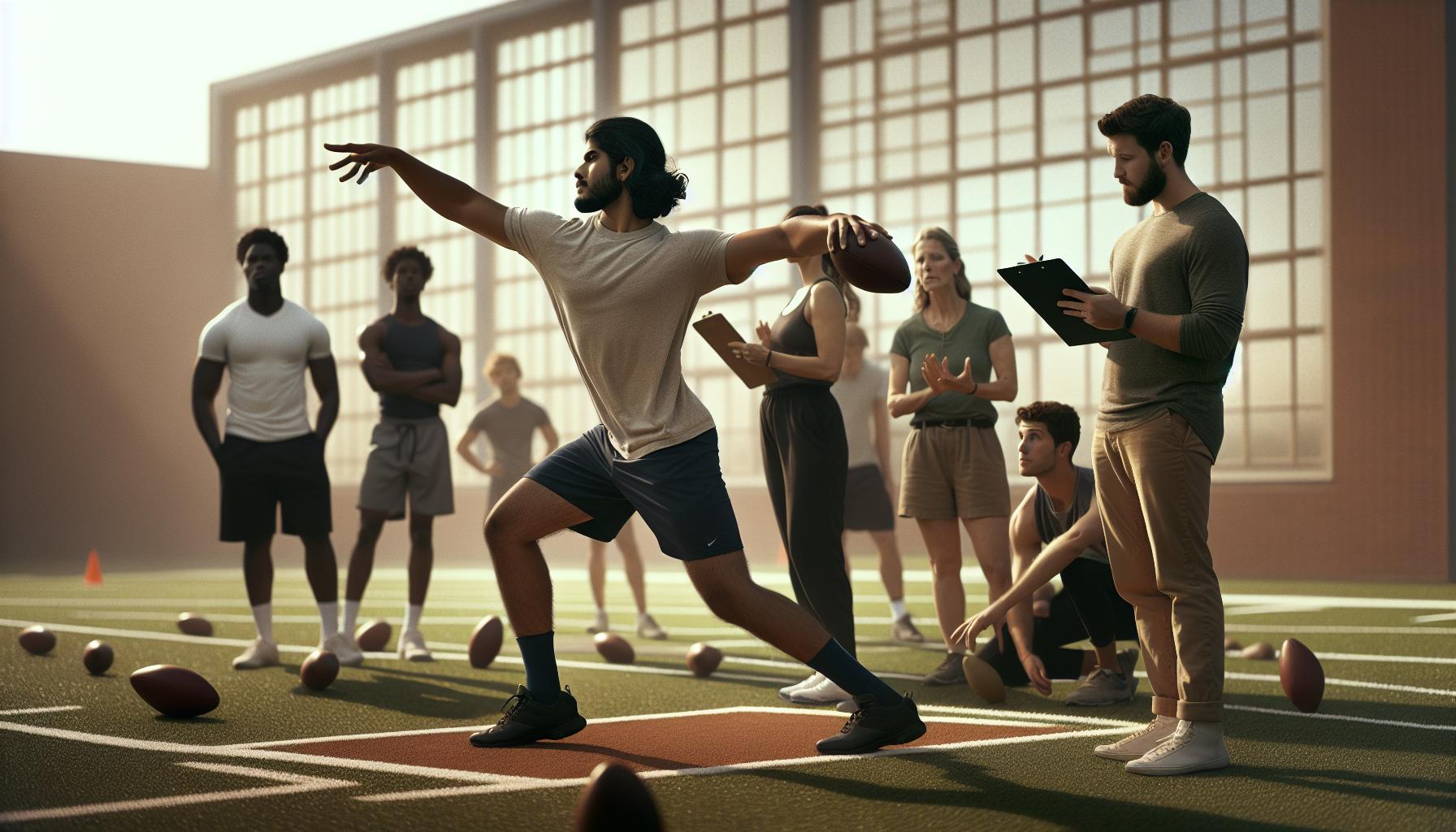
Choosing the Right Disc Golf Equipment
Selecting the right disc golf equipment is essential for both newcomers and seasoned players aiming to step up their game. The right gear not only enhances your performance but also influences your overall experience on the course. Understanding the variety of discs available and what suits your playing style can make a significant difference in achieving your goals, whether you aim to play casually or pursue a professional career.
When it comes to disc selection, there are three primary types: drivers, midranges, and putters. Each serves a unique purpose on the course and has different flight characteristics. Drivers are designed for maximum distance and are typically used for long throws off the tee; they come in various sub-categories like distance drivers and fairway drivers. Midrange discs offer more control and are versatile for a range of situations, making them great for approach shots. Finally, putters are specialized for short, precise throws, especially when you’re close to the basket. They are generally more stable in flight, allowing for accurate landings.
Understanding Disc Specifications
Choosing a disc involves understanding its specifications: weight, stability (turn and fade ratings), and plastic type. Heavier discs tend to cut through the wind better and provide more distance, although they may not suit every player’s strength level. The stability of a disc, indicated by its turn (how much it turns right before going left for a right-handed backhand throw) and fade (how much it hooks left at the end of its flight), plays a crucial role in how it will behave during different throws. As you learn these characteristics, you can tailor your disc selection to match your throwing ability and style.
Practical Tips for Choosing Equipment
To maximize your enjoyment and effectiveness in disc golf, here are some practical tips:
- Try Before You Buy: If possible, attend a local disc golf shop or pro shop where you can handle different discs and receive expert advice.
- Start Simple: Begin with a few essential discs: a distance driver, a midrange, and a putter. As you progress, you can expand your collection based on what you feel works best for your throws.
- Community Insight: Engage with local players or join forums and social media groups. Many experienced players are willing to share their insights about the best equipment based on various skill levels and styles.
In addition to discs, consider your overall kit, including a comfortable backpack or bag, which can help you organize and carry your gear effectively. Investing in quality equipment not only boosts your performance but also enhances your enjoyment in a sport that thrives on community, competition, and a passion for the outdoors. By carefully selecting the right gear and continuously refining your choices based on personal experience, you set yourself up for success on your path to becoming a pro disc golfer.
Building Your Practice Routine for Improvement
Establishing a solid practice routine is crucial for anyone serious about improving their disc golf game and edging closer to a professional status. A well-structured practice plan not only enhances your skills but also keeps you engaged and motivated throughout your journey. One engaging way to stay inspired is by tracking your progress, similar to how professional players continue to fine-tune their techniques and strategies. Consider keeping a dedicated practice journal to log your sessions, note what you worked on, and analyze your performance, which can be enlightening as you review your growth over time.
To get started, develop a routine that balances different aspects of your game. For example, allocate specific days of the week to focus on putting, driving, and approach shots. A sample weekly outline could look like this:
- Monday: Putting practice – set up a 10-15 foot putting circle and try to make 50 putts, gradually increasing the distance.
- Wednesday: Driving technique – utilize field work to practice different drives, focusing on accuracy and distance.
- Friday: Approach shots – select various distances and angles to simulate on-course conditions, blending your midrange and putting skills.
- Saturday: Play a round – implement everything you worked on throughout the week in a real-game setting.
Incorporate drills that target specific weaknesses you identify in your gameplay. For instance, if you notice that your backhand throw lacks consistency, practice with a partner, and take turns assessing each other’s form. Furthermore, don’t shy away from seeking feedback; join local clubs or engage with online communities. Many experienced players are generous with advice and can provide insights into improving your techniques based on your practice observations.
Finally, embrace the physical aspect of disc golf by integrating fitness and conditioning into your routine. This sport demands agility, endurance, and flexibility, so consider workouts that reinforce these attributes. Simple exercises like lunges, core workouts, and cardio activities can significantly enhance your performance and stamina on the course. By cultivating a comprehensive practice routine that incorporates skill development, community engagement, and physical fitness, you’re setting yourself up for continuous improvement and a fulfilling journey in the world of disc golf.
Exploring Different Disc Golf Courses
Disc golf isn’t just about throwing a disc; it’s an adventure that takes place on a diverse array of courses, each with its own unique challenges and characteristics. offers an incredible opportunity to not only enhance your skills but also to appreciate the beauty and complexity of the sport. Whether you’re navigating wooded terrains, open fields, or elevated landscapes, each course demands different strategies and showcases the versatility of disc golf.
When you set out to explore courses, consider the varying layouts, which can significantly affect your playstyle. Some courses feature tight fairways surrounded by trees that require precision and controlled shots, while others may have wide-open spaces that encourage long-distance throws. It’s essential to tailor your disc selection and throwing techniques to suit the specific demands of each course. Take note of elevation changes, water hazards, and wind patterns that can influence how you throw and where you aim.
Tips for Exploring Courses
To maximize your experience on new courses, follow these practical strategies:
- Research Before You Go: Utilize online resources to research courses in your area or wherever you travel. Websites and apps dedicated to disc golf can provide course maps, reviews, and tips from other players.
- Play with Locals: If possible, connect with local players who can offer insights into the course layout and strategy. They may have valuable tips about shortcuts, common pitfalls, or ideal disc choices for specific holes.
- Practice Different Techniques: Every course will present unique challenges. Use your time there to practice various throwing techniques, such as forehands, backhands, and hyzer/anhyzer throws, to adapt to the course’s demands.
- Attend Disc Golf Events: Look for tournaments or community events at local courses. These gatherings can serve as excellent opportunities to meet fellow players, share experiences, and receive feedback on your game.
Engaging with a variety of courses can also help you refine your gameplay. As you encounter different hole designs and course lengths, you’ll become adept at adjusting your strategies to fit various conditions. Consider maintaining a journal where you can note your experiences on each course, highlighting particular challenges you faced and successful strategies you implemented. This exercise can track your growth and aid in your journey toward becoming a more skilled and competitive player.
Embrace the journey of exploring diverse disc golf courses as a vital part of your development. Each round offers lessons and friendships that contribute to your understanding of the game and the community. By immersing yourself in this multifaceted aspect of disc golf, you’re not only improving your skills but also deepening your passion for this exhilarating sport.
Mastering Course Strategy: Techniques and Tips
To succeed in the competitive world of disc golf, mastering your course strategy is essential. This aspect of the game encompasses not just your physical skills but also your mental approach and foresight. One captivating fact to note is that even small adjustments in your gameplay can significantly impact your overall score. Knowing how to navigate different course layouts, understand the flow of a round, and outsmart your competition can set you apart from others on the course.
Understanding the unique challenges presented by each course layout is critical. Every hole is a puzzle that requires a strategic breakdown. For instance, if you encounter a tight wooded area, your strategy might shift towards precision throws with mid-range discs, focusing on accuracy over distance. Conversely, on an open hole, you may want to unleash your power with your driver. Familiarize yourself with your disc selection, tailoring it to the specific needs of each hole. Pay close attention to the type of throws required-forehand versus backhand-as well as elevation changes that could affect your throw’s trajectory.
Key Strategies for Course Mastery
- Assess Course Conditions: Always take note of weather conditions (e.g., wind direction) before you start. This can dramatically alter how you execute your throws. For example, a headwind may require more power and a steeper release angle.
- Learn to Read the Course: Familiarity with a course helps you make informed decisions. If playing a new course, walk the layout beforehand if possible. Understand where the hazards lie-water, out-of-bounds areas, and rough terrain-so you can plan your shots accordingly.
- Maintain Flexibility in Your Gameplay: While it’s good to have a strategy, be ready to adapt. If a certain approach isn’t working, have a backup plan. Develop multiple throwing techniques to accommodate the unpredictable nature of gameplay and your competitors.
- Visualize Your Shots: Visualization is a powerful tool used by many top athletes. Before every throw, picture the flight path of your disc and where you want it to land. This mental rehearsal can enhance your focus and execution.
Incorporating these strategic elements into your practice rounds not only hones your skills but also instills a deeper understanding of the game. Keeping a journal to track what worked and what didn’t can further enhance your learning process. As you evolve in your approach and articulate a clear strategy to tackle courses, you will find your game improving, thus elevating your potential to become a pro disc golfer. At the end of the day, every stroke counts, and refining your course strategy is vital to achieving that competitive edge.
Navigating the Competitive Scene: Tournaments and Leagues
Stepping onto the competitive disc golf scene can feel both exhilarating and daunting. With the rapid growth of the sport, players are presented with a plethora of tournaments and leagues that cater to all skill levels, making it an exciting avenue to showcase your skills and improve your game. Participation in these events not only offers the chance to win prizes and gain recognition but also connects you with a vibrant community of fellow enthusiasts, which is vital for your development as a player.
To start navigating this competitive landscape, consider registering for local leagues and casual tournaments. Most communities have regular events, from monthly flex-start tournaments to seasonal leagues that allow players to compete in a relaxed and enjoyable atmosphere. These events will help you gain experience without the pressure of high-stakes competition, allowing you to hone your skills and learn the intricacies of tournament play, such as managing time between throws and adhering to etiquette on the course.
Understanding Tournament Structures
Events can vary significantly in structure-some may be singles competitions, while others feature doubles formats or team competitions. Familiarize yourself with different tournament styles; for instance, in a PDGA-sanctioned event, you’ll be scored based on the par for each hole, and you may find yourself competing against players of varying skill levels across multiple divisions. Always check tournament details, including rules and how divisions are structured, to set yourself up for success.
Preparation is Key
Preparation is crucial. Before your first tournament, practice essential aspects like your mental game, warm-up routines, and specific shots that frequently appear on the courses you’ll be playing. A good practice session might include:
- Focusing on Consistency: Strive to make your most reliable throw the go-to for tournament play.
- Simulating Pressure: Practice under conditions that mimic tournament scenarios-set time limits or play with friends counting your throws.
- Engaging with Older Players: Don’t hesitate to analyze the tournament results from pro players to understand strategies and techniques.
Lastly, don’t underestimate the social aspect of tournaments. Engaging with other players can lead to friendships, mentorship, and networking opportunities in the disc golf community. Building connections at events can provide valuable insights into advanced strategies, other local tournaments, and even sponsorship opportunities. As you immerse yourself in the competitive scene, remember that progress is gradual-each tournament is a stepping stone toward becoming a more proficient player, and every experience contributes to the rich tapestry of your disc golf journey.
Insights from Pro Disc Golf Players: Their Journeys
The journey to becoming a professional disc golfer is both inspiring and attainable, as countless players have transformed their passion for the sport into successful careers. For many, the path begins at a local park or community course, where the initial thrill of throwing a disc can spark a lifelong obsession. Players often share stories of how their love for disc golf grew from casual rounds with friends to serious competition, fueled by the sense of community and camaraderie found in leagues and tournaments.
Many successful players emphasize the importance of dedication and practice. For instance, players like Paul McBeth and Paige Pierce started in relatively humble settings but committed to improving their game through rigorous practice routines and competition experience. These pros suggest that aspiring players should establish a consistent practice schedule that includes a variety of throwing techniques and course management strategies. They stress the necessity of building a reliable throw and understanding disc flight characteristics-knowing how different discs behave can greatly enhance performance on the course.
Networking plays a crucial role in advancing a disc golf career. Aspiring pros are encouraged to connect with local players, join clubs, and participate in tournaments. This involvement not only fosters friendships but also opens doors to sponsorship opportunities and mentorship from experienced players. For instance, many professional players attribute their advancements to the relationships forged in the community, which provide support, insight, and shared learning experiences. Engaging with the vibrant disc golf community can greatly enhance both skills and visibility.
Additionally, embracing a holistic approach to training is vital. Many professionals integrate fitness and strength training into their routines to stay competitive, recognizing that physical conditioning contributes significantly to performance. Moreover, as the disc golf industry continues to grow, options for career development expand. From coaching to content creation and event management, opportunities are plentiful for those passionate about the sport. Embracing these various avenues not only equips players with the skills to compete but also to carve out a niche within the disc golf world.
In sum, the journey to becoming a pro disc golfer is marked by passion, persistence, and a commitment to continuous improvement. By honing skills, building connections, and embracing the broader community, aspiring players can navigate their path towards a professional career in this exciting and rapidly growing sport.
How to Network and Build Community in Disc Golf
The path to becoming a professional disc golfer is often as much about building relationships as it is about mastering throwing techniques. The disc golf community is known for its inclusiveness and support, making it a fertile ground for aspiring players to network and forge connections that can significantly advance their careers. By participating in local leagues, joining online forums, and attending disc golf events, you can immerse yourself in an environment that nurtures both competition and camaraderie.
To effectively network within the disc golf community, consider these actionable strategies:
- Join Local Clubs: Becoming a member of a local disc golf club can provide you with access to established players who offer insights and advice based on their experiences. Clubs often host events, which are perfect for meeting people who share your passion.
- Participate in Tournaments: Competing in local, regional, or even nationally recognized tournaments can help you connect with other players and industry professionals. These events serve as excellent networking opportunities, whether you are winning or simply enjoying the experience.
- Engage on Social Media: Social media platforms are valuable tools for connecting with players, brands, and communities. By following professional players and engaging with their content, you can learn from their journeys while making your presence known.
- Volunteer in Events: Helping out at disc golf tournaments or community events not only allows you to contribute to the sport but also helps you make connections with organizers and top players alike. These relationships may later lead to mentorship or sponsorship opportunities.
Ultimately, networking in disc golf goes beyond merely creating contacts; it’s about building meaningful relationships where knowledge, experiences, and opportunities can be shared. Many successful players often reflect on how their friendships within the sport propelled them forward, not just in skill, but in securing sponsorships and exploring professional avenues. By fostering a community spirit, you will not only enhance your own game but also participate in the growth of disc golf as a recognized athletic pursuit.
As you engage with more experienced players, don’t hesitate to seek advice on improving your play or insights into the competitive landscape. Remember, every player was once a newcomer, and the connections you build today might just lead to the support and guidance that help sprout your future success in disc golf.
Incorporating Fitness and Training for Disc Golf
To thrive as a professional disc golfer, integrating fitness and training into your routine is essential, as the sport demands both physical strength and mental agility. Did you know that the majority of top disc golfers engage in regular fitness regimens designed to enhance their performance? By focusing on key areas such as strength, flexibility, and endurance, aspiring pros can significantly improve their game.
One effective way to build strength is through targeted workouts that focus on your core and lower body, crucial for generating power in throws. Exercises like squats, lunges, and deadlifts can develop the muscle groups used in your throwing motion. Additionally, incorporating resistance training will help increase your overall stability and control. Don’t overlook the importance of flexibility; yoga and dynamic stretching can enhance your range of motion and reduce the risk of injury, especially during long practice sessions or competitive play.
Practice Drills and Conditioning
Incorporating specific practice drills into your training can sharpen your technique and build endurance. Set up a routine that includes:
- Field Work: Spend time on the field practicing various throws-forehand, backhand, and overhand-to develop consistency.
- Putting Practice: Regularly practice putting from varying distances to enhance your accuracy under pressure.
- Distance Drills: Work on long-distance drives and keep track of your progress to measure improvements.
A well-rounded conditioning program should also involve cardio workouts, as maintaining stamina is pivotal during tournaments that can last several hours. Activities such as running, cycling, or swimming can boost your cardiovascular health and energy levels, allowing you to maintain focus and performance throughout the day.
Nutrition and Hydration
Beyond exercise, your nutrition plays a vital role in your training regime. A balanced diet rich in whole foods-fruits, vegetables, lean proteins, and whole grains-will fuel your body for high-performance activities. Staying adequately hydrated is equally important, especially during practice or competition; consider carrying a water bottle to ensure you drink water regularly.
By prioritizing fitness, adopting effective training strategies, and maintaining proper nutrition, you can not only enhance your skills but also set yourself apart in the competitive world of disc golf. Embrace these holistic approaches as they are vital stepping stones on your journey to becoming a professional disc golfer.
Career Opportunities in the Growing Disc Golf Industry
As disc golf continues to gain traction and recognition as a legitimate sport, the career opportunities within the industry are expanding at an impressive rate. With a growing number of players and enthusiasts, there are numerous avenues for individuals passionate about disc golf to turn their love for the game into a viable career. Whether you aspire to be a professional player, a coach, or involved in course management, there’s something for everyone in this vibrant community.
One of the most prominent paths is becoming a professional disc golfer. Players at the top of their game can earn through tournament winnings, sponsorship deals, and brand endorsements. As the sport evolves, major manufacturers are increasingly seeking skilled players to represent their brands, making it essential to not only hone your skills but also to build a personal brand and engage with fans on social media platforms. Networking within the community can lead to these valuable opportunities, so attending events, participating in competitions, and connecting with fellow players and enthusiasts is crucial.
For those inclined towards teaching the sport, becoming a certified disc golf coach can be incredibly rewarding. Coaches are in demand at various levels, from local clubs to schools and even camps dedicated to the sport. By imparting knowledge and fostering skills among newcomers and aspiring players, you will play a vital role in the growth of disc golf. Additionally, running clinics or workshops can generate income while enhancing the sport’s grassroots development.
Beyond direct playing or coaching roles, the need for skilled professionals in course design and management is on the rise. Many parks and recreational areas are increasingly interested in incorporating disc golf courses to attract visitors. This creates opportunities for individuals interested in designing new courses, improving existing layouts, or managing disc golf events. Practical experience combined with a passion for the game will help you stand out in this growing field.
In summary, the disc golf industry is not only about playing but also involves a wide range of career opportunities that cater to various skill sets and interests. With the sport’s expanding reach, there is ample potential for those willing to invest time and effort into building a career, making it an exciting time to be part of the disc golf community. Embrace your passion, develop your skills, and explore the many paths available to make your mark in this dynamic sport.
Faq
Q: What should I know before competing in my first disc golf tournament?
A: Before competing, familiarize yourself with tournament formats and rules. Start with local leagues for experience and learn course layouts. Understand player etiquette and practice under competitive conditions to ease anxiety. A good tip is to visualize your strategy for each hole to prepare mentally.
Q: How can I improve my disc golf skills quickly?
A: To improve quickly, focus on consistent practice, dedicating time each week to throwing drills. Review and analyze your technique regularly. Incorporate video feedback to recognize areas for improvement, and consider joining a local disc golf group for shared tips and motivation to learn faster.
Q: What types of disc golf competitions are available?
A: There are various competitions, including local leagues, tournaments, and professional events. Tournaments can be divided into different skill levels, allowing players to compete based on experience. Engage in flexible formats like singles, doubles, or team events to find what suits you best.
Q: How do I stay motivated to practice disc golf?
A: Set clear, achievable goals for your disc golf journey, such as improving your throwing distance or mastering specific techniques. Track your progress and celebrate small achievements. Joining a community or playing with friends can also keep your practice enjoyable and fulfilling.
Q: What is the best way to network in the disc golf community?
A: Attend local tournaments and leagues to meet other players and share your experiences. Utilize social media and online forums to connect with disc golf enthusiasts. Participating in community events fosters relationships that can lead to opportunities, mentorships, and improved skills.
Q: How can I best prepare my body for disc golf performance?
A: Incorporate a fitness routine focusing on flexibility, strength, and endurance. Stretching regularly can prevent injuries while enhancing your throwing mechanics. Include core exercises to improve stability and balance, which are crucial for a strong disc golf performance during play.
Q: What is the path to becoming a sponsored disc golfer?
A: To attract sponsorship, focus on building a strong personal brand and excelling in competitions. Participate in high-level tournaments to gain visibility and create an engaging social media presence showcasing your skills. Networking within the community and reaching out to companies directly can also open sponsorship doors.
Q: How do I choose the right disc golf disc for my skill level?
A: Beginners should select lightweight, stable discs to enhance control and distance. As you progress, experiment with different types and weights based on your throwing style. Utilize disc guides available online or consult with experienced players to find the right discs tailored to your evolving skill level.
To Conclude
Now that you have a solid understanding of what it takes to become a pro disc golfer, it’s time to take action! Embrace the journey by developing your skills, connecting with the community, and engaging in local tournaments. Remember, every great player started where you are now. For more insights, check out our comprehensive guides on throwing mechanics and competitive strategies to refine your game further.
Don’t let doubts hold you back-equip yourself with the right tools and knowledge, and join the vibrant disc golf community today! Whether you’re curious about gear specifications or looking for tips on mastering disc flight characteristics, we have resources available that will support your growth every step of the way. Share your journey in the comments below and subscribe to our newsletter for the latest updates and exclusive content. Let’s elevate your game to the next level together!
Get our latest guides, news, and insights highlighted in your Google Search & AI Overviews.