Did you know that the number of discs you can carry in disc golf can influence your game strategy significantly? Understanding the limits-whether in casual play or competitive tournaments-can help you optimize your performance and enjoy the sport more fully. While there are no strict rules on disc limits for recreational players, many tournaments, including those governed by the PDGA, adhere to certain guidelines that can impact your choice of equipment on the course. Knowing how many discs you can bring not only helps in planning your gameplay but also enhances your tactical decision-making abilities. Curious about how to balance your bag for maximum effectiveness? Let’s dive into the rules, recommendations, and strategies behind disc limits in disc golf.
How Many Discs Can You Carry in Disc Golf? Exploring Limits and Regulations
In the world of disc golf, the number of discs a player can carry is a topic of great interest and debate among enthusiasts. While there are no hard limits imposed by the sport’s governing bodies regarding how many discs you can carry, practical limitations are set by bag capacity, personal preference, and the nature of the play. A typical disc golf bag can accommodate anywhere from 15 to more than 30 discs, depending on style and manufacturer. For instance, the GRIPeq line of bags is designed to hold up to 24 discs, making them suitable for both casual and competitive play [[3]](https://grip-eq.com/category/bag-size/15-24-discs/?srsltid=AfmBOoqaURWNIYNDF3-xGXTahbEPgnel7CX2hzUuQvBPhYeXj7wHdf2r). Similarly, the IZZO disc golf backpack offers a comfortable capacity of 28 discs, with additional space in top and side compartments for extras [[2]](https://discologydiscgolf.com/products/discology-izzo-bag-disc-golf-bag-26-disc-capacity?srsltid=AfmBOooQtP8t3PtrNzXCS5TvF4DrkfBWVVJLA8hja0oyu9PNHuo_XeXK).
Ultimately, the optimal number of discs to carry hinges on multiple factors, including your skill level, the specific courses you frequent, and personal strategy. Beginners might find it manageable to start with around 5-10 discs covering basic needs (drivers, midranges, and putters), while seasoned players often carry upwards of 20 to accommodate diverse throws and conditions. This wealth of choice enables advanced players to adapt to variable terrains and establish a more intricate strategy, leveraging the unique flight characteristics of different disc types to their advantage.
Therefore, while there are no official regulations limiting disc quantity, the choice of how many discs you carry should be influenced by your playing style, the specific demands of the course, and what makes you feel most comfortable and confident during your rounds. This flexibility highlights the individual nature of disc golf, making it a sport where personal preference can substantially influence performance.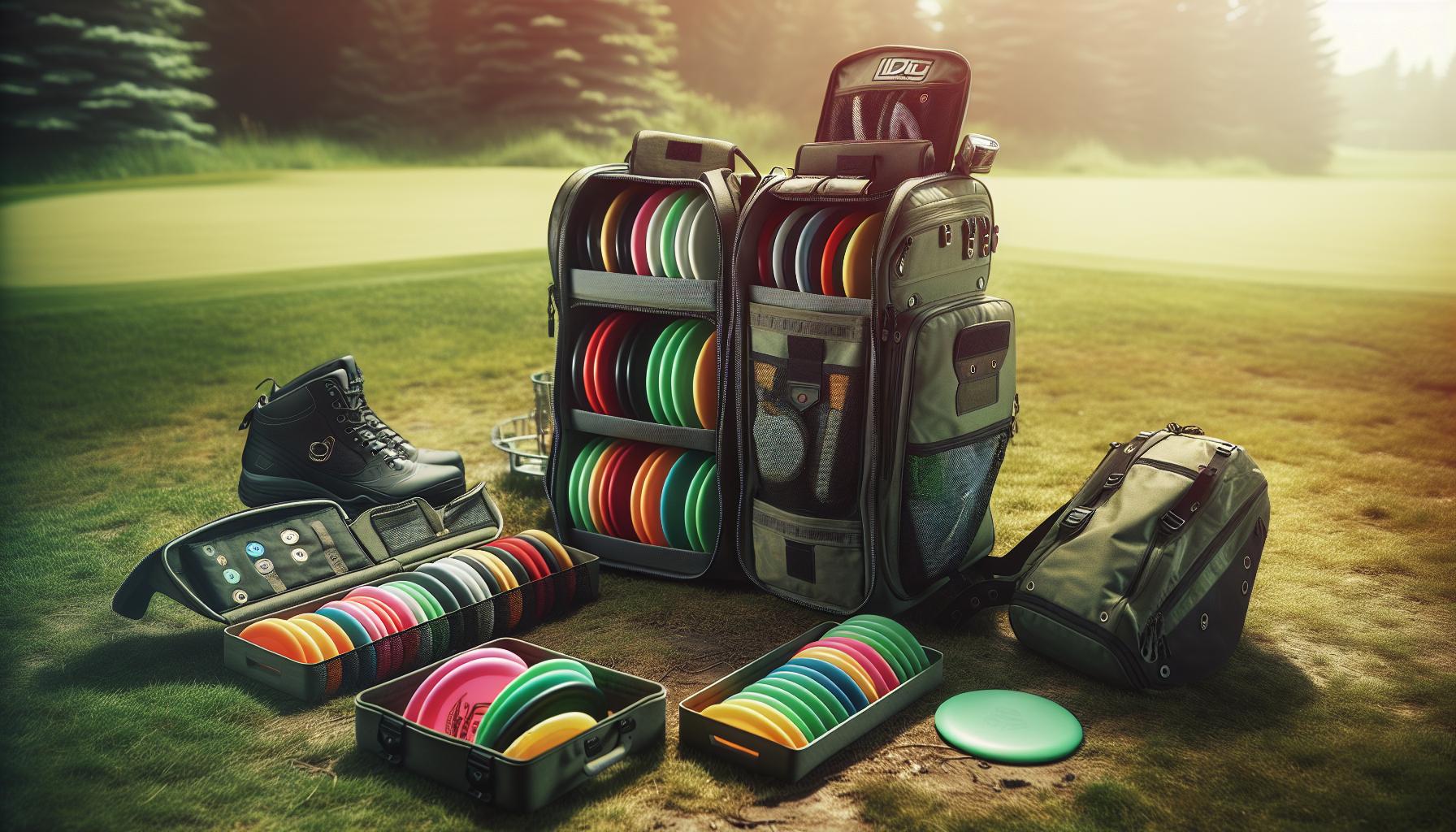
Understanding Disc Golf Bag Capacity and Choices
When it comes to disc golf, the bag you choose plays a crucial role in how effectively you can carry and manage your discs. Understanding the capacity and design of disc golf bags is essential for both beginners and seasoned players alike. Whether you are contemplating a casual game in the park or gearing up for a competitive tournament, the right bag can significantly enhance your playing experience. Most modern disc golf bags are designed with specific capacities, typically ranging from 10 to over 30 discs, depending on the style and brand.
Bag Types and Capacities
There are various types of disc golf bags that cater to different needs:
- Backpacks: Often the preferred choice for dedicated players, disc golf backpacks like those offered by Star Frame can hold between 20 to 30 discs. These bags typically feature padded straps for comfort and extra compartments for your essentials.
- Satchels: A more compact option, satchel-style bags usually carry around 10 to 15 discs. They are light and easy to transport, making them a good choice for casual rounds or local courses.
- Tournament Bags: Designed for competitive players, these bags often incorporate specialized compartments for accessories, refreshments, and additional gear, ensuring you’re fully equipped for a day on the course.
Choosing Based on Your Play Style
Your choice of bag should also reflect your personal playing style and the types of courses you frequent. If you’re someone who enjoys trying out different discs and strategies, a larger bag might be beneficial to accommodate various drivers, midranges, and putters. Conversely, if you prefer a minimalist approach and find yourself regularly playing shorter, easier courses, a smaller bag may suffice.
Conclusion
Ultimately, selecting the right disc golf bag is more than just a matter of capacity; it’s about enhancing your overall gameplay and enjoyment of the sport. Whether you’re packing for a tournament or a friendly challenge with friends, understanding the options available and aligning them with your specific needs will ensure you’re well prepared for whatever the day may bring.
Factors Influencing The Number of Discs You Can Carry
The number of discs you can carry in disc golf is influenced by several key factors, ranging from the type of bag you use to your unique playing style and the specific demands of the courses you frequent. Understanding these variables can not only improve your efficiency on the course but also enhance your overall disc golf experience.
First and foremost, the capacity of your disc golf bag is paramount. Bags are designed with various disc capacities, typically ranging from as few as 10 to more than 30 discs. For instance, a standard backpack can hold an average of 20 to 30 discs, providing ample space for drivers, midranges, and putters, plus personal items such as water bottles or snacks. On the other hand, satchel-style bags, offering a more compact design, usually accommodate about 10 to 15 discs and are ideal for casual play. Consequently, your choice of bag will directly dictate how much gear you can effectively bring along during a round.
Beyond just the bag capacity, the type of discs in your collection also plays a significant role. Each disc serves a distinct purpose-with drivers, midranges, and putters tailored for different throwing mechanics and course scenarios. Newcomers may find that starting out with a smaller selection allows for easier management and understanding of disc flight characteristics. In contrast, advanced players often prefer a wider array of discs to cater to varying course layouts and environmental conditions. As you refine your skill set, you may realize that certain disc types are more beneficial in specific situations, leading to a more strategic approach to what you carry.
Lastly, your personal playing style and the specific course conditions can greatly determine how many discs you choose to carry. Players who thrive on experimentation may carry extra discs to test various throws and strategies, while those who prefer a streamlined game will likely opt for the essentials, simplifying their decisions on the course. Seasonal changes and course designs-such as hilly terrains requiring more utility discs-can also prompt adjustments in what players choose to bring along. Being mindful of these influences will allow you to tailor your disc collection for optimal performance and enjoyment in your disc golf pursuit.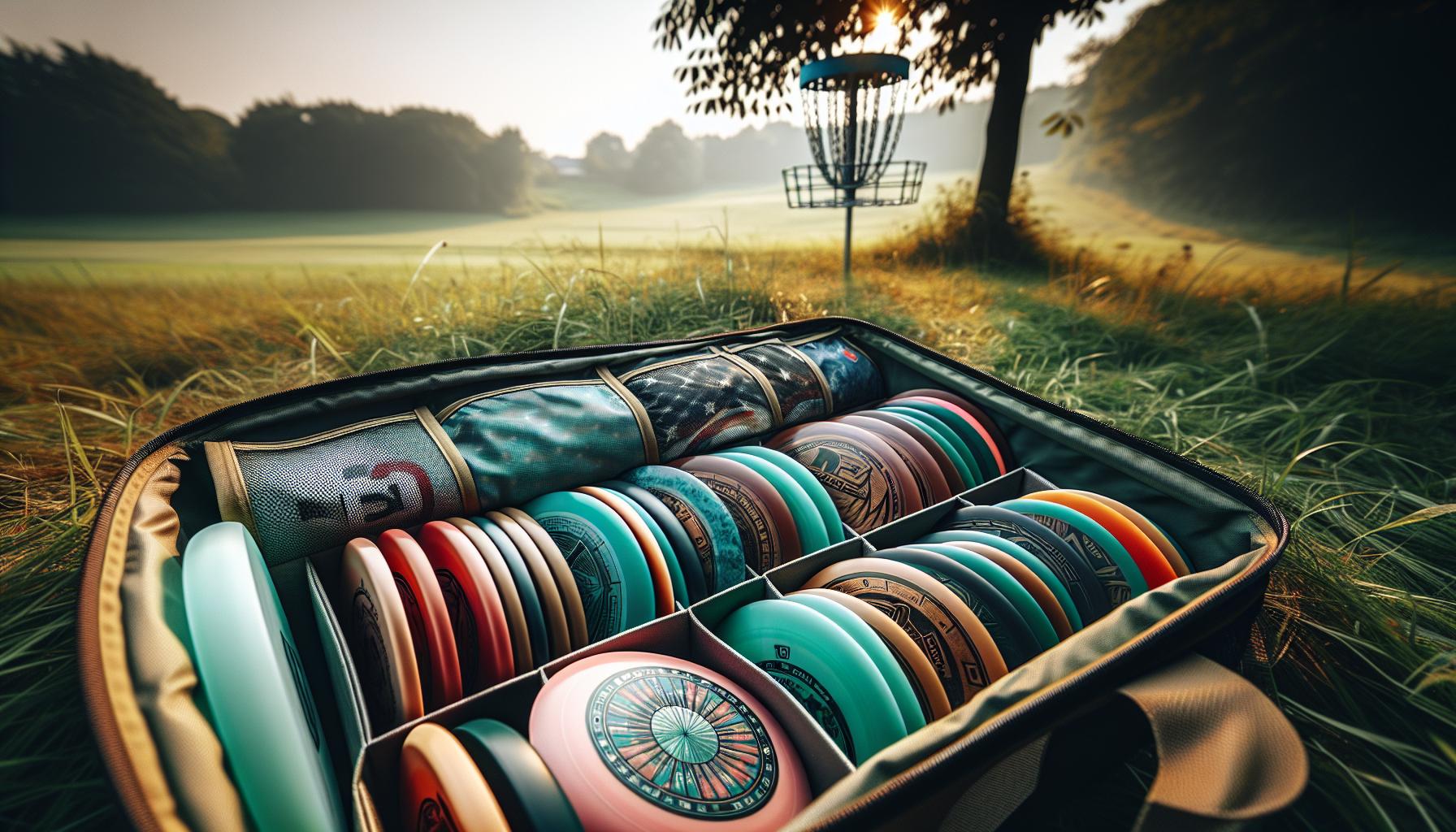
Disc Types and Their Importance in Your Bag
The variety of discs available in disc golf is not just a matter of preference; it’s a strategic choice that can significantly impact your game. Every disc serves a specific purpose tailored to different throwing mechanics and course demands. Understanding these types and their roles can greatly enhance your performance and overall enjoyment of the sport.
To start, let’s break down the three main categories of discs:
- Drivers: Designed for maximum distance, drivers are your go-to discs for the initial throw from the tee. They come in two types: distance drivers, which are streamlined for speed and stability, and fairway drivers, which offer more control for shorter distances. Familiarizing yourself with different drivers can help you achieve better throws in different wind conditions.
- Midranges: These discs are more versatile, offering a balance between distance and control. While they don’t achieve the distance of drivers, midranges excel in accuracy and are ideal for approach shots and shorter drives. Players often use them when navigating tricky shots that don’t require maximum distance.
- Putters: As the name suggests, putters are best suited for short-range throws, particularly when you’re nearing the basket. They are designed to fly straight and land softly, which helps improve your accuracy when making crucial shots towards the end of a hole.
In the context of crafting your own disc collection, recognizing the importance of disc types allows you to tailor your bag to the specific courses you play. Beginners might start with a few essential discs-perhaps a stable driver, a reliable midrange, and a straight-flying putter. As players gain experience, they will likely begin to experiment with multiple discs within each category, expanding their collection to handle different course challenges and personal throwing styles.
Consideration of disc types also plays a vital role in your strategy during competitive play. For instance, having a selection of overstable and understable discs can support a broader range of throws. Being equipped with these varying flight characteristics is crucial for tackling diverse course layouts, such as tight woods or wide-open fields. This diversity not only enhances performance but also builds confidence as you learn how to manipulate the flight paths based on environmental conditions.
Ultimately, the right mix of discs in your bag can empower you to adapt to various situations on the course, allowing for a more enjoyable and effective game. Whether you are a newcomer focusing on foundational skills or an advanced player honing your strategy, understanding the functions and applications of your discs can make all the difference. The ideal disc setup isn’t about carrying the maximum number of discs-it’s about having the right tools at your disposal when you need them, leading to better shots and an enriched disc golf experience.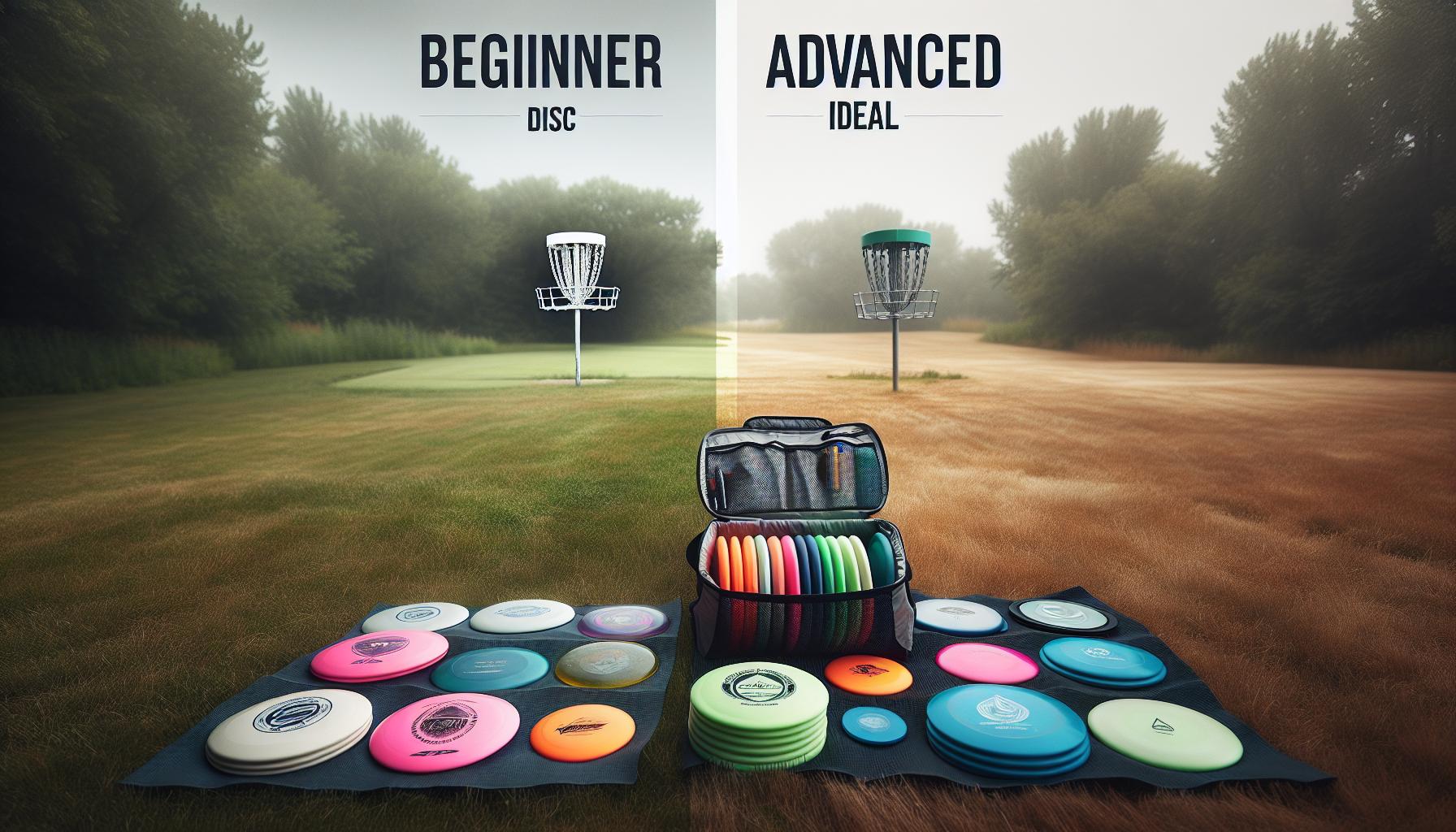
Beginner vs. Advanced: Ideal Disc Quantities
When it comes to the ideal number of discs to carry in your bag, striking a balance between necessity and comfort is essential, especially as you navigate the early stages of your disc golf journey or aim for competitive play. For beginners, a streamlined selection is advantageous. Starting with just three to five versatile discs-typically a stable driver, a reliable midrange, and a straight-flying putter-can effectively cover the basics while avoiding overwhelm. This minimalist approach allows newcomers to familiarize themselves with disc flight characteristics and develop a consistent throwing technique without the distraction of a bulky collection.
As players transition from beginners to more advanced levels, expanding the disc collection becomes crucial. Intermediate players might find that carrying around 10 to 12 discs strikes the right balance, offering enough variety to tackle different course layouts and conditions. This range should ideally include multiple drivers, a couple of midranges, and several putters that cater to varying conditions, such as wind resistance and shot angles. Advanced players, on the other hand, often exceed 15 discs in their bags. They utilize specialized discs tailored for specific situations, like overstable drivers for windy conditions or unique putters for precision placing. Their deeper understanding of disc dynamics allows for strategic decisions based on course requirements and personal throwing styles.
To visualize the progression of disc quantity and type, here’s a simple comparison of ideal disc counts based on skill level:
| Skill Level | Suggested Disc Count | Disc Types per Category |
|---|---|---|
| Beginner | 3-5 | 1 Driver, 1 Midrange, 1 Putter |
| Intermediate | 10-12 | 2-3 Drivers, 2 Midranges, 2-3 Putters |
| Advanced | 15+ | 4+ Drivers, 3+ Midranges, 4+ Putters |
Ultimately, the number of discs you choose to carry reflects your playing style, confidence, and capability. As you grow, using more discs becomes a way to enhance your game, enabling you to maneuver through varied course challenges and refine your strategy on the fly. Whether you embrace a minimalist approach or opt for a more extensive arsenal, the key is to select discs that support your development while still being adaptable to the courses you love to play.
How to Organize Your Disc Golf Bag Effectively
Effectively organizing your disc golf bag can significantly enhance your performance on the course, helping you quickly access the right disc at the right time. An organized bag not only elevates your game but also enhances your overall enjoyment of this fantastic sport. With a bit of strategy and a clear understanding of your needs, you can create a setup that allows you to focus on your throws instead of rummaging through your bag.
To start, consider categorizing your discs based on their type and function. A suggested system might include grouping them into drivers, midranges, and putters. You can further refine these categories by separating them into stable, overstable, and understable options. This way, when facing particular course conditions-whether it’s a tight right-handed turnover or a windy hole requiring a stable driver-you can quickly locate the necessary disc without digging through every single one. As your collection grows, utilizing additional compartments found in various disc golf bags can help maintain this order, ensuring your most used discs are always easily accessible.
Another helpful tip is to maintain a consistent layout within your bag. For example, place your most trusted and frequently used discs in the main pocket while positioning backups or more specialized discs towards the back. Utilizing customizable dividers, if your bag allows, can also help. Some players prefer to cluster their discs together by type, while others find it beneficial to organize by distance or utility. This personal touch can reflect your own playing style and needs, making your bag an extension of your game.
Additionally, take the time to familiarize yourself with how each disc in your bag performs across different situations. Regular practice with these discs will provide you insights into their unique flight characteristics, allowing you to quickly recall what to grab in the heat of competition. Consider keeping notes or a mental checklist of your favorite discs for specific shots-this could manifest as a simple handwritten note tucked into your bag that contains a summary of your top performers.
Ultimately, organizing your disc golf bag is about finding a system that works for you while ensuring you can adapt to various course challenges. When everything has a place and every disc serves a purpose, you can concentrate on what truly matters: enjoying the game and improving your skills on the course.
Disc Golf Tournament Rules: What You Need to Know
Understanding the rules surrounding disc carrying limits during tournaments is crucial for any serious player. The regulations are designed to create a level playing field and to ensure that competitors are adequately prepared for the challenges of any course. In sanctioned tournaments, the Professional Disc Golf Association (PDGA) allows players to carry up to 30 discs in their bag. This limit is intended to balance the advantages of having numerous options while emphasizing skill and strategy rather than sheer inventory.
While the disc limit is set at 30, players often organize their bags to maintain efficiency and familiarity with their discs. A common practice is to categorize discs into specific types, such as drivers, midranges, and putters. Additionally, within each category, players may choose discs based on their flight characteristics-stability and distance-which can be crucial for making quick decisions on the course. This organizational method not only helps in adhering to the limits but also enhances a player’s readiness during a round, allowing for swift disc selection in varied conditions.
Every player’s approach to filling their disc quota reflects their unique playing style and strategic preferences. For instance, beginners might focus on carrying a mix of versatile discs that help develop their throwing techniques, while more advanced players may carry specialized discs that cater to their skill set and specific course layouts. Knowing the optimal number of each type of disc to carry can enhance performance and competitiveness, allowing players to tackle different situations with confidence.
The essence of these tournament rules is to foster a spirit of competition that values skill and preparation. As you gear up for your next tournament, ensure your selection is representative not just of quantity but also of your evolving capabilities as a player. With thoughtful organization and an understanding of the rules, you’ll be well-equipped to navigate the challenges of any course and compete at your best.
Comparing Disc Golf Bags: Backpack vs. Satchel
When hitting the course, one of the critical decisions every player faces is choosing the right disc golf bag to carry their discs effectively. Two popular styles are the backpack and the satchel, each with its own set of advantages that can significantly influence a player’s experience and performance during a round.
Backpacks are ideal for players looking to maximize capacity without sacrificing comfort. Typically designed with padded straps and ample storage, they can hold anywhere from 15 to 30 discs, making them perfect for tournament play or casual rounds where maximum versatility is needed. The ergonomic design ensures that weight is distributed evenly across the back, allowing for easier carrying over long distances, which is especially beneficial on larger courses. Furthermore, many backpacks include additional compartments for personal items like water bottles, snacks, and even umbrellas, which can enhance the overall playing experience.
On the other hand, satchels usually provide a more lightweight and streamlined option. These bags often accommodate fewer discs, usually between 8 to 12, making them better suited for beginners or casual players who prefer to carry only their essential discs. The simplicity of satchels allows for quick access to discs during play, which can be particularly advantageous in a fast-paced round. However, due to their smaller size, they may lack the additional storage features that backpacks offer, so purists may find themselves compromising on carrying more specialized discs.
Ultimately, the choice between a backpack and a satchel hinges on individual needs and playing style. Beginners might benefit from the simplicity of a satchel, focusing on learning a few key discs, while more experienced players may prefer the spaciousness of a backpack to accommodate their diverse range of discs. Assessing your playing habits, course types, and personal preferences will guide you in selecting the perfect bag that fits both your disc quantity needs and your comfort on the course.
Real Player Insights: Disc Carrying Strategies
Every disc golfer has their own philosophy when it comes to the number of discs they carry, and these personal strategies often evolve with experience and skill level. As the sport grows, players continuously share insights into their disc-carrying tactics, which can significantly enhance both casual play and competitive performance.
One common strategy is to build a well-rounded bag containing a mix of disc types tailored to different shots. Seasoned players often recommend maintaining a balance between distance drivers, mid-range discs, and putters. For example, a bag that includes two or three distinct distance drivers-each with varying stability-provides the necessary tools for achieving maximum distance while still managing risks on tricky holes. Novices might start with just one of each type to keep it simple, gradually expanding their collection as they become more comfortable with their throwing mechanics.
Another effective approach is adhering to the “less is more” philosophy. Some players advocate for minimizing their carry to a select few discs that cover a wide range of situations. This strategy not only simplifies decision-making during a round but also allows for deeper familiarity with each disc’s flight characteristics. By focusing on a core set-perhaps a stable driver, an overstable approach disc, and a reliable putter-players can develop consistency in their game without the paralysis that can arise from carrying too many options.
Real player testimonies highlight the importance of community and shared experiences. For instance, many players in local clubs may suggest testing various discs during casual rounds before locking in choices for tournament play. This practice helps discern which discs perform best under pressure and in varying conditions, defining personal preferences that can enhance overall performance during high-stakes moments.
Ultimately, the strategies players adopt regarding disc carrying serve not only practical purposes but also foster a deeper connection with the sport. Disc golf, often seen as a blend of skill and strategy, invites players to experiment and refine their approach, reflecting not just individual preferences but also the dynamic nature of this growing sport.
Tips for Selecting the Right Discs for Your Game
Choosing the right discs for your game is crucial, especially when considering how many to carry in your bag. While beginners might find themselves overwhelmed by the sheer variety and specifications of discs available, skilled players know that a curated selection can significantly enhance their performance on the course. One fundamental principle of disc selection is understanding the four key flight characteristics: speed, glide, turn, and fade. Every disc has a unique combination of these traits, which can be used to your advantage depending on individual throwing styles and course requirements.
Consider your skill level and play style when building your collection. For newcomers, starting with a few versatile discs can help develop consistency. A recommended starting set might include:
- 1 Distance Driver: Look for a disc with moderate speed that can handle a variety of throws. This provides the distance when needed but isn’t so overstable that it becomes difficult to control.
- 1 Fairway Driver: A more controllable option that offers less speed; ideal for precise throws and when navigating tighter fairways.
- 1 Mid-range Disc: Perfect for shorter shots that require accuracy; this should be stable enough to handle straight throws and slight turns.
- 1 Putter: Choose a putter that feels comfortable in your hand, as this is essential for short throws and confidence-building on the green.
As players progress, adjusting their bag to incorporate more specialized discs can lead to a deeper understanding of their own game. For instance, advanced players often benefit from having multiple drivers of varying stabilities (understable, stable, and overstable). This allows for strategic shot selection based on the demands of each hole. You might also consider including unique discs, such as a hyzer-flip disc for long, controlled shots or a forehand-specific disc.
Additionally, practicing with your discs is vital to maximizing your effectiveness on the course. Spend time understanding how each disc reacts in different conditions-wind, elevation changes, and so on. Real player experiences suggest utilizing practice rounds to test various discs under various conditions, allowing you to build confidence and familiarity with your selections. Remember, it’s not just about quantity; it’s also about ensuring that each disc in your bag has a defined purpose that fits your playing style.
With these strategies, you can build a solid collection that allows for flexibility on the course without overwhelming yourself with choices. Balancing versatility and specialization is key to both enjoying the game and improving your skill level in the dynamic world of disc golf.
Balancing Versatility and Specialization in Your Collection
When it comes to disc golf, the delicate balance between versatility and specialization within your collection can be the key to enhancing your overall gameplay. Understanding this balance allows players to navigate the complexities of various courses while adapting to different throwing conditions and challenges. Players equipped with a well-thought-out selection of discs can tackle a broader range of shots, making them more formidable competitors.
A versatile disc collection typically includes a range of discs that cover various shot types and distances. For instance, having both a distance driver and a fairway driver allows you to choose the right disc for maximum distance or accuracy based on the situation. Similarly, incorporating multiple mid-range discs can expand your options on shorter or technical holes. Here are a few essential guidelines for crafting a collection that fosters both versatility and specialization:
- Start with the Essentials: As a beginner, focus on three primary types of discs – a distance driver, a fairway driver, and a mid-range disc alongside a putter. This foundation allows you to develop a strong all-around game.
- Gradually Add Specialized Discs: As you gain experience, consider introducing discs tailored for specific shots or conditions. For example, an understable disc for hyzer flips or an overstable disc for headwind throws can become crucial tools in your arsenal.
- Practice with Purpose: Dedicate time to understand the flight paths and conditions for each disc. This practice helps you learn the nuances, making it easier to select the right disc in high-pressure situations.
Moreover, embracing both versatility and specialization doesn’t mean having a crowded bag. Instead, it’s about intentional selection and conscious awareness of flight characteristics. Each disc in your bag should serve a specific purpose, enhancing your ability to respond to the unique demands of each throw without feeling overwhelmed by choices. This strategic approach not only boosts confidence but also cultivates a deeper enjoyment of the sport as you master both the fundamentals and intricacies of disc golf.
Lastly, remember that the disc golf community thrives on shared experiences and tips. Engage with fellow players to gain insights into their disc selections and strategies. Their real-world experiences can provide invaluable knowledge, guiding you toward the optimal balance for your game.
The Impact of Carry Limits on Performance and Strategy
The number of discs you carry can significantly influence your performance and strategy on the course. Unlike traditional ball golf, where players can carry multiple balls but are limited to 14 clubs, disc golfers face no specific limit on the number of discs they can carry. This freedom can create both opportunities and challenges in how you approach each round. The real impact often lies in the choices you make within your bag limit and how those choices align with your specific game style and the course layout.
Carrying a larger variety of discs allows players to adapt to a broader range of situations, such as varying wind conditions or different hole layouts. For instance, having multiple drivers for different distances and stability can provide the flexibility to select the optimal disc for distance or control based on the unique demands of each throw. However, while a diverse selection can enhance your adaptability, it can also lead to decision paralysis-finding yourself overwhelmed by too many options when trying to select just one disc per shot.
To strike a balance between versatility and specialized performance, thoughtful organization and strategic selection of discs are crucial. One effective approach is to categorize your discs into three primary groups: distance drivers, mid-range drivers, and putters, while gradually integrating additional specialty discs as your experience grows. This system not only simplifies your choices during play but also enables you to focus on the strengths of each disc and understand their unique flight characteristics more thoroughly. When the time comes to make a throw, this clarity can boost confidence and improve your execution.
Ultimately, your choice of how many discs to carry should complement your playing style. For beginners, a smaller, well-chosen selection can build foundational skills and a solid comfort level. Advanced players might lean toward a more extensive collection that enhances their ability to manipulate different shot shapes and conditions. Embracing this journey of discovery within the sport, players should continually assess their bag based on both game performance and personal enjoyment, ever mindful that the best approach is the one that resonates with their unique playing persona.
Frequently Asked Questions
Q: How many discs can a disc golfer carry in a tournament?
A: In a disc golf tournament, players are generally allowed to carry an unlimited number of discs. However, it’s best to check specific tournament rules, as some may have guidelines regarding equipment and allowed disc types. This flexibility helps players to choose the right disc for every shot.
Q: What is the ideal number of discs for beginners in disc golf?
A: Beginners in disc golf should ideally start with 3 to 5 discs: a driver, a mid-range, and a putter. This allows new players to focus on developing their skills without overwhelming themselves with too many options, as discussed in our section on Beginner vs. Advanced: Ideal Disc Quantities.
Q: Can you carry extra discs for practice rounds?
A: Yes, during casual practice rounds, players can carry as many discs as they prefer. This is a good opportunity to try out new discs or refine your throwing techniques without the pressure of competition.
Q: Should I carry different disc types for different courses?
A: Yes, carrying a variety of disc types tailored to the course layout can enhance your gameplay. Strategic selection based on terrain and obstacles allows for greater play versatility and success, as outlined in our Factors Influencing The Number of Discs You Can Carry section.
Q: What are the benefits of carrying more discs in disc golf?
A: Carrying a larger selection of discs offers players versatility and aids in navigating various course challenges. With different discs for different flight patterns, players can adapt to changing course conditions effectively, thereby improving their overall performance.
Q: How do I choose which discs to carry for a tournament?
A: When selecting discs for a tournament, consider the course layout, your strength, and throwing style. Include a mix of distance drivers, mid-ranges, and putters to ensure you’re well-equipped for any shot, as emphasized in our Tips for Selecting the Right Discs for Your Game section.
Q: Are there any restrictions on disc weight when carrying multiple discs?
A: While there are no specific weight restrictions for carrying discs in most disc golf tournaments, heavier discs can be challenging to throw over multiple holes. It’s wise to strike a balance between weight and control for optimal performance.
Q: Can I use any disc brand in tournaments?
A: Yes, players can typically use any disc brand, provided they conform to the regulations set by the tournament organizing body. Always check the official guidelines regarding disc legality to avoid any issues.
In Summary
Thanks for diving into the world of disc golf with us! Understanding how many discs you can effectively carry is crucial for optimizing your gameplay and ensuring you’re ready for any course challenge. Remember, it’s not just about quantity; it’s about having the right variety of discs to improve your game. If you’re still figuring out which discs might work best for you, check out our guide on Choosing the Right Discs and Disc Golf Strategy Tips to level up your skills!
Don’t forget to subscribe for more insights and exclusive tips tailored specifically for disc golf enthusiasts. Have questions or experiences to share? We love hearing from our community, so drop a comment below! Explore our resources and get equipped with everything you need for your next round. Until next time, keep practicing and throwing those discs!
Get our latest guides, news, and insights highlighted in your Google Search & AI Overviews.