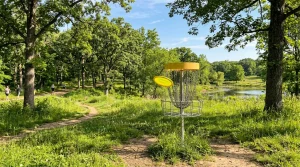
How to set up a disc golf course is an essential factor in modern disc golf course play, equipment setup, and tactical execution. Our comprehensive guide provides actionable course tips, disc flight mechanics, equipment recommendations, and tournament-tested strategies to help disc golfers optimize their scoring and course performance.
Did you know that the number of disc golf courses in the U.S. has skyrocketed by over 50% in the last decade? This surge reflects the growing popularity of the sport and the community surrounding it. Building a disc golf course is not just about placing baskets in the ground; it’s an opportunity to foster community, promote healthy living, and enjoy the great outdoors. Whether you’re a passionate player eager to create a space for practice and competition or a community leader looking to enhance local recreation, understanding the intricacies of course design is essential. In this guide, we will take you through the comprehensive steps of building a successful disc golf course, from selecting the perfect location to implementing challenging layouts that will engage players of all skill levels. By the end, you’ll have the knowledge and tools needed to bring your vision to life and contribute to the growing world of disc golf. Let’s dive in!
How to Choose the Perfect Location for Your Disc Golf Course
Choosing the right location for a disc golf course is pivotal, as it can greatly influence the course’s success and popularity among players. Ideally, a site should offer a combination of accessibility, aesthetic appeal, and natural terrain features that enhance the playing experience. Notably, a well-located course not only draws local players but can also attract visitors from afar, fostering a vibrant disc golf community.
One of the key factors to consider is accessibility. Select a location that is easily reachable by various modes of transport, whether it be by car, public transport, or biking. Proximity to urban centers can be advantageous, as more people are likely to play regularly if they don’t have to travel long distances. Additionally, ample parking and clear signage are essential to welcome newcomers and provide a safe, enjoyable experience.
Terrain plays a critical role in course design. Look for areas with diverse landscapes that challenge players while making the game visually appealing. Ideally, the location should contain natural obstacles such as trees, elevation changes, and water hazards, which can enhance the complexity of the course and cater to various skill levels. A well-laid-out course can incorporate these elements to create unique holes that encourage strategic play and reward skill. Consideration should also be given to the available space: a course typically requires a minimum of 5-10 acres for an 18-hole layout.
Another essential element is understanding the local climate and environment. Ensure that the selected area is suitable for year-round play; this involves considering seasonal weather patterns, potential for flooding, and maintaining healthy vegetation. The course should be designed not only for aesthetics but also for sustainability, which means choosing native plant species and designing pathways that minimize environmental impact.
By carefully assessing these factors-accessibility, terrain variety, and environmental conditions-you can position your disc golf course for long-term enjoyment and success, enhancing both the player experience and community engagement.
Essential Design Principles for Disc Golf Courses
Designing a successful disc golf course is both an art and a science, blending creativity with practical considerations. A well-designed course not only enhances player experience but also engages the community and encourages growth in the sport. Start by envisioning the overall feel of the course, considering how players of different skill levels will interact with the layout. This involves strategically positioning holes to create a mix of right and left turns, varying lengths, and diverse terrains that showcase the beauty of the natural landscape.
One critical principle is to ensure balance throughout the course. Holes should range in difficulty to cater to both beginners and seasoned players. Incorporate a mixture of open and wooded holes, with some requiring technical skills and others allowing for powerful throws. For instance, a longer, open fairway can be paired with a challenging basket placement near a natural obstacle, compelling players to strategize their throws. This balance keeps all participants invested, allowing beginners to enjoy the course while giving experienced players a chance to demonstrate their skill.
Incorporating Natural Elements
Taking advantage of the natural terrain not only provides aesthetic value but also creates unique challenges that enhance gameplay. Use existing trees, elevation changes, and bodies of water to craft holes that require different throwing techniques. For example, a hole that must navigate around a cluster of trees or a blind tee shot over a hill can create memorable moments for players. Additionally, building with the local environment in mind promotes sustainability, as this reduces the need for extensive modifications and fosters a sense of place.
It’s also important to think about safety and flow. Ensure that the course layout minimizes potential conflicts between players on adjacent holes and pedestrians or other park users. This includes considering tee and basket placements that encourage an intuitive flow from one hole to the next. Proper signage and clear paths will guide new players, providing essential information without overwhelming them. Keeping the course challenging yet accessible is key to building a vibrant community around your disc golf facility.
By blending these design principles and thoughtful planning, you can create a disc golf course that remains enjoyable, maintains player interest over time, and promotes a thriving disc golf community. Designing with intent not only elevates the game but ultimately drives enthusiasm and engagement across all levels.
Step-by-Step Guide to Course Layout and Design
Creating a disc golf course is akin to crafting a memorable adventure. A well-thought-out layout transforms a simple throw into an engaging experience, inviting players to explore their skills while navigating diverse environments. Following a structured approach to course layout and design ensures every hole offers both challenge and enjoyment, appealing to players of all skill levels.
Start with a detailed blueprint of your available space. Consider the natural features of the land-such as hills, trees, water bodies, and the existing terrain. Here are some practical steps to guide your design process:
1. Assess the Land
– Walk the area to identify potential launch points (tee pads) and targets (baskets).
– Note any natural barriers or unique features that can be incorporated into the design.
– Take measurements to ensure there’s enough space for the required distances between tees and baskets.
2. Plan the Holes
– Aim for a variety of hole lengths and difficulties. A good mix will keep the course interesting.
– Consider including straight, dogleg (turning) holes, and those requiring elevation changes to challenge players’ throwing techniques.
– Design each hole to have a clear line of sight from tee to basket, ensuring players can plan their throws effectively.
3. Ensure Flow and Safety
– Organize the layout to minimize backtracking and encourage a natural flow from hole to hole. It’s crucial to establish a learning curve that feels intuitive for newcomers while still engaging experienced players.
– Pay attention to the safety of players and nearby onlookers. Ensure that tee and basket placements avoid congested areas and provide enough distance between adjacent holes.
4. Incorporate Unique Features
– Think outside the box-add signature elements like a water crossing, a raised basket, or elevation drops to enhance the adventurous aspect of the course.
– Create “risk and reward” scenarios; for example, placing a basket near a cliff drop might entice experienced players to try a more complex throw, while beginners can choose a safer route.
Continuously test your layout by marking tee and basket placements and inviting local players to provide feedback. By utilizing this iterative process, you refine both the design and playability of the course, ensuring it resonates with the community. Remember, creating an inviting and engaging disc golf course doesn’t just promote recreational play; it strengthens community ties and elevates the local disc golf scene.
Selecting the Right Discs: A Beginner’s Guide
Getting started in disc golf can feel overwhelming, especially when it comes to selecting the right discs. However, understanding the basic types of discs and their unique characteristics will not only enhance your enjoyment of the game but also improve your skills on the course. Each disc is designed with specific flights and purposes in mind, making them essential tools in a disc golfer’s arsenal.
When choosing your first discs, focus on the three primary types: drivers, midranges, and putters. Drivers are designed for long-distance throws and have a sleek, aerodynamic shape that allows for higher speeds and greater distance. Ideal for players looking to cover significant distances off the tee, there are two categories within drivers: distance drivers for maximum yardage and fairway drivers for more control on shorter throws. On the other hand, midrange discs offer versatility and can be used in various situations. They generally have a more stable flight path, making them excellent for approach shots and technical throws. Finally, putters are designed for accuracy and control when throwing short distances, especially during putting. They have a blunt edge and are heavier, making them easier to throw straight and putt accurately.
Choosing the right weight for your discs is also crucial. As a beginner, opting for lighter discs (in the range of 150 to 170 grams) can be beneficial. They are easier to throw and can achieve greater distances with less effort. As you progress and develop your throwing skills, you can start experimenting with heavier discs that offer more stability and control.
In addition to disc types and weights, consider the overall plastic quality and durability. Discs are made from various plastics, each providing different levels of grip, durability, and flexibility. For a beginner, discs with a softer grip can help with control during throws. It’s also wise to visit your local disc golf store to handle different discs, as personal preference plays a significant role in what feels right in your hands.
In summary, starting your disc golf journey with a basic set of three discs-one driver, one midrange, and one putter-will allow you to build a solid foundation. Experimenting with different types and weights will enable you to discover what works best for your playing style. The right discs will help you grow as a player, whether you’re having fun casually on weekends or competing in more serious tournaments!
Fun Challenges: Incorporating Unique Features on Your Course
Creating a disc golf course is an exciting challenge that allows for creativity and a touch of playfulness. One of the best ways to enhance the experience for players of all skill levels is to incorporate unique features that not only test their skills but also add fun elements to the game. Think beyond traditional layouts and consider how different obstacles and creative designs can spice up the action on your course.
Start by evaluating natural terrains that can be integrated into the design. For instance, use existing trees, water hazards, and elevation changes to create engaging pathways to the basket. A well-placed tree can force players to choose a specific throwing technique, while sloped areas can add difficulty to putting or approach shots. Additionally, design features like tunnels through trees or low-hanging branches can promote finesse and strategic thinking. Each unique element not only enhances the challenge but can also make the course more visually appealing.
To further amplify player engagement, consider adding fun obstacles or themed elements. For example, you might include a “swinging pendulum” made from sturdy, suspended materials that players must navigate their discs around. Alternatively, creating a mini-obstacle course with tires or logs can offer an engaging warm-up area. These features not only challenge players but also encourage creativity in their throwing style. Another idea is to implement varying basket heights or creative “island” layouts-where the basket can only be accessed by landing on a specific area-forcing players to execute precise throws.
Here are a few fun challenges to incorporate into your course design:
- Obstacle Holes: Use fences, stand-alone boulders, or decorative natural barriers to create intricate paths to the basket.
- Water Features: If possible, incorporate a water hazard that can either punish misthrows or serve as a stunning backdrop.
- Themed Areas: Design sections of your course around themes, such as a “jungle” section with vines or a “desert” area with sandy pits and cactus props.
- Local Artwork: Collaborate with local artists to include sculptures or murals that can act as unique features along the course.
Through thoughtful design, you can create a disc golf course that is not only about competition but also promotes enjoyment, creativity, and community. By infusing elements of playfulness and challenge into your course, you’ll provide both newcomers and seasoned players with unforgettable experiences every time they hit the course. These unique challenges allow players to connect deeper with the sport as they explore new throwing techniques, celebrate achievements, and most importantly, have fun while playing.
Building Terrain Considerations for Disc Golf
When it comes to designing a disc golf course, the natural terrain can significantly influence the playing experience, making it not only more fun but also challenging. Successful courses often utilize the landscape’s existing features, like hills, trees, and water hazards, to create pathways that test players’ skills and provide memorable experiences. For instance, undulating terrain can be leveraged for elevation changes that complicate throws and putts, enhancing strategic decision-making and execution for players of all skill levels.
Integrating trees into your course design is another effective way to shape gameplay. Strategically placing baskets near clusters of trees can force players to navigate through narrow gaps or execute precision throws. This promotes not only technical throwing skills but also the creative use of different disc types. For example, players might need to choose between a putter for a straight but risky throw or a more stable driver to bend around an obstacle. Moreover, low-hanging branches can create added challenges, requiring players to adjust their throwing styles and timings.
When evaluating land for a disc golf course, consider existing natural water bodies or the potential to create ponds. Water hazards can serve as both aesthetic enhancements and gameplay challenges. Incorporating a water feature near several baskets adds a layer of risk and excitement. If a player overshoots their throw, they may face a penalty stroke. This not only engages competitive players but also creates scenic views for all.
Lastly, ensure that your course maintains safety and accessibility. Areas that are too steep or have uneven ground should be thoughtfully addressed with appropriate signage warning about potential hazards. Having clear markings and comfortable pathways not only enhance player safety but also contribute to the overall enjoyment of the game. By being deliberate about how you use terrain features, you can create a disc golf course that welcomes newcomers while also challenging seasoned veterans, ultimately cultivating a thriving community around the sport.
How to Acquire Permits and Permissions for Your Course
Securing the necessary permits and permissions to build a disc golf course can seem daunting, but it is a crucial step toward fostering a vibrant community hub. Whether you’re planning to design a course in a public park, on private land, or within a nature reserve, understanding the permit application process can make all the difference. Engaging local government and park services early in your planning will help ensure you meet all regulations and guidelines.
Start by identifying the land you wish to use for your course. Public parks typically require you to submit a formal application detailing your project, which may involve presenting maps and design plans. For example, in Madison, players aged 16 and older need to acquire a disc golf permit through the city parks office, illustrating just one of the necessary steps for official compliance [1]. Research your area’s specific requirements: some regions may need environmental assessments while others might have additional fees.
If you’re aiming for a specific location, such as a county park, check for existing applications for disc golf events and infrastructure. Milwaukee County, for instance, has a structured application process that requires approval from the Organized Sports Office, emphasizing the importance of following local guidelines to secure your permit [2]. In some areas, you might also face community meetings to discuss your course design, allowing you the chance to address potential concerns from local residents or businesses.
When creating your application, be clear about your intentions, citing how the course will not only serve existing players but also attract new enthusiasts to the sport. Emphasize community benefits, such as encouraging physical activity, providing space for recreational events, and fostering local connections. With a well-thought-out proposal and a collaborative spirit, you’ll find that acquiring permits and permissions can lead to the foundation of a successful and engaging disc golf course.
Essential Course Equipment: Baskets and Tees
To craft a successful disc golf course, the choice of baskets and tees is paramount. These elements not only define the structure of the course but also significantly impact the playing experience. High-quality baskets are designed to catch discs effectively while maintaining durability under various weather conditions. A basket’s construction should include a sturdy pole, a catching system with multiple chains, and a visible target area that stands out against the backdrop of the course. Brands like Innova and Dynamic Discs are well-respected for their reliable baskets, which are often used in professional tournaments.
When selecting tees, consider their surface and placement. Tees can be made from concrete, rubber, or natural materials, each providing a different playing feel. Concrete tees are durable and provide a solid grip, but may become slippery when wet. Natural surfaces, such as grass or packed earth, can enhance the aesthetic appeal of the course but may require more maintenance to ensure consistent playability. It’s crucial to position tees at appropriate distances from the baskets to accommodate different skill levels; beginners might need shorter throwing distances, while advanced players often seek longer, more challenging throws.
Choosing the Right Baskets
When evaluating baskets, look for features like:
- Chain Configuration: Baskets with a larger number of chains or overlapping chain patterns can increase the likelihood of catching the disc.
- Portability: If your course will have temporary installations, consider baskets that are easy to move and set up.
- Stability: Quality baskets should be stable enough to withstand strong winds without tipping over.
Designing the Tees
The design and layout of tees should prioritize accessibility and visibility. Consider these factors:
- Visibility: They should be easily seen from the fairway, often brightly colored or marked with signage that indicates the hole number.
- Accessibility: Ensure that tees are placed in locations that are safe and easy for players to reach, avoiding steep or hazardous terrain.
- Orientation: Tees should be oriented to provide a clear line of sight to the basket, facilitating a smooth flow of play.
By thoughtfully selecting and positioning baskets and tees, you lay the groundwork for a disc golf course that not only challenges players but also welcomes newcomers. A well-designed course fosters community engagement and promotes the sport’s growth, ensuring players of all skill levels can enjoy the experience.
Maintenance Tips for a Thriving Disc Golf Course
To keep a disc golf course thriving, regular maintenance is essential not just for aesthetic appeal but also to ensure an enjoyable playing experience for all skill levels. A well-maintained course can attract more players and strengthen community ties, making it a cherished destination for disc golf enthusiasts. Implementing a consistent maintenance routine and employing best practices will help preserve the integrity and enjoyment of the course.
A fundamental aspect of course maintenance involves managing the vegetation. Utilize tools like brush mowers and weed whips to keep fairways clear and prevent overgrowth that can hinder play. Regular mowing and trimming around the baskets and tees ensure visibility and accessibility. Additionally, scouting the course for pests, such as insects or invasive plant species, can help maintain the health of the course’s ecosystem. Applying selective herbicides can be beneficial, but it’s vital to use them judiciously to avoid damaging the native flora and fauna. Collaborative efforts with local environmental or conservation groups can offer sustainable solutions for pest management.
The physical condition of the course’s infrastructure, including baskets and tees, should be routinely inspected. Check baskets for structural integrity and chain stability, ensuring they remain effective at catching discs. Tees should be kept in good repair; consider resurfacing natural tees periodically to maintain playability. If concrete or rubber mats are used, ensure they are free from cracks and slippery surfaces, particularly after rain. Adding tee signs that provide info on hole length and layout not only enhances the player’s experience but also requires regular upkeep to remain visible and informative.
Involving the community in maintenance efforts can foster a sense of ownership and pride in the course. Organizing volunteer days for clean-up and repairs encourages participation from local players and can significantly decrease maintenance costs. Engaging local disc golf clubs or schools can help inspire new generations of players while ensuring the course remains a well-loved spot for everyone to enjoy. By prioritizing maintenance, your disc golf course will not only thrive but will also serve as a hub for community gatherings and events, reinforcing the sport’s growth and popularity.
Creating an Engaging Course Map and Signage
Creating a well-designed course map and informative signage is essential for enriching the disc golf experience for players of all levels. A fantastic map not only guides players through the course but also provides them with critical information that enhances their gameplay, facilitates navigation, and promotes safety. The right signage can transform an average course into an engaging, user-friendly experience that encourages both new players and seasoned competitors to return.
To begin with, an ideal course map should visually represent the layout of the course, including the precise location of each tee and basket, the distances between them, and any pertinent notes about the terrain. Utilize graphics and clear labeling to illustrate each hole’s unique features, such as hazards, elevation changes, and regional flora. Integrating color coding according to skill levels (such as Gold, Blue, White, and Red tees) can help players quickly identify the best starting point for their abilities. Such thoughtful design ensures that newcomers feel welcome and comfortable, while advanced players can strategize their shots effectively.
Signage Essentials
Signage throughout the course serves a dual purpose: providing players with useful information and promoting the course’s identity. Key components should include:
- Tee Signs: Each sign should include the hole number, par, distance from each tee position, and a visual representation of the hole layout, noting any obstacles or strategic challenges.
- Course Map Kiosks: Place a map display at the course entrance or along the trail to help players familiarize themselves with the layout before they start.
- Informational Signs: Use these to make players aware of local flora and fauna, offer tips on etiquette, or announce upcoming tournaments and events to foster community engagement.
Including a QR code on signs that links to an online course map or a local disc golf club’s webpage can enhance accessibility and keep your course dynamic. These codes allow for updates without needing to replace physical signs, ensuring players always have the latest information.
By creating an engaging course map and incorporating detailed signage, you help all players navigate the course with confidence and foster a sense of community among participants. Ultimately, investing in thoughtful mapping and signage not only enhances each round of play but also cultivates a lasting appreciation for the sport and the course itself.
Hosting Tournaments: Best Practices for Success
Hosting a disc golf tournament can be an exhilarating way to bring the community together and showcase the sport, but successful events don’t just happen; they require careful planning and execution. When organizing your tournament, understanding the needs of both competitors and spectators is crucial. Start by selecting a format that suits the skill levels of your participants, whether it’s a single round, multiple rounds, or a bring-your-own-partner format. Clear communication about the rules, course conditions, and scheduling will set expectations and keep everything running smoothly.
Essentials for Tournament Planning
Begin with logistical details: secure the necessary permits and permissions to use the disc golf course, ensuring it’s in good condition for the event. Establish a timeline leading up to the tournament day, factoring in registration periods, volunteer assignments, and any promotional efforts. Utilize platforms like social media and local disc golf forums to spread the word. Consider offering early registration discounts to encourage participation and gauge interest levels-this can help with planning for food, prizes, and player packs.
Equally important is the experience on the day of the event. Designate a central check-in area equipped with all necessary supplies, including scorecards, pencils, and maps of the course. Utilize a reliable scoring system, whether via digital apps or manual tracking, to keep participants informed of their standing in real-time. Offering a small players’ meeting before the tournament can clarify any last-minute questions and foster a sense of camaraderie among competitors.
Creating an Atmosphere of Fun and Engagement
To elevate the tournament experience, think about adding elements that invite interaction and excitement. Prizes can include discs, gear, or local business vouchers, and consider recognizing achievements like longest drive or closest-to-pin contests to reward players beyond just the overall winner. Setting up a small vendor area with refreshments can help keep participants energized while also supporting local businesses and vendors.
A vibrant tournament atmosphere fosters community and encourages return participants. Finish the event with a post-tournament gathering, where players can share stories, enjoy refreshments, and participate in an awards ceremony. This celebration can enhance community bonds, making each tournament a memorable experience and paving the way for future events. By focusing on the details and creating an engaging environment, you can ensure a successful and enjoyable tournament for everyone involved.
Building Community: Promoting Your Disc Golf Course
Building a strong sense of community around your disc golf course is essential for its success and longevity. Not only does a vibrant community encourage players to visit more frequently, but it also helps to foster a collective enthusiasm for the sport. Hosting regular events and activities can be a powerful way to connect with players of all skill levels while promoting inclusivity and camaraderie.
One effective strategy for community building is to establish a regular schedule of tournaments and casual meetups. These events give players a chance to engage with one another, improving their skills and enjoying the social aspects of the sport. Promote these gatherings through social media platforms, local forums, and community boards to attract participants. Be sure to create a welcoming atmosphere by encouraging players of all ages and skill levels to join, perhaps even starting with “beginner-friendly” tournaments to draw in new players.
In addition to events, creating a physical space that encourages social interaction can significantly enhance the community experience. Collaborate with local businesses to set up an area where players can gather before or after their rounds. This could be a small café or vendor space offering refreshments, local disc golf gear, and even demonstrations on throwing techniques using beginner-friendly terminology. Such efforts can make newcomers feel comfortable and engaged while also legitimizing disc golf as an athletic pursuit.
Finally, consider developing an online community platform where players can share experiences, tips, and upcoming events. Utilizing social media groups or dedicated forums can keep the conversation alive outside of the course, encouraging players to share stories, discuss strategies, or organize casual games. By nurturing this kind of space, you not only promote your disc golf course but also solidify it as an integral part of the local sporting landscape, appealing to both serious competitors and casual players alike.
Q&A
Q: What are the initial costs to build a disc golf course?
A: The initial costs for building a disc golf course can vary widely depending on location and design choices. Typical expenses include land acquisition, permits, baskets, tees, signage, and maintenance equipment. A basic 9-hole course might start around $5,000 to $10,000, while a more elaborative 18-hole course could easily exceed $20,000.
Q: How do I choose the right location for my disc golf course?
A: When selecting a location for your disc golf course, consider factors like accessibility, topography, and local regulations. Ideal sites are typically public parks or open spaces with natural features that enhance gameplay. Ensure the area is free from conflicts with other activities and has enough space for players to navigate safely.
Q: What kind of permits do I need to build a disc golf course?
A: To build a disc golf course, you may need various local permits, including land use permits, environmental permits, and possibly building permits. Consult with your local government or park services to determine specific requirements in your area, ensuring all regulations are met before construction begins.
Q: How can I make my disc golf course appealing to beginners?
A: To make your disc golf course beginner-friendly, incorporate shorter teepads, wider fairways, and easier pin placements. Providing clear signage and offering lesson opportunities or rental discs can help new players feel welcome and encourage participation in the sport.
Q: What materials are best for building tees and signs on a disc golf course?
A: Ideal materials for tee pads include concrete for durability or natural surfaces like compacted gravel for lower costs. For signage, consider weather-resistant materials like aluminum or PVC to ensure longevity against the elements. Clear, informative signage enhances player experience and course navigation.
Q: How do I maintain a disc golf course effectively?
A: Effective maintenance involves regular inspections, mowing fairways, clearing debris, and maintaining tees and baskets. Implement a schedule for routine upkeep and consider involving local players or a community group for volunteer maintenance days to keep the course in optimal condition.
Q: What features can I incorporate to make my disc golf course unique?
A: Incorporate creative design elements like elevation changes, water hazards, and unique basket placements to enhance player experience. Adding fun challenges such as mandatory throws or obstacle courses can also make the course more engaging, fostering excitement among players.
Q: How can I promote my new disc golf course to encourage community engagement?
A: Promote your disc golf course by hosting launch events, local tournaments, and community meet-ups to draw attention and cultivate interest. Utilize social media to share updates, engage with players, and highlight upcoming events to build a vibrant community around your course.
In Summary
Building your own disc golf course is an exciting venture that can foster community connections and provide endless fun for players of all skill levels. As you embark on this journey, remember the crucial steps we’ve discussed, from site selection to course design and maintenance. If you’re ready to take the plunge, why not start today? Your future disc golf players are waiting for a course that challenges and inspires.
To keep your momentum going, check out our next articles on optimizing your disc golf course’s layout and essential equipment recommendations. Don’t forget to explore our comprehensive guides on disc flight characteristics and throwing mechanics, perfect for both beginners and seasoned players. Have questions or insights? We’d love to hear from you in the comments below-your input enriches our community!
Join our newsletter for ongoing tips, news, and exclusive content that will enhance your disc golf journey. Together, we can elevate the sport and create welcoming spaces for all enthusiasts. Let’s keep the conversation going and make disc golf a cherished pastime in your area!
Key Course Considerations and Strategic Navigation for How to set up a disc golf course
When developing a strategic approach around how to set up a disc golf course, players should account for essential technical and environmental factors:
- Course Layout and Terrain: Elevation changes, tree canopy density, and natural water hazards dictate whether to prioritize distance off the tee or controlled fairway positioning.
- Disc Selection and Flight Ratings: Matching disc speed, glide, turn, and fade to wind conditions and arm speed prevents costly kicks into heavy rough.
- Footwork and Release Consistency: Smooth, balanced run-ups and clean follow-throughs produce repeatable release angles on hyzer, flat, and anhyzer lines.
- Mental Strategy and Risk Management: Assessing landing zones and high-percentage scramble routes preserves par and minimizes double-bogeys during tournament rounds.
Disc Golf Equipment Specifications and Flight Matrix
| Disc Golf Element / Category | Primary Specification | Recommended Flight Characteristic | Strategic Application |
|---|---|---|---|
| Distance Driver | Speed 11–14, Wide Rim | High speed, sharp rim, controlled fade | Maximum distance off tee on open fairways |
| Fairway Driver | Speed 6–9, Moderate Rim | Neutral turn, predictable finish | Tight wood lines, tunnel shots, placement drives |
| Midrange Disc | Speed 4–5, Deep Rim | High glide, straight flight path | Accurate approach shots, control in tight gaps |
| Putt & Approach | Speed 1–3, Blunt Edge | Low glide, minimal skip, bead/beadless | Circle 1/2 putting, layups, short upshots |
Frequently Asked Questions About How to set up a disc golf course (FAQ)
What is the best way to improve accuracy for How to set up a disc golf course?
Focus on consistent footwork, maintaining a level reachback, and matching disc stability to your natural throwing speed rather than overpowering the disc.
How do wind conditions affect disc selection?
Headwinds make discs fly more understable (turn more), requiring more overstable discs, while tailwinds make discs fly more overstable (fade earlier), requiring lighter or more understable discs.
What equipment is essential for playing disc golf courses?
A balanced starter set with a putter, midrange, and fairway driver, along with a comfortable disc golf bag, chalk bag, and course-ready athletic footwear.
Get our latest guides, news, and insights highlighted in your Google Search & AI Overviews.