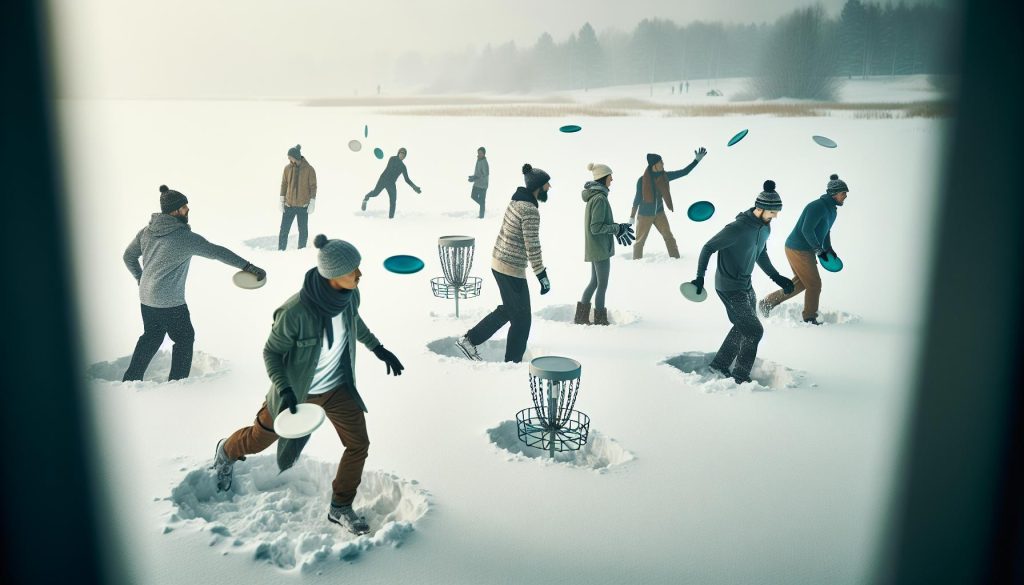
Disc golf in the snow is an essential factor in modern disc golf course play, equipment setup, and tactical execution. Our comprehensive guide provides actionable course tips, disc flight mechanics, equipment recommendations, and tournament-tested strategies to help disc golfers optimize their scoring and course performance.
Playing disc golf in the snow might seem daunting, but it can be an exhilarating adventure that transforms your winter experience. Did you know that many enthusiasts find that the crisp air and serene landscapes enhance their focus and enjoyment on the course? As temperatures drop, the right techniques and equipment can make all the difference in maintaining your game. This guide will walk you through essential tips for tackling snowy conditions, from selecting the best discs for winter play to adjusting your throwing mechanics for maximum accuracy on slippery surfaces. Whether you’re a seasoned player seeking to refine your skills or a curious newcomer eager to embrace this unique challenge, you’ll discover valuable insights that will elevate your winter disc golf experience. So, grab your gear and prepare to unlock a new level of enjoyment in this exciting sport, even when the weather turns cold!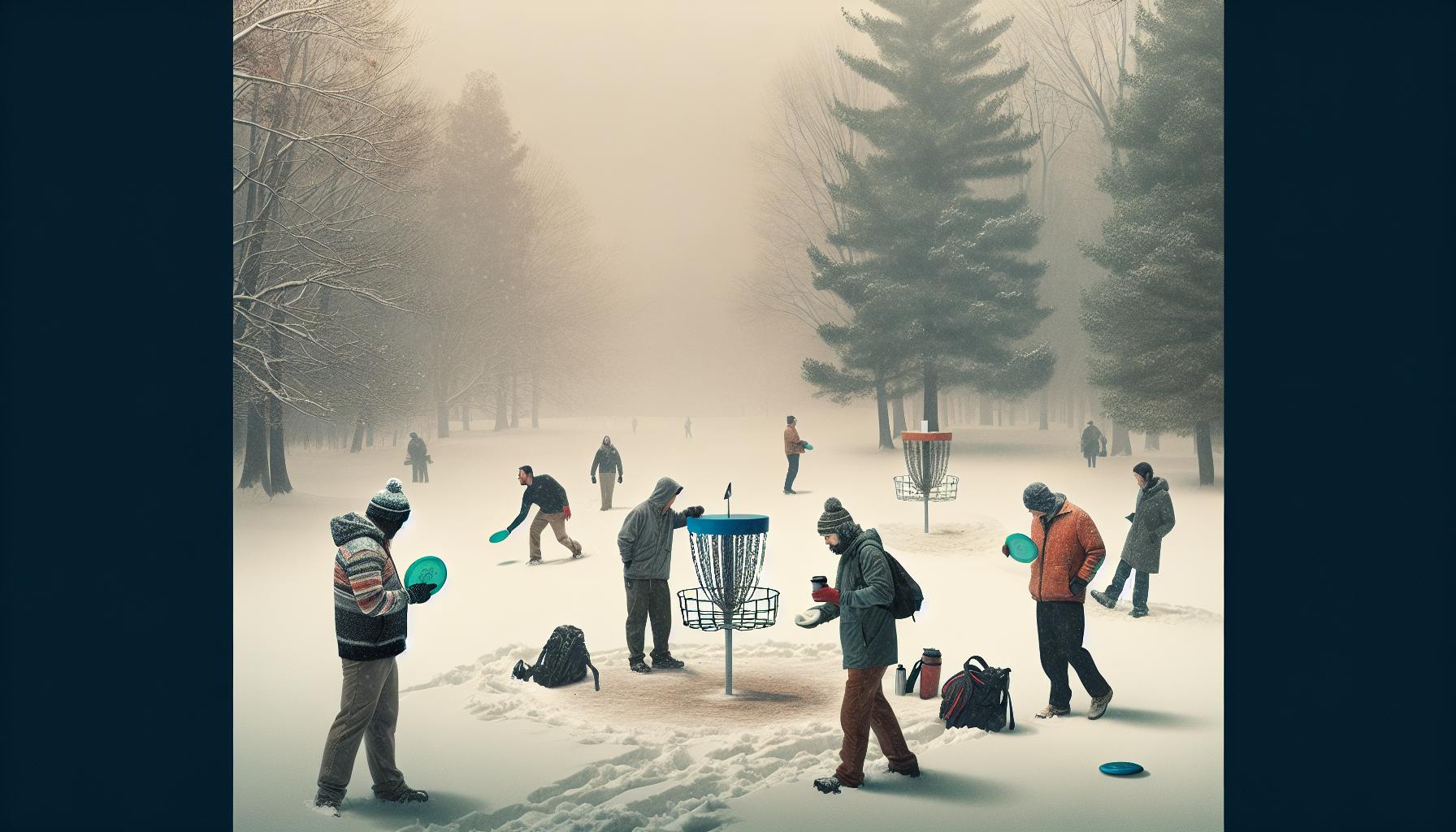
How Winter Weather Affects Disc Golf Playability
Playing disc golf in the winter presents unique challenges, but it can also offer an exhilarating experience that showcases the sport in a whole new light. Cold temperatures and snow not only affect the playability of courses but also influence the disc’s flight patterns and your overall technique. Understanding these effects can make the difference between a frustrating day on the course and a thrilling winter round.
Winter weather alters disc flight characteristics due to the lower air temperature and denser air, which generally leads to a reduced distance on throws. Additionally, snow-covered ground changes how discs land and roll, often leading to unexpected bounces or slides, especially if the snow is soft or wet. Players may find themselves adjusting not just their throwing power but also their angle of release to account for these variations. Consistent release points are crucial, as even minor changes can lead to significant differences in trajectories, making accuracy even more important in snowy conditions.
To enhance your winter play, consider the impact of the cold on your gear. When temperatures dip, the plastic of your discs can become less flexible, affecting their response during throws. This is where winter-specific discs may shine, designed with stiffer plastics that perform better in low temperatures. Keep your discs warm before rounds by storing them in insulated bags or simply keeping them close to your body. Additionally, wearing gloves that provide adequate grip without sacrificing dexterity can further improve your control over throws in icy conditions. Understanding these nuances prepares you for the distinct winter challenges and allows you to enjoy this vibrant sport year-round.
Choosing the Right Discs for Snowy Conditions
When the snow begins to fall, many disc golfers might think twice about heading outdoors, but with the right discs, winter can transform your game into a rejuvenating adventure. isn’t just about grabbing any plastic from your bag; it’s about understanding how different materials and designs will affect your performance when temperatures drop and the ground is blanketed with snow. The right disc can mean the difference between a frustrating round and a memorable day on the course.
In cold weather, the flexibility of disc plastic can significantly impact your throws. Standard discs can become stiffer, leading to less grip and more unpredictable flight paths. This is why many players opt for winter-specific discs, which are designed with stiffer plastics that maintain their intended performance even in frigid temperatures. Look for discs marketed as “winter disks” or those made from premium plastic blends that resist becoming brittle in the cold. The added stiffness can help with control and consistency in your throws, essential for navigating tricky winter conditions.
Here are some factors to keep in mind when selecting your discs for winter:
- Weight: Heavier discs tend to cut through the wind and maintain stability better than lighter ones. In snow, a heavier disc can also minimize the impact of soft, powdery surfaces.
- Grip: Look for discs with textured surfaces or those designed specifically for cold weather. These can enhance your control, even with gloves on.
- Type: Utilize overstable drivers for distance throws; they are less affected by wind. Midranges and putters can be great for precision; just ensure a reliable grip when releasing.
When you’re out on the course, consider keeping an extra layer of warmth between your body and your discs. Storing them in insulated storage or keeping them close to your body can prevent a dip in temperature that might alter their performance. Experiment with different disc combinations during practice rounds to find what works best for your throwing style in snowy conditions. Remember, winter disc golf isn’t just about toughening up; it’s about strategy, gear, and enjoying the thrill of playing in a serene winter landscape. With the right preparation and equipment, you’ll find yourself adapting beautifully, enjoying every throw through the snow.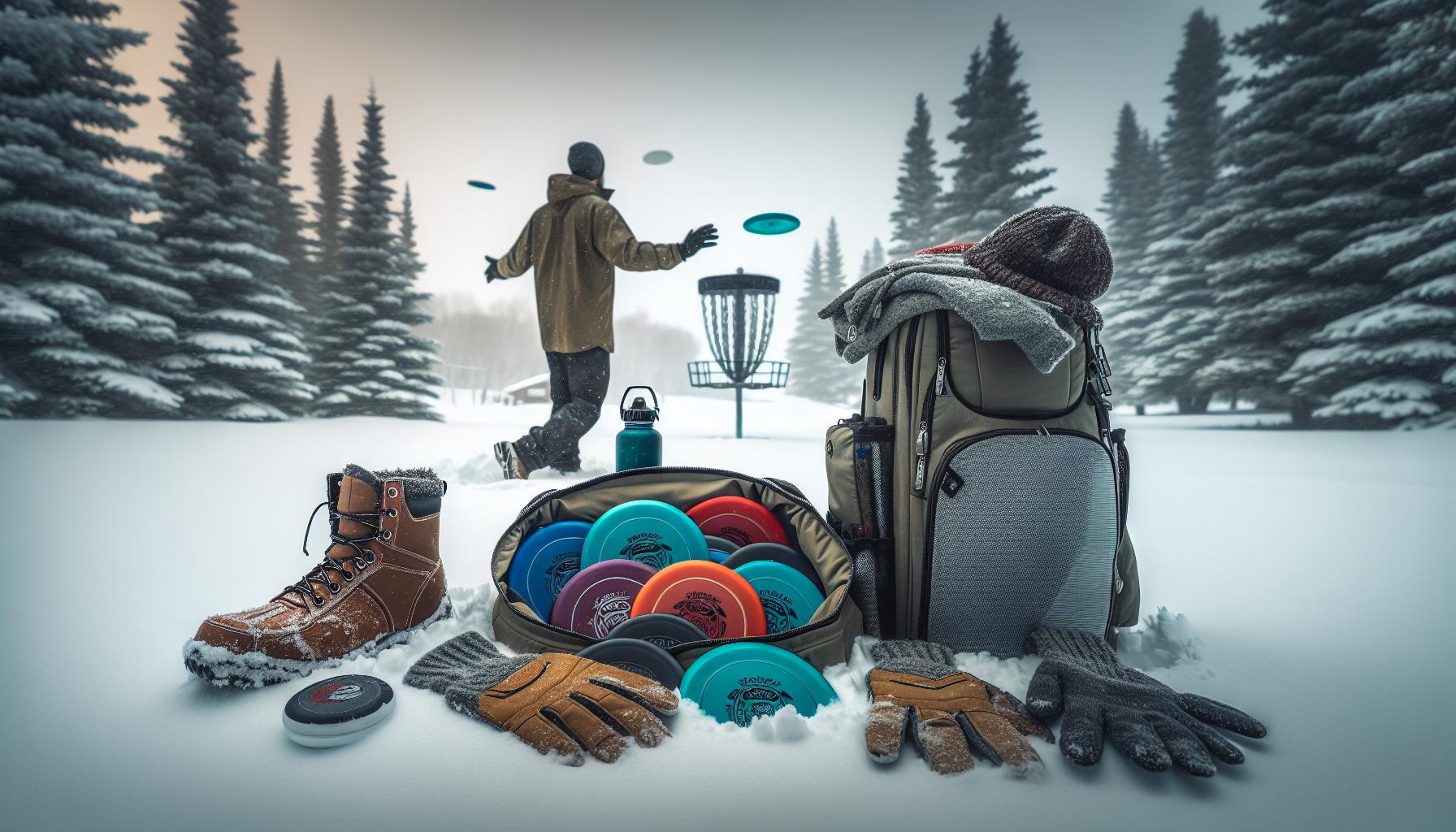
Essential Gear for Winter Disc Golf Adventures
Stepping onto the disc golf course in winter can be a transformative experience, turning the warm winds of summer play into a serene challenge against snow-capped landscapes. However, to truly enjoy this frosty adventure, you need the right gear to brave the cold and adapt to challenging conditions. The gear you choose can either make or break your winter rounds, enhancing your performance while keeping you warm and comfortable.
When it comes to clothing, layering is essential. Start with a moisture-wicking base layer to keep sweat away from your skin, followed by insulating layers like fleece or wool to hold in warmth. A waterproof and windproof outer layer is crucial as it protects against snow and freezing winds. Don’t forget thermal socks and waterproof shoes or boots that provide good grip; nothing spoils a day faster than soggy feet. For your hands, invest in gloves that allow for dexterity when gripping your discs, ideally with a textured surface to maintain control in the cold.
Disc Storage and Accessories
For your discs, you want to ensure they remain warm and ready to perform at their best. Insulated disc bags can help maintain the temperature of your discs, preventing them from becoming too cold or brittle. Consider using small hand warmers to keep your fingers and discs warm between throws, ensuring you maintain that crucial grip. A towel is also a must; it should be kept handy to wipe off snow or moisture from your discs and hands after each throw.
- Gloves: Look for gloves specifically made for disc golf or sports; they offer a balance of warmth, flexibility, and grip.
- Headwear: A warm beanie or headband can help retain body heat while a buff or neck gaiter keeps the chill off your neck and face.
- Disc Bag: Ensure it has enough space for extra layers or snacks, and consider a bag designed for winter, featuring waterproof materials.
Being well-prepared with the right gear not only enhances your performance and comfort but also ensures you can focus on the joy of the game and the beauty of playing disc golf in a winter wonderland. Embrace the chill, strap on those discs, and transform the snowy fairways into your favorite new playground!
Techniques for Optimal Grip and Throwing in Cold
Stepping onto the disc golf course in the winter can feel magical, but the cold presents unique challenges to achieving a reliable grip and throwing technique. In snowy conditions, the moisture can cause your discs to feel slicker than in warmer months, which demands a few adjustments to keep your throws accurate and powerful. Here are some effective techniques to help enhance your grip and improve your throwing performance during this frosty season.
To start, it’s essential to keep your hands warm and dry. Opt for gloves designed for disc golf that offer a good grip without sacrificing dexterity. If you can’t find specific disc golf gloves, look for thin, flexible gloves with textured surfaces that can provide grip. Before each throw, take a moment to warm your hands between throws-this can be as simple as tucking them under your arms or using handheld warmers. It’s also beneficial to keep your discs warm. Carrying them close to your body or using insulated bags can prevent them from getting too cold and brittle, which can negatively affect their flight.
When you’re ready to throw, consider altering your grip slightly. A firmer grip can counteract the slickness caused by moisture or frost, allowing for more control as you release your disc. Focus on maintaining a consistent grip pressure; this will help you avoid slipping and can reduce the tendency for your throw to hook or slice unexpectedly. Additionally, experiment with the stance. A wider base can help stabilize you on potentially slippery ground, particularly if you’re navigating through snow-covered terrain.
Lastly, modify your throwing mechanics to account for the environmental conditions. In colder weather, the air density may have slight effects on disc flight. Throwing with a bit more hyzer angle can help stabilize your throw in windy conditions that often accompany winter weather. Pay attention to your follow-through as well; maintaining fluent, controlled movements can help you keep the disc on target. Practice these techniques during your winter rounds, and you’ll find that even amidst the frost and snow, you can still enjoy competitive and enjoyable disc golf sessions.
Navigating Snow-Covered Courses: Tips and Tricks
Stepping onto a snow-covered disc golf course brings a unique blend of beauty and challenge, transforming familiar landscapes into winter wonderlands. To navigate these icy terrains effectively, players need to adjust their strategies and techniques to maintain performance while minimizing risks. The combination of snow, mud, and ice can make even the simplest throws feel complex, but with the right approach, you can turn these challenges into an enjoyable experience.
Firstly, having a solid understanding of the course layout becomes critical in winter conditions. Snow can obscure features such as elevation changes and hazards, making it easy to misjudge distances. Utilize digital course maps if available, or take a moment to walk the course if conditions allow. Before rounds, gather insights from fellow players or check online forums for recent experiences on course conditions. Familiarity with your surroundings helps you plan your shots more effectively, especially when navigating around snowdrifts or icy patches that could lead to slips.
When approaching your throw, consider adjusting your stance for better balance. Snow can be slippery, so maintaining a wider base can provide stability and prevent falls. Using snowshoes or gripping footwear can also enhance your traction. Additionally, altering your throwing technique by reducing your follow-through can mitigate the risk of slipping. Instead of a full-powered throw, focus on precision and control; this not only conserves energy in cold weather but also helps ensure that your disc lands where intended, rather than sliding off course.
As you’re traversing the snowy landscape, keep an eye out for hidden obstacles beneath the snow. Branches, rocks, and even other players can be obscured, presenting potential hazards. If necessary, don’t hesitate to mark your disc to avoid losing it in the snow. Walking the course before or between rounds to spot these hidden challenges can save you time and frustration down the line. Finally, support your fellow players; cooperation can foster a sense of community and shared enjoyment, making the wintry rounds memorable even amidst the chill. Embrace these elements, and you’ll find that playing disc golf in the snow can be incredibly rewarding.
Adjusting Your Putting Game in Frosty Weather
When playing disc golf in snowy conditions, putting becomes more than just a routine; it transforms into a delicate dance between precision and adaptation. Cold weather can significantly affect how discs handle, especially on slick, frosty greens. The key to mastering your putting game is understanding how environmental factors influence disc behavior and adjusting your techniques to maintain accuracy and confidence.
One vital adjustment is in your stance. The ground may be uneven or hidden under a layer of snow, which can throw off your balance. To counter this, widen your stance slightly to create a stable base, ensuring that you have better footing. Additionally, take your time with the stroke; rushing can lead to slips or miscalculations. It’s beneficial to visualize your line before you commit to the putt. This extra moment of focus allows you to assess the course’s nuances-like small slopes or ice patches-that could alter your disc’s path.
Moreover, the type of disc you use affects your putting success in winter conditions. Softer, more flexible discs can perform better in cold temperatures, offering improved grip and control. Consider adjusting your bag to include these types; not only do they handle moisture better, but they also help prevent your hands from freezing up during chilly rounds. Experimenting with different putters in practice rounds helps you discover which discs provide the best feel and reliability on snow-covered baskets.
Lastly, build a routine that incorporates warming up your hands and practicing your throws in varying snowy conditions. Engaging in light exercises before putting can increase blood flow, reducing the chances of stiff fingers while enhancing your grip on the disc. Remember that winter disc golf is not only about the challenges but also the community experiences it brings. Share tips and insights with your fellow players; their stories and strategies can inspire and inform your own game, turning frosty encounters into unforgettable moments of camaraderie.
Winter Discs vs. Standard Discs: What’s the Difference?
Playing disc golf in the snow introduces unique challenges that can significantly affect your performance and enjoyment. One of the most critical factors to consider is the type of discs you choose. Winter discs are specifically designed to adapt to colder temperatures and snow-covered conditions, offering advantages that standard discs might not provide.
Winter discs typically feature a softer plastic composition, which enhances grip even when your hands are colder and potentially numb. This flexibility allows the disc to retain some level of control and responsiveness that standard rigid discs may lack when temperatures drop. For example, a good winter disc will often have less glide but more stability, reducing the chances of overthrows in the windy and chilly conditions typical of winter play. Additionally, many winter-specific discs come in vibrant colors that are easier to locate in snow, a crucial benefit for maintaining pace and flow during your game.
When selecting between winter and standard discs, consider factors such as weight and flight characteristics. Winter discs often come in a slightly heavier weight range, making them less susceptible to gusts of wind and allowing for more consistent throws through snowy weather. In comparison, standard discs might be lighter, which can be beneficial in favorable conditions but may lead to unpredictability when battling winter elements. If you’re planning to play frequently in winter, consider integrating a few winter-specific options into your bag.
Maintaining your winter discs is equally important. Cold weather can affect the integrity of the plastic, making regular inspection essential. Store your discs at room temperature whenever possible before a round, as drastic temperature changes can lead to cracking or warping. Understanding the differences between winter discs and your standard options will not only elevate your performance but also enhance your overall experience on the course, allowing you to embrace the beauty and challenges of winter disc golf fully.
Maintaining Your Equipment During Winter Play
Playing disc golf in winter conditions challenges even the most seasoned players, making the maintenance of your equipment critical for optimal performance. The cold weather not only affects your grips on the discs but can also significantly impact the integrity of the discs themselves. Regular inspections of your gear are essential; this means checking for any signs of warping, cracking, or other damage caused by the chilling temperatures or harsh conditions.
To prolong the life of your discs during these winter months, store them in a climate-controlled environment whenever possible. Avoid leaving discs in extremely cold or damp conditions, as the plastic can become brittle and lose its responsiveness. Make it a habit to bring your discs inside after a round or keep them in your car where they can stay relatively warm. Before each session, allow the discs to acclimate to the outside temperature slightly to prevent thermal shock, which can lead to cracking or other issues.
Cleaning your discs is equally important. Mud and moisture can accumulate on your gear, which not only affects your grip but can also lead to damage if water seeps into the inner layers of the disc. Use a soft cloth or clean towel to wipe away snow, ice, and dirt after each throw. Always check the edges of the discs for any nicks or scratches, as these can affect flight performance in critical moments.
Additionally, invest in a sturdy bag designed for winter use, ideally with insulation and waterproofing to protect your discs from snow and muck. Utilizing a bag with an insulated compartment can keep your winter discs in good shape, while waterproof pockets will help safeguard any electronics or personal items from the wet conditions.
By prioritizing disc maintenance, cleaning, and proper storage, you can ensure that your gear remains in excellent condition, allowing you to focus on your game and enjoy the unique beauty of winter disc golf.
Building a Winter Disc Golf Community
can transform solitary rounds into vibrant, shared experiences filled with camaraderie and healthy competition. As the snow blankets the courses, the opportunity to connect with fellow enthusiasts heightens the joy of the game. By fostering a strong community, players not only enhance their winter disc golf experience but also contribute to the growth and recognition of the sport itself.
One effective way to kickstart this community is by organizing winter meetups or leagues. Consider creating a weekly or bi-weekly gathering where players can come together, share tips, and compete in friendly matches. To facilitate participation, use social media platforms or local forums to announce events, encouraging both beginners and seasoned players to join. Emphasize inclusivity by ensuring games accommodate various skill levels, allowing everyone to feel welcome and motivated to improve. Such initiatives can lead to friendships that extend beyond the course, fostering a network of support among players.
Moreover, sharing experiences and insights through online groups or local disc golf clubs can significantly enrich the community dynamic. Setting up platforms for players to post about their winter rounds, favorite disc choices for snowy conditions, and personal tips can empower others and create a collaborative atmosphere. This can also include fun challenges like “Snowy Course Best Score” or “Most Creative Throw in the Snow,” where participants can share videos or photos, bolstering engagement and excitement.
Running winter tournaments or competitions is another fantastic way to build community spirit. Host events that allow players to showcase their skills, with categories that highlight winter conditions-such as best team score in a snowfall or longest throw with a snow-covered fairway. Not only do these events promote athletic prowess, but they also solidify community bonds, creating shared stories and memorable experiences. Engaging local businesses as sponsors can further enhance these events, creating a link between disc golf and the broader community while providing additional resources and prizes.
By emphasizing gameplay, inclusivity, and shared experiences, you can cultivate a thriving winter disc golf community that celebrates the joy of the sport, encourages new players, and honors the challenges of playing in snow-covered conditions. Whether you’re playing with friends or competing for bragging rights, the key is to enjoy the unique beauty and challenges of winter disc golf together.
Preparing for Winter Tournaments: Strategies for Success
Preparing for winter tournaments requires both strategic planning and a mindset that embraces the unique challenges snow can bring to the game. As temperatures drop and courses transform into serene winter landscapes, competitors must be equipped not just with the right mentality, but also a comprehensive approach that takes into account the variations in playing conditions.
Start by ensuring that your equipment is ready for the frost. This means selecting discs that perform well in cold weather-ideally, those that maintain grip and stability. People often overlook this detail, leading to inconsistent throwing. Emphasize a pre-tournament check of your gear; clean your discs to remove any snow or ice and inspect them for cracks or damage that colder temperatures might exacerbate. Consider using gloves designed for throwing that maintain dexterity while providing necessary warmth.
Another crucial aspect is adapting your physical preparation routine. Cold weather can affect muscle flexibility and overall performance, so add dynamic warm-ups that focus on improving circulation. Incorporate stretches that specifically target throwing motions to prevent injury. Additionally, practice your throws in winter conditions leading up to the tournament. This adaptation period will enhance your confidence and comfort level with various types of throws when faced with snow-covered terrain.
Understanding the course layout in winter conditions is equally important. Some features may be obscured by snow, making it hard to gauge distances and hurdles. If possible, get a feel for the course prior to the event, noting crucial throw lines and potential hazards that snow might hide, like trees and icy patches. Familiarize yourself with how the snow will impact disc flight; for instance, snow can create an illusion of distance, so calculating throws with adjustments for buoyancy and ground conditions is essential for sharp strategic play.
Lastly, involving the community can be a powerful way to enhance your tournament experience. Leading up to the event, consider organizing practice sessions or small competitions among local players. Not only does this build camaraderie, but it allows for sharing tips about navigating winter challenges and reinforces mental resilience, creating a supportive environment that champions improvement beyond individual competition. By sharing strategies and experiences, you enhance your game while inspiring fellow competitors to embrace the elements.
Becoming adept at navigating winter tournaments takes practice and preparation, but with a dedication to adjustment and community engagement, you can turn the frosty hurdles into opportunities for success and memorable winter disc golf experiences.
Safety Tips for Playing Disc Golf in the Snow
When hitting the disc golf course in snowy conditions, safety should be your top priority. Snow can create hidden hazards, both on the ground and in the air. Slippery surfaces, obscured obstacles, and the chill of winter weather can turn an enjoyable day into a perilous outing. To ensure you have a safe and enjoyable experience, consider these essential safety tips.
First, dress appropriately for the conditions. Layering is key; start with moisture-wicking base layers to keep sweat away from your skin, add insulating layers for warmth, and finish with a waterproof outer layer to shield against snow and wind. Make sure to wear waterproof shoes or boots with good traction to prevent slips on icy patches. Accessories like hats, gloves, and scarves can help retain body heat, but opt for gloves that allow for dexterity when throwing.
Next, it’s crucial to stay visible and aware of your surroundings. Snow can obscure lines of sight, making it harder to see fellow players and potential hazards. Consider wearing bright or reflective clothing and stay alert to other players on the course. When throwing, announce your intention clearly to ensure that everyone is aware of your actions, particularly if others are in the vicinity.
Another significant safety consideration is navigating the course carefully. Take your time on icy ground; rushing increases the risk of falls and injuries. Pay attention to where you step, and try to avoid areas that look questionable or risky. Use markers or natural landmarks as guides since snow can hide typical course features. If you’re unfamiliar with the course, take a friend or practice with a local group to familiarize yourself with the layout before diving into heavier play.
Finally, maintain a contingency plan for adverse weather. Keep track of the forecast, and if conditions are severe (e.g., heavy snowfall or temperatures dropping significantly), re-evaluate whether it’s wise to play. Carry a basic first aid kit, and consider bringing a charged phone for emergencies. Establish a meeting point in case players get separated, especially in wooded or expansive settings. Preparation can make all the difference in ensuring a safe day on the course, allowing you to enjoy the beauty of disc golf in winter with peace of mind.
Real-Life Disc Golf Winter Experiences and Stories
There’s something uniquely exhilarating about stepping onto a disc golf course blanketed in fresh snow. The crunch of your footsteps, the serene beauty of white-dusted trees, and the challenge of navigating icy terrain add a layer of adventure to the game. Experienced players often recount their winter rounds as transformative, sharing stories of unexpected victories and laughable mishaps that come from playing in snowy conditions.
Many disc golfers have embraced the winter months as a chance to sharpen their skills and connect with the community. One player shared, “Last winter, I joined a local group for a snow disc golf tournament. The camaraderie was infectious, and despite the freezing temperatures, we all brought our best. I learned to adjust my grip for colder weather and even discovered that playing in the snow helps improve my accuracy; I took home a couple of cool prizes, too!” This sentiment reflects how winter can foster not just competition but also friendship and support among players.
However, not every winter round goes as planned. Another avid player recalled their infamous “slip and slide” moment: “As I prepared to throw on the tee pad, I didn’t realize how icy it was until I slipped and fell. My disc went flying-right into the basket! I ended up getting an ace, but I also learned to always check the footing before teeing off.” These humorous experiences often become cherished memories, reinforcing the importance of resilience and adaptability in the sport.
Winter disc golf also encourages innovative approaches to gear and strategy. One player’s experience illustrates this perfectly: “I invested in a set of winter discs that are better suited for cold, wet conditions. It was a game changer! Not only did I adjust my throwing style, but my confidence soared knowing I had the right equipment.” Such adaptations not only improve performance but also showcase the creativity within the disc golf community, proving that enthusiasm for the sport can thrive even as temperatures drop.
Ultimately, the real joy of winter disc golf lies in the stories we share and the connections we make. Whether you ace that tricky snowy hole or stumble into a friendly snowball fight, each round becomes a cherished chapter in our disc golfing journey. Embracing winter weather invites both challenge and community, turning every game into an opportunity for adventure and laughter.
Frequently Asked Questions
Q: How does snow affect disc flight in winter disc golf?
A: Snow can significantly impact disc flight by reducing distance and altering stability. It can cause discs to land more softly, leading to less skip or roll. Understanding these changes helps in adjusting throwing techniques and selecting appropriate discs for snowy conditions.
Q: What types of shoes are best for playing disc golf in the snow?
A: When playing disc golf in the snow, waterproof shoes with good traction are essential. Look for shoes with deep treads and insulation to keep your feet warm and dry. This will help prevent slips and provide stability on icy surfaces.
Q: What should I use to mark my disc in the snow?
A: To mark your disc in the snow, consider using brightly colored flags or cones. These can stand out against the white background. Additionally, marking discs in a visible part of the disc with tape or stickers can also prevent them from getting lost in the snow.
Q: How can I stay warm while playing disc golf in cold weather?
A: Layering is key to staying warm during winter disc golf. Start with moisture-wicking base layers, add insulating mid-layers, and finish with a waterproof outer layer. Don’t forget to wear gloves, hats, and thermal socks to keep extremities warm while throwing.
Q: Is it safe to play disc golf in icy conditions?
A: Playing disc golf in icy conditions can be hazardous. Watch out for slippery surfaces that can lead to falls. If the course is too dangerous, it’s better to postpone your game until conditions improve for safety.
Q: How should I transport my discs in the snow?
A: Transporting your discs in cold weather requires a sturdy, insulated disc bag. Consider using a bag with water-resistant material to protect your discs from snow and moisture. Keeping discs warm before play can also preserve their performance.
Q: Can I play disc golf at night during winter?
A: Yes, you can play disc golf at night in winter, but proper lighting is essential. Use headlamps or portable lanterns to illuminate your path and target areas. Ensure you know the course well, as snow can obscure boundaries and hazards.
Q: Should I adjust my throwing style for snowy conditions?
A: Yes, adjusting your throwing style for snowy conditions can enhance performance. Focus on shorter, more controlled throws to maintain accuracy. Consider adopting a lower throwing angle to account for the impact of snow on your disc’s flight pattern.
Feel free to explore these tips to enhance your winter disc golf experience! For more information about techniques and gear, check out our articles on Essential Gear for Winter Disc Golf Adventures and Techniques for Optimal Grip and Throwing in Cold.
Key Takeaways
As you gear up to tackle disc golf in snowy conditions, remember that preparation and technique are your best allies. Embrace the challenge of the winter course with the tips we’ve shared, from selecting the right gear to adjusting your throwing mechanics. For more insights on maximizing your playtime, check out our guides on choosing the best discs for cold weather and advanced throwing techniques to enhance your skills.
Don’t let the winter chill hold you back-get out there and enjoy the beauty of disc golf! Need more support? Subscribe to our newsletter for weekly tips and exclusive content or explore our community forum to share your experiences and connect with fellow enthusiasts. Your next round is waiting; let’s make it unforgettable. Share your thoughts below and stay tuned for more!
Key Course Considerations and Strategic Navigation for Disc golf in the snow
When developing a strategic approach around disc golf in the snow, players should account for essential technical and environmental factors:
- Course Layout and Terrain: Elevation changes, tree canopy density, and natural water hazards dictate whether to prioritize distance off the tee or controlled fairway positioning.
- Disc Selection and Flight Ratings: Matching disc speed, glide, turn, and fade to wind conditions and arm speed prevents costly kicks into heavy rough.
- Footwork and Release Consistency: Smooth, balanced run-ups and clean follow-throughs produce repeatable release angles on hyzer, flat, and anhyzer lines.
- Mental Strategy and Risk Management: Assessing landing zones and high-percentage scramble routes preserves par and minimizes double-bogeys during tournament rounds.
Disc Golf Equipment Specifications and Flight Matrix
| Disc Golf Element / Category | Primary Specification | Recommended Flight Characteristic | Strategic Application |
|---|---|---|---|
| Distance Driver | Speed 11–14, Wide Rim | High speed, sharp rim, controlled fade | Maximum distance off tee on open fairways |
| Fairway Driver | Speed 6–9, Moderate Rim | Neutral turn, predictable finish | Tight wood lines, tunnel shots, placement drives |
| Midrange Disc | Speed 4–5, Deep Rim | High glide, straight flight path | Accurate approach shots, control in tight gaps |
| Putt & Approach | Speed 1–3, Blunt Edge | Low glide, minimal skip, bead/beadless | Circle 1/2 putting, layups, short upshots |
Frequently Asked Questions About Disc golf in the snow (FAQ)
What is the best way to improve accuracy for Disc golf in the snow?
Focus on consistent footwork, maintaining a level reachback, and matching disc stability to your natural throwing speed rather than overpowering the disc.
How do wind conditions affect disc selection?
Headwinds make discs fly more understable (turn more), requiring more overstable discs, while tailwinds make discs fly more overstable (fade earlier), requiring lighter or more understable discs.
What equipment is essential for playing disc golf courses?
A balanced starter set with a putter, midrange, and fairway driver, along with a comfortable disc golf bag, chalk bag, and course-ready athletic footwear.
Get our latest guides, news, and insights highlighted in your Google Search & AI Overviews.