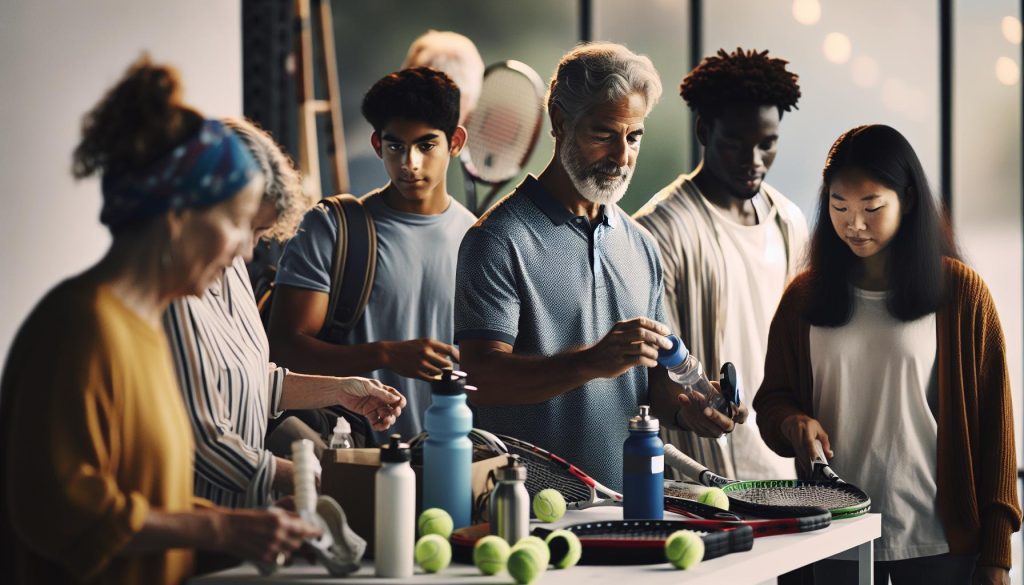
Preparing for a tournament can be a thrilling yet daunting experience. Did you know that a well-structured checklist can significantly enhance your performance and boost your confidence? Whether you’re a seasoned competitor or new to the scene, having a clear plan is essential to reduce stress and ensure nothing is overlooked. This guide will walk you through crucial steps to optimize your tournament preparation, from gear checks to mental readiness. By focusing on these elements, you’ll put yourself in the best position to perform and enjoy the competition. Get ready to discover practical tips that will transform your approach and elevate your game to the next level!
Preparing Mentally and Physically for Tournaments

Preparing for a tournament is not just about physical readiness; mental preparation plays a crucial role in an athlete’s performance. The competitive nature of tournaments can create significant pressure, making it essential to develop strategies that enhance both your mental and physical state before the big day. Engaging in visualization techniques can help you imagine success and prepare your mind for the challenges of the tournament. Visualize each throw, every possible scenario, and how you’ll respond. This not only boosts confidence but also helps you become more accustomed to the environment you’ll be competing in.
Physical preparation starts weeks in advance. It’s important to establish a training regimen that addresses both your skill development and your fitness. Focus on building strength, flexibility, and endurance through targeted workouts. Incorporate specific drills that mimic tournament conditions, such as game situations or timed rounds, to get accustomed to the pressures you will encounter. Additionally, try to practice on the actual course, if possible, to familiarize yourself with its layouts and unique challenges. Understanding how each hole plays can give you a competitive edge.
Mental conditioning is equally vital. Techniques such as mindfulness and meditation can help manage anxiety and enhance focus during competition. Practicing breathing exercises can calm nerves and create a sense of clarity, allowing you to concentrate better on your game plan. Moreover, developing a routine that you follow before your tournament rounds can establish a sense of normalcy and control, enabling you to enter the competition feeling more at ease. Remember, successful athletes often cultivate a strong mindset alongside their physical skills, embracing both aspects to thrive under pressure.
In the days leading up to the tournament, prioritize rest and recovery. Avoid overtraining, as fatigue can undermine your physical and mental game. Instead, ensure you’re getting adequate sleep and nutrition, as these are foundational for maintaining energy levels and focus. With the right combination of physical and mental preparation, you’ll be poised to tackle your tournament with confidence and poise.
Essential Gear Checklist for Tournament Day
When gearing up for a tournament, it’s crucial to ensure you have all the essentials packed to optimize your performance and minimize stress. Having the right gear not only enhances your playing experience but can also significantly impact your performance on the course. As tournament day approaches, take stock of your equipment and pack strategically to be prepared for any situation.
Must-Have Gear for Tournament Day
To ensure you’re ready for anything, here’s a checklist of essential items that should be part of your tournament day gear:
- Disc Selection: Bring at least 3-5 discs from different categories (drivers, midranges, putters) to handle various course conditions.
- Backup Discs: Always have a few extra discs in case of unforeseen circumstances, such as losing one in water or thick brush.
- Disc Bag: A sturdy and ergonomic disc bag helps keep your discs organized and within easy reach.
- Comfortable Footwear: Wear shoes suited for the terrain. Comfort and support are essential for walking long distances.
- Weather-Appropriate Clothing: Check the forecast and dress accordingly, layering for warmth or wearing breathable fabrics if it’s warm.
- Sunscreen and Sunglasses: Protect yourself from sun exposure to maintain focus and comfort throughout the day.
- Towel: Keep a towel handy to wipe your discs and hands, maintaining grip and control in varying weather conditions.
- Water Bottle: Staying hydrated is key. Bring a reusable water bottle and fill it up during breaks.
- Snacks: Pack light and energizing snacks like energy bars, nuts, or fruits to maintain your energy levels.
- Scorecard and Pen: Having a method to track your scores efficiently is essential, so ensure you have these on hand.
- First Aid Kit: Accidents can happen. A small first aid kit with band-aids, antiseptic wipes, and pain relievers can go a long way.
Organizational Tools
In addition to your gear, maintaining organization is vital on tournament day. Consider bringing:
- Portable Chair: A collapsible chair can provide a much-needed break during wait times between rounds.
- Disc Retrieval Tool: If you play on courses with water hazards, this tool can save you time and avoid frustration.
- Notebook or App for Notes: Jot down observations from the course or your performance to refer to during and after the event.
By knowing what essentials to pack and staying organized, you’ll be able to focus on what matters most-your game. The right preparation will provide peace of mind and allow you to perform at your best. Embrace the tournament atmosphere, challenge yourself, and enjoy the camaraderie of the disc golf community!
Pre-Tournament Warm-Up Routines and Techniques

In the world of disc golf, a well-structured warm-up routine can be your secret weapon on tournament day, ensuring that both your body and mind are primed for peak performance. Research shows that a thorough warm-up not only enhances flexibility and reduces the risk of injury but also sharpens focus and boosts confidence. Engaging in specific preparatory exercises can help you shake off any residual nerves, enabling you to step onto the course feeling ready to compete.
Start with dynamic stretches that target the key muscle groups used in disc golf. Focus on your shoulders, back, and legs, as these areas play a crucial role in your throwing mechanics. Here are a few stretches and exercises to consider:
- Arm Circles: Warm up your shoulders by performing both small and large circles, moving clockwise and counterclockwise.
- Torso Twists: With your feet shoulder width apart, rotate your upper body from side to side to enhance spine mobility.
- Lunges with a Twist: Step forward into a lunge, keeping your front knee aligned with your ankle, and rotate your torso toward your front leg to stretch your hip flexors and lower back.
Following your stretches, incorporate throwing practice to fine-tune your skills and cement your muscle memory. This can be especially beneficial if you’re at a familiar course. Begin with short-range throws, gradually increasing your distance. Focus on your form, making sure your grip is consistent and your follow-through is fluid. This is also a great time to test different discs and gauge how their flight patterns feel in current weather conditions.
Finally, consider a mental warm-up as crucial as the physical one. Spend a few moments visualizing your ideal performance, including clear images of each throw and a successful round. This not only helps with focus but can also reduce anxiety. The combination of physical stretching, throwing practice, and mental imagery sets the stage for a successful tournament day, helping you to play your best and enjoy the competition against fellow enthusiasts in the vibrant disc golf community.
Understanding Tournament Formats and Rules
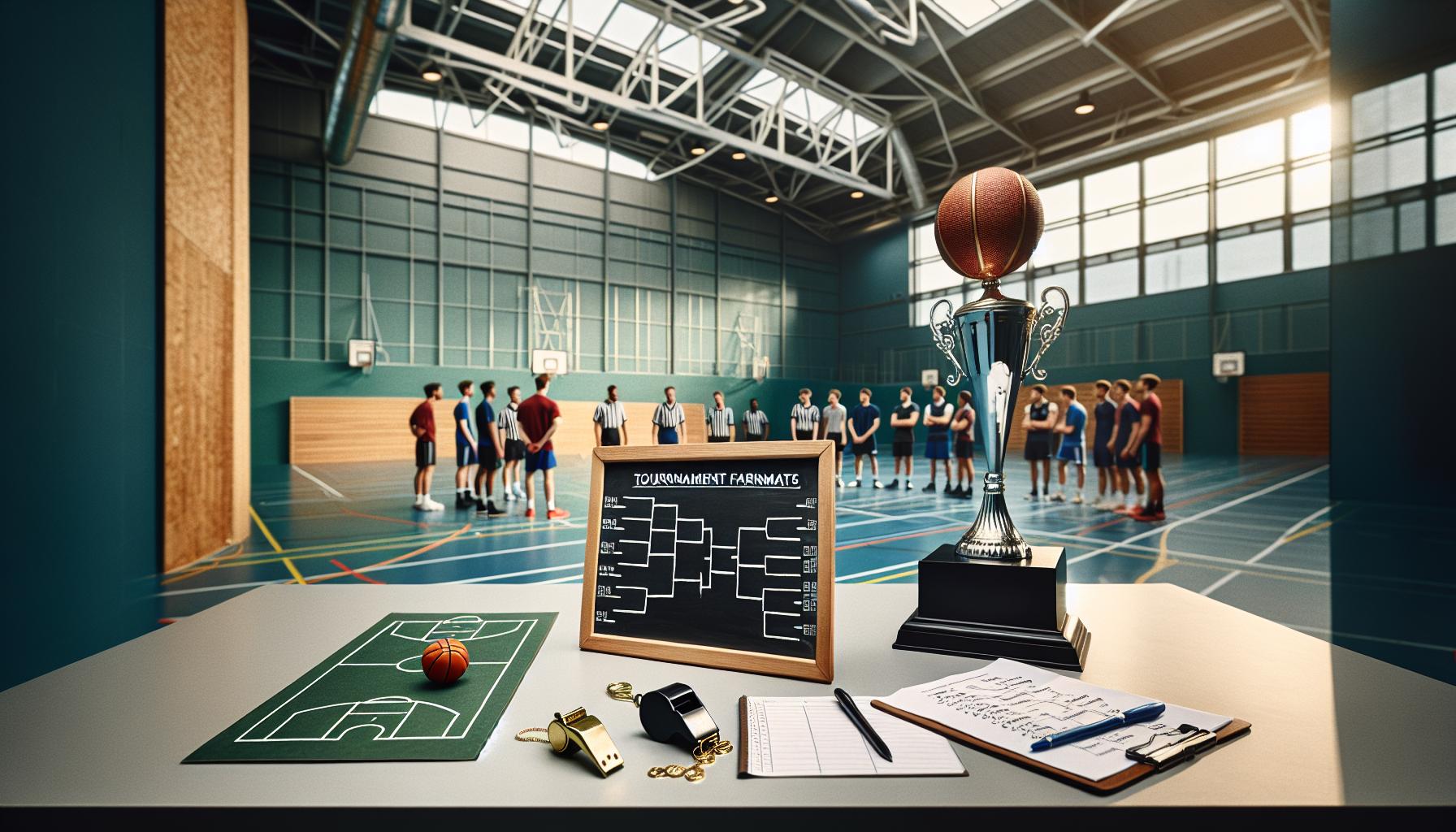
Understanding the various tournament formats and rules is essential for any disc golfer looking to compete effectively. Different events can have distinct structures-ranging from casual leagues to highly competitive championships-each with its own set of scoring systems, playoff formats, and regulations. Familiarizing yourself with these can give you a significant advantage.
Most tournaments will utilize either stroke play or match play formats. In stroke play, the total number of throws taken to complete the course determines the score, with the lowest score winning. This format is the most common in disc golf and emphasizes consistency and accuracy across all rounds. On the other hand, match play pits players directly against one another, where the winner of each hole earns a point. This format can be more dynamic and strategically different, as players can sometimes afford to take risks.
It’s also crucial to understand the specific rules that govern play. The Professional Disc Golf Association (PDGA) outlines standard rules that apply to most sanctioned events, including guidelines for equipment, course conditions, and player conduct. For instance, knowing what constitutes a legal lie for your throw or how to handle out-of-bounds areas can save you strokes and frustration during a tournament. Additionally, pay attention to local variations that might exist in informal or unsanctioned events.
Lastly, ensure you are aware of any specific tournament guidelines. Larger events might have unique procedures regarding registration, check-in times, and score reporting. Some may include manufacturer-sponsored contests, side games or activities, enhancing the overall experience beyond just the competition. Engaging in these aspects not only enriches your tournament experience but also helps connect with the broader disc golf community, making each event as enjoyable as it is competitive.
Effective Practice Strategies Leading Up to the Event
In the weeks leading up to a tournament, effective practice strategies can significantly enhance your performance, sharpen your skills, and build your confidence on the course. It’s not just about throwing as many discs as possible; it’s about being strategic and intentional in your practice. A well-rounded practice routine should blend skill development, mental preparation, and course strategy.
Focus on specific skill workouts that target your weaknesses. Identify which aspects of your game need the most improvement-be it driving distance, putting accuracy, or approach shots. For instance, if your putting has been inconsistent, allocate dedicated time to practice different types of putts from various distances. Incorporate a mix of solo drills and partner practice to simulate tournament conditions where you may feel added pressure. Tracking your progress with a practice journal can also keep you accountable and help you identify patterns in your performance.
Another key element is incorporating course simulation into your practice sessions. If you know the tournament course, try to play several rounds on it or a similar layout. Pay attention to the specific challenges the course presents, such as tricky OB areas or elevation changes. Create mock tournament situations by playing rounds with friends under the same rules and time constraints you would face on the tournament day. This helps familiarize yourself with the pressure of competition while solidifying your course management skills.
Lastly, don’t overlook the importance of mental practice. Visualization techniques can be incredibly beneficial. Spend time visualizing yourself executing successful throws and navigating the course. This mental rehearsal helps to reduce anxiety and boost confidence. Combine this with breathing exercises or meditation to develop a focused mindset. The combination of physical skills and mental preparedness will give you a holistic approach to your tournament preparation, setting you up for success when it matters most.
Strategies for Course Familiarization and Scouting
Knowing the layout of a tournament course can give you a competitive edge that often separates the top players from the rest. When you familiarize yourself with the course ahead of time, you can make informed decisions about your strategy, disc choices, and even pacing. This well-rounded preparation not only enhances your confidence but also allows you to approach the event with a clear game plan.
Start by obtaining a course map, which should include detailed information about each hole, including distances, par values, and any unique features like out-of-bounds areas or hazards. Use this map to visualize your shots; consider how each hole sets up for your particular throwing style. If possible, visit the course before the tournament-walk the layout, and take notes on any tricky spots you identify. A quick inspection allows you to scout potential trouble areas where extra caution might be needed and favorable zones where you can confidently put your drives down.
Another effective method for familiarization is to play practice rounds. Ideally, try to play at least two full rounds on the actual course or a similarly designed layout. During these rounds, focus on developing specific shot placements and testing various discs to see how they perform in the course conditions. Make mental notes or even physical notes on the relationships between different holes, such as wind direction, elevation changes, and shadow placements during different times of the day. You can think about how those factors might affect your game.
Finally, engage with fellow competitors, as discussing strategies and observations can yield new insights. Players with experience on the course might share tips that are not immediately obvious. Building relationships in the community fosters a cooperative spirit and can alleviate some of the pressure that comes with competitive play. All these strategies will help you enter tournament day equipped not just with skills but with knowledge of how best to execute them on the course.
Building a Personalized Tournament Strategy
Developing a tailored tournament strategy is essential for maximizing your performance and enjoyment on the course. Every competitor faces unique challenges, so a one-size-fits-all approach won‘t suffice. Instead, building a strategy that fits your individual skills, the specifics of the tournament layout, and conditions on the day can be a decisive factor in your success.
Start by assessing your strengths and weaknesses. Are you particularly skilled at long drives or precision putting? Identify the types of holes on the course that play to these strengths and plan your approach accordingly. For instance, if you’re confident in your driving distance, you might decide to play aggressively on longer par 4s or 5s, aiming for an eagle or birdie opportunity. Conversely, if your putting game is your strong suit, you might opt to play more conservatively, focusing on getting within putting range to maximize scoring chances.
Understanding the specific tournament format is equally crucial. If the event is a match play instead of stroke play, your strategy will differ significantly. In match play, you may take more risks to win a hole rather than playing for an overall low score. Familiarize yourself with the scoring systems and rules that govern the tournament; this knowledge will inform your decisions from the tee to the green. Pay attention to factors such as weather conditions, which can impact wind direction and course playability, allowing you to further refine your strategy on the fly.
Lastly, consider your mental approach. Entering a tournament with a clear strategy can reduce anxiety and enhance focus. Visualize your game plan and mentally rehearse your shots and decision-making processes. This not only prepares you for the day but can also bolster your confidence as you approach each hole. Building a personalized strategy means you are not just another player on the course but a competitor ready to play to your strengths and adapt to the challenges ahead. With this preparation in place, you’ll feel empowered to tackle the tournament and perhaps even surprise yourself with your performance.
Nutrition and Hydration Tips for Optimal Performance
To achieve peak performance during tournament play, understanding the vital role of nutrition and hydration is essential. Your body is a finely-tuned instrument, and just like any high-quality gear, it requires the right fuel to perform its best. One study found that athletes who maintain proper hydration can improve their stamina, focus, and overall performance by up to 25%. This kind of edge can make all the difference when the competition heats up on the course.
Eating well before a tournament starts lays the groundwork for success. Aim for a balanced meal that includes complex carbohydrates, lean proteins, and healthy fats. Foods such as whole-grain pasta, oatmeal, chicken, or fish are excellent choices. Not only do they provide lasting energy, but they also help sustain muscle function throughout the day. Consider having a light snack, like a banana or a handful of nuts, about an hour before your round to keep your energy levels stable without feeling heavy.
When it comes to hydration, start drinking water well in advance of your tournament. The goal is to enter the tournament well-hydrated. A good rule of thumb is to drink at least 16-20 ounces of water two hours before you start. During play, take sips of water or electrolyte drinks regularly instead of waiting until you’re thirsty, as thirst is often a sign that you’re already becoming dehydrated. Remember, even mild dehydration can negatively affect your concentration and physical capabilities.
Lastly, be mindful of your body’s needs during the tournament. Every player is different; some may prefer energy gels or sports bars for a quick boost, while others might find that fruit or trail mix does the trick. Test several options during practice rounds to see what works best for you. After the tournament, refuel with a recovery meal that contains protein and carbohydrates to help restore muscle glycogen and encourage recovery. By prioritizing proper nutrition and hydration, you’ll position yourself for the best possible performance on tournament day.
Setting Goals and Managing Expectations
Establishing clear goals and managing expectations is vital for any player heading into a tournament. Setting achievable targets not only enhances focus but also ensures players can measure their progress while fostering a positive mindset. Remember, aims should be both specific and realistic; for example, instead of aiming to “just win,” a more concrete goal might be to finish in the top half of the field or to improve on a personal best score. This practice helps create a narrative of success based on personal achievement rather than solely external competition.
Another crucial aspect involves understanding the different phases of competition. Each tournament is unique-some may be more competitive than others, or conditions might differ significantly from your usual play. Consider these factors when setting your goals:
- Assess Your Current Skill Level: Reflect on recent rounds and identify areas for improvement, whether it’s disc control, putting, or strategic play. This introspection lays the groundwork for setting personalized targets.
- Know the Course: Familiarize yourself with the tournament layout ahead of time. Understanding the challenges you’ll face can inform your strategy and expectations.
- Get Comfortable with Competition: Embrace the competitive environment. If it’s your first larger tournament, aim to gain experience rather than just results. Learn to appreciate the thrill of competition.
- Stay Flexible: Conditions change; a windy day might skew playing conditions. Being rigid in your goals could lead to frustration. Adapt your expectations as necessary.
Setting tangible goals creates a framework for improvement and confidence, transforming the tournament experience into a valuable learning opportunity. After the event, take time to reflect on your performance. What did you excel at? Where can you grow? Celebrate the small victories and plan for the next tournament with both experience and enthusiasm. By aligning your goals with your own journey and managing expectations accordingly, you can enrich your tournament experience and foster a deeper love for the sport.
How to Handle Tournament Day Nerves
The anticipation of tournament day can stir a whirlwind of emotions, making even seasoned players feel jittery. It’s completely natural to experience nerves before competing, especially when the stakes feel high. The key to managing this anxiety lies not just in preparation but also in harnessing those feelings into a positive force. Remember, nerves are a sign that you care about your performance; the goal is to transform that energy into focus and excitement.
To start off, grounding techniques can be incredibly effective. Take a moment to breathe deeply, inhaling through your nose and exhaling slowly through your mouth. This simple practice helps lower your heart rate and brings clarity to your mind. Visualization is another powerful tool: imagine yourself going through your routine successfully, executing each throw with confidence and precision. This mental imagery creates a familiarity with the performance you desire, making it easier to achieve in reality.
It’s also beneficial to create a pre-tournament routine that you can rely on. This could be as simple as listening to your favorite music, engaging in light stretches, or going over your tournament playbook. Having a consistent routine allows your body to know what to expect, soothing pre-game jitters and keeping you focused on the task at hand. Additionally, don’t hesitate to connect with your fellow competitors. Sharing experiences, laughter, or even your nervousness with others in the community can serve as an excellent stress reliever and foster a supportive environment right before you step onto the course.
Finally, remember that the tournament is just one part of your disc golf journey. Embrace the experience for what it is: an opportunity to learn, grow, and connect with fellow enthusiasts. Keep your perspective broad-whether you win or lose, each competition is a chance to improve and refine your skills. Cultivating this mindset can help you manage nerves and instead look forward to the challenge.
Post-Tournament Reflection and Improvement
Reflecting on your tournament experience is crucial for growth and performance enhancement in the world of disc golf. After the excitement of competition fades, take a moment to assess not only your results but also your overall performance, mindset, and strategy. This reflective process not only fosters self-awareness but also equips you with actionable insights for future events.
Start by reviewing your performance closely. Did you achieve the goals you set out for yourself before the tournament? Analyze your throws and decision-making throughout the event. Consider what worked well and what areas need improvement. For instance, if certain throws felt shaky, it may be worth revisiting those techniques during practice. Keeping a tournament journal can be beneficial, allowing you to jot down specific observations and feelings to refer back to in future tournaments.
Next, gather feedback from your peers or coaches. Engaging in conversation about your performance can unveil insights you might not have considered. Sharing experiences can also alleviate the pressure that often accompanies competition; knowing others face similar challenges can reinforce community ties. Discussing your strategy and execution can provide alternative perspectives that may enhance your approach moving forward.
Finally, remember that each tournament is a learning opportunity. Embrace both victories and setbacks as integral parts of your journey in disc golf. Set new objectives based on your reflections and commit to honing your skills. This mindset not only elevates your game but also contributes to the broader disc golf community, where shared experiences and collective growth drive the sport forward. As you prepare for your next competition, carry forward the lessons learned and continue to celebrate your passion for the game.
Connecting with the Disc Golf Community
Building a strong connection with the disc golf community is essential not only for enhancing your tournament experience but also for fostering a greater love for the sport. Surrounding yourself with like-minded individuals who share your passion can provide motivation, support, and invaluable learning opportunities. Whether you’re a newcomer eager to make friends or a seasoned competitor looking to sharpen your skills, community engagement can significantly enrich your journey through the sport.
One of the best ways to immerse yourself in the disc golf community is to participate in local leagues and clubs. These organizations often host regular events where players of all skill levels can come together to compete, share tips, and enjoy the camaraderie of the game. Joining a club not only helps you refine your skills through competition but also offers a network of experienced players willing to share their knowledge about techniques and strategies. Many clubs also organize casual rounds, which can be a great way to meet others and find potential practice partners.
Social media platforms and online forums further extend your ability to connect with fellow disc golfers. Engaging in discussions, sharing experiences, and asking for advice within these digital spaces can lead to friendships that transcend geographical boundaries. Additionally, following disc golf influencers and professional players online can provide insights into their training regimens and tournament preparations, making you feel a part of the broader disc golf narrative while inspiring your own practice habits.
Attending local tournaments or volunteering at events is another fantastic way to bolster your involvement in the community. Not only do these events allow you to witness high-level competition and learn best practices, but they also provide the chance to meet a diverse group of players and enthusiasts. Engaging with volunteers or participating as a scorekeeper can give you a behind-the-scenes look at the organization of events, making your future tournament experiences smoother and more enjoyable.
Ultimately, the heart of disc golf lies in its community. Whether you share a round with friends, engage in a club, converse on social media, or volunteer at events, each interaction enhances your understanding of the sport and its nuances. Embrace your role within this community, and you’ll find not only improvements in your game but also friendships and experiences that will last a lifetime.
Frequently Asked Questions
Q: What should I pack for a disc golf tournament?
A: When preparing for a disc golf tournament, ensure to pack essential items such as your disc golf bag with multiple discs, a water bottle, snacks, comfortable clothing, sunscreen, a hat, and a towel. Review the Essential Gear Checklist for Tournament Day in the article for a comprehensive list.
Q: How do I stay focused during a tournament?
A: To maintain focus during a tournament, practice mindfulness techniques such as deep breathing or visualization. Additionally, set specific goals for each round and remind yourself to enjoy the game. For more mental preparation tips, refer to the Preparing Mentally and Physically for Tournaments section.
Q: What are some strategies for dealing with tournament stress?
A: To manage tournament stress, establish a pre-tournament routine that includes warm-up exercises and positive affirmations. Staying organized and preparing in advance can also alleviate anxiety. Check out the How to Handle Tournament Day Nerves segment for more strategies.
Q: When should I arrive at the tournament location?
A: Aim to arrive at the tournament location at least one hour before your scheduled tee time. This allows ample time for check-in, warm-ups, and familiarizing yourself with the course layout. Planning ahead is crucial for a smooth tournament experience.
Q: Why is course familiarization important before a tournament?
A: Course familiarization helps in understanding unique features, challenging holes, and strategically planning your shots, which can lead to better performance. Utilize the Strategies for Course Familiarization and Scouting section for effective tips on this process.
Q: What nutrition plan should I follow on tournament day?
A: On tournament day, focus on light, easily digestible foods such as fruits, nuts, and energy bars. Stay hydrated with water or electrolyte drinks throughout the day. For detailed nutrition tips, explore the Nutrition and Hydration Tips for Optimal Performance section.
Q: How can I improve my performance before a tournament?
A: To enhance your performance ahead of a tournament, incorporate targeted practice sessions and tournament simulations into your training. Regularly refine your throwing technique and strategies. Learn more in the Effective Practice Strategies Leading Up to the Event section.
Q: What is the best way to handle post-tournament reflection?
A: After the tournament, take time to reflect on your performance by noting both strengths and areas for improvement. Create a list of insights for future tournaments. For further guidance, check out the Post-Tournament Reflection and Improvement section.
Future Outlook
Now that you’re equipped with a comprehensive checklist for tournament preparation, it’s time to put your plan into action! Remember, success in disc golf isn’t just about skill; it’s about being organized and mentally ready. Don’t forget to check out our guides on throwing mechanics and disc flight characteristics to refine your technique further. If you’re looking for the perfect disc, explore our comparison tables to find equipment that suits your style and skill level.
Join our community of passionate players today! Share your experiences in the comments below, and if you found value in this guide, consider signing up for our newsletter for more tips and exclusive resources. With the right preparation and mindset, you’re not just ready to compete; you’re ready to thrive. Keep practicing, stay motivated, and embrace the excitement of the upcoming tournament!
Get our latest guides, news, and insights highlighted in your Google Search & AI Overviews.