Did you know that disc golf is one of the fastest-growing sports globally, with over 16,000 courses available for players at all skill levels? Whether you are a seasoned competitor or new to the game, understanding the terminology and nuances of disc golf is essential for improvement and enjoyment. This “International Disc Golf: Language Guide” is designed to bridge the gap between beginners and advanced players, making the sporting experience more enriching and accessible. Discover the intricacies of disc flight characteristics, throwing mechanics, and the importance of equipment specifications. From step-by-step guides on perfecting your throw to strategies for navigating courses and excelling in tournaments, this guide caters to everyone in the disc golf community. Prepare to elevate your game, connect with fellow enthusiasts, and embrace the vibrant culture surrounding this thrilling sport. So grab your disc, and let’s dive into the language that will enhance your disc golf journey!
Understanding Disc Golf Terminology for Every Player
Understanding the language of disc golf is essential for players at every level, from casual beginners to competitive athletes. Just like any sport, disc golf has its own lexicon-terms that describe throwing techniques, scoring, equipment, and strategies. Familiarizing yourself with this terminology can not only enhance your gameplay but also improve your communication with fellow players, whether you’re on the course or engaging with the international disc golf community.
For starters, understanding fundamental terms can make a significant difference. Knowledge of throwing styles, such as backhand and forehand, is critical; these techniques define how players release the disc to achieve different flight patterns. For instance, an anhyzer throw involves releasing the disc at an angle that allows it to curve opposite to the natural turn of the disc after initial release, while a roller involves throwing the disc so that it lands on its edge and rolls down the fairway, which can be strategically useful in navigating obstacles.
When discussing gameplay, terms like par and birdie are crucial for scoring insight. An albatross, signaling three strokes under par, is a rare and celebrated accomplishment, whereas knowing how to properly measure distance on the course using terms like inside the circle can significantly affect putting strategy. Competitive players will also want to familiarize themselves with organizations like the Disc Golf Pro Tour (DGPT), which hosts premier tournaments and can serve as a platform for aspiring professionals to showcase their skills.
As disc golf continues to grow globally, so does its vocabulary, which can vary by region and language. Embracing these international expressions can foster a deeper connection and understanding among a diverse player base, allowing the sport to thrive across different cultures. Engaging with this rich language not only enhances your own play but also contributes to a more vibrant and connected disc golf community.
The Essential Discs: Types and Their Uses
Selecting the right disc is fundamental to enhancing your performance on the course. With a myriad of options available, understanding the distinct characteristics and intended uses of various disc types is essential for every player, from novices to seasoned pros. Below are the primary categories of discs and their respective roles in your game.
Types of Discs and Their Uses
- Driver: These discs are designed for maximum distance and speed. They come in two subcategories: distance drivers and fairway drivers. Distance drivers are suitable for long throws and are typically used for tee shots, while fairway drivers offer better control and are effective for navigating narrower fairways.
- Midrange: Midrange discs are versatile and ideal for controlled shots that require accuracy and moderate distance. They bridge the gap between drivers and putters, making them excellent for approach shots when you need to land close to the basket.
- Putter: Putters are made for short-range throws and precision. Their design helps them maintain stability in flight, making them perfect for putting. Most players use putters when they are within about 30 feet of the basket.
- Overstable vs. Understable: Knowing whether a disc is overstable or understable can help you choose the right one for various throwing angles and conditions. Overstable discs resist turning and can be used for more aggressive throws, while understable discs will turn right (for right-handed backhand throwers) before fading back left.
Choosing the Right Disc for Your Game
Selecting the correct disc depends on several factors, including your throwing style, skill level, and the specific challenges of a given course. Beginners often start with a stable midrange or putter to develop their throwing accuracy before progressing to drivers. More experienced players benefit from a diverse disc collection that includes a variety of stable, overstable, and understable options, enabling them to handle different conditions and shot requirements.
For example, if you frequently encounter wooded courses with tight fairways, incorporating more fairway drivers and stable midranges into your bag can significantly improve your game strategy and keep your throws on target. Conversely, open courses may warrant the use of distance drivers that can take advantage of longer throwing distances for birdie opportunities.
Ultimately, the key to success in disc golf lies not only in choosing the right discs but also in understanding how to use them effectively within your own gameplay style. As you continue to practice and engage with the disc golf community, you will develop personalized preferences that enhance your overall experience on the course.
Mastering Throwing Techniques: From Beginner to Pro
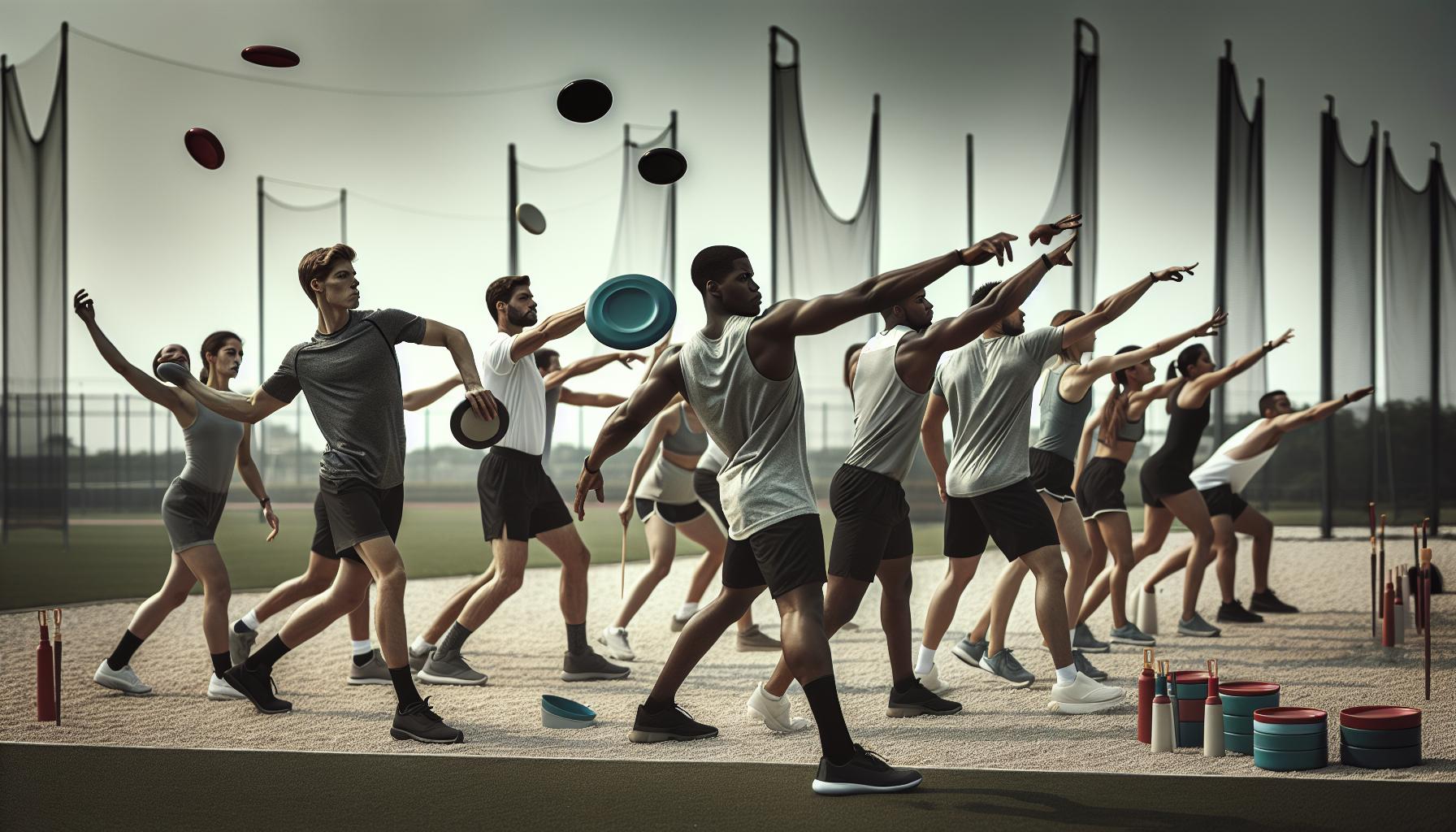
Mastering the art of throwing in disc golf is essential for players of all skill levels, and understanding the mechanics behind it can radically improve your game. Whether you’re hurling your first disc or refining your technique for competitive play, the key lies in a harmonious blend of grip, stance, and follow-through. Each throw is not just a venture of strength but also a beautifully coordinated movement that encompasses your entire body.
To begin with, familiarize yourself with the grip. A good grip can dramatically affect the disc’s flight path. For backhand throws, hold the disc firmly with your thumb on top and your fingers underneath, applying just enough pressure to maintain control without inhibiting the disc’s natural spin. As you set your stance, position your feet shoulder-width apart and perpendicular to the target line. This stance creates a stable base, allowing your hips and shoulders to rotate powerfully as you generate throw momentum.
As you initiate the throw, focus on your hip rotation and the lead of your elbow. Start by pulling the disc back and keeping your arm straight, creating a coiled effect that will help release the energy efficiently. A common mistake for beginners is to rush this step, resulting in either a weak throw or a misdirected flight path. Instead, aim for a smooth, controlled motion that uses your entire body, leading with your hips, followed by your shoulders and finally your arm. The follow-through is equally critical: ensure that you finish your motion with your throwing arm extending towards your target, allowing the disc to release cleanly and maintain its intended path.
Practice Makes Perfect
Fostering effective throwing techniques is a continual process. Regular practice in varying conditions can help internalize these mechanics and adapt to your unique throwing style. Some players find it beneficial to set up practice routines that focus on specific aspects, such as distance throws, accuracy drills, or varied shot types (like hyzers and anhyzers). Remember, even the pros began as novices, with each repetition bringing them closer to mastering the craft. Join local clubs or communities, take advantage of shared experiences, and welcome feedback from fellow players to enhance your skills further.
With dedication and a mindful approach to your throwing techniques, you will not only improve your performance but also enjoy the journey of becoming a better disc golfer.
Strategies for Navigating Disc Golf Courses
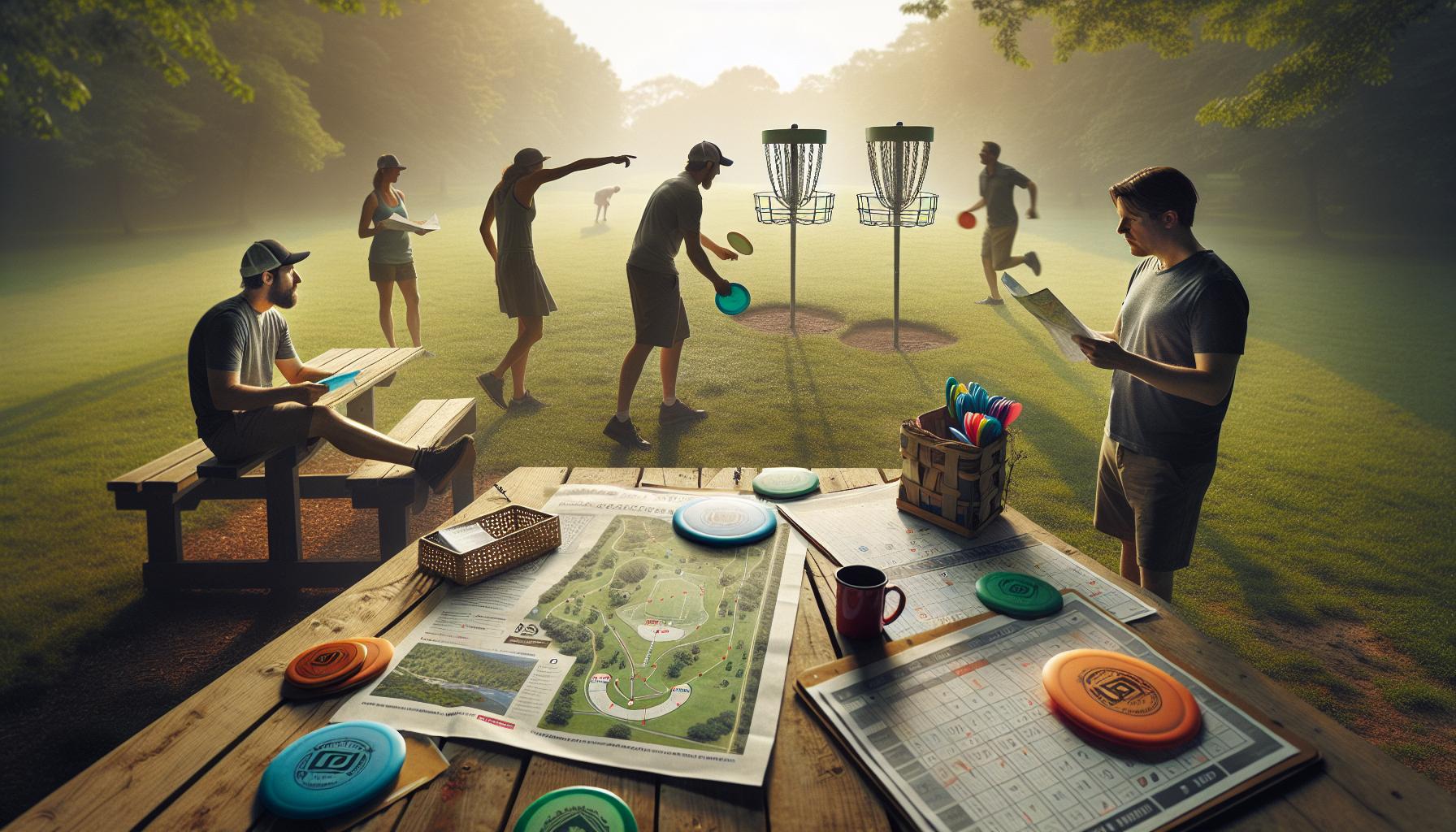
Navigating a disc golf course is as much about strategy as it is about skill. Understanding the layout, shot selection, and environmental conditions can significantly enhance your performance and enjoyment of the game. One of the first steps is to thoroughly study the course map, which will highlight the location of each hole, the distances between them, and potential obstacles like trees, water hazards, and elevation changes. Familiarity with the course helps you plan your shots effectively, allowing for more calculated risks and better-informed decisions.
When approaching each hole, consider your strengths and weaknesses as a player. For instance, if you excel at long-distance drives, focus on holes that play to that advantage. If your putting is more reliable, you might prioritize positioning your disc for an approach shot that sets you up cleanly for a putt. Choose discs that complement your throwing style; overstable discs work well for forehand throws and standstill options, while understable discs can help with longer sweeping shots that require finesse. Moreover, understanding terms like “hyzer” and “anhyzer” can be crucial for planning your throws, especially in tricky situations where angles matter.
Additionally, weather conditions should never be overlooked. Wind can drastically affect your disc’s flight path, making it essential to adjust your technique accordingly. A headwind may require more stable discs or lower-riding throws to keep your disc on course, while a tailwind might call for additional elevation to avoid overshooting the basket. Always be prepared to adapt your strategy based on real-time observations and forecasts.
Lastly, enhancing your course navigation skills involves learning how to read the terrain and understand the anticipated flight of your disc. Spend time observing how elevation changes, ground cover, and wind patterns impact play. Advanced players often employ tactics like “playing to the safe side” of a fairway or laying up short of hazards, which not only minimizes potential mistakes but can also keep your scorecard intact. By blending strategic insight with practical execution, you’ll find that effectively navigating disc golf courses elevates both your game and your enjoyment of this rapidly growing sport.
Gear Up: Choosing the Right Equipment for Success
Choosing the right equipment is crucial for success in disc golf, yet many players-especially those new to the sport-often feel overwhelmed by the variety of discs and gear available. Regardless of your skill level, understanding the types of discs, their specific uses, and how they can enhance your game is key to improving performance and enjoyment on the course.
A solid disc golf setup typically includes three main types of discs: drivers, midrange discs, and putters. Drivers are designed for maximum distance and are generally thrown off the tee or on long fairways. The essential aspect of driving discs is their speed and stability characteristics. Overstable drivers are great for maximum distance while minimizing the influence of wind, making them suitable for seasoned players who can throw with power. Conversely, understable drivers are beneficial for beginners still learning to control their throws, as they can help achieve longer flights with less power.
Midrange discs bridge the gap between drivers and putters. They offer more accuracy and control, making them ideal for approach shots and positioning the disc for the next throw. Understanding midrange stability can help players select the right disc based on their throwing style. For instance, those who favor a straight flight might opt for a stable midrange, whereas those needing a bit of turn might choose an understable option.
Finally, putters are designed for short-distance, controlled throws, especially when approaching the basket or making final shots. Selecting the right putter can significantly affect your putting game. A softer, grippier putter can help with accuracy on the green, especially in challenging weather conditions.
When considering gear for disc golf, it’s essential to take into account your personal playing style, the conditions of the courses you frequent, and the types of throws you prefer. Continuous experimentation with various brands and models, along with seeking advice from experienced players or local clubs, can help you find the set that works best for you. Rental options are also worth exploring; many local disc golf shops and courses offer opportunities to test different discs before making a commitment.
Beyond discs, accessories like padded bags, hydration systems, and comfortable shoes can also enhance your experience. Investing in durable, lightweight bags that can carry multiple discs while allowing easy access will enable you to focus more on your game rather than on carrying your equipment. Overall, equipping yourself with the right gear not only boosts performance but also amplifies your enjoyment of this rapidly growing sport.
Mastering the Mechanics of Disc Flight
Understanding how discs fly is essential for every disc golfer aiming to refine their game, regardless of skill level. Each type of disc possesses unique flight characteristics that can significantly impact distance, accuracy, and overall performance. Discs are classified primarily by their stability-overstable, stable, and understable-each serving distinct purposes in a player’s arsenal.
When you grasp the mechanics of disc flight, you can manipulate your throws to navigate course obstacles and maximize your scoring potential. For example, a right-handed backhand throw with an overstable disc will typically result in a left fade at the end of its flight, making it an excellent choice for reliable hyzer shots. Conversely, understable discs can achieve longer, arcing flights ideal for turnover shots, which gently curve from right to left for a right-handed thrower. Midrange discs, on the other hand, are best used for controlled shots with a straighter flight path, giving players the versatility to approach the basket or position for the next throw.
Key Flight Characteristics
Understanding how angle, speed, and disc profile affect flight can provide a competitive edge. Here are some key factors:
- Angle of Release: The angle at which you throw the disc can greatly influence its flight path. A hyzer angle (the disc tilted downward) is great for stability, while an anhyzer angle (tilted upward) is advantageous for achieving an extended flight.
- Speed: Discs with higher speed ratings are designed to travel farther. Optimizing your throw speed according to the disc’s design allows for maximum distance.
- Weight: Heavier discs tend to fly more stable but require more strength to throw effectively. Lighter discs are easier to control, making them perfect for beginners.
- Grip and Release: Achieving a consistent grip can lead to better throws. Experiment with different finger placements on the rim to find what feels most comfortable and effective for you.
Real-Life Application
To practice, find an open space where you can test various discs. Throw a few with different stabilities and observe their flight patterns. Keep track of which angles and speeds yield the best results for your throwing style. Engaging with local clubs can also provide valuable insights; sharing experiences with others allows for deeper understanding and practice of throwing mechanics.
A successful disc golf game combines physical skill with an intimate knowledge of your equipment and its capabilities. By , you elevate your game and embrace the spirit of this thrilling sport, inviting others from around the globe to share in the excitement of disc golf.
Competition Ready: Insights into Tournaments and Events
Whether you’re a casual player looking to test your skills or a seasoned competitor stepping into the arena of professional tournaments, understanding the intricacies of disc golf competition can significantly enhance your experience and performance. Tournaments often serve as a crucible where strategies are tested, skills are sharpened, and friendships are forged. As the sport expands globally, competitors are not just battling for scorecards but also navigating cultural nuances and language barriers that come into play on international stages.
One of the most vital aspects of preparing for competitions is familiarizing yourself with the tournament structures and rules, especially those that may differ from your local leagues. Discs golf tournaments can vary in format, including stroke play, match play, and even skins games, each requiring distinct strategies and skills. Researching the specific structure of an event-including any unique rules or local customs-prepares you not just to compete but to engage effectively with fellow players.
In many tournaments, understanding the language and terminology used can enhance your communication with both local and international players. As you approach international events, integrating simple phrases in the host country’s language can create a welcoming atmosphere and break down communication barriers. For instance, knowing terms related to play, scorekeeping, or casual chatter can enrich your experience and open doors to camaraderie.
Furthermore, developing mental resilience is key to succeeding in competitive disc golf. Tournaments can induce pressure and create scenarios far removed from practice sessions. Techniques such as visualization, controlled breathing, and routine establishment not only bolster focus but also serve as tools in overcoming the anxiety that often accompanies high-stakes play. Engaging with the disc golf community around you-be it through local clubs or international networks-provides not just a support system but also invaluable insights and shared stories that can motivate you through competition.
Ultimately, approaching tournaments with an open mind and preparedness enhances not just your performance, but also fosters the spirit of community that is at the heart of disc golf. Embrace the journey-every disc flipped and thrown is a step deeper into this captivating sport.
Building a Disc Golf Community: Clubs and Resources
In the vibrant world of disc golf, building a community is crucial for nurturing the sport’s growth and enhancing player experience, especially on an international scale. Clubs play an essential role not only as hubs for skill development but also as spaces for cultural exchange, where players from diverse backgrounds can come together, share their love for the game, and forge lasting friendships. With disc golf’s explosion in popularity across different regions, the connections made through clubs can bridge language barriers and foster a welcoming environment for newcomers.
To get involved, finding a local disc golf club is the first step. Many clubs often host regular tournaments and casual meet-ups, allowing players of all skill levels to participate. These gatherings are ideal for practicing throwing techniques, discussing strategies, and learning about the sport in a supportive setting. Moreover, many clubs have social media pages or websites where updates are posted about events and local courses, making it easier for players to stay informed and engaged. Joining a club can also offer access to resources such as discounted gear, coaching sessions, and exclusive tournament entries.
Connecting Through International Events
International tournaments are fantastic opportunities to witness the diversity of disc golf culture firsthand. They are melting pots of players from various countries, each bringing their unique terminology and styles to the sport. Participating in or attending these events can enrich your understanding of the game while offering insights into how disc golf is played in different environments. Familiarity with local jargon, such as common terms related to throwing styles or course navigation, can make these experiences even more meaningful. It’s not merely about competition; it’s a celebration of unity through a shared passion.
Embracing Language and Culture
Learning key phrases and terminologies from different languages not only enhances communication among players but also embodies respect for their cultures. Whether it’s understanding how to ask for help with a technique or simply conversing about favorite discs, these small efforts can significantly deepen relationships within the community. Players can engage in camaraderie through shared laughter over unique disc golf slang or by participating in local traditions surrounding the game, creating memories that last well beyond the scorecards.
Discovering Resources
Numerous online platforms also serve as valuable resources for connecting with disc golf clubs and players worldwide. Websites dedicated to the sport provide directories of clubs, player reviews, and discussion forums where enthusiasts can exchange tips and experiences. In addition, resources like the Professional Disc Golf Association (PDGA) foster a sense of accountability and professionalism within the sport, promoting a competitive yet friendly atmosphere among players globally.
By immersing yourself in the disc golf community, you’ll not only enhance your skills but also contribute to a growing network of players ready to welcome newcomers while honoring the sport’s traditions and future.
Tips for Enhancing Your Disc Golf Skills
In the exciting and evolving world of disc golf, enhancing your skills is a journey filled with opportunities for growth, camaraderie, and cultural exchange. When you step onto the course, you are not just playing a game; you are part of a global community that thrives on shared experiences and learning. Here are some practical tips to elevate your game, all while embracing the essence of international disc golf.
One effective way to improve your skills is to focus on the fundamentals of throwing mechanics. An essential aspect of your throw is the grip. Make sure to find a comfortable grip that allows you to maintain control without straining your hand. Once your grip is set, practice your footwork; a solid stance and proper weight transfer during your throw can dramatically affect the distance and accuracy of your toss. Consider practicing with a variety of discs to understand their flight characteristics better, as different discs can behave quite differently based on their design and your throwing style.
Engaging with the community can also significantly enrich your growth. When you travel or participate in international tournaments, take the initiative to connect with local players. Not only can you exchange techniques and tips, but you may also learn unique terms specific to disc golf in different languages, which can enhance your communication on the course. These interactions can foster friendships and a deeper understanding of diverse playing styles, making you a more versatile player.
Additionally, utilize online resources such as videos and tutorials from experienced players around the world. Following channels that share content in multiple languages or incorporating inscriptions in different tongues can expand your knowledge base. You may discover new strategies, throwing techniques, or equipment that resonate with your style, allowing you to adapt and refine your approach.
Overall, embracing the cultural richness of disc golf while focusing on skill development can pave the way for enjoyable and effective practice sessions, improved performance, and lasting friendships within this vibrant community. Whether you are conversing with fellow players during casual rounds or competing on an international stage, every interaction is an opportunity to learn and grow within this dynamic sport.
Navigating Language Barriers: International Terminology
Engaging in disc golf opens doors to a vibrant world filled with unique terminology that can often feel like a barrier for newcomers, especially in international settings. Each course, each group of players, has their own lingo that can enhance the experience but can also leave you feeling out of the loop if you’re not familiar with them. Learning these terms is not just about speaking the language; it’s about bonding with players from different cultures and understanding the nuances of the game during casual rounds or competitive events.
A strong foundation in the common terminology used across different regions can significantly enhance your communication on the course. For instance, while “disc golf” is universally recognized, some players refer to it as “Frisbee golf,” a term rooted in the original game concept. Various terms might also arise for throwing techniques, such as “backhand” (where the player throws with their back facing the target) or “forehand” (similar to a sidearm throw), which can vary in name and execution based on the regional preferences. Engaging with an international disc golf community means you might encounter expressions that describe similar techniques but are labeled distinctly across cultures.
Connecting with local players is key when participating in international tournaments. Not only can they introduce you to local slang, but they might also teach you region-specific strategies or tricks that aren’t widely known. For example, learning how to say “birdie” (one stroke under par) in another language can spark a conversation about scoring strategies in that region. To facilitate these exchanges, you might consider keeping a small glossary of terms in your disc golf bag, so you feel more confident discussing techniques, scoring, and course features with players from various backgrounds.
Moreover, engaging with online resources such as multilingual disc golf forums or social media groups can broaden your vocabulary and understanding of international terminology. Watching videos or reading articles produced by players from different countries can also help bridge these language gaps. As you immerse yourself in this community, you’ll find that the joy of sharing knowledge transcends the barriers of language, creating an inclusive atmosphere that celebrates the sport’s diversity. In disc golf, every word learned is another connection made, enriching your experience and unlocking a deeper appreciation for this global passion.
The Global Growth of Disc Golf: Trends and Insights
As disc golf continues to gain momentum, it represents a unique blend of athleticism, community, and culture that resonates across various countries and cultures. Recent statistics show that the number of disc golf courses worldwide has surged over the past few years, indicating a growing interest in this engaging sport. Interestingly, each new region introduces its own nuances, adapting the language and practices of disc golf to fit local customs and preferences. This evolution not only reflects the sport’s expanding reach but also fosters an inclusive environment that embraces diversity.
One major trend is the establishment of international tournaments that bring together players from diverse backgrounds, each contributing to a rich tapestry of language and technique. For instance, players may use the term “birdie” (a score of one under par) in English-speaking countries while its equivalent might differ in other languages, sparking conversations about regional scorekeeping practices. Such interactions not only enhance the competitive spirit but also promote camaraderie among players from various parts of the world.
Moreover, community-driven initiatives like local clubs and online forums are pivotal in propagating disc golf’s growth. These platforms encourage players, both seasoned and newcomers, to share insights and strategies, easing the learning curve for those unfamiliar with the sport’s vocabulary. The communal aspect is further bolstered by social media, where players showcase their throws and techniques, cleverly mixing languages and fostering genuine connections regardless of linguistic barriers.
As the sport thrives globally, it becomes essential for players to not only understand the mechanics of disc golf but also appreciate the rich lexicon that accompanies it. By engaging with fellow players and immersing themselves in varied disc golf experiences, individuals can contribute to a culture that respects tradition while encouraging innovation. This dynamism in language, technique, and community interaction will ensure that disc golf continues to enchant players and enthusiasts around the world for years to come.
Real Stories from the Disc Golf Community
In the vibrant world of disc golf, personal stories illuminate the profound connections formed among players, transcending borders and languages. One such story comes from Anna, an avid disc golfer from Sweden, who participated in an international tournament in Finland. Anna found herself paired with competitors from various parts of Europe. Despite their language differences, the shared passion for disc golf sparked immediate bonds. They communicated through laughter, hand signals, and the universal language of sport. Anna recalls a moment when her Finnish teammate taught her a unique throwing technique in exchange for tips on putting, fostering a delightful exchange of skills and culture that exemplified the spirit of the game.
Across the ocean, players in the United States are finding similar connections. At a local disc golf club in California, a meet-and-greet event welcomed international visitors. Players from Mexico, Canada, and even as far as Japan shared their experiences and techniques. Amidst friendly competition, they discussed the nuances of each other’s scoring systems, revealing terms that differed dramatically. For example, while American players were familiar with terms like “par” and “birdie,” their Japanese counterparts used distinct phrases that emphasized the same achievements, creating a rich tapestry of language and camaraderie.
One small local club has become a model for engaging both new players and seasoned competitors. They organized monthly tournaments that included “language exchange” rounds, where players could teach each other terminology essential to the sport in their native languages. Over time, this initiative did not just enhance players’ understanding of the game, but also built lasting friendships that transcended cultural barriers. Players began to travel to one another’s countries to participate in tournaments, blending vacation time with competition and fostering a global community.
This emphasis on shared experiences, overcoming language barriers, and celebrating regional differences enhances the inclusive nature of disc golf. By encouraging conversations about techniques, strategies, and terminology, players continue to enrich the sport and build relationships that demonstrate the true heart of disc golf – community. As interest continues to grow internationally, these real stories serve as a testament to how disc golf can unite people from different backgrounds, creating bonds that are as strong as the discs thrown on a beautiful day on the course.
Frequently Asked Questions
Q: What are essential disc golf terms for international players?
A: Essential disc golf terms for international players include hyzer, anhyzer, birdie, and bogey. Familiarizing yourself with these terms can help improve your understanding of the game and enhance communication on the course. For more detailed terminology, visit the Navigating Language Barriers section of our guide.
Q: How can I learn disc golf terminology in different languages?
A: To learn disc golf terminology in different languages, explore local disc golf communities, consult bilingual resources, or connect with international players online. Utilizing translated glossaries can also help bridge the gap in understanding specific terms across various languages.
Q: Why is understanding disc golf terminology important for new players?
A: Understanding disc golf terminology is crucial for new players because it facilitates communication with others and enhances the overall experience on the course. Knowing the lingo can also help players navigate strategies and comprehend rules effectively, improving their game.
Q: Where can I find disc golf resources in multiple languages?
A: You can find disc golf resources in multiple languages through online forums, community clubs, and various websites dedicated to the sport. Social media groups also often share multilingual guides and resources.
Q: How does disc golf terminology vary across regions?
A: Disc golf terminology can vary significantly across regions due to cultural influences and the local popularity of the sport. This includes the usage of specific terms for throws, penalties, and equipment. Engaging with players from different backgrounds can provide insights into these variations.
Q: When should I use specific disc golf terms in conversation?
A: You should use specific disc golf terms during gameplay, discussing strategies, or when scoring. Using the correct terminology helps ensure clarity and fosters better relationships within the disc golf community.
Q: What are common disc golf phrases I should know?
A: Common disc golf phrases you should know include “drive,” “putt,” “ace,” and “stable disc.” Familiarity with these phrases enhances your participation in discussions and competitive play.
Q: How can I improve my understanding of disc golf mechanics through terminology?
A: Improving your understanding of disc golf mechanics involves learning the language related to flight paths, disc types, and throwing techniques. Exploring sections on equipment and throwing mechanics in our comprehensive guide can also be beneficial.
Key Takeaways
Thank you for exploring the “International Disc Golf: Language Guide!” We hope you’ve discovered valuable insights that enhance your game and connect you with the global disc golf community. Remember, mastering the vocabulary of disc golf not only improves your skills but also opens the door to friendships beyond borders. Don’t forget to check out our related articles on disc flight characteristics and throwing mechanics to deepen your understanding.
Ready to elevate your game further? Sign up for our newsletter for the latest tips and exclusive content, or explore our product pages for top-rated discs and accessories. Dive into the vibrant world of disc golf and share your journey with us in the comments below! Your experience matters, and we can’t wait to hear your stories. Keep playing, keep learning, and embrace the spirit of this growing sport!
Get our latest guides, news, and insights highlighted in your Google Search & AI Overviews.