Is disc golf free cost breakdown is an essential factor in modern disc golf course play, equipment setup, and tactical execution. Our comprehensive guide provides actionable course tips, disc flight mechanics, equipment recommendations, and tournament-tested strategies to help disc golfers optimize their scoring and course performance.
Did you know that disc golf is one of the fastest-growing sports in the world, attracting players of all ages? As more people seek affordable and engaging outdoor activities, it’s crucial to understand the costs associated with playing disc golf. While the sport is often celebrated for its low entry barriers, many enthusiasts wonder: is disc golf truly free, or are there hidden expenses? In this article, we’ll break down the costs you might encounter, from equipment and course fees to tournament entries, helping you prepare for your disc golf journey. Whether you’re a seasoned pro or just starting, understanding the financial aspects of this sport will empower you to enjoy it to the fullest without breaking the bank. Keep reading to discover how you can embrace this wonderful community and sport while keeping your budget in check!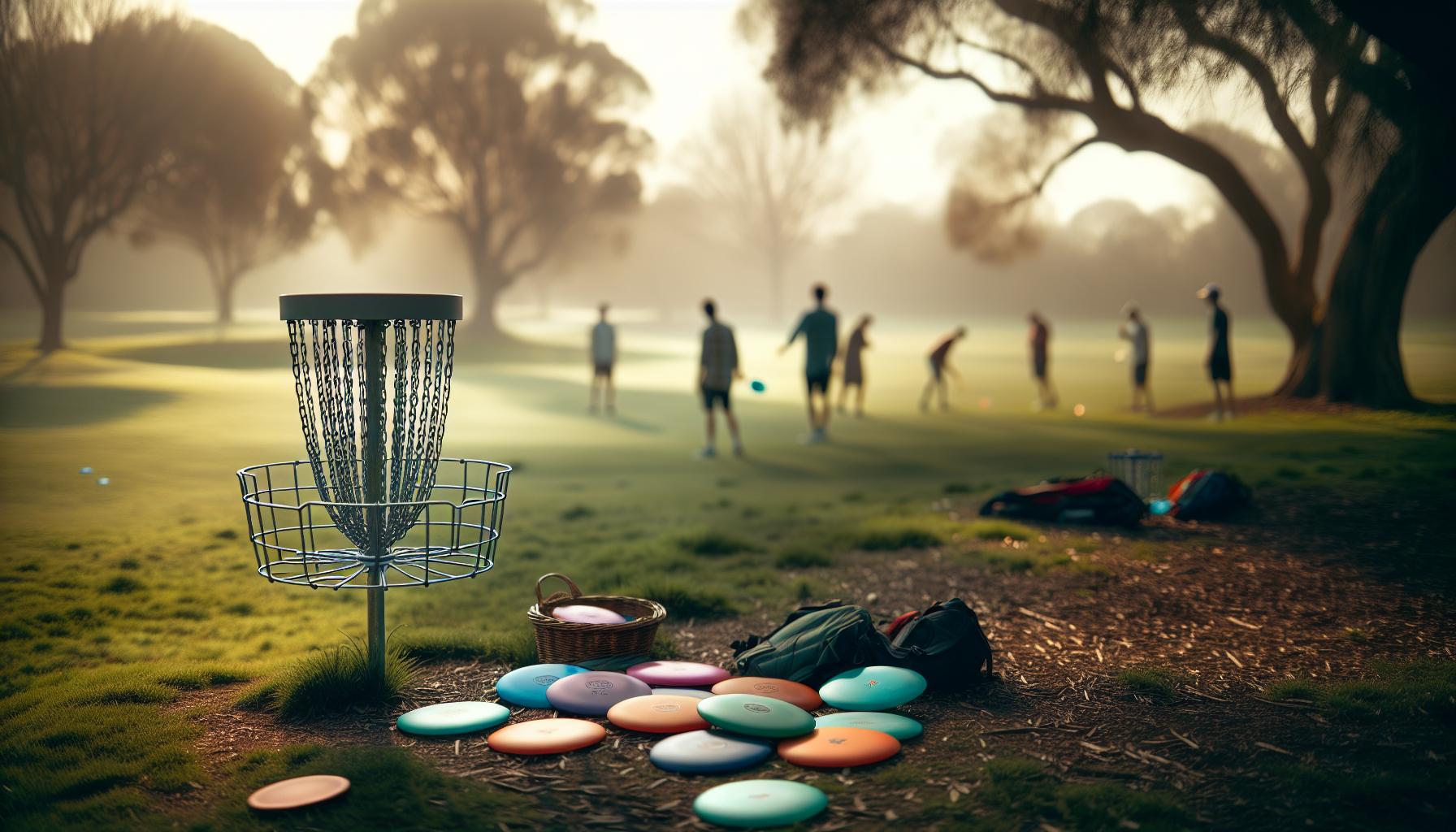
Is Disc Golf Free: An Overview of Costs
While many envision disc golf as a casual, cost-free pastime, the reality is more nuanced, particularly for those looking to immerse themselves in the sport. At its core, disc golf is an accessible game that can indeed be played for little to no expense, especially at public courses, which often do not charge admission fees. However, a deeper exploration reveals various costs associated with both casual play and competitive involvement.
The most immediate expense beginners encounter is the purchase of basic equipment. A standard starter set, which may include a driver, a mid-range disc, and a putter, typically ranges from $30 to $50. As players advance in skill and preference, they often invest in more specialized discs, which can individually range from $10 to $25. Coupled with this, the potential for maintenance and care of the discs and bags can add another layer of costs, especially for those who take pride in maximizing the longevity and performance of their gear.
Beyond equipment, players need to consider the nuances of course access. While many public courses are free, privately-owned or maintained courses may charge a fee, usually ranging from $5 to $20 per round. Additionally, dedicated disc golf parks often implement annual membership options, which can provide unlimited access at discounted rates if you play frequently. This aspect not only supports the course financially but also enhances the overall experience, as many members enjoy exclusive events and community gatherings.
In summary, while disc golf is fundamentally an affordable sport, particularly for starters, various factors contribute to an increasing cost structure for those looking to fully engage with the community and the sport itself. Understanding these elements can help new players budget effectively while ensuring that they enjoy every aspect of their disc golf journey.
Understanding Basic Disc Golf Equipment Expenses
Starting with a solid understanding of the basic equipment needed for disc golf is crucial for any newcomer eager to hit the course. While it’s entirely possible to borrow discs from friends or even play with ones found at local courses, investing in your own gear enhances the experience and helps improve your game. At the most fundamental level, players require three types of discs: a driver, a mid-range disc, and a putter. A standard starter set usually comes in the range of $30 to $50, offering a cost-effective way to get started on your disc golf journey.
As players become more experienced, their preferences for disc types and specific characteristics-such as stability, weight, and plastic type-will evolve, necessitating additional purchases. Each individual disc can cost between $10 and $25, depending on the brand and quality. Players should also consider the importance of having different discs for various throwing techniques. For example, while a driver is typically used for long-distance throws, a mid-range disc provides versatility for approaches, and a putter is essential for accurate shots near the basket. Understanding the flight characteristics of each disc type can significantly improve throwing mechanics and overall performance.
Additional Costs for Maintenance and Accessories
Beyond the initial investment in discs, ongoing maintenance and care can incur further costs. Discs can accumulate dirt or wear down over time, so using a quality disc bag, which ranges from $15 to $100, can help protect your investment. Moreover, adding accessories such as towels, markers, and scorecards could subtly enhance your props for better enjoyment and engagement. Many players also choose to personalize their discs with stickers or stamps, which, while not essential, can foster a strong connection to their gear.
In summary, starting out in disc golf requires a manageable initial investment, but as you delve deeper into the sport, costs can accumulate based on preferences, specific equipment needs, and maintenance. Whether you’re a casual player or aiming to compete, understanding these expenses helps you budget effectively and enjoy the vibrant community that disc golf fosters.
Exploring Public vs. Private Disc Golf Courses
One of the unique aspects of disc golf that sets it apart from many other sports is the variety of course types available, each offering different experiences and costs. Public disc golf courses are typically free to use, which makes them incredibly accessible for beginners and casual players. These courses are often established in parks or community spaces, allowing anyone to show up, grab a disc, and play without worrying about entry fees. However, while the zero-cost appeal is attractive, public courses can sometimes be crowded, especially on weekends, which might affect your playing experience.
Private disc golf courses, on the other hand, usually require a membership or payment for access. Membership fees can vary widely-from around $50 to several hundred dollars per year-depending on the amenities offered. These courses often provide a more controlled environment, resulting in less congestion and better-maintained facilities. Additionally, private courses may host tournaments and events that are exclusive to members, offering opportunities to compete at a higher level and improve skills within a supportive community.
When considering where to play, it’s important to evaluate what you value in your disc golf experience. If you enjoy a laid-back, spontaneous approach and are just looking to have fun, public courses may suit you best. However, if you are serious about improving your skills, meeting like-minded players, and participating in organized events, investing in a private course membership could be worth the cost. Ultimately, both public and private courses contribute richly to the disc golf community, fostering participation and growth of this exciting sport.
Membership Fees: What Do They Cover?
Private disc golf course memberships can be a fantastic investment for enthusiasts looking to elevate their game and engage more deeply with the sport. While the initial fees may seem high-ranging anywhere from $50 to $300 or more per year-the benefits often outweigh the costs, providing access to a range of features tailored to both recreational players and serious competitors.
At the core of membership benefits are the well-maintained facilities and course access. Members typically enjoy exclusive access to beautifully landscaped courses that receive regular maintenance. This means better playing conditions year-round, including clean fairways, clear baskets, and regularly mowed grass, which greatly enhances the overall experience. Furthermore, quieter course conditions allow for uninterrupted rounds, letting players focus on their game without the distractions often found on public courses.
Memberships also frequently include participation in exclusive events and tournaments. Many private courses host members-only tournaments that nurture competitive spirit and community engagement. Members often enjoy discounted entry fees for hosted events, saving them money over time. These tournaments are not only an opportunity to compete but also a chance to meet fellow players, share tips, and build lasting friendships within the disc golf community.
In addition to the physical benefits and events, private memberships often come with access to special amenities. This can include practice areas, such as putting greens and driving ranges, that are dedicated solely to members. Some courses even offer clinics and workshops led by experienced players or professionals, allowing members to improve their skills through tailored instruction.
In essence, while the cost of membership may vary, the value it provides through enhanced playing conditions, community involvement, and skill-development opportunities makes it an essential consideration for serious disc golf enthusiasts. Embracing these memberships not only helps support the growth and sustainability of the sport but also fosters a thriving community of players dedicated to the enjoyment of disc golf.
Hidden Costs: Tournaments and Events Fees
Participating in disc golf tournaments can elevate the sport from casual play to a competitive experience, but aspiring players should be prepared for the additional expenses that come with these events. While many local tournaments may have reasonable entry fees, the costs can rapidly accumulate, turning what initially seems like a free or low-cost activity into a more significant financial commitment. Understanding these hidden costs will help you plan accordingly and enjoy your tournament experience to the fullest.
First and foremost, entry fees can vary widely based on the tournament’s prestige, location, and level of competition. Typically, fees range from $20 to $100, with higher stakes tournaments often charging more. In addition to the entry fee, participants may need to consider travel expenses if the tournament is not held locally. This includes fuel, meals, and accommodation costs – all of which can add up, particularly for multi-day events or those held in popular destinations.
Additional Costs to Consider
Beyond the basics of entry and travel, there are several other factors that can add to your tournament budget:
- Discs and Equipment: If you’re serious about competition, you may want to invest in specialized discs or equipment that suits the particular demands of tournament play. This can range from high-end putters to distance drivers.
- Merchandise: Many tournaments offer branded merchandise for sale, such as shirts, hats, and discs, which can be tempting to purchase for both support and personal collection.
- Food and Hydration: While many events provide some free refreshments, budgeting for meals and snacks throughout the day is essential. On-the-go nutrition can enhance your performance and overall experience.
The Value of Participation
Despite these costs, the benefits of participating in tournaments often outweigh the expenses. Competing in events can lead to valuable networking opportunities, improved skill development, and a deeper connection to the disc golf community. Moreover, you may participate in players’ meetings or workshops providing insights from seasoned players, further enriching your experience.
Ultimately, a clear understanding of tournament costs can help players budget effectively and avoid any financial surprises down the line. By preparing in advance, you can focus on what really matters: enjoying the game, enhancing your skills, and perhaps even bringing home some prizes!
Travel Expenses for Disc Golf Adventures
Traveling for disc golf can transform a casual outing into a thrilling adventure filled with new experiences. Whether you’re planning a trip to a renowned tournament or exploring undiscovered local courses, understanding the travel expenses associated with your disc golf adventures is crucial for maintaining a budget. Every player, from newcomers to seasoned experts, can face noteworthy costs that go beyond just the green fees.
One of the primary expenses you’ll encounter is transportation. If you’re traveling locally, keep in mind that gas prices, especially during peak travel seasons, can accumulate quickly. For longer journeys or if you’re flying to a tournament, factor in airfare plus potential car rental costs upon arrival. Consider pooling resources with fellow players to share expenses, making travel not only more economical but also more enjoyable as you bond with friends over road trip playlists and shared stories.
Accommodations are another significant cost. Depending on your plans, staying in hotels or using platforms like Airbnb can vary in expense. If budget is a concern, look into camping options or hostels which often cater to travelers seeking to experience local culture without breaking the bank. Some disc golf communities even offer local housing for players during major tournaments, so don’t hesitate to reach out and inquire about options.
Finally, don’t overlook daily expenses such as meals and drinks while on the road. While some tournaments may provide snacks or meals, packing your own food can help lower costs and ensure you have plenty of energy to perform your best on the course. Preparing a cooler with sandwiches, fruits, and hydration options can make a significant difference, allowing you to focus on your game rather than scouting for expensive restaurants.
Taking these considerations into account can turn your disc golf travels into memorable experiences without excessive financial strain, letting you prioritize fun and fellowship on the course.
Maintenance and Care: Keeping Your Discs in Shape
Keeping your discs in optimal condition is essential for enhancing your overall performance on the course and ensuring longevity, which ultimately saves you money. Well-maintained discs not only perform better but also resist wear and tear, meaning you won’t have to replace them as frequently. Here are some practical tips for maintaining your equipment and keeping your game sharp.
To start, always clean your discs after use. Dirt, mud, and grass can build up on your discs and affect their flight properties. Using warm water and mild soap, gently scrub the surfaces of your discs with a soft cloth or sponge. Avoid harsh chemicals that can damage the material. Additionally, after cleaning, ensure that your discs are thoroughly dried before storing them in a cool, dry place to prevent warping.
Storage is another key factor in disc maintenance. Discs should be stored in a way that minimizes exposure to extreme temperatures or direct sunlight, which can degrade plastic over time. Consider investing in a dedicated disc golf bag that offers protection and organizes your discs efficiently. Specialized cases can prevent accidental hits that could lead to nicks or cracks.
Another important aspect is monitoring wear and tear. Each disc type serves a specific purpose-drivers, mid-range discs, and putters articulate different flight characteristics based on their design. Recognizing when a disc begins losing its optimal flight path is crucial. For example, if a disc that once flew straight begins to turn right (for a right-handed backhand throw), it may signal that the disc has become too chipped or worn to perform effectively. In such cases, it may be time to retire that disc or consider a re-purchase.
Finally, take care to protect your investment during transportation. Use pouches or padding in your storage bag to prevent your discs from bumping into each other. Many players also opt to carry additional discs in case of damages or adverse weather. This preventative measure not only keeps your primary discs safe but also expands your gameplay options when faced with varying wind or course conditions.
By following these maintenance tips, you’ll ensure that your discs are always ready for action, giving you a competitive edge without incurring unnecessary costs. Investing a little extra time in caring for your discs today will pay off in the form of improved performance and reduced need for replacements in the long run.
Disc Golf Accessories: Are They Worth It?
Investing in disc golf accessories can significantly enhance your game experience and performance, often leading newcomers and seasoned players alike to ponder the question: are they worth the cost? The good news is that many accessories come with tangible benefits that can justify their expense, helping you better navigate the course and improve your skills.
One of the most popular accessories among players is the disc golf bag. A quality disc golf bag not only provides a safe and organized way to carry your discs but also offers compartments for additional items like water bottles, snacks, and personal belongings. Consider types of bags based on your playing style: a simple shoulder bag for casual rounds, or a more advanced backpack-style bag with padded shoulder straps for longer outings. This organization allows for easier access to your discs and reduces the risk of damage during transport.
Another widely used accessory is the rangefinder or disc golf GPS device. These tools provide valuable distance measurements to the basket, helping you select the right disc for each shot. For instance, knowing the exact distance to the target can assist in choosing between a driver or a mid-range disc. With many available options, ranging from entry-level to advanced devices with course maps and elevation details, these gadgets can be worthwhile investments, especially for players aiming to elevate their competitive game.
In addition to functional accessories, you might consider investing in specialized apparel. Comfort is crucial during a round, so moisture-wicking shirts and breathable shorts can enhance your focus and energy levels. Look for clothing with pockets that securely hold small personal items, ensuring you can enjoy your game without distractions. While their initial cost may seem high, quality apparel often lasts longer and enhances your overall enjoyment of the sport.
Lastly, various training aids, such as putting mats or practice baskets, can also be worth the investment. These items facilitate practice at home or in the backyard, allowing players to hone their skills in a relaxed environment. Regular practice with quality training tools can lead to significant improvements on the course, offsetting the initial investment through enhanced performance and lower scores.
By weighing the benefits of these accessories against their costs, players can make informed decisions that align with their personal goals within the sport. From enhancing convenience to improving performance, the right accessories can transform how you engage with disc golf, making each round more enjoyable and fulfilling.
Comparing Costs: Disc Golf vs. Traditional Sports
The growing popularity of disc golf is often attributed to its welcoming nature and low entry costs compared to traditional sports. In contrast to pursuits like golf or tennis, where equipment, court time, and memberships can quickly add up, disc golf offers an accessible pathway for players of all ages and skill levels. A quality disc can range from $10 to $25, and many courses are free to play, especially public ones. This significantly reduces the barrier to entry, allowing anyone to enjoy the game without the lengthy commitment of high-priced gear or private lessons.
When looking at traditional sports, the financial requirements are starkly different. For instance, consider a beginner golfer who needs to invest in a set of clubs, shoes, and appropriate attire. A basic set of clubs typically starts around $300, while decent golf shoes can add another $100 or more. Moreover, many golf courses charge greens fees that can range from $30 to $150 per round, depending on the location and time of year. In contrast, a disc golf course can often be played for free or for a nominal fee ($5-$10), and many players carry only three to five discs.
Equipment and Accessories
Beyond the initial cost of disc golf discs, players may want to invest in a good bag and other accessories such as towels, water bottles, and practice tools. Yet, the total cost still remains lower than that of traditional sports. Here’s a quick comparison:
| Expense Category | Disc Golf | Traditional Sports |
|---|---|---|
| Basic Equipment | $10 – $25 per disc | $300+ for clubs |
| Course Fees | Free to $10 | $30 – $150 per round |
| Additional Gear | $20 – $100 | $100+ for shoes/clothing |
| Total Initial Investment | $30 – $135 | $500+ |
Community and Social Value
Another appealing aspect of disc golf is its community. The sport encourages social interaction and inclusivity with often organized leagues and friendly local tournaments, which frequently have low entry fees. These events not only foster camaraderie among players but can also enhance one’s skills through friendly competition. The community aspect is remarkably less formal than traditional sports, where private clubs and expensive memberships might create barriers for new players.
Ultimately, the comparison between disc golf and traditional sports showcases how accessible and cost-effective disc golf can be. This makes it an excellent option for newcomers seeking a fun, active lifestyle without the financial pressure that often accompanies other athletic pursuits. As the sport continues to grow, its appeal as a legitimate and respected athletic activity is becoming increasingly clear, inviting ever more enthusiasts into its fold.
Discounts and Deals: How to Save on Disc Golf
Finding ways to save on disc golf can enhance your enjoyment of the sport while keeping your budget intact. With disc golf’s growing popularity, many brands and course operators offer discounts and promotions that can significantly cut costs for both casual and competitive players. Here are some effective strategies to maximize your savings and maintain your passion for the game.
One of the best ways to save money is to take advantage of community events and local leagues. Many disc golf courses host free or low-cost tournaments and casual meet-ups that not only provide opportunities to play but also often include giveaways, discounted merchandise, or entry into raffles for valuable prizes like high-quality discs or gear. Engaging in these events fosters community connections and can lead to discovering new playing partners at no extra cost.
Additionally, consider exploring seasonal sales and special promotions from popular disc suppliers and retailers. Black Friday, Cyber Monday, and end-of-season sales often feature significant discounts on discs and accessories. Subscribing to newsletters from local shops or online retailers can keep you updated on these sales and offer exclusive discounts. Some retailers also provide loyalty programs where repeat customers can earn points toward future purchases, further enhancing the savings.
Social media platforms and local online disc golf groups can also be valuable resources. Many enthusiasts share tips on finding discounted equipment, trade gear with one another, or announce local disc sales. Participating in these communities can not only lead to lower costs but also enrich your experience by connecting you with fellow players who share your enthusiasm.
Finally, consider buying used equipment. Websites like eBay, Facebook Marketplace, or specialized disc golf forums often have listings for gently used discs and gear at a fraction of the retail price. As long as you choose equipment in good condition, you can enjoy a wide variety of brands and models without breaking the bank. This approach not only helps your wallet but also supports sustainability in the sport by promoting the reuse of equipment.
By utilizing these strategies, you can enjoy disc golf and all it has to offer while keeping costs manageable. The sport’s emphasis on community and social interaction makes it an exception to the often expensive world of athletics, allowing everyone to participate without financial stress. Embrace the opportunities for savings in your disc golf journey and make the most of this exciting, accessible sport!
Community Engagement: The Value Beyond Cost
Engaging with your local disc golf community can greatly enhance your experience, both on and off the course. Many players underestimate the value of camaraderie and support found in these communities, thinking it’s all about the individual sport. Participating in community events offers not just a chance to play but a pathway to friendships and connections that can make your disc golf journey even more rewarding.
Local disc golf leagues and clubs often organize events such as casual tournaments, clinic days, and fun competitions that welcome players of all skill levels. These gatherings provide opportunities to learn from more experienced players, ask questions, and improve your game in a supportive atmosphere. By being active in these communities, you can gain valuable insights into techniques, disc selection, and course strategies while enjoying a more social experience than simply throwing alone on the course.
Furthermore, community engagement can lead to access to special deals and opportunities. Many local courses offer discounts or promotional days for league members, allowing you to play more frequently without straining your budget. They often have connections with local retailers, leading to exclusive merchandise or discounted gear that you wouldn’t find elsewhere. This type of networking not only helps you save money but also fosters a sense of belonging and investment in the sport.
Finally, the shared passion among disc golfers fosters a culture of support where players encourage each other during events and tournaments. Celebrating each other’s successes, no matter how small, cultivates a positive environment that motivates everyone to improve. As you engage with your disc golf community, you will find it’s not just about the game but the relationships and experiences that make the sport fulfilling. Whether you’re a newcomer learning the ropes or a seasoned competitor, the connections you build in the disc golf community can significantly enrich your life on and off the course.
Frequently Asked Questions
markdown
Q: Is disc golf free to play anywhere?
A: While many public disc golf courses are free to play, some may charge a small fee for maintenance or amenities. It's best to check local courses. For a comprehensive overview, refer to the "Exploring Public vs. Private Disc Golf Courses" section.

Q: What are the typical costs of disc golf equipment?
A: Basic disc golf equipment, including a driver, mid-range disc, and putter, can cost from $30 to $100 depending on brand and quality. Beginners can start with inexpensive discs and upgrade over time. For detailed expense analysis, see "Understanding Basic Disc Golf Equipment Expenses."

Q: Are there any costs associated with tournaments in disc golf?
A: Yes, participating in tournaments often incurs entry fees ranging from $10 to over $100, depending on the event's prestige and location. Additional costs might include travel and accommodation. Explore "Hidden Costs: Tournaments and Events Fees" for more insights.

Q: How can I save money on disc golf gear?
A: To save on disc golf gear, look for discounts, buy used equipment, or take advantage of seasonal sales. Joining local disc golf groups can also provide access to community exchanges. Check "Discounts and Deals: How to Save on Disc Golf" for more tips.

Q: What kind of travel expenses should I expect for disc golf?
A: Travel expenses for disc golf can vary widely based on distance and accommodation needs. Fuel, lodging, and meal costs should all be factored in when planning for a tournament trip. For travel budgeting advice, refer to "Travel Expenses for Disc Golf Adventures."

Q: Do I need special accessories for disc golf?
A: While not mandatory, accessories like a disc bag, towel, and scorecard can enhance your experience. Investing in a few key accessories might improve function and convenience. Learn more in "Disc Golf Accessories: Are They Worth It?"

Q: How does disc golf compare to traditional sports in terms of costs?
A: Overall, disc golf is generally more affordable than traditional sports, with lower equipment and course fees. The flexibility of public courses further reduces costs. A comparison can be found in "Comparing Costs: Disc Golf vs. Traditional Sports."

Q: What amenities might private disc golf courses offer that public ones do not?
A: Private disc golf courses often provide amenities like restroom facilities, food services, and well-maintained grounds. They typically charge membership fees that cover these appeals. For more about memberships, see "Membership Fees: What Do They Cover?"
To Conclude
As we wrap up our deep dive into the cost breakdown of disc golf, it’s clear that this sport offers incredible accessibility, often requiring minimal investment to get started. Whether you’re a beginner eager to learn the basics of throwing mechanics or a seasoned player looking to enhance your skills, understanding these costs empowers your journey. Don’t let questions linger-grab your own disc and hit the course today!
For more insights, check out our comprehensive guides on disc flight characteristics and equipment comparisons, or explore strategies that elevate your game. Join our community by signing up for our newsletter to stay updated on the latest tips and events in the world of disc golf. Your next adventure awaits-dive into the sport, share your experiences, and connect with fellow enthusiasts. Together, let’s continue to celebrate and promote disc golf as a dynamic and growing athletic pursuit!
Key Course Considerations and Strategic Navigation for Is disc golf free cost breakdown
When developing a strategic approach around , players should account for essential technical and environmental factors:
- Course Layout and Terrain: Elevation changes, tree canopy density, and natural water hazards dictate whether to prioritize distance off the tee or controlled fairway positioning.
- Disc Selection and Flight Ratings: Matching disc speed, glide, turn, and fade to wind conditions and arm speed prevents costly kicks into heavy rough.
- Footwork and Release Consistency: Smooth, balanced run-ups and clean follow-throughs produce repeatable release angles on hyzer, flat, and anhyzer lines.
- Mental Strategy and Risk Management: Assessing landing zones and high-percentage scramble routes preserves par and minimizes double-bogeys during tournament rounds.
Disc Golf Equipment Specifications and Flight Matrix
| Disc Golf Element / Category | Primary Specification | Recommended Flight Characteristic | Strategic Application |
|---|---|---|---|
| Distance Driver | Speed 11–14, Wide Rim | High speed, sharp rim, controlled fade | Maximum distance off tee on open fairways |
| Fairway Driver | Speed 6–9, Moderate Rim | Neutral turn, predictable finish | Tight wood lines, tunnel shots, placement drives |
| Midrange Disc | Speed 4–5, Deep Rim | High glide, straight flight path | Accurate approach shots, control in tight gaps |
| Putt & Approach | Speed 1–3, Blunt Edge | Low glide, minimal skip, bead/beadless | Circle 1/2 putting, layups, short upshots |
Frequently Asked Questions About Is disc golf free cost breakdown (FAQ)
What is the best way to improve accuracy for Is disc golf free cost breakdown?
Focus on consistent footwork, maintaining a level reachback, and matching disc stability to your natural throwing speed rather than overpowering the disc.
How do wind conditions affect disc selection?
Headwinds make discs fly more understable (turn more), requiring more overstable discs, while tailwinds make discs fly more overstable (fade earlier), requiring lighter or more understable discs.
What equipment is essential for playing disc golf courses?
A balanced starter set with a putter, midrange, and fairway driver, along with a comfortable disc golf bag, chalk bag, and course-ready athletic footwear.
Get our latest guides, news, and insights highlighted in your Google Search & AI Overviews.