When it comes to disc golf, the type of plastic used in your discs can significantly impact their flight characteristics and overall performance. Did you know that different plastic formulations can influence how a disc behaves in the air, how it grips the hand, and even its durability over time? Understanding these nuances is crucial for players at every level, as the right plastic choice can enhance your game and improve your accuracy on the course. Whether you’re a beginner looking to master your throws or an advanced player aiming to fine-tune your strategy, this guide delves into the various plastic types and their effects on flight. By exploring these materials, you’ll gain insights into optimizing your equipment for better results, making each round a more enjoyable experience. Join us as we uncover the fascinating world of plastic types and equip you with the knowledge to elevate your gameplay!
Understanding Plastic Types in Flight Dynamics
When it comes to disc golf, the type of plastic used in disc manufacturing serves as the foundation for how a disc performs in flight. The intricacies of plastic types are not just technicalities; they significantly influence factors such as grip, durability, and response to different throwing styles. For example, while some players may prefer a firm plastic that provides a solid feel and enhanced control, others might opt for a softer blend that enhances grip-especially in wet conditions. Understanding the various plastics available can thus lead to more informed choices on the course.
Comparative Advantages of Plastic Types
The two prevalent categories of plastic used in disc golf are premium and basic plastics. Premium plastics, often more resistant to wear and tear, maintain their flight characteristics longer and are favored by experienced players seeking consistency. In contrast, basic plastics, while typically cheaper, can be ideal for beginners as they offer a more comfortable feel and often enhance distance due to their lighter weight. Let’s explore a few popular plastic types and their typical effects on disc flight:
- Base Plastic: Generally more affordable, offers a good grip and feels softer but wears out more quickly.
- Mid-Grade Plastic: Balances performance and durability; great for players who want solid flight characteristics without the premium price.
- Premium Plastic: Highest durability, excellent grip, and consistent flight paths; perfect for serious competitors.
Flight Dynamics and Player Technique
The interaction between a player’s throwing technique and the plastic type can dramatically affect disc flight. For example, a newer player might throw a disc made of softer plastic and experience a different stability and distance profile compared to seasoned players who dominate with firmer plastics that respond predictively to powerful throws. The concept of “turn” and “fade” becomes pivotal here, as various plastics can lead to differing amounts of turn-how much the disc arcs to the right or left during flight-and fade-how sharply it hooks at the end.
In essence, each type of plastic molds the characteristics of discs in unique ways, inviting players to experiment and find what best suits their playing style. As this sport continues to grow, understanding the synergy between plastic types and flight dynamics will not only elevate individual performance but also enrich the community of disc golf players navigating courses around the world.
The Role of Material Density in Disc Performance
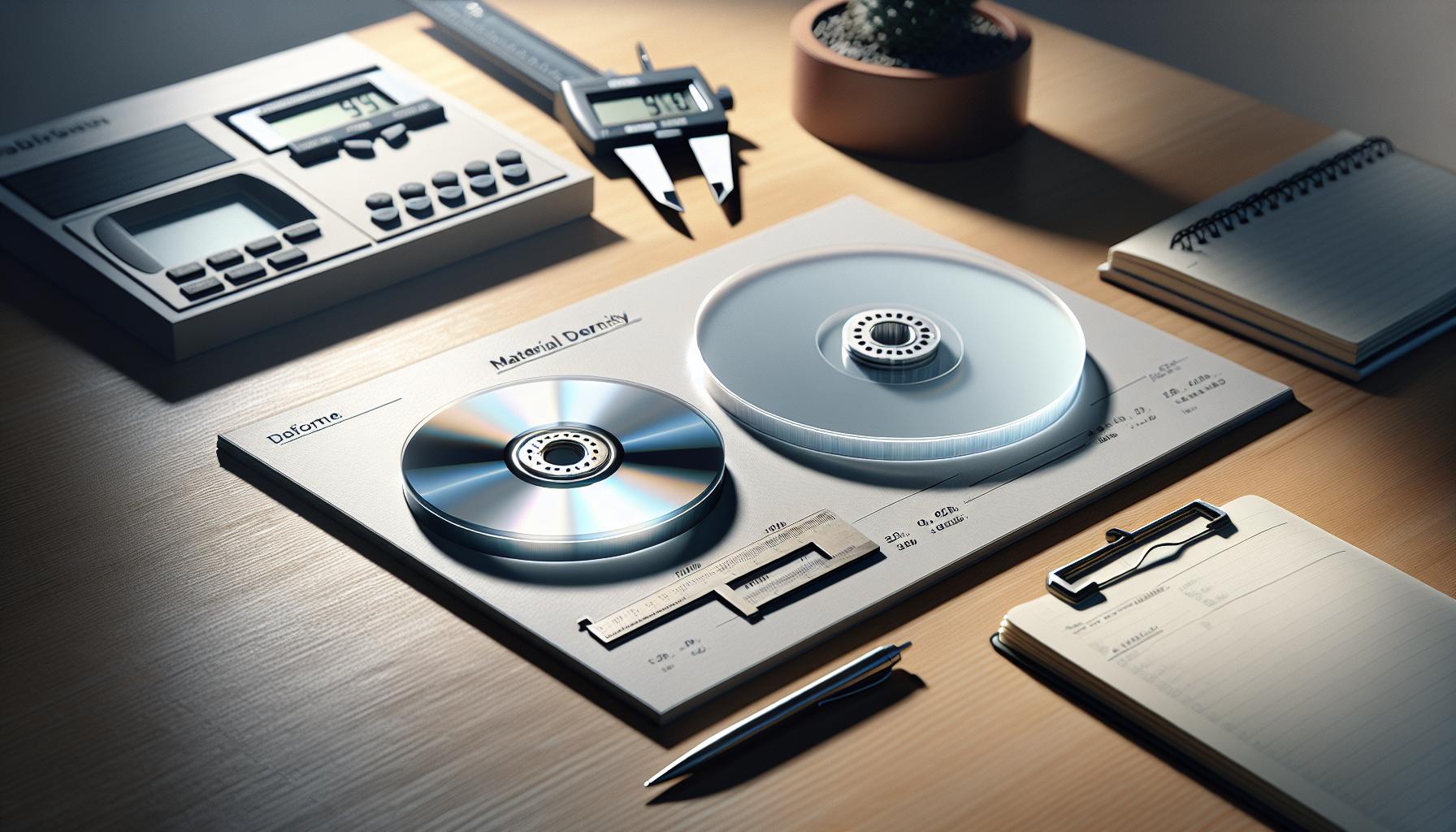
The density of the material used in disc golf discs plays a critical role in how they perform in flight, influencing everything from the disc’s stability to its overall feel in your hand. Heavier discs typically cut through the air more efficiently, allowing for better distance and more predictable flight patterns. Conversely, lighter discs may offer greater maneuverability and a more forgiving throw, which can be particularly appealing to beginners still honing their technique. Understanding how material density interacts with other factors such as aerodynamics and throwing mechanics can empower players to make informed choices when selecting their equipment.
When discussing material density, it’s essential to consider how it affects a disc’s flight characteristics. Discs made from dense, premium plastics tend to have a more stable flight path. This stability is beneficial for players seeking consistency in their throws, especially under various wind conditions. A disc that maintains its stability can provide a reliable level of performance, aligning closely with the player’s throwing speed and technique. On the other hand, lightweight discs, while often favored for their ease of use, can be more susceptible to environmental factors, like wind, which may result in unpredictable flight patterns.
Additionally, the density of a disc impacts its feel and grip. Heavier discs usually provide a more controlled grip, which experienced players often prefer for its feedback and security during throws. Newer players might find that lighter discs offer an easier introduction to the sport, as they can be thrown with less force, promoting accuracy and Sunday fun on the course. Ultimately, the choice between heavier and lighter discs boils down to personal preference and playing style, making experimentation vital to any player’s growth.
To aid players in selecting the right disc, it’s beneficial to think about typical scenarios on the course:
- For Windy Conditions: Heavier, denser plastics generally perform better, as they resist being pushed off course.
- When Learning: Lightweight, softer plastics allow for longer throwing arcs and easier catches, ideal for new players.
- For Consistency: Premium plastics with higher density often maintain flight patterns over extended use, catering to serious competitors.
In summary, understanding can significantly enhance how players interact with their equipment. By considering factors like weight, grip, and desired flight characteristics, disc golfers can tailor their selections to ensure optimal performance on the course. The journey to finding the perfect disc is as unique as each player’s style, making the details of material density not just technical knowledge, but truly essential insight for every competitor.
Comparing Flight Characteristics of Different Plastics

When it comes to disc golf, the material of your disc can be just as crucial as your throwing technique. Different plastics not only influence the durability and feel of the disc but also play a significant role in its flight characteristics. Understanding these nuances can elevate your game, whether you’re a casual player or a fierce competitor. For instance, premium plastics often provide a stable flight path, perfect for achieving that coveted straight line throw, whereas more flexible materials may yield greater distance at the cost of predictability.
The type of plastic can heavily impact how discs react in various flight scenarios. Consider, for example, the common types of plastics-typically categorized as basic, pro, and premium. Basic plastics are usually more affordable and can be perfect for beginners. They tend to be lighter, making them easier to handle; however, experienced players might find them less stable during windy conditions or after extended use. On the other hand, premium plastics, being denser and more rigid, offer superior grip and consistently longer life spans, maintaining their flight characteristics over many rounds. This stability is paramount for those seeking precision in tournaments or high-stakes play.
Understanding Stability and Flight Patterns
The stability of a disc directly correlates with its plastic type. A disc manufactured from a dense kind of plastic will typically exhibit a flatter flight path, which is ideal for aggressive throwing techniques and power-based shots. The angle at which the disc exits your hand, combined with the disc’s stability rating, can determine how it curves during its flight. On the flip side, softer plastics can create a more erratic flight, which may be beneficial for achieving specific tricks or shots that require more manipulation of the disc’s flight curve.
In terms of practical application, players can benefit from using specific discs based on their course strategy. For example, if you’re facing a heavily wooded area, a disc with a high degree of stability can help you navigate tighter lines with confidence. Alternatively, on open courses where wind can play a significant role, opting for heavier, more rigid plastics allows for greater resistance against gusts.
- Windy Conditions: Choose heavier, more stable plastics for consistent performance.
- Short, Technical Throws: Softer plastics may bend more effectively, allowing for greater angle adjustment.
- Long Distance: Premium plastics generally maintain their intended flight paths longer, ideal for power throws.
By carefully evaluating the type of plastic in your discs, you can maximize their performance capabilities and adapt your strategies to meet specific course challenges. The journey to understanding how different materials affect flight can unlock new levels of skill and enjoyment in disc golf, allowing everyone, from novices to seasoned players, to refine their craft and elevate their game.
How Plastic Composition Affects Disc Stability
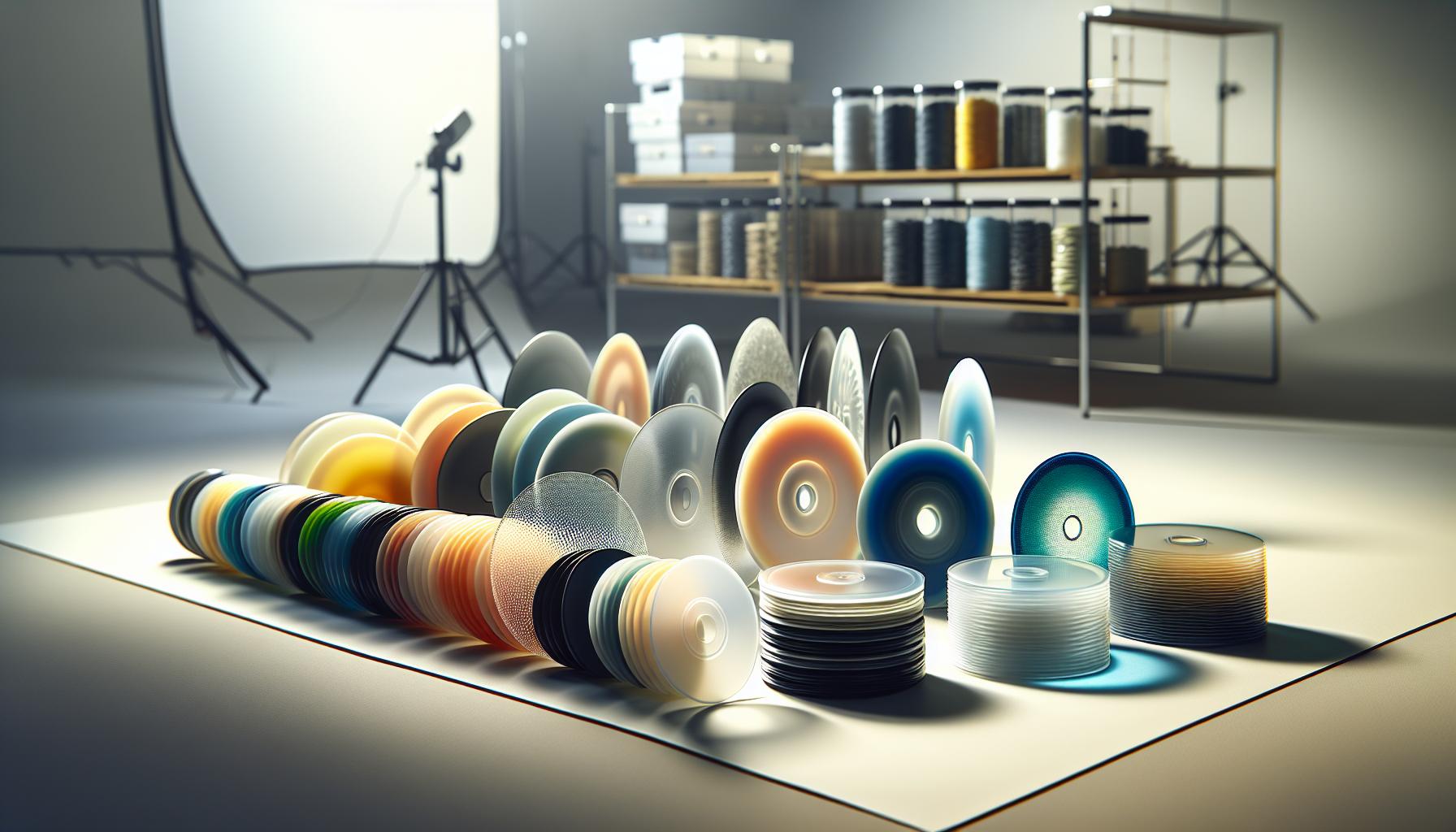
The composition of plastic in disc golf discs is a crucial factor that dictates not just how they feel in the hand but profoundly affects their flight stability. Different types of plastics-ranging from flexible blends to rigid polymers-offer varying degrees of grip, durability, and stability during flight. For example, discs made with a denser plastic tend to provide more consistent stability, holding their flight path with less influence from external factors like wind. This characteristic makes them ideal for experienced players looking to execute precision shots.
When considering plastic composition, it is essential to understand how the material’s rigidity and density influence flight dynamics. Rigid plastics often lead to more predictable flight patterns, allowing players to achieve specific curves and angles easily. These plastics are less prone to deformation during a throw, which means they maintain their intended flight path longer. In contrast, softer plastics can allow for more versatility in shot-making, particularly for hyzer flip shots or maneuvers requiring the disc to bend more. This flexibility is incredibly advantageous for novice players, as it enables easier handling and manipulation of the disc’s flight.
It’s also important to note that the plastic’s composition can significantly affect a disc’s response to environmental conditions. For instance, a disc designed with a more flexible plastic might perform exceptionally well in calm conditions, offering great distances and unpredictable flight for skilled players executing complex shots. However, during windy days, these same discs may struggle to track straight due to their tendency to flex and react more dramatically to gusts. Therefore, choosing the right plastic type is vital for adapting to course conditions and strategic gameplay.
In your quest to optimize your disc golf performance, consider experimenting with various plastics based on your playing style and the courses you frequent. For heavy winds or courses with open fairways, a dense plastic with high stability ratings will serve you well. On the other hand, for wooded or tight courses, softer plastics might provide the necessary angle adjustments for threading the needle through trees. Ultimately, understanding how plastic composition impacts stability not only enhances individual performance but enriches the entire disc golf community, fostering a deeper appreciation for this dynamic sport.
The Impact of Environmental Conditions on Plastic Performance
The performance of a disc golf disc can dramatically shift depending on the environmental conditions encountered on the course. Understanding how varying elements such as wind, temperature, and humidity interact with the disc’s plastic composition is vital for optimizing your throw and achieving the best results on the fairway.
When it comes to wind, the stability of a disc is crucial. Discs made from denser plastics tend to cut through the air more effectively, maintaining their intended flight path even in breezy conditions. For instance, a player using a high-stability driver constructed from a rigid plastic will find it easier to execute powerful throws that hold up against gusts. Conversely, a softer plastic disc may flex and bend under wind pressure, leading to erratic flight paths. This is particularly relevant for advanced players who may prefer stable discs for windy days, allowing them to trust their throws without worrying about unexpected deviations.
Temperature also plays a significant role in plastic performance. Colder conditions can make certain plastics stiffer, resulting in less grip and potential for slip during release. On the other hand, warmer temperatures might soften a disc, enhancing its grip but potentially sacrificing control and stability. Players often report noticeable differences in how their discs respond, with some opting to switch to a warmer plastic blend during colder months or using softer plastics when the temperature rises.
Moreover, humidity can affect the grip and feel of a disc, influencing how it slips from the hand during a throw. In higher humidity, grips that contain rubberized components can offer better traction, enhancing your control over the disc. This is especially important for beginners who may struggle with consistency. For seasoned players, adjusting to these environmental factors can become second nature, but having the right plastic disc on hand suited for specific conditions is a strategic advantage.
Ultimately, being aware of these environmental influences-wind, temperature, and humidity-allows players to choose the right discs that not only perform better but also enhance their overall game experience on the course. Tailoring your disc selection to weather conditions fosters an adaptable and strategic mindset essential for success in the dynamic world of disc golf.
Analyzing Grip and Feel: Which Plastic is Best?
The feel of a disc in your hand can significantly influence your performance on the course, making grip a critical factor for players at all skill levels. Understanding how different plastic types affect grip and feel is essential for making smart choices about your disc selection. Some plastics are designed specifically to enhance traction and provide a tackier surface, which can be particularly beneficial in demanding conditions or for players who rely heavily on precision and control.
For players who thrive on touch, rubberized blends or soft plastics often stand out. These materials tend to offer a grippy feel, allowing for better control when grip pressure is paramount, such as in windy or rainy conditions. Conversely, harder plastics might slide through your fingers if the weather is humid or if your hands sweat, which can lead to less optimal releases or unwanted inaccuracies. Discs with a matte finish typically provide more tactile feedback than glossy options, helping players maintain a confident grip.
Choosing the Right Material
The choice of plastic can vary greatly depending on your personal preferences and the conditions you expect to face on the course. Here are some common plastic types categorized by their grip characteristics:
- Premium Plastics: These include blends that combine durability and a comfortable feel, often used by intermediate and advanced players.
- Rubberized Plastics: Ideal for rainy conditions, these plastics prevent slippage and help maintain a firm grip, making them a favorite among competitive players.
- Soft Plastics: Soft plastic discs can provide excellent grip, especially for throwers who prefer to feel the disc more as it leaves their hand, enhancing putts and touch shots.
- Hard Plastics: While often more durable, hard plastics may sacrifice grip, particularly in adverse conditions, making them less desirable for players who need maximum control.
Ultimately, testing various plastic types is key. Consider your throwing style, the specific discs you gravitate towards, and the common weather conditions in your area. Many players recommend trying out different plastics during practice rounds to see which ones complement your natural feel during throws. Finding a disc that balances comfort, control, and performance will not only enhance your game but can make a significant difference in your enjoyment of disc golf as a whole.
Customizing Discs: Choosing the Right Plastic for Your Style
When choosing the right plastic for your discs, it’s essential to consider how different materials influence not just grip and feel, but overall flight performance as well. Each plastic type has its unique characteristics that affect disc stability, durability, and distance, making it crucial to align your selection with your throwing style and environmental conditions. For instance, a player who loves to throw for distance might prefer a harder plastic that can withstand wear over time and maintain its glide, while someone who plays in wet conditions may benefit from softer, rubberized plastics that enhance grip under less than ideal circumstances.
Many players find success by customizing their plastic choices based on specific techniques and preferences. Here are a few tailored considerations to keep in mind when selecting your discs:
- Power Throws: For players with strong arm speed, opting for premium plastics can provide both the durability and the flight consistency needed for long-range throws. This type of plastic often combines stiffness with lightweight properties to prevent disc distortion.
- Touch Shots: If your game emphasizes finesse over power, soft plastics may be your best bet. These materials offer a tactile feedback that allows for greater control during delicate approaches and putts, making them easier to manipulate for various shot styles.
- Mixed Conditions: In variables like wind or rain, consider a rubber blend. These plastics are designed to grip even when wet, ensuring that your disc doesn’t slip during critical throws.
- Personal Comfort: Ultimately, comfort should be a priority. Take the time to hold and throw different types of plastics to see which feels right in your hand. The disc’s weight, balance, and the texture of the plastic all play significant roles in performance and enjoyment.
Testing different types of plastics during practice sessions is not just encouraged; it’s essential. Rather than sticking with just one or two discs, trying various plastics can lead to surprising improvements. As you discover what kinds of plastics complement your style, you’ll not only elevate your game but also deepen your appreciation for the sport and its equipment.
Finally, remember that just like in any sport, your equipment is a personal extension of your skills. Celebrate the uniqueness of your throwing style by exploring the wide range of plastic options available. With each choice, you’re crafting an integral piece of your disc golf journey, ensuring that your performance reflects your dedication and passion for the game.
Innovative Materials: The Future of Disc Flight Technology
The advent of innovative materials in disc design is paving the way for a new era in disc golf technology, significantly enhancing performance and player experience. As manufacturers continue to harness advanced polymers and composite materials, we are witnessing a transformation in the way discs fly, grip, and withstand the rigors of play. For instance, the incorporation of increasing levels of flexibility and elasticity into plastic formulations not only extends durability but also enhances control, providing players with varied flight paths and improved feedback on release.
In recent years, we’ve seen the rise of hybrid plastics that blend the benefits of different materials. These innovations allow for unique characteristics tailored to specific throwing styles. For example, some manufacturers are experimenting with materials that merge hard and soft plastics to create discs that maintain a stable flight path while offering a substantial grip, even in wet conditions. This flexibility expands the gameplay strategies available to players, allowing them to choose discs that better match their individual needs and preferences.
Moreover, technology like 3D printing is starting to penetrate the disc golf industry, enabling the creation of custom disc molds that can cater to unique player specifications. With this tool, players can adjust elements such as weight distribution and aerodynamics, giving them greater control over their throws. This customization goes hand-in-hand with understanding the impact of density and composition on flight dynamics. Players can experiment with different designs, effectively finding that perfect combination of materials that best suits their grip style and throwing mechanics.
Looking ahead, we can expect even more breakthroughs in the materials used for disc golf equipment. The integration of biodegradable components into disc manufacturing represents a significant step toward sustainability, appealing to eco-conscious players while maintaining performance standards. Future innovations may focus on enhancing the tactile qualities of the discs as well, making them not only more enjoyable to throw but also easier to handle in variable conditions. Ultimately, as plastic technology evolves, so too will the playing fields of disc golf, redefining what players can achieve on the course.
User Insights: Players’ Preferences on Plastic Types
Understanding what types of plastic resonate with players can greatly enhance their experience on the disc golf course. As the sport evolves, so do players’ preferences for disc materials, and these choices often reflect a mix of performance needs, playing style, and environmental considerations. Engaging with the disc golf community reveals fascinating trends and insights, providing valuable guidance for both newcomers and seasoned veterans.
Many players highlight the importance of flexibility and grip in selecting their discs. For example, softer plastics that are flexible can provide better traction and comfort during throws, especially in varying weather conditions. Meanwhile, harder plastics are often preferred for their durability and the distinct flight patterns they can deliver. This balance between grip and performance is a hot topic, with players frequently trading stories about how minor adjustments, like switching to a hybrid plastic, have improved their control and confidence while throwing.
The stability and consistency of a disc’s flight are also critical factors in material selection. Experienced players often look for specific plastics that suit their throwing mechanics, as these can significantly influence a disc’s glide, fade, and ability to hold lines. For instance, players may choose a certain plastic blend for its predictable overstable characteristics, while others might opt for more understable blends to achieve long-distance shots requiring a gentle turn. Understanding these nuances helps players optimize their performance based on personal throwing styles and preferences.
Moreover, the rising consciousness around sustainability is shifting player preferences toward eco-friendly options. Many in the disc golf community are now advocating for biodegradable materials that do not compromise performance. This trend not only reflects a commitment to environmental responsibility but also fosters a sense of community among players who prioritize sustainability. Collectively, they’re looking to support brands that invest in developing innovative, eco-conscious solutions without sacrificing the quality and reliability they depend on in competitive play.
In summary, player preferences for disc materials encompass a blend of practical performance considerations-like grip, flight stability, and weather resilience-coupled with an increased emphasis on environmental responsibility. By tapping into these insights, both new and veteran players can make informed decisions that enhance their gameplay experience and contribute to a more sustainable future in disc golf.
Evaluating Cost vs. Performance in Plastic Selections
While the excitement of selecting a disc golf disc can be overwhelming, one fundamental aspect that often navigates the decision-making process is the balance between cost and performance. As with any sporting equipment, the materials used in disc manufacturing significantly impact both the price and the quality of performance on the course. Players should keep in mind that investing in the right plastic type is not merely about upfront costs; it’s also about the long-term value each disc brings to their game.
A crucial element to consider is that higher-priced discs often utilize advanced polymers and blends that enhance durability and flight precision. These premium plastics typically provide better grip under varied environmental conditions and are engineered to maintain their stability over time, which can save players money in the long run as they won’t need to frequently replace discs that wear out or become harder to throw accurately. However, for newcomers or recreational players, budget-friendly options made from standard plastics can still offer satisfying performance and may be more aligned with their current skill level.
Understanding different plastic types can guide players in making informed decisions. For instance, plastics such as Z and Champion are durable and maintain their flight characteristics longer but come at a higher cost. Alternatively, cheaper plastics like DX or baseline versions provide excellent turnover and are excellent for players who need to experiment with different styles without breaking the bank.
Evaluating Your Play Style
When assessing cost versus performance, players should reflect on their play style, experience level, and frequency of play. New players might benefit from using less expensive, more forgiving discs while they establish their skill set, allowing them to invest in pricier models only when they’ve developed a consistent throwing technique. Conversely, experienced competitors may prioritize high-performance discs crafted from specialized plastics to achieve specific shots or enhance their competitive edge.
Ultimately, the right choice balances immediate financial considerations against the long-term benefits of performance and durability. Players are encouraged to weigh their individual needs, preferences, and playing conditions to make selections that will not only enhance their game but also provide value throughout their disc golf journey. By learning from the community and understanding how particular materials function in different scenarios, players can confidently choose plastics that elevate their gameplay while remaining within their budget.
Sustainability in Disc Golf: Eco-Friendly Plastic Options
Making environmentally conscious choices in disc golf is becoming increasingly important as players seek to balance their love for the game with a commitment to sustainability. The traditional plastics used in disc manufacturing often involve petroleum-based products that contribute to environmental degradation. However, the growing awareness of ecological impact has prompted manufacturers to explore eco-friendly plastic options that not only perform well but also reduce our carbon footprint.
Many companies are now producing discs made from biodegradable or recycled materials. For instance, some discs incorporate recycled PET (rPET), which diverts plastic waste from landfills while maintaining flight performance. These materials can significantly reduce the environmental impact compared to virgin plastics. Additionally, manufacturers highlight the use of natural fibers or compostable blends as alternatives that break down over time, thus minimizing long-term waste.
When selecting eco-friendly discs, players should look for certifications or labels indicating sustainable practices. Some brands are transparent about their manufacturing methods and the lifecycle of their products. At the same time, it’s essential to consider performance aspects-many newer sustainable options mimic the flight characteristics of traditional discs, ensuring that players do not have to compromise on quality for eco-friendliness.
Engaging with the community about sustainable practices can also enhance your disc golfing experience. Players are encouraged to share their experiences with eco-friendly discs, fostering a culture of awareness and responsibility within the sport. This not only promotes environmental stewardship but also builds stronger connections among players who share similar values. As disc golf continues to grow, embracing sustainability can help protect the natural landscapes we enjoy and ensure that future generations can experience the joy of the game.
Tips for Selecting the Right Disc Based on Material
Selecting the right disc based on material can dramatically enhance your performance on the course and elevate your overall enjoyment of the game. Did you know that the material density and composition of a disc substantially influence how it behaves in the air? By understanding these factors, players can fine-tune their gear to match their throwing style and the environmental conditions they encounter.
When choosing a disc, consider the following key factors:
- Grip and Feel: Some plastics offer a tackier feel, providing better grip, especially in humid or wet conditions. This can allow for more confident throws. Experiment with different plastics to find what feels best for your hand.
- Flight Characteristics: The way a disc flies depends heavily on its material. For instance, stiffer plastics tend to maintain stability during flight, while softer plastics may offer greater glide but less distance. Matching the plastic to your style can help optimize flight performance.
- Durability: Consider how often you play and the courses you frequent. If you often throw in rugged terrain, a higher durability plastic can endure wear and tear without compromising its flight pattern.
- Environmental Conditions: Temperature and humidity can affect plastic behavior. In cooler weather, some plastics may become stiffer, altering their flight path. Be mindful of these variables when selecting a disc for a particular day.
Ultimately, don’t hesitate to try multiple discs across different materials as you refine your personal style. Each player has unique preferences that can evolve over time with more experience and understanding of how material affects flight dynamics. Join local disc golf communities or forums to gain insights from fellow players, sharing advice and personal recommendations based on real-world experiences. Enjoy the process of exploration-it’s part of what makes disc golf such a rewarding sport!
Frequently asked questions
Q: How do different plastic types affect a disc’s flight stability?
A: Different plastic types impact a disc’s flight stability due to variations in weight, flexibility, and grip. Heavier plastics tend to provide more stability, while lighter ones may result in less predictable flight paths. For a deeper understanding, check the section on How Plastic Composition Affects Disc Stability.
Q: What are the advantages of using eco-friendly plastics in disc golf?
A: Eco-friendly plastics are beneficial as they reduce environmental impact while still providing good performance characteristics. They often bring uniqueness in grip and feel. Explore the Sustainability in Disc Golf: Eco-Friendly Plastic Options section for specific materials that combine performance with sustainability.
Q: Why is material density important for disc performance?
A: Material density is crucial as it affects the disc’s mass and how it interacts with air during flight. Higher density materials can enhance wind resistance, providing greater distance. More details can be found in the The Role of Material Density in Disc Performance section.
Q: How does temperature influence plastic performance in flights?
A: Temperature can significantly influence plastic performance; warmer weather generally makes plastics more flexible, improving grip and distance, while colder temperatures can make them stiffer, affecting stability. For more on environmental impacts, see The Impact of Environmental Conditions on Plastic Performance.
Q: What disc plastic types are best for beginners?
A: Beginners often benefit from flexible, lightweight plastics that provide better grip and easier throws. Consider options like DX plastic, known for its forgiving flight characteristics. Check out Tips for Selecting the Right Disc Based on Material for further insights tailored to new players.
Q: How do throwing techniques vary with plastic types?
A: Throwing techniques can vary based on the plastic type; for example, stiffer plastics may require more power to achieve the same distance as softer plastics. Adapting your technique based on the disc’s characteristics is key. Explore throwing mechanics further in the main article.
Q: When should I choose a specialized plastic over a general type?
A: Opt for specialized plastics when you need a specific performance characteristic, such as enhanced grip in wet conditions or increased durability for frequent use. Learn more about customizing your discs in the section on Customizing Discs: Choosing the Right Plastic for Your Style.
Q: What are the long-term effects of using low-quality plastics for disc golf?
A: Using low-quality plastics can lead to quicker wear and tear, affecting flight stability and performance over time. Investing in durable, high-quality materials can enhance your overall experience. For comparisons, refer to Evaluating Cost vs. Performance in Plastic Selections.
Future Outlook
Understanding how different plastic types influence flight can elevate your disc golf game. Remember, the right material can dramatically affect your disc’s stability, distance, and overall performance. If you’re eager to refine your technique, explore our detailed guides on disc flight characteristics and throwing mechanics, or dive into our equipment comparison tables to find the best fit for your style.
Don’t leave your success to chance! Challenge yourself by subscribing to our newsletter for exclusive insights and tips that keep you ahead of the curve. Keeping your gear well-maintained is crucial, so check out our resource hub for informative articles on disc care and tournament strategies.
Your journey in disc golf is just beginning-continue exploring and mastering your skills! Share your thoughts or experiences in the comments, and connect with fellow enthusiasts to expand your knowledge and enjoy the vibrant disc golf community. Let’s elevate your game together!
Get our latest guides, news, and insights highlighted in your Google Search & AI Overviews.