
How many mm is a disc golf disc is an essential factor in modern disc golf course play, equipment setup, and tactical execution. Our comprehensive guide provides actionable course tips, disc flight mechanics, equipment recommendations, and tournament-tested strategies to help disc golfers optimize their scoring and course performance.
Did you know that the weight and size of your disc golf disc can dramatically influence your game? Understanding the specifications of standard disc golf discs-particularly their size and weight-lays the groundwork for optimizing your throwing technique and improving your overall performance. Whether you’re a beginner mastering the basics or a seasoned player fine-tuning your skills, choosing the right disc is crucial for achieving accurate throws and greater distance. In this article, we will explore the intricacies of disc specifications, helping you make informed decisions that will elevate your game. From flight dynamics to personal preferences, join us as we delve into how these key factors shape your disc golf experience and help you reach your goals on the course.
Understanding Disc Golf Disc Specifications
is essential for players aiming to enhance their game. In a sport where small details can lead to big changes in performance, being informed about the size and weight of your disc can profoundly impact your throwing accuracy and distance. Each disc is designed with specific characteristics that dictate its flight path, and these are crucial for players of all skill levels, whether you’re a beginner or an experienced competitor.
When selecting a disc, the standard dimensions typically fall within a diameter of approximately 21.0 to 21.5 cm and a height of about 1.5 to 2.2 cm, with specific variations depending on the type of disc (driver, midrange, or putter). Weight is another critical factor, usually ranging from 150 to 175 grams. The weight and size influence how the disc flies, affecting its speed, glide, turn, and fade ratings. Recognizing these specifications allows players to tailor their selection based on their throwing style and the conditions they’ll face on the course.
A disc’s weight not only affects distance but also control. Lighter discs are easier to throw with finesse, making them suitable for beginners still mastering their technique, while heavier discs tend to be better for experienced players seeking power and stability in their throws. Players can experiment with different weights to find what feels most comfortable, leading to more confident throws and improved overall performance.
In addition to size and weight, the material composition of a disc can significantly alter its performance. Discs made from premium plastics often offer enhanced durability and grip, which can influence both throwing confidence and throw longevity. With these elements in mind, players can make more informed choices when it comes to selecting their equipment, pursuing not only better scores but also a deeper enjoyment of the game.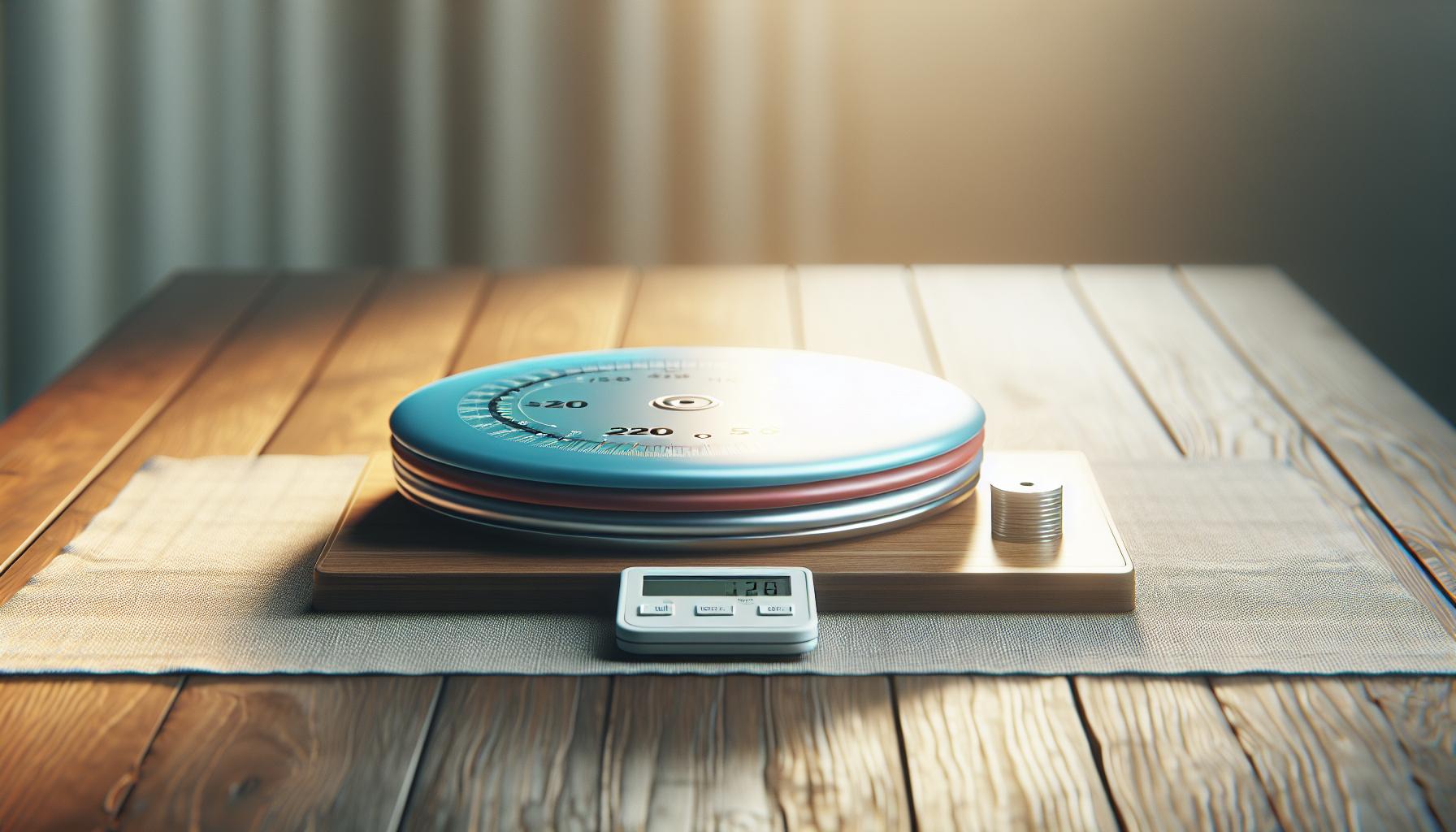
Importance of Disc Size and Weight in Performance
In the game of disc golf, even small variations in disc size and weight can have a significant impact on performance. Understanding these specifications is crucial for every player, as they directly influence throw dynamics, accuracy, and overall enjoyment of the game. For instance, a disc’s diameter typically ranges between 21.0 and 21.5 cm, while its height can be around 1.5 to 2.2 cm. These dimensions work together to create the aerodynamics that affect how the disc interacts with the air during flight. When players are aware of the nuances between different disc types, they can better match their selection to their unique throwing style and the challenges posed by the course.
Weight is another paramount aspect. Discs typically fall within a weight range of 150 to 175 grams, and this variation can drastically alter how a disc behaves in flight. Lighter discs are easier to toss with finesse, making them ideal for beginners who are still honing their technique. These discs can provide enhanced glide for softer throws, giving newer players greater confidence as they develop their skills. Conversely, heavier discs are preferable for seasoned players seeking power and stability, especially in windy conditions. They tend to cut through the air more effectively, allowing for longer throws that maintain accuracy.
Moreover, the choice between different weights also depends on the specific type of throw being executed. For example, a distance driver might benefit from a heavier weight to achieve maximum distance through a more stable flight path, while a putter could be lighter to facilitate precision and control on shorter, more delicate tosses. Players are encouraged to experiment with various weights to discover what feels best for their grip and throwing mechanics, leading to more confident and effective throws.
Ultimately, the role of disc size and weight goes beyond mere specifications; it’s about personalizing the experience. By understanding how these factors affect performance, players can cultivate a deeper connection with the sport that not only enhances their game but also enriches their appreciation for this dynamic and engaging outdoor activity. As disc golf continues to grow and attract new players, cultivating a knowledge of these fundamental aspects will ensure that both novices and veterans can enjoy the game to its fullest.
Standard Disc Golf Disc Sizes Explained
In the diverse world of disc golf, understanding standard disc sizes is essential for players of all skill levels. The typical diameter of a disc golf disc ranges from 21.0 to 21.5 centimeters, while the height typically measures between 1.5 and 2.2 centimeters. These dimensions are not arbitrary; they are designed to optimize aerodynamics and flight characteristics. A properly sized disc will behave predictably in the air, which is crucial for executing strategies effectively on the course.
When selecting a disc, it’s important to consider how its size might influence your game. For instance, larger discs typically have a more stable flight path under varying wind conditions but might feel bulkier and less comfortable for some players. On the other hand, smaller discs can offer more maneuverability and control, making them favorable for approach shots and putts. This is particularly beneficial for beginners who may be developing their skills, as a disc that feels good in hand tends to improve confidence and execution.
Moreover, the standard size specifications ensure that all players comply with competitive regulations. As governed by organizations like the Professional Disc Golf Association (PDGA), these standards help maintain fairness and consistency in play. Understanding these specifications allows players to make more informed choices, enhancing both their enjoyment of the game and their competitive edge.
As you begin your journey in disc golf, take time to explore various sizes and shapes to find the disc that suits your throwing style and comfort. Whether you’re throwing a distance driver or a putter, recognizing how size affects performance will empower you to make better choices on the course. Experimenting with different discs can lead to significant improvements in your overall game, making the learning process as fun as the competition itself.
Weight Classes: Choosing the Right Disc Weight
Choosing the right disc weight is not just a matter of personal preference; it’s a critical factor that can dramatically affect your performance on the course. Discs typically range from around 150 grams to 180 grams, and this variance plays a significant role in how the disc flies, how far it travels, and how well you can control it under different conditions. The weight of the disc influences its stability, speed, and the distance it can achieve, making an informed choice vital for anyone looking to improve their game.
When selecting a disc weight, one key consideration is your throwing style and strength. Heavier discs (in the 170-180 gram range) tend to hold their line well and provide more stability in windy conditions, making them suitable for experienced players who can generate sufficient arm speed. Conversely, lighter discs (150-170 grams) are often favored by beginners and younger players because they are easier to throw and can provide greater distance, particularly for those who may not yet have the strength or technique for heavier options. Here’s a quick breakdown of what you can expect from different weight classes:
- Lightweight Discs (150-170 grams): Easier to throw for distance, ideal for beginners, can provide more control on shorter throws.
- Mid-Weight Discs (170-175 grams): A balance of stability and distance, suitable for intermediate players, adaptable for various throwing styles.
- Heavy Discs (175-180 grams): Increased stability and control, excellent for advanced players, particularly in windy conditions.
Furthermore, the physical characteristics of a player can affect their choice as well. For example, a strong, athletic player may gravitate towards heavier discs to maximize distance and stability during competitive play, while a player with less upper body strength may find greater success with lighter discs that allow for smoother throws without sacrificing control.
Incorporating feedback from seasoned players can be invaluable when navigating the weight classes. Many experienced disc golfers recommend trying out a variety of weights to determine what feels best for your grip and throwing mechanics. It’s often beneficial to have a selection of weights in your bag to adapt to varying course conditions or personal performance needs.
Ultimately, the journey to selecting the right disc weight is a personal one, filled with experimentation and discovery. By understanding how weight influences flight paths and your overall game, you can make choices that enhance both your enjoyment and effectiveness on the course.
Effects of Disc Size on Flight Patterns
Understanding how the size of a disc affects its flight patterns is crucial for both beginners and seasoned players. Discs in disc golf typically range from approximately 21 to 23 centimeters in diameter. This seemingly small difference significantly impacts aerodynamics, stability, and the overall flight experience. The larger the disc, the more surface area it has, which can influence how it interacts with the air, particularly at high speeds.
When it comes to flight patterns, one of the most critical aspects to consider is how size affects glide and stability. A larger disc generally offers greater glide due to its increased surface area, allowing it to catch more air and maintain altitude longer. This can be particularly beneficial for achieving distance without requiring as much power, making them a favorite among newer players still developing their throwing techniques. Conversely, smaller discs may cut through the air more cleanly but can be more difficult to control, especially in windy conditions where they may easily become affected by crosswinds or gusts.
Another important factor is how size correlates with a disc’s stability ratings. Discs are rated as overstable, understable, or stable, based on how they behave during flight. Overstable discs, often smaller and designed for higher speeds, tend to resist turning to the right (for right-hand backhand throws) and can handle more torque, making them ideal for powerful throws or windy conditions. On the other hand, understable discs, which often encompass larger sizes, can flip and turn more easily, allowing for more flexibility in shaping throws and achieving longer distances with less effort, particularly useful for hyzer flips or long turnover shots.
In practical terms, selecting the right disc size hinges on understanding your personal throwing mechanics and conditions you often play in. Beginners might benefit from larger, more stable discs that provide better glide and forgiveness on throws. At the same time, advanced players may find that incorporating a diverse set of disc sizes into their bags allows for a greater range of shot-making ability and nuanced flight paths.
As you experiment with various disc sizes, pay close attention to how they perform in different stages of your throws, including how they release from your hand and respond in flight. Every disc has its unique characteristics, and by paying attention to these details, you can better tailor your selection to achieve your desired outcomes on the course. With time and practice, you’ll develop an intuitive sense for how different sizes can become an integral part of your disc golf strategy, enhancing both your performance and enjoyment of the game.
How Weight Impacts Distance and Control
The weight of a disc is a fundamental aspect that significantly influences both distance and control, making it an essential consideration for players at every skill level. Heavier discs tend to provide a more stable flight path, allowing for increased accuracy and consistency, especially in windy conditions. For many players, the choice between a lightweight and a heavier disc can feel like navigating a tricky course-one that requires understanding how weight translates into performance.
When discussing distance, lighter discs typically have the advantage of being thrown faster, which can lead to longer throws under optimal conditions. However, this increased speed often comes at the cost of control. Lighter discs are generally more susceptible to the wind, which can push them off course, particularly during gusty conditions. Conversely, a heavier disc, while potentially requiring more effort to throw, can cut through the wind more effectively and yield a more predictable flight. Therefore, players looking for maximum distance should be mindful of their ability to maintain control with lighter options when faced with challenging weather conditions.
As you evaluate your own throwing technique, consider how your grip strength, wrist snap, and overall throwing mechanics affect your disc choice. A heavier disc can be beneficial for those with a strong and consistent throw, helping to achieve greater distance without sacrificing stability. However, for players still developing their form, a lighter disc may be the better option, as it can provide more feedback during throws, encouraging practice and improvement. A practical approach is to test multiple weights to determine which feels most comfortable and effective for your style of play.
Ultimately, understanding the relationship between disc weight, distance, and control can be a game-changer. Seek to balance the need for speed with the necessity for precision. As you progress, consider how your skills evolve, and don’t hesitate to adjust your discs accordingly to match your growing ability. As the disc golf community continues to expand, sharing experiences and insights on disc selection can enrich your journey, making every round not just a competition but an opportunity for personal growth and enjoyment in this dynamic sport.
The Role of Material in Disc Performance
The material composition of disc golf discs plays a pivotal role in performance, influencing everything from grip and durability to flight characteristics. Discs are primarily made from different types of plastic, each offering unique benefits that cater to various playing styles and conditions. Understanding these materials not only enhances a player’s game but also allows for informed choices when selecting discs.
Types of Disc Materials
Most manufacturers use specialized blends of plastics, which can vary in flexibility, durability, and grip. Here’s a brief overview of common materials:
- Base Plastics: Typically softer and more affordable, base plastics offer good grip and are ideal for beginners. They tend to wear faster, which can change a disc’s flight characteristics over time.
- Premium Plastics: These are more durable and often provide superior grip. They retain their flight stability longer and resist scratches and damage, making them a favorite for serious players.
- Specialty Plastics: Many brands offer specialty blends that enhance specific attributes such as grip, stability, or weight. For example, a rubberized blend can improve grip in wet conditions, while some plastics are designed for maximum distance or control.
Impact on Flight Characteristics
The choice of material also directly affects how a disc responds in flight. Softer plastics typically provide a more controllable, accurate throw but may sacrifice distance due to increased drag. In contrast, stiffer plastics often cut through wind more effectively and maintain their intended flight path, making them ideal for experienced players who can handle higher speed throws.
Additionally, the surface texture and glossiness of a disc can influence performance. Discs with a matte finish can provide better grip but might not slice through air as neatly as shiny options, potentially sacrificing distance for control. Consequently, it is essential for players to experiment with various materials under different conditions to find the optimal balance for their skill level and play style.
Understanding empowers players to make strategic decisions tailored to their playing experience and preferences. This knowledge fosters not only improvement in individual performance but also enriches the communal discourse within the growing world of disc golf, promoting both personal development and a deeper appreciation of the sport.
Comparing Different Disc Types: Drivers, Midranges, and Putters
In disc golf, the type of disc you select can significantly impact your performance on the course, and understanding the differences between drivers, midranges, and putters is essential for any aspiring player. Each disc type is designed with specific characteristics that cater to varying throwing techniques and flight patterns, making the right choice crucial for mastering the game.
Drivers are engineered for distance and speed, featuring a sleek and aerodynamic profile that minimizes drag as they cut through the air. Typically, they come in two main categories: distance drivers and fairway drivers. Distance drivers are ideal for long throws and usually have a higher speed rating (above 13). In contrast, fairway drivers, with speed ratings around 8-12, offer more control on slightly shorter shots where precision is critical. When selecting a driver, consider your skill level; beginners might find moderate-speed drivers easier to handle, as they offer a balance between distance and manageability.
Midrange discs fill the gap between drivers and putters, providing versatility and reliability for a wide range of shots. With a speed rating typically between 4-7, midranges are designed for accuracy and stable flight paths, making them perfect for approach shots and shorter distances where control is paramount. They often have a significant amount of glide, which helps prolong their flight, benefiting players who can capitalize on this when making strategic throws.
Finally, putters are crafted specifically for short, controlled throws close to the target. With the slowest speed rating (usually 2-4), they are designed to provide maximum stability and accuracy. Using a putter requires a different mindset compared to throwing drivers; focus on finesse rather than power. The unique design of putters aids in making precision shots that ensure the disc settles softly into the basket, a must-have for any player’s bag.
With the right selection of drivers, midranges, and putters tailored to your throwing style and the specific challenges of the course, you’ll find that each shot becomes an opportunity to refine your skills and enjoy the strategic gameplay that disc golf offers. Whether you’re a beginner purchasing your first disc or an experienced player looking to customize your set for competitive play, understanding these key differences is vital for progressing in this dynamic sport.
Understanding Disc Stability Ratings
Understanding how to interpret disc stability ratings is essential for any disc golfer looking to enhance their game. Stability ratings indicate how a disc will behave during its flight and are categorized into four main types: overstable, stable, understable, and neutral. Each of these characteristics can significantly influence your throwing strategy and the types of shots you can effectively execute.
An overstable disc resists turning to the right (for right-handed backhand throws) during the flight. This means it will finish left and is ideal for strong throws, windier conditions, or when you need to make a sharp turn. Advanced players often prefer overstable discs for reliable hyzer throws or situations where control is paramount. Conversely, a stable disc flies in a straight line with a slight tendency to finish to the left, suitable for a wide array of throwing styles and skill levels, making it a great option for beginners.
On the other end of the spectrum are understable discs, which are designed to turn right during a right-handed backhand throw. These discs are essential for executing anhyzer shots, rollers, or long-distance throwing with a gentle fade. Many beginners benefit from understable discs as they accommodate less powerful throws and provide a longer glide, helping to maximize distance with less effort. Lastly, neutral discs possess balanced characteristics that allow them to fly straight for most of their flight path before gently fading, making them versatile options for various skill levels and playing styles.
To make informed choices, consider not only the stability rating but also how your throwing mechanics affect disc flight. For instance, a higher arm speed can turn a stable disc into an understable flight, while slower speeds can cause an understable disc to behave more neutrally. Understanding these nuances empowers you to select the right disc for each situation, allowing for better course management and ultimately improving your performance on the green.
Best Practices for Selecting Your Disc
Selecting the right disc for your game can significantly enhance your performance on the course, making the difference between a successful shot and a frustrating misfire. Whether you’re just starting your disc golf journey or you’re a seasoned competitor, understanding the various specifications of discs-including size, weight, and material-will empower you to make more informed choices. Here are some best practices to guide your selection process.
Firstly, consider the flight ratings of the disc, which are crucial indicators of its expected behavior during and after release. Discs are rated based on four key characteristics: Speed, Glide, Turn, and Fade. Each of these attributes influences how the disc will perform in the air, affecting not only distance but also accuracy. For example, a high-speed disc may be ideal for long throws, but it will require a higher level of throwing skill to maintain control. Understanding these ratings will help you align your choice with your throwing style-whether you prefer quick, aggressive throws or more controlled, strategic approaches.
Next, focus on disc weight. Heavier discs (e.g., 175 grams) can provide more stability and distance in windy conditions, making them great for advanced players. Conversely, lighter discs (e.g., 150 grams) are easier to throw, providing beginners with a smoother learning curve and allowing for more controlled throws at lower speeds. When selecting a disc, consider not only the technical specifications but also your physical abilities and comfort level. Practice with various weights to find out which feels right in your hand and maximizes your throwing potential.
The material of the disc also plays a pivotal role in how it performs. Different plastic types can affect grip, durability, and price. For instance, premium plastics might offer superior durability and grip, making them excellent choices for competitive play. In contrast, lower-cost options can be great for beginners who are still developing their skills or for casual play. Consider having a mix of materials in your bag to be prepared for various conditions, as different plastics can perform differently depending on the environment.
Finally, as you refine your skills, do not hesitate to seek out community advice or even consult with experienced players. They can share personal insights on specific disc models and how they behave under various conditions. Engaging in local leagues or online forums can help you gather information on what discs work best for others and why. This not only contributes to your knowledge but also enhances the sense of camaraderie that is so vital to the sport.
By thoughtfully considering these aspects-flight ratings, weight, material, and community input-you can strategically select discs that empower you to play at your best, adapt to different courses, and enjoy every round of disc golf more deeply. Whether you’re gearing up for a tournament or enjoying a casual game with friends, the right discs will make your experience more rewarding and fun!
Tips for Beginners: Finding Your Ideal Disc
Choosing the right disc can feel overwhelming, especially for newcomers to disc golf. With a multitude of sizes and weights available, understanding how these factors affect your game is crucial for finding your ideal disc. A common misconception is that heavier discs are always better, but the truth is, weight and size should align with your individual throwing style and physical ability.
To start your journey, focus on disc weight. Beginners often benefit from lighter discs, typically in the range of 150-170 grams. These discs are generally easier to throw, allowing for better control and increased distance at lower throwing speeds. If you’re struggling with accuracy, a lighter disc can help smooth out your learning curve, giving you more time to develop your technique. As you progress, you might experiment with heavier options, which can offer added stability and performance in windy conditions.
In addition to weight, consider the size and shape of the disc. A standard disc golf disc has a diameter of approximately 21.2 cm, which allows for optimal aerodynamics. The rim depth and inside rim diameter also play integral roles in how the disc behaves in the air. For example, a disc with a deeper rim often provides more power for advanced throws, while a shallower rim can feel more comfortable for beginners. Trying out various disc shapes at your local shop or borrowing from friends can help you discover what feels best in your hand.
Moreover, learning about flight ratings-comprising speed, glide, turn, and fade-will enhance your understanding of how different discs behave during a throw. As a beginner, aim for discs with a balanced flight rating, meaning they won’t drift too far left or right, offering a more predictable flight path. This will aid in boosting your confidence as you refine your skills.
Don’t shy away from seeking opinions within the growing disc golf community. Local clubs, social media groups, and online forums are rich resources where you can learn from experienced players. Many will gladly share recommendations based on their own experiences, which can be invaluable as you navigate your options. Engage with peers not only to seek advice but also to feel connected in the vibrant world of disc golf, where every player-from novices to seasoned pros-shares a common passion for the sport.
By thoughtfully experimenting with different sizes and weights, understanding their impact on performance, and leveraging community insights, you will undoubtedly find the perfect disc that suits your unique style. Enjoy the discovery process; after all, each throw is an opportunity to both learn and enjoy this fantastic sport!
Advanced Insights: Customizing Disc Options for Competitive Play
In the pursuit of competitive excellence in disc golf, players often find themselves customizing their equipment to gain the edge necessary for high-stakes play. This goes beyond merely choosing discs based on feel and comfort – it encompasses an in-depth understanding of disc specifications, including size, weight, and flight characteristics. By tailoring your disc selection to your specific throwing style and conditions, you can maximize your performance on the course.
To start, consider the nuances of disc weight and how it influences your throw. As a competitive player, weight can be a powerful tuning tool. Heavier discs (175 grams+) can provide more stability in windy conditions, allowing for consistent flights and fewer deviations in your trajectory. Conversely, lighter discs (under 160 grams) may offer increased distance potential for less powerful throws, emphasizing the need for a personalized approach based on your own throwing mechanics. Practice with various weights can reveal which discs provide the best balance of control and distance for your game.
Another key aspect in customizing your disc options is the understanding of stability ratings. Disc stability refers to how a disc behaves during a throw, impacting its path and landing. Knowing your preferred throwing style, whether it’s anhyzer, hyzer, or flat release, is critical to selecting discs that will perform optimally under various conditions. Discs are typically categorized from understable to overstable, with stable discs providing a more straightforward, neutral flight path. To find the ideal match, experiment with these stability profiles in practice rounds, taking note of how each disc responds to your unique throwing technique.
Moreover, material choice plays a significant role in disc performance, especially in competitive setups. Discs made from durable plastics like Champion or Z-Line are excellent for drivers that need to withstand punishment from the course environment. In contrast, softer plastics may provide more grip and feel but could wear faster. Sampling different materials during practice sessions will help you determine the right synergy between your throwing style and disc resilience.
Ultimately, customizing your disc options is not a one-size-fits-all endeavor. Engaging with the local disc golf community, whether through leagues or online forums, can provide insights and recommendations from seasoned players who have navigated similar challenges. Pay attention to how other players adapt their setups for competitive play, as firsthand experiences can highlight effective strategies to refine your own style, leading you toward your personal best on the course. Embrace the journey of experimentation; the right combination of size, weight, stability, and material will not only enhance your game but also deepen your connection to the vibrant sport of disc golf.
Frequently asked questions
Q: What are the standard sizes of disc golf discs?
A: The standard sizes of disc golf discs range from 21 to 21.5 cm in diameter. Most disks fall within this range to ensure they meet flight and stability requirements outlined by sanctioning bodies.
Q: How does disc weight affect performance?
A: Disc weight significantly impacts performance; lighter discs are generally easier to throw for beginners and provide more glide, while heavier discs offer greater stability and wind resistance, making them preferable for advanced players.
Q: What is the typical weight range for standard disc golf discs?
A: Standard disc golf discs typically weigh between 150 and 180 grams. Beginners often start with lighter discs (150-165 grams), while advanced players may prefer heavier options (165-180 grams) for better control.
Q: Can the size of a disc affect its stability?
A: Yes, the size of a disc can influence its stability. Larger discs tend to be more stable in flight, while smaller discs might turn more easily. Understanding this can help players choose the right disc for their throwing style.
Q: What are the benefits of using heavier discs?
A: Heavier discs provide increased wind resistance and can maintain a straight flight path, making them ideal for experienced players. They are also less affected by gusts, allowing for more predictable throws in challenging conditions.
Q: How do flight ratings relate to disc size and weight?
A: Flight ratings consider factors like size, weight, and material to predict how a disc will perform in flight, including its speed, glide, turn, and fade. Understanding these ratings helps players select discs suited to their skill level.
Q: When should I choose a lighter disc over a heavier one?
A: Opt for a lighter disc when you’re a beginner or when you need extra distance and ease of throwing. It’s also beneficial in calm conditions, as lighter discs can glide further without being pushed off course by the wind.
Q: What role does disc material play in size and weight specs?
A: The material of a disc affects its weight, durability, and grip. For example, premium plastics often allow for lighter disc designs while maintaining stability, enabling players to fine-tune their selection based on personal preferences and playing conditions.
Final Thoughts
Now that you’ve explored the essential size and weight specifications of standard disc golf discs, you understand how these factors influence your game. Selecting the right disc can elevate your performance and enhance your enjoyment on the course. If you’re eager to refine your technique, check out our detailed guides on throwing mechanics and disc flight characteristics for practical tips that can lead to immediate improvements in your game.
Don’t miss the opportunity to deepen your knowledge further-explore our articles on disc golf strategies and equipment comparisons to find the perfect setup for your skill level. And remember, whether you’re a beginner or an experienced player, sharing your thoughts and experiences in the comments below can foster a vibrant community of disc golf enthusiasts. For regular updates and expert insights, consider signing up for our newsletter. Take your disc golf journey to the next level; your next disc might just be a click away!
Key Course Considerations and Strategic Navigation for How many mm is a disc golf disc
When developing a strategic approach around how many mm is a disc golf disc, players should account for essential technical and environmental factors:
- Course Layout and Terrain: Elevation changes, tree canopy density, and natural water hazards dictate whether to prioritize distance off the tee or controlled fairway positioning.
- Disc Selection and Flight Ratings: Matching disc speed, glide, turn, and fade to wind conditions and arm speed prevents costly kicks into heavy rough.
- Footwork and Release Consistency: Smooth, balanced run-ups and clean follow-throughs produce repeatable release angles on hyzer, flat, and anhyzer lines.
- Mental Strategy and Risk Management: Assessing landing zones and high-percentage scramble routes preserves par and minimizes double-bogeys during tournament rounds.
Disc Golf Equipment Specifications and Flight Matrix
| Disc Golf Element / Category | Primary Specification | Recommended Flight Characteristic | Strategic Application |
|---|---|---|---|
| Distance Driver | Speed 11–14, Wide Rim | High speed, sharp rim, controlled fade | Maximum distance off tee on open fairways |
| Fairway Driver | Speed 6–9, Moderate Rim | Neutral turn, predictable finish | Tight wood lines, tunnel shots, placement drives |
| Midrange Disc | Speed 4–5, Deep Rim | High glide, straight flight path | Accurate approach shots, control in tight gaps |
| Putt & Approach | Speed 1–3, Blunt Edge | Low glide, minimal skip, bead/beadless | Circle 1/2 putting, layups, short upshots |
Frequently Asked Questions About How many mm is a disc golf disc (FAQ)
What is the best way to improve accuracy for How many mm is a disc golf disc?
Focus on consistent footwork, maintaining a level reachback, and matching disc stability to your natural throwing speed rather than overpowering the disc.
How do wind conditions affect disc selection?
Headwinds make discs fly more understable (turn more), requiring more overstable discs, while tailwinds make discs fly more overstable (fade earlier), requiring lighter or more understable discs.
What equipment is essential for playing disc golf courses?
A balanced starter set with a putter, midrange, and fairway driver, along with a comfortable disc golf bag, chalk bag, and course-ready athletic footwear.
Get our latest guides, news, and insights highlighted in your Google Search & AI Overviews.