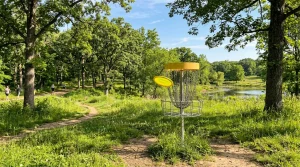
Navigating the world of disc golf can feel overwhelming, especially with so many courses available across the U.S. Did you know that there are over 8,000 disc golf courses nationwide? Whether you’re a seasoned pro or just starting out, having access to a complete directory is essential for finding the best locations to practice and play. Our “U.S. Course Directory: Complete Listing” is designed to meet your needs, helping you discover courses that fit your skill level, preferred scenery, and local community. This resource not only highlights course details but also connects you with fellow enthusiasts, tips, and upcoming events. As you explore the rich variety of disc golf options, you’ll find everything from scenic parks to competitive layouts, enriching your playing experience and fostering your passion for the sport. Dive in, and let us guide you to your next disc golf adventure!
Understanding the U.S. Course Directory: Purpose and Importance
Understanding the U.S. Course Directory serves as a vital resource for players at all levels of disc golf. This comprehensive listing not only showcases a vast array of courses but also plays a crucial role in uniting the disc golf community by facilitating connections between players and their favorite local spots. With over 8,000 courses in the United States alone, navigating this rich tapestry of options can seem daunting-yet it’s essential for honing skills and exploring new challenges.
This directory fulfills several important purposes. Firstly, it acts as an accessible map for newcomers eager to learn the sport, providing insights into beginner-friendly courses where they can develop their skills in a supportive environment. As players progress, they can leverage the directory to discover unique layouts and advanced courses that cater to more competitive play, ensuring they continually improve their game. Additionally, knowing what’s available nearby encourages players to engage with their local disc golf scenes, fostering community involvement and camaraderie.
In essence, the U.S. Course Directory not only highlights essential features such as amenities and course designs but also enables users to make informed decisions tailored to their interests and skill levels. For instance, players looking for family-friendly outings can easily find courses with shorter holes and easier terrain, while seasoned competitors can seek out challenging disc golf setups that test their technical abilities. The directory serves as a bridge between various player experiences, amplifying the sport’s growth and inclusivity.
Ultimately, whether you are a novice picking up a disc for the first time or a seasoned pro hunting for your next challenge, the U.S. Course Directory is an invaluable tool that enhances your disc golf journey. By embracing this resource, players can confidently explore the rich landscape of disc golf courses across the country, cultivating not just their game but also their passion for this vibrant sport.
How to Navigate the Complete Course Directory
Navigating the extensive U.S. Course Directory may initially seem overwhelming given the sheer number of courses available-over 8,000! However, with a bit of guidance, you can easily find the perfect course that fits your skill level and preferences. Start by making use of digital filters available on many directory platforms. These filters allow you to search for courses based on various criteria such as location, difficulty level, course length, and amenities. For example, if you’re a beginner looking for a family-friendly course with shorter holes and clean facilities, you can simply set the filters to reflect these preferences, helping you quickly narrow down your options.
When you find a course that interests you, take the time to read course reviews and player experiences shared in the directory. These personal insights can provide crucial information that you might not find in the course description, such as potential challenges, unique features of the course layout, and even tips for your first visit. Engaging with player comments and local disc golf communities can also enhance your experiences and foster connections with fellow disc golf enthusiasts. You might even find a local player willing to show you around or join you for a round, making your first visit even more enjoyable.
Moreover, familiarize yourself with the map features often included in the directory. Many online resources allow you to zoom in on specific regions, offering a visual representation of course locations relative to your own position. This can be particularly useful during road trips or when you are traveling to a new area; simply search for courses nearby and check their ratings and reviews. Utilizing GPS features on smartphones can also simplify your journey to the chosen course, ensuring that you maximize your time on the course rather than getting lost.
Finally, don’t hesitate to utilize social media or disc golf apps to enhance your experience further. Many players share their favorite courses, valuable tips, and even organize local meet-ups. This type of community engagement is invaluable, especially for newcomers looking to learn more about the sport. By actively participating in discussions and sharing your own experiences in the U.S. Course Directory, you contribute to the growth of this vibrant community while making your own disc golf journey even more rewarding.
Top Courses to Discover Across the U.S
The United States is home to a plethora of disc golf courses that cater to players of all skill levels, from curious newcomers to seasoned competitors seeking their next challenge. Whether you find yourself in the scenic landscapes of Oregon or the vibrant parks of Florida, there’s a course waiting for you to explore. Highlighting a selection of standout courses can inspire your disc golf journey and help you identify the best spots across the country.
Must-Visit Courses
One of the premier destinations for disc golf enthusiasts is the *Maple Hill Disc Golf Course* in Massachusetts. Renowned for its beautifully manicured fairways and diverse layout, Maple Hill offers both beauty and complexity, making it a favorite among professionals and casual players alike. Regularly hosting major tournaments, such as the PDGA’s Maple Hill Open, it’s an essential stop for anyone serious about their disc golf game.
Out West, the *DeLaVeaga Disc Golf Course* in California is famed for its challenging terrain and breathtaking views overlooking Santa Cruz. The course features a mix of wooded and open holes that require a variety of throwing techniques, perfect for players looking to hone their skills. Moreover, the vibrant local disc golf community provides a welcoming atmosphere for visitors eager to engage and learn.
For those residing in or visiting the Southeast, *Hornets Nest Park* in North Carolina is not to be missed. This course is praised for its strategic layout and well-maintained grounds. With a mix of beginner and advanced sections, Hornets Nest offers something for everyone, making it a great spot for families or competitive players looking to practice before local tournaments.
Utilizing the Course Directory
When searching for the right course, consider leveraging the built-in filters of online directories to identify what meets your needs-be it by difficulty level, amenities, or user reviews. Each course will present unique features, and reviewing player comments can provide insights into what to expect, from the distances of the holes to the best times to visit.
Remember, visiting different courses not only expands your experience but also connects you to the broader disc golf community. Engaging with locals can lead to valuable tips and possibly new friends for your future rounds. So pack your discs and hit the road-adventure and improvement await on the fairways!
Essential Features of Disc Golf Courses
The charm of disc golf lies in the diverse array of courses that challenge players’ skills while immersing them in nature. contribute greatly to the overall experience, offering everything from strategic layouts to variations in hole design that cater to different skill levels. The right course can enhance gameplay, improve technique, and create unforgettable memories for players-both new and experienced.
One critical aspect of any course is its layout, which dictates the flow of play and the type of shots required. Courses typically range from wide-open spaces to densely wooded areas with technical throws. Players will encounter various pin placements, which can change the difficulty level from day to day. For instance, courses like *Taylor Park* highlight the beauty of natural landscapes while presenting challenges such as trees and water hazards, encouraging players to adapt their throwing techniques [[2]].
Another important feature is the condition of the course itself. Well-maintained fairways, clear signage, and clean rest areas can significantly enhance the playing experience. Local disc golf communities often take pride in their courses, ensuring they remain accessible and enjoyable for all. Amenities such as practice baskets, parking availability, and restrooms also play a vital role-especially during tournaments or busy days when larger groups gather.
When exploring the vast directory of U.S. disc golf courses, it’s helpful to understand how each course’s unique features can cater to various needs. Beginner-friendly courses might have shorter, straightforward holes designed for skill development, while advanced courses challenge seasoned players with intricate design and elevation changes. Ultimately, recognizing these features not only aids in selecting the right play environment but also deepens appreciation for the sport’s strategic elements and community spirit.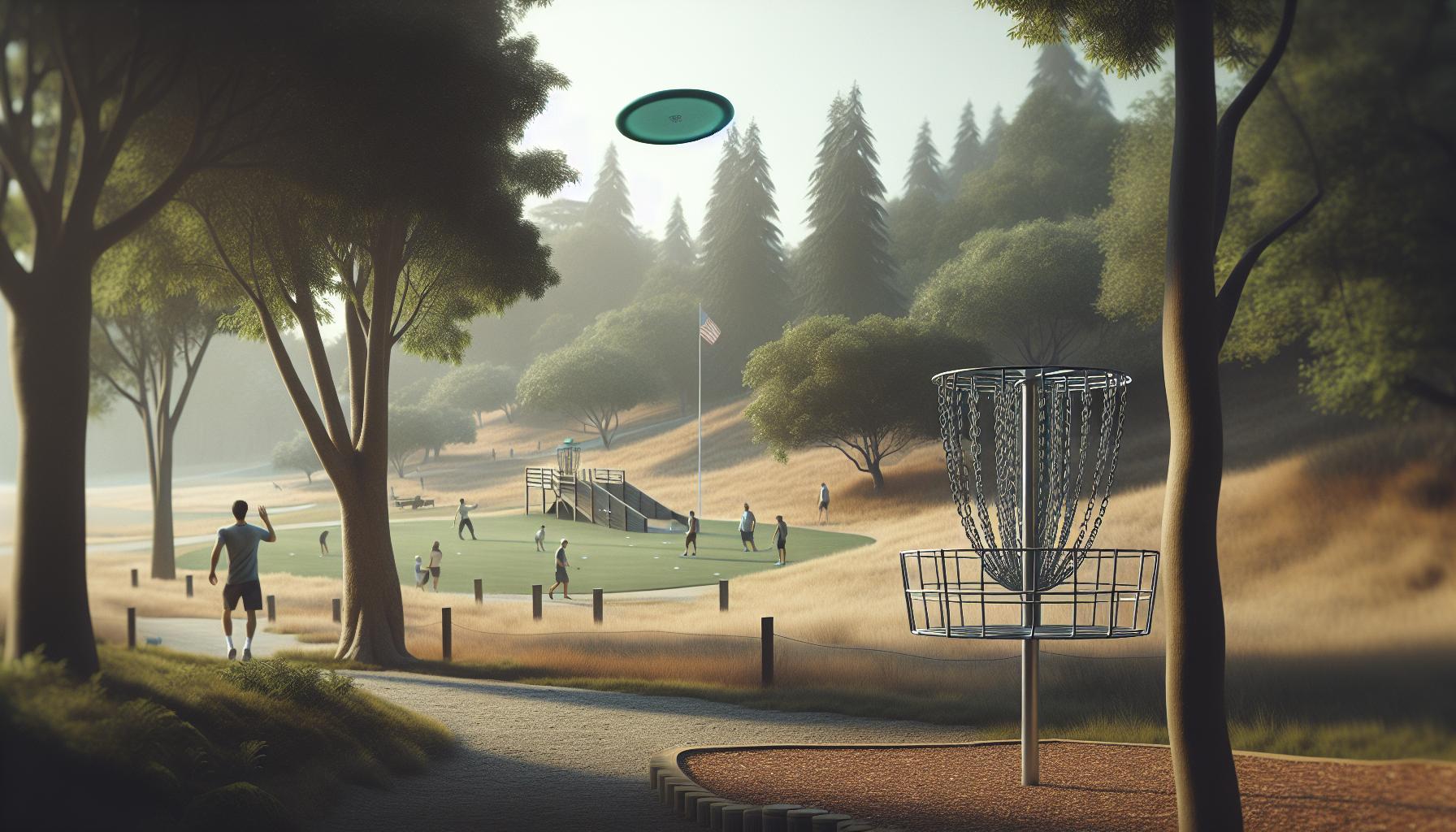
Course Ratings: What They Mean and How to Use Them
Course ratings play a crucial role in helping players navigate the diverse landscape of disc golf courses available across the United States. With ratings typically provided on various platforms such as Disc Golf Course Review, they offer insight into a course’s difficulty level, layout intricacies, and overall player experience. Understanding how to interpret these ratings can significantly enhance your selection process, whether you’re a novice looking for a welcoming environment or a competitive player seeking to refine your skills on more challenging terrain.
When assessing a course’s rating, you’ll often encounter a numerical value that reflects community feedback. Higher ratings usually indicate a more favorable course experience, taking into account factors such as maintenance, variety in hole design, and the level of challenge presented. For example, a course with a rating above 4.0 is often considered well-maintained with exciting layouts, while those rated below 3.0 may be flagged for issues like poor signage, crowded play areas, or inadequate facilities. Familiarizing yourself with these ratings allows you to set realistic expectations and choose courses that match your skill level.
Furthermore, it’s beneficial to read reviews in conjunction with the ratings. Players often share personal experiences that detail aspects of the course not captured by a simple number-like specific obstacles you may encounter or the friendliness of the local disc golf community. This qualitative feedback is invaluable, particularly for new players who may not yet understand what constitutes a “technical” course versus one that is more suited for recreational play.
Whether you’re looking to join locals at well-loved courses or explore hidden gems, utilizing these ratings effectively can help you discover disc golf experiences that align with your goals, whether they be competitive or leisurely. Engaging with the community through reviews and feedback not only guides your course choices but also connects you to the broader disc golf family sharing similar passions.
Exploring Unique Course Design Styles in the U.S
Disc golf courses across the United States showcase a spectacular variety of design styles, making each round a unique adventure. From lush, wooded layouts to open fields featuring tricky wind patterns, the diversity in terrain and design strategies can cater to both beginners looking for an inviting experience and seasoned players seeking a formidable challenge. This versatility not only accommodates different skill levels but also plays a significant role in growing the sport’s appeal.
One common design style is the wooded course, which requires players to navigate through dense trees and off-the-beaten-path fairways. These courses often emphasize accuracy over distance, putting players’ control and strategy to the test. Notable examples include courses in forested parks, where natural obstacles and elevation changes can dramatically influence disc flight. Beginners may find these courses intimidating, but they also provide a perfect environment to practice accuracy and learn the nuances of disc control.
Conversely, open courses challenge players with wide fairways and strategic layouts that incorporate elevation shifts and wind considerations. These designs often favor distance and driving capabilities. The iconic disc golf courses in California, such as those at the DeLaVeaga Disc Golf Course, are prime examples where players face long throws along with elevation drops. Such spaces allow advanced players to unleash their full throwing potential while still challenging novices to refine their power and strategy.
Another unique aspect of course design is the thematic element. Some courses are constructed around specific themes or natural features, creating memorable experiences. For instance, courses with water hazards test players’ nerves by introducing elements like lakes or ponds that can lead to penalty strokes. A well-known example is the course at Lake Havasu, where players must carefully place their throws to avoid going out of bounds.
Undoubtedly, understanding these various design styles can enhance your disc golf journey. Whether you are tackling a technical wooded route or experimenting on an open field, each course offers a chance to learn and adapt your skills. Reflecting on your experiences at different locations may even inspire your course design aspirations, ultimately contributing to the dynamic evolution of disc golf in the United States.
Finding Disc Golf Courses Near You: Tips and Tools
Discovering the perfect disc golf course near you is an essential step in enhancing your skills and enjoying the sport. With the rapid growth of disc golf across the United States, there are various tools and resources available to help players of all levels locate and explore course options in their area. Whether you’re a seasoned competitor or just starting out, having easy access to a variety of layouts ensures that you’ll never be short of a fresh challenge or a new learning experience.
One of the best ways to find disc golf courses nearby is through dedicated websites and mobile applications. Platforms like UDisc or Disc Golf Course Review provide comprehensive databases with user-generated reviews, course maps, and essential details such as hole lengths, pars, and amenities. These tools often include filters that allow you to search by skill level, terrain type, or even course ratings, making it simple to identify which locations fit your goals.
Additionally, social media groups and local disc golf clubs can be invaluable resources for finding hidden gems that may not be listed on mainstream directories. Many communities host regular meetups, which are perfect opportunities not only for learning from experienced players but also for networking and discovering new courses. Engaging with local players can provide insights into which courses are best for practicing specific skills, like putting or driving, and which are suited to casual play among friends.
For those who prefer an interactive approach, consider using apps that feature GPS technology. These applications can provide real-time directions, allow you to check in at specific courses, and even track your progress and scores during your rounds. Utilizing these resources not only enhances your experience on the course but also connects you to a vibrant disc golf community eager to share tips, strategies, and invite newcomers to join in on the fun.
In summary, locating disc golf courses near you has never been easier. By leveraging technology and community resources, you can uncover an array of options to suit your style, skill level, and personal goals. Whether you’re seeking a casual outing, honing your skills, or gearing up for competition, the right information is just a few taps away, allowing you to focus on what really matters-enjoying the game and improving your play.
Beginner-Friendly Courses: Where to Start Your Journey
Stepping into the world of disc golf is an exhilarating experience, especially for beginners eager to develop their skills while enjoying the outdoors. The U.S. offers a plethora of accessible and welcoming courses that are perfect for new players. These beginner-friendly courses typically feature shorter holes, relaxed difficulty, and a moderate layout that encourages exploration and enjoyment rather than competition. Whether you’re practicing your throws or learning basic techniques, these courses provide a supportive environment where you can grow as a player.
One of the first aspects to consider is the course layout. Beginner courses often have a mixture of straightforward paths and strategically placed obstacles that help players learn to navigate the game without feeling overwhelmed. Look for courses that highlight par 3 holes; they are ideal for newcomers as they allow players to practice their drives and approach shots within a manageable distance. Additionally, easy-to-read signage and clear fairways make it simpler to understand each hole’s layout, enhancing the overall learning experience.
When searching for beginner-friendly courses, utilize resources like Disc Golf Course Review, which features user-generated reviews and detailed course maps. Filtering by difficulty level will point you to places that match your skill set. Community resources such as local disc golf clubs and social media groups are also fantastic tools. Many experienced players are eager to share their favorite beginner courses or even organize fun outings specifically tailored to newcomers. This not only helps you practice your skills in a low-pressure setting but also connects you with a vibrant community of fellow players.
Lastly, consider other players’ stories about their early experiences on the course. Many seasoned disc golfers will describe how starting on beginner-friendly layouts made them feel confident and eager to improve. Remember, every expert was once a beginner, and nurturing your passion from the start can lead to a fulfilling journey in this exciting sport. By choosing the right courses and engaging with the community, you will not only develop your skills but also enjoy the camaraderie that disc golf offers to players of all levels.
Advanced Courses for Competitive Players
The challenge of disc golf heightens significantly on advanced courses, which are meticulously designed to test a player’s skills, strategy, and mental fortitude. These courses feature longer, more complex layouts that include varied terrain, elevated baskets, and intricate obstacles. Each hole demands a precise understanding of disc flight characteristics, making them ideal for competitive players who are eager to push the boundaries of their game.
Course Features That Challenge the Elite
When looking for advanced courses, consider those that provide a mix of the following features:
- Length: Advanced courses often have longer hole distances, requiring players to utilize their full range of throws, from forehands to backhands, and even specialty shots like hyzer flips.
- Elevation Changes: Courses that incorporate elevation changes enhance the complexity, offering both uphill and downhill throws that can significantly impact flight paths and strategies.
- Strategic Obstacles: Unique design elements, such as trees, water hazards, and man-made structures, force players to carefully plan their shots, mitigating risk and enhancing the overall challenge.
Expect to encounter different types of challenges within a single course, each requiring a distinct method of play and strategic thinking. A round on these courses not only tests technical skills but also your decision-making under pressure, as one miscalculated throw can lead to a significant score increase.
The Importance of Course Ratings
To navigate the U.S. course directory effectively, familiarize yourself with course ratings and reviews. These metrics provide invaluable insights into course difficulty, as assessed by other experienced players. For example, the ratings on platforms like Disc Golf Course Review can help you gauge whether a course suits your competitive edge. Look for courses with ratings that reflect the skill level of your current game, but don’t shy away from pushing your limits; tackling a slightly more difficult course can accelerate your growth.
Additionally, players often share their experiences and strategies on specific advanced courses. Engaging with the community, either through local clubs or online forums, can uncover hidden gems that may not be featured prominently on course rating sites.
By strategically selecting advanced courses that feature challenging layouts and unique characteristics, players can cultivate their skills while enjoying the camaraderie and competitive spirit that disc golf fosters. Embrace the challenge, learn from each round, and contribute your experiences to the growing disc golf community.
Local Championships and Course Events
Engaging in is one of the most exhilarating aspects of the disc golf community, allowing players to test their skills, meet fellow enthusiasts, and immerse themselves in a vibrant competitive atmosphere. These events are not only about scoring; they’re also opportunities to experience camaraderie, strategy, and the thrill of competition. Whether you’re a seasoned player or a newcomer, participating in these gatherings can greatly enhance your understanding of the game and its intricate demands.
Local championships are often held at various courses listed in the U.S. Course Directory, bringing together players from different skill levels to compete in a friendly yet challenging environment. These tournaments vary in format, from traditional stroke play to more innovative styles like match play or team competitions. For instance, many events include divisions for beginners, intermediates, and advanced players, ensuring that everyone has a chance not only to compete but to shine. Engaging in these events can be an incredible way to gauge your current skill level, as you will be facing individuals with varying techniques and strategies.
Maximizing Your Championship Experience
To get the most out of local championships, consider the following tips:
- Preparation: Familiarize yourself with the course layout before the event. Understanding the unique features of the course-such as its length, elevation changes, and strategic obstacles-can have a significant impact on your performance.
- Practice Rounds: If possible, participate in practice rounds prior to the tournament. This will help you adapt your throwing mechanics and develop a plan for tackling each hole.
- Join the Community: Engaging with local disc golf clubs or forums can provide insight into upcoming events and player strategies, enhancing your competitive edge.
Local events also often feature additional activities like clinics, food stands, and merchandise vendors, creating an inviting atmosphere that encourages participation and fun. Even if competition isn’t your primary goal, attending these events as a spectator can be educational; watching skilled players navigate the course can inspire you to refine your technique and approach.
Participating in local championships not only caters to your competitive spirit but also solidifies your place within the disc golf community. You’ll build relationships with fellow players, learn from their experiences, and may even discover mentoring opportunities that help elevate your game to the next level. Embrace the spirit of competition and enjoy the enriching experience that comes with every local event you attend.
What to Expect from Course Amenities and Facilities
When you arrive at a disc golf course, the amenities and facilities can significantly enhance your experience, whether you’re a seasoned player or just starting out. Most well-maintained courses will provide essential features that contribute to both comfort and convenience, making your visit one to remember. Expect to see parking areas, restrooms, and practice putting greens as standard offerings at many sites. These facilities allow for a smoother and more enjoyable day on the course, giving you the opportunity to warm up and prepare adequately before your round.
Many disc golf courses also incorporate picnic areas, shelters, and benches along the fairways, creating inviting spots for players to relax or enjoy a meal between rounds. This community-oriented approach fosters a sense of camaraderie among players, encouraging interactions and connections both on and off the course. Additionally, some courses may feature pro shops or vending options, allowing you to grab snacks, drinks, or even new discs before heading out.
Community and Maintenance
The upkeep of facilities can greatly influence your overall experience. Regular maintenance not only ensures that the course is playable but also enhances the aesthetic appeal, which contributes to an enjoyable atmosphere. Some courses engage local clubs or community volunteers to help with maintenance, creating a deeper sense of ownership and pride among players. Check the course reviews and community feedback on platforms like [Disc Golf Course Review](https://www.dgcoursereview.com/) to gauge the quality of facilities and see what others have experienced.
Ultimately, the right amenities can elevate a round of disc golf into a memorable outing. Whether you’re new to the sport or looking to join a local disc golf community, knowing what to expect in terms of facilities can help you plan your visits effectively and maximize your enjoyment on the course.
Community Spotlight: Player Stories and Experiences
The camaraderie found within the disc golf community is a powerful force that transforms individual experiences into shared memories, making each course a backdrop for personal stories and collective joy. Imagine stepping onto your local course, where every basket holds a memory, and every hole is a new adventure beckoning you to refine your skills or reconnect with friends. Whether you are a rookie throwing your first hyzer or a seasoned player aiming for a birdie, these courses serve as gathering spots that deepen connections.
Many players have found that the journey through the U.S. Course Directory has led them to discover not just courses, but essential community links. For instance, several individuals have shared how a quick trip to a new course turned into a thriving friendship with locals who graciously offered tips, shared disc selections, and even invited them to join weekend tournaments. These interactions often lead to lasting relationships that extend beyond the fairways, fostering a vibrant community spirit that is rich and welcoming.
Moreover, players frequently highlight the importance of course reviews and player feedback. Platforms like Disc Golf Course Review provide a valuable space for players to share their experiences, which can help newcomers navigate the nuances of different courses. Many seasoned players recommend looking into community events or local championships, often listed in these reviews, as they provide opportunities to compete, learn, and bond with fellow enthusiasts. These events not only elevate the competitive edge but also echo the essence of disc golf as a sport that celebrates both skill and friendship.
Creating shared experiences around disc golf courses enriches the sport, emphasizing not only personal growth in skills but also collective strength as a community. Players are encouraged to engage with local clubs, participate in volunteer maintenance days, or join leagues that meet regularly. Each of these activities not only improves the environment of the courses but also cements the foundation of friendships and experiences that define the soul of disc golf.
Q&A
Q: How can I find disc golf courses near me?
A: To locate disc golf courses nearby, use online directories like the U.S. Course Directory or apps dedicated to disc golf. These platforms often provide maps, course details, and user reviews, making it easier to choose a location that fits your skill level and preferences.
Q: What should I consider when choosing a disc golf course?
A: When selecting a disc golf course, consider the course rating, difficulty level, and amenities offered, such as practice areas and restroom facilities. Additionally, check user reviews and feedback to gauge others’ experiences, helping ensure you have an enjoyable visit.
Q: What are the benefits of using the U.S. Course Directory?
A: The U.S. Course Directory provides comprehensive listings of disc golf courses, allowing players to search by location, ratings, and amenities. This ensures you find suitable courses that match your skills, whether you’re a beginner or advanced player.
Q: Are there championships or events at local disc golf courses?
A: Yes, many local disc golf courses host tournaments and events throughout the year. Check the course’s website or social media pages for upcoming competitions, as these can provide excellent opportunities for players to compete and meet fellow enthusiasts.
Q: How do course ratings for disc golf courses work?
A: Course ratings reflect the difficulty level of a disc golf course, typically on a scale from easy to hard. These ratings consider factors like length, terrain, and obstacles. Choosing a course suited to your skill level can enhance your overall experience and enjoyment.
Q: How can I improve my skills at beginner-friendly disc golf courses?
A: To improve at beginner-friendly courses, focus on practicing fundamental skills such as throwing techniques, putting, and course strategy. Engaging in local player communities can also provide valuable tips, encouragement, and shared experiences to boost your progress.
Q: Where can I read reviews about disc golf courses?
A: You can find reviews of disc golf courses on specialized websites, the U.S. Course Directory, or social media platforms. User feedback on course quality, accessibility, and amenities can help you make informed decisions about where to play next.
Q: What amenities should I expect at a disc golf course?
A: Disc golf courses often provide various amenities, including restrooms, parking, seating areas, and practice baskets. Some courses may also have on-site shops or rental options. Always check the course listing beforehand to know what to expect during your visit.
In Conclusion
Thank you for exploring the “U.S. Course Directory: Complete Listing.” We hope you’ve discovered valuable insights to enhance your disc golf journey, from learning about various courses to understanding gameplay strategies. Don’t miss out on the opportunity to deepen your knowledge-check out our guides on disc flight characteristics and throwing mechanics for a more comprehensive experience.
Ready to take action? Now is the perfect time to sign up for our newsletter, where you’ll receive updates on new courses, expert tips, and exclusive member resources directly to your inbox. If you have questions or want to share your thoughts, feel free to leave a comment below. Your engagement helps us create a thriving disc golf community. Keep exploring our site for more on tournament strategies and equipment comparisons, and let’s grow together in this exciting sport!
Get our latest guides, news, and insights highlighted in your Google Search & AI Overviews.