Disc golf basket dimensions is an essential factor in modern disc golf course play, equipment setup, and tactical execution. Our comprehensive guide provides actionable course tips, disc flight mechanics, equipment recommendations, and tournament-tested strategies to help disc golfers optimize their scoring and course performance.
Disc golf is an intriguing blend of precision, strategy, and community spirit that has captivated players of all skill levels. Central to this sport is the disc golf basket, and understanding its dimensions is crucial for both newcomers eager to learn and experienced players striving for excellence. The basket’s size can affect gameplay, accuracy, and even your overall strategy on the course.
In this article, we’ll explore the exact specifications of a disc golf basket, offering insights that help you appreciate its role in the game and how it influences your throwing mechanics. Whether you’re looking to improve your putting skills or simply want to understand the equipment better, knowing the dimensions will enhance your disc golfing experience. Stay with us as we uncover the details that can take your game to the next level!
Understanding Disc Golf Basket Dimensions and Importance
The dimensions of a disc golf basket play a crucial role in the gameplay experience, influencing everything from how players strategize their throws to the overall enjoyment of the game. The standard disc golf basket, as defined by the PDGA (Professional Disc Golf Association), typically has a height of 1.25 meters (approximately 4 feet) from the ground to the top of the basket, with a minimum diameter of 0.53 meters (about 21 inches). This sizing ensures that discs have a high chance of staying in the basket, promoting successful putts and enhancing player satisfaction during rounds.
Understanding the importance of these dimensions extends beyond simply meeting regulations. A properly sized basket allows for a consistent challenge across courses, ensuring players can gauge their skill level against similar targets. Moreover, the basket’s height and diameter create a balance between difficulty and accessibility, encouraging players of all ages and skill levels to participate. The PDGA-approved baskets must meet these specifications to ensure fairness in competitive play, making them essential for tournaments and club events.
In addition, the design of the basket, including the number and arrangement of chains, contributes to the playability and retention of discs. A well-designed basket not only meets the height and diameter standards but also features an efficient chain assembly that minimizes spit-outs and enhances the success rate of putts. This interplay between dimensions and design makes the choice of a disc golf basket pivotal for course builders and enthusiasts alike, reinforcing the community aspect of the sport and helping to foster an environment where players can improve their skills and enjoy the game more fully.
Ultimately, whether you’re a casual player or a serious competitor, understanding these dimensions and their implications will help you appreciate the technical aspects of your game and choose the right basket for your needs.
Key Specifications of a Disc Golf Basket
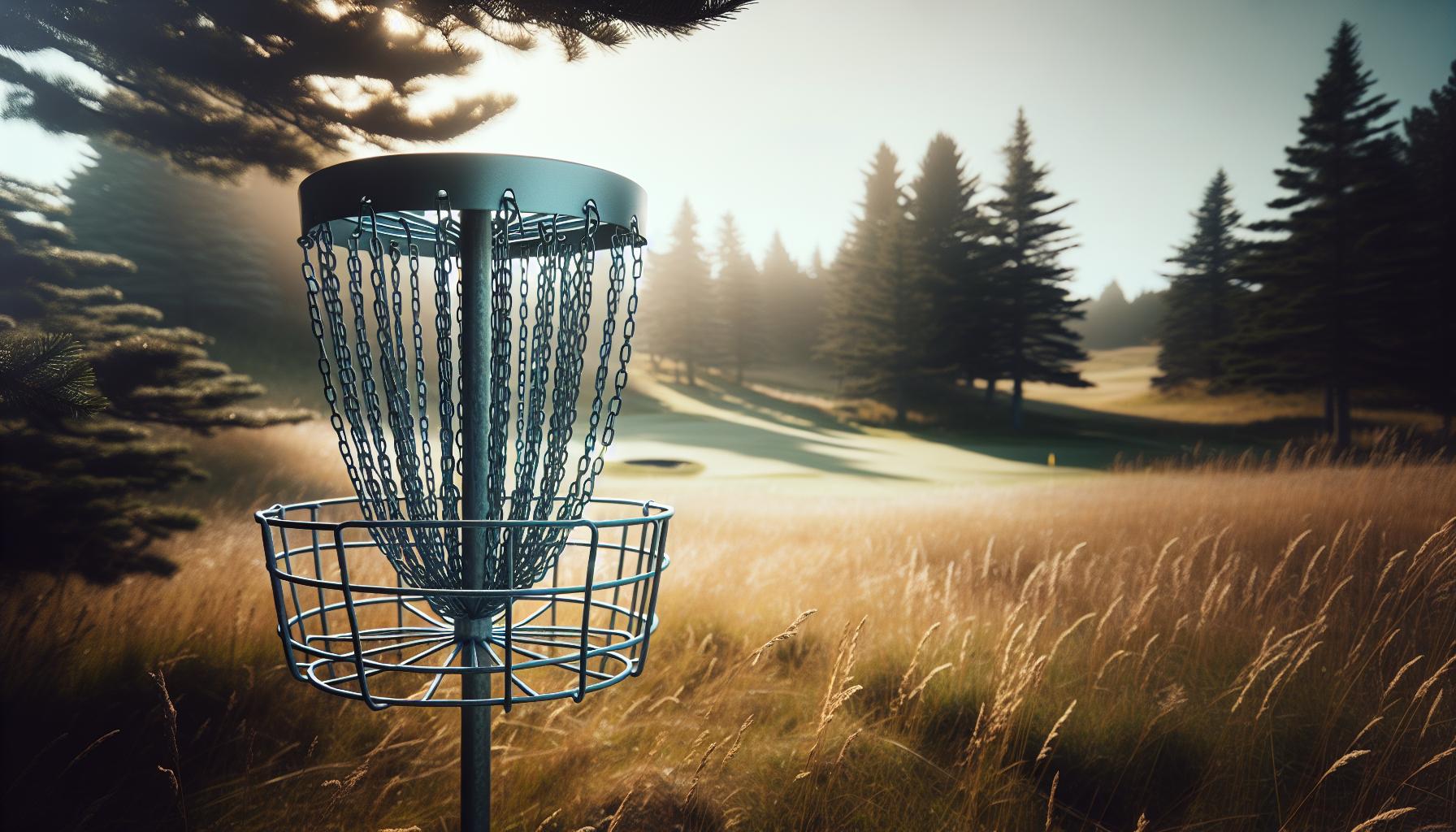
The specifications of a disc golf basket are not just numbers; they are the foundation of the game itself, influencing how players engage with the course and each other. Understanding these key specifications can significantly impact your game, whether you’re a beginner learning the ropes or a seasoned pro perfecting your strategy. A PDGA-approved disc golf basket typically features a height of 1.25 meters (approximately 4 feet) and a minimum diameter of 0.53 meters (around 21 inches). These dimensions are critical as they ensure that discs have a sufficient target area for successful putts, promoting player confidence and enhancing overall enjoyment.
When selecting a basket, it’s important to consider various specifications beyond just height and width. The chain configuration is particularly relevant, as it determines how effective the basket is at catching discs. A basket with multiple rows of chains and a sturdy design can greatly reduce the chances of spit-outs, resulting in a more satisfying putting experience. Furthermore, baskets come in different constructions, with materials ranging from durable steel to lightweight plastic. For instance, a heavy-duty metal basket is more stable and resistant to wind, making it a better option for outdoor courses subject to the elements.
The weight of the basket also plays a role in its stability and usability. Permanent baskets are generally heavier, providing enhanced stability, while portable options are lighter, making them easy to transport but potentially less stable in windy conditions. This distinction is crucial for players or course designers to consider, as the type of basket can affect gameplay dynamics.
To help you make the right choice, here’s a quick overview of specifications to consider when evaluating disc golf baskets:
| Specification | Description |
|---|---|
| Height | 1.25 meters (4 feet) |
| Diameter | Minimum of 0.53 meters (21 inches) |
| Chain Configuration | Multiple rows, varied links for better disc retention |
| Material | Steel, plastic, or composite for durability and stability |
| Weight | Permanent: heavier for stability; Portable: lighter for mobility |
By grasping these specifications, players can better understand how their choice of basket impacts their game, ultimately leading to more enjoyable rounds and improved skills. Whether you’re playing casually with friends or participating in more competitive settings, the specifications of your disc golf basket should align with your playing style and goals.
Standard Diameter and Height Measurements Explained
The dimensions of a disc golf basket are not just arbitrary figures; they are essential to the game’s integrity and experience. A standard disc golf basket, approved by the Professional Disc Golf Association (PDGA), stands at a height of 1.25 meters (about 4 feet) and has a minimum diameter of 0.53 meters (approximately 21 inches). These measurements form the target area for players, significantly influencing how they approach putting and overall gameplay.
The height of a disc golf basket is crucial as it mirrors the average putting stance of players, allowing for a range of throwing styles without sacrificing accessibility. With a standard height, even beginners can find confidence in their putts, knowing they are aiming at a regulated target size. Additionally, the diameter ensures that discs have enough space to be caught securely. This is particularly vital during competitive play, where precise throws can make the difference between a win and a loss.
When considering basket specifications, it’s also worth noting that these dimensions contribute to a consistent playing experience across different courses. For instance, players familiar with the standard size can adjust their techniques more easily, as they know what to expect when approaching any disc golf hole. This consistency helps cultivate skill development, as players can focus on perfecting their throws rather than worrying about varying basket sizes.
Incorporating these standard measurements into your game not only enhances your performance but also contributes to the broader community of disc golf. Recognizing the significance of height and diameter fosters respect for the rules and regulations that maintain the sport’s integrity, allowing players of all skill levels to unite in their passion for disc golf.
Materials and Construction of Disc Golf Baskets
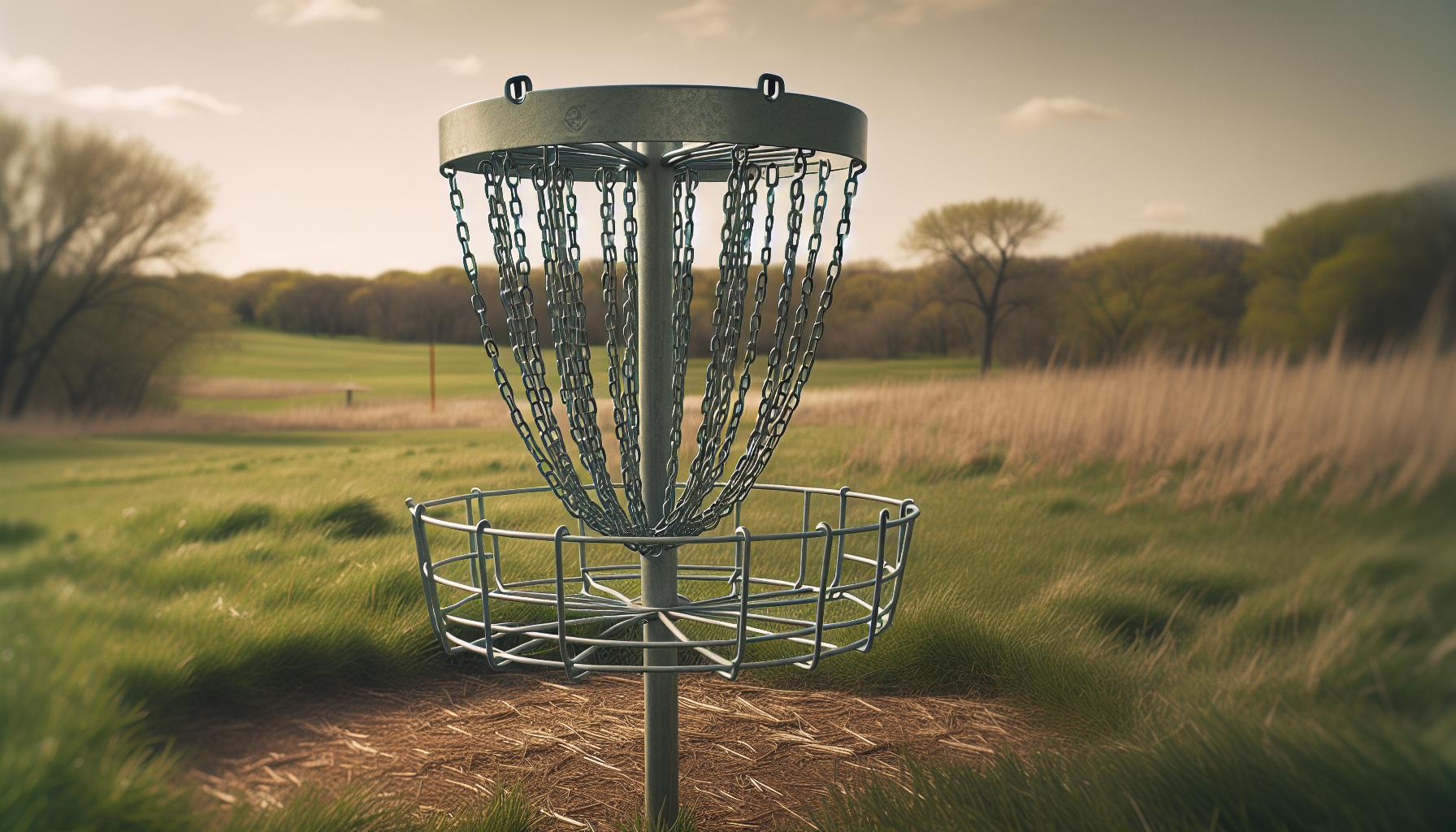
The construction and materials used in disc golf baskets play a pivotal role in their performance and longevity. A well-constructed basket not only withstands the elements but also provides a reliable target for players, regardless of skill level. Most disc golf baskets are crafted from durable materials such as galvanized steel or stainless steel, which resist rust and corrosion. Additionally, many baskets feature powder-coated finishes that enhance durability and further protect against weathering while offering vibrant color options for customization.
Components of Disc Golf Baskets
When evaluating the materials and construction of a disc golf basket, it’s essential to consider its main components, including the following:
- Inner Pole: Typically constructed from heavy-duty metal, the inner pole provides structural integrity and stability.
- Chain Configuration: Chains are generally made from galvanized steel and vary in thickness and design, significantly affecting how discs interact with the basket during play.
- Target Bowl: The bowl, where discs rest upon successful putts, is often made of sturdy metal and designed with holes for the chains to hang down, ensuring all discs catch correctly.
- Base: A solid base supports the entire structure and can either be portable or permanent, influencing the stability of the basket.
Impact of Material Quality
High-quality materials not only mitigate wear and tear but also enhance the aesthetic appeal and functionality of baskets. Cheaper options may be tempting but often fail to hold up over time, leading to costly replacements. Investing in a well-manufactured disc golf basket assures players of a consistent target that can withstand regular use, whether in backyard practice sessions or busy public courses.
In addition to traditional materials, innovations such as lightweight composites are increasingly being adopted for portable baskets. These offer easy transport and setup while still maintaining a reasonable level of durability. For established players and newcomers alike, understanding these construction elements is crucial in selecting the right basket that aligns with personal play styles and requirements.
Ultimately, the choice of materials and construction determines not only the basket’s performance but also its contribution to the overall playing experience in the sport of disc golf. Each component plays a part in ensuring that players feel confident in their offers, which ultimately enhances the joy and challenge that the game provides.
Basket Chain Configuration: How It Affects Play
The configuration of chains on a disc golf basket plays a crucial role in determining how well discs interact with the target upon landing. The design and arrangement of these chains can significantly influence gameplay, affecting everything from the rate of successful putts to the overall gameplay experience. A well-configured chain setup ensures that discs catch effectively, while poorly designed chains might lead to frustrating spit-outs and missed opportunities.
Most disc golf baskets utilize a combination of upper and lower chains, typically structured in a tiered formation. The uppermost chains are primarily responsible for stopping discs before they enter the basket, creating an initial cushion that helps catch incoming shots. These chains can vary in thickness, with thicker chains being more durable but often leading to more rebounds. On the other hand, thinner chains may provide a softer catch but might wear out quicker over time. The interplay between chain diameter and spacing can determine how forgiving a basket is; more widely spaced chains can increase the chances of a disc entering the basket, while tightly configured chains may require more precision from the player.
Additionally, the angle at which the chains are set can also impact play. Chains that hang straight down may create a more direct path for discs to fall into the basket, whereas chains angled outward could lead to more deflections. For players, this means understanding the nuances of their chosen basket and adjusting their throwing techniques accordingly. Experienced players often gravitate towards baskets with chain configurations that suit their preferred play styles, whether they favor aggressive putting or a more cautious approach.
When selecting a disc golf basket, potential buyers should pay attention not only to the overall construction and material quality but also to the chain configuration. Testing different baskets at local courses can provide valuable insights into which setup best complements individual throwing mechanics. With the right configuration, players can enhance their confidence during gameplay and ultimately enjoy a more rewarding disc golf experience, whether practicing alone or competing in tournaments.
Weight and Stability Factors for Disc Golf Baskets
The weight and stability of disc golf baskets are critical factors that influence gameplay, especially in varying environmental conditions. A well-constructed basket not only needs to be standardized in dimensions but also heavy enough to resist tipping over or moving from its set position. Generally, a permanent disc golf basket weighs between 50 to 75 pounds, whereas portable versions typically range from 25 to 45 pounds. This weight difference is important as it affects the basket’s ability to withstand wind or collisions during play.
For outdoor courses, selecting a heavier, permanent basket provides the stability needed for serious competition. These baskets tend to have a solid base and can be cemented into the ground, reducing the risk of them shifting or tipping during a round. This consistency in basket positioning is vital for players looking to improve their accuracy and putting skills, as it ensures that the basket reacts the same way across multiple rounds.
Conversely, portable baskets, while convenient for temporary setups or casual play, may require additional weights or anchors to enhance stability. For instance, players might utilize sandbags or other heavy objects to secure these baskets during windy conditions or when used on uneven terrain. However, these setups need to be managed carefully, as they can impact the overall gaming experience – a basket that sways or shifts can lead to frustration and less predictable putts.
When narrowing down your options for a disc golf basket, consider factors such as the intended use (casual versus competitive), weight requirements, and your playing environment. If you frequently play in windy locations or plan on hosting tournaments, investing in a heavier, more stable basket will undoubtedly enhance both the challenge and enjoyment of the game. Always remember, the right equipment leads to the best experience on the course!
Comparing Portable vs. Permanent Baskets
When it comes to choosing a disc golf basket, understanding the differences between portable and permanent options is crucial. Each type has its own set of benefits and considerations, influencing your gameplay experience and specific needs as a player. For those new to the sport or seasoned competitors seeking convenience or reliability, making an informed decision can significantly enhance your enjoyment on the course.
Permanent baskets are the backbone of disc golf courses, offering robust stability and consistent dimensions. Typically weighing between 50 to 75 pounds, these baskets are designed to stay securely in place, even in windy conditions. Their construction often includes durable materials like galvanized steel and can be cemented into the ground, providing a solid foundation that resists shifting. This stability is particularly beneficial for serious players focused on honing their putting skills. Ensuring the basket does not sway or wobble allows players to develop muscle memory for their shots, leading to improved performance over time.
On the other hand, portable baskets are ideal for casual play, practice sessions, or events where flexibility is key. Weighing between 25 to 45 pounds, they are lighter and easier to transport, making them perfect for setting up temporary courses or bringing the game to parks and backyards. However, their stability is often a concern; these baskets frequently require weight additions or anchors to prevent them from moving during play. For example, sandbags can secure portable baskets during breezy conditions, though careful management is necessary to maintain a consistent gameplay experience.
When deciding between the two, consider factors such as your frequency of play, environment, and whether you prioritize portability or stability. If you often play in varying conditions, particularly in competitive settings, investing in a high-quality permanent basket will enhance both your practice and competition experience. Conversely, if you enjoy spontaneous games with friends or wish to set up courses in different locations, a portable option might be the better choice. Ultimately, each type serves a distinct purpose, and knowing your needs as a player will guide you to the right selection. Embrace the growing disc golf community while ensuring that your basket choice elevates your overall game!
Disc Golf Basket Regulations for Tournaments
In the dynamic world of disc golf, regulations surrounding baskets play a pivotal role in ensuring a fair and standardized competitive experience. Understanding these regulations not only helps players prepare for tournaments but also fosters a deeper appreciation for the nuances of the game. Tournament regulations primarily come from the Professional Disc Golf Association (PDGA), which oversees and maintains a set of guidelines that every competitive disc golfer should be familiar with.
Disc golf baskets used in official tournaments must meet specific dimensional criteria to ensure uniformity across all playing fields. According to the PDGA standards, a basket must have a minimum height of 1.2 meters (approximately 48 inches) from the ground to the bottom of the basket’s upper rim. Additionally, the target area-the chains and their configuration-must be designed to capture discs effectively. This includes having a standard diameter of 0.5 meters (about 19.7 inches) for the upper basket opening. The horizontal spacing and arrangement of chains are crucial as well, as they directly impact the likelihood of disk retention upon hitting the target.
Furthermore, the construction material is key to a basket’s compliance with tournament standards. Baskets should be made from durable materials that can withstand various weather conditions while remaining functional and aesthetically pleasing. Most tournament-grade baskets are composed of galvanized steel, which prevents rust and degradation over time, ensuring they remain reliable throughout the competition season.
To ensure fairness, all baskets used in competition must be checked and approved prior to the tournament. It’s the responsibility of the tournament directors to verify that each basket’s specifications align with the PDGA requirements. This includes inspecting the stability and weight of the baskets-permanent baskets are generally heavier than their portable counterparts, helping to minimize movement and potential discrepancies in gameplay.
By adhering to these regulations, the spirit of fair play is upheld, allowing competitors to focus on strategy and skill rather than the inconsistencies of their equipment. Players are encouraged to familiarize themselves with these specifications to not only improve their gameplay but to ensure they are well-prepared for any upcoming tournament challenges they may face. Engaging in this way fosters a sense of community among players and helps legitimize disc golf as a serious athletic pursuit.
Common Brands and Models: A Detailed Overview
In the competitive landscape of disc golf, selecting the right basket can significantly elevate your game experience and practice sessions. Understanding which brands and models adhere to PDGA specifications and are favored by players at various skill levels can be immensely beneficial. Here’s a closer look at some of the most reputable brands along with their popular models, helping you make an informed choice for both recreational and competitive play.
Top Brands and Their Models
- Dynamic Discs: Renowned for high-quality baskets, the Dynamic Discs Recruit and Dynamic Discs Rage are popular choices among players. The Recruit, often used for home setups, is lightweight, portable, and conforms to tournament standards. In contrast, the Rage features a heavier construction, making it a reliable option for permanent course installations.
- Innova: A staple in the disc golf industry, Innova offers a variety of models suited for differing needs. The Innova DISCatcher Pro is a tournament-grade basket known for its stability and durability. Its chain configuration optimally captures discs, while the built-in visual aids help players gauge their distance more accurately.
- Gateway: Offering a balance between affordability and quality, Gateway’s Titan and Scout baskets provide excellent durability for casual and competitive use. The Titan features a robust design suitable for long-term outdoor setups, while the Scout is lightweight and easily transportable, ideal for temporary courses or practice.
- MVP Disc Sports: Known for their innovative designs, MVP’s Black Hole line has gained acclaim for both its aesthetics and functionality. The Black Hole Pro is particularly notable for its unique chain arrangement, which enhances disc retention and reduces bounce-outs significantly.
- Prodiscus: With an emphasis on functionality and design, Prodiscus baskets, particularly the Prodiscus Practice Basket, are increasingly popular in training environments. This model is both affordable and easy to assemble, making it great for players looking to improve their putting skills at home.
Choosing the Right Basket
When selecting a disc golf basket, consider the following factors to ensure it meets your needs:
- Purpose: Are you looking for a permanent course installation, or do you need something portable for practice? Your answer will guide your choice.
- Budget: Prices can vary greatly. Identify how much you’re willing to spend versus the features you really need.
- Durability: Look for baskets made from weather-resistant materials if you plan to keep them outside.
- Chain Configuration: Different models have varying chain setups that affect how well they catch discs. Research models that have positive reviews regarding their retention capabilities.
Each of these brand options offers unique features and benefits, making it possible to find the perfect basket that suits your level, style, and budget. Whether you’re practicing your putting skills in the backyard or gearing up for a local tournament, investing in a quality disc golf basket can enhance your overall game experience and performance.
How to Choose the Right Disc Golf Basket for You
Choosing the right disc golf basket is a pivotal decision for both seasoned players and newcomers eager to enjoy the sport. Did you know that the dimensions and specifications of a basket can significantly affect your putting practice and overall game? An official PDGA (Professional Disc Golf Association) approved basket has a specific height of 52 inches and a diameter of 21.5 inches for the target area, ensuring uniformity and consistency in play. This is paramount for developing a reliable putting strategy, as practicing on equipment that matches regulation standards can enhance your tournament readiness.
When making your selection, consider your needs and environment. Are you planning to use the basket primarily at home or for casual play? A portable model may be ideal for recreation in your backyard or at gatherings, allowing for easy transport and setup. Conversely, if you’re aiming to establish a permanent course, investing in a robust, weather-resistant basket that adheres to tournament standards is essential. Look for options constructed from high-quality materials that can withstand outdoor conditions, such as galvanized steel and rust-resistant coatings.
Another important factor to consider is the chain configuration of the basket. Different setups can impact how well discs are retained once they land. For instance, baskets with a larger number of chains and unique angles, like those from MVP Disc Sports, tend to perform better in minimizing bounce-outs, providing a more reliable target during practice sessions.
To assist in your selection process, weigh the basket’s price against its features and your intended use. Reading reviews and seeking recommendations from fellow players can provide insight into the best models available on the market. For example, the Innova DISCatcher Pro is widely praised for its stability and durability, making it a go-to choice for many competitive players. Ultimately, the right basket should enhance your practice experience, improve your game, and fit seamlessly within your budget and playing style.
DIY Disc Golf Basket: Building Your Own Guide
Building your own disc golf basket can be a rewarding project that not only enhances your playing experience but also allows you to customize a basket to suit your specific needs. Whether you’re a newcomer eager to practice putting or a seasoned player wanting to refine your skills without the need for expensive equipment, a DIY disc golf basket can be a budget-friendly and fun option.
To start, it’s essential to understand the key dimensions of a standard disc golf basket, which is typically around 52 inches in height and has a target area with a diameter of 21.5 inches. These specifications ensure that your homemade basket resembles a professional setup, aiding in practice and consistency. When building your basket, consider using durable materials such as galvanized steel for the frame and either mesh or heavy-duty plastic for the catching area. This construction not only provides stability but also protects against the elements if you plan to leave it outside.
Materials Needed:
- Galvanized steel pipe (for the pole and frame)
- Wire mesh or plastic buckets (for the catching area)
- Chains (for the rim)
- Concrete or heavy base materials (for stability)
- Tools (wrench, drill, saw for cutting metal)
Step-by-Step Guide:
- Base Assembly: Start by creating a sturdy base using a 3-foot wide concrete slab or heavy bucket filled with concrete for stability.
- Pole Construction: Attach a vertical pole, at least 4 feet tall, securely to the base.
- Chain and Rim Setup: Create a circular rim by connecting chains to the top of the pole, which will catch the discs. Ensure this rim is at the correct height (around 52 inches from the ground).
- Catching Area: Attach the wire mesh or a series of plastic buckets to the underside of the rim to create the catching area. Make sure it’s wide and deep enough to retain discs that land in it.
- Finishing Touches: Paint your basket in vibrant colors for visibility, and consider adding some decorations that reflect your personal style or love for the sport.
A DIY disc golf basket not only saves you money, but it can also be a fantastic way to involve family and friends in the process. Customize your design to reflect your tastes and use the basket as a gathering point for practice or friendly competitions in your backyard. This will not only sharpen your skills but also deepen your connection with the sport, making it even more enjoyable. By creating your own basket, you contribute to the growing community of basketball enthusiasts and proudly display your craftsmanship while improving your game.
Maintenance Tips for Longevity of Your Disc Golf Basket
Taking good care of your disc golf basket is essential for maintaining its performance and longevity, ensuring you can enjoy many rounds of practice and competition. A well-maintained basket not only enhances your experience but also preserves the investment you’ve made in your equipment. Here are some crucial maintenance tips to help you keep your disc golf basket in top condition.
Regularly inspect your basket for any signs of wear or damage. Look for rust, particularly in areas susceptible to moisture, such as the base and chain links. If you notice any rust spots, treat them promptly with sandpaper and a rust-inhibiting primer before repainting those areas with weather-resistant paint. This will protect the surface and extend the life of your structure.
For baskets that are left outside, consider covering them during inclement weather or bringing them indoors when not in use. This prevents unnecessary exposure to harsh elements that could weaken the materials over time. If your basket has a painted finish, routine cleaning with a mild soap solution can help maintain its appearance, while also removing any dirt or debris that might gather, potentially blocking the catching area.
Another area to pay attention to is the chain configuration. Over time, chains can become loose or stretched, affecting their ability to catch discs effectively. Check the tightness of each chain link and adjust as needed to maintain their optimal position. Additionally, inspect the mesh or netting of the catching area for any tears or frays; repairing these early can prevent further damage and ensure that your basket continues to perform effectively.
By following these simple maintenance tips, you’ll not only prolong the life of your disc golf basket but also ensure that it remains a reliable target for your practice sessions. Your dedication to upkeep will enhance your play experience, whether you’re just starting out or aiming for competitive success. Embrace the responsibility of maintenance as part of your journey in the vibrant community of disc golf enthusiasts.
Frequently asked questions
Q: What are the standard dimensions of a disc golf basket?
A: The standard dimensions of a disc golf basket are typically 28 inches in diameter and 52 inches in height. These specifications ensure uniformity across courses, improving player experience and gameplay.
Q: How heavy is a disc golf basket?
A: A typical disc golf basket weighs between 15 to 25 pounds. This weight ensures stability, preventing the basket from tipping over in windy conditions. Opt for heavier models if you plan to use the basket outdoors frequently.
Q: What materials are disc golf baskets made from?
A: Disc golf baskets are primarily constructed from steel or galvanized metal, providing durability and resistance to rust. Some baskets also feature powder-coated finishes for added weather resistance, as discussed in the Materials and Construction of Disc Golf Baskets section.
Q: Are there different sizes of disc golf baskets for specific courses?
A: While most disc golf baskets adhere to standard dimensions, there are variations designed for specific uses, such as youth or portable baskets. These alternatives may be smaller or lighter to enhance accessibility and transportability.
Q: What is the chain configuration on a disc golf basket?
A: The chain configuration typically includes 12 to 24 chains arranged in a double or triple tier. This design significantly affects how discs interact with the basket, enhancing catching ability and reducing bounce-outs, as detailed in the Basket Chain Configuration section.
Q: How often should disc golf baskets be maintained?
A: Regular maintenance is recommended, ideally once every few months. This includes checking for rust, ensuring chains remain secure, and cleaning the basket. Proper upkeep will extend the longevity of your disc golf basket, as highlighted in the Maintenance Tips for Longevity of Your Disc Golf Basket section.
Q: Can I build my own disc golf basket?
A: Yes, you can build your own disc golf basket! DIY baskets can be constructed using commonly available materials. The DIY Disc Golf Basket: Building Your Own Guide section provides step-by-step instructions for creating a functional and affordable basket.
Q: What makes a disc golf basket suitable for tournaments?
A: Tournament-ready disc golf baskets must meet specific regulations, including exact dimensions, chain configurations, and stability requirements. These factors ensure fairness and consistency in competitive play, as covered in the Disc Golf Basket Regulations for Tournaments section.
Final Thoughts
Now that you know the exact dimensions of a disc golf basket, you can make informed decisions whether you’re setting up your own course, improving your game, or shopping for equipment. Understanding these specifications not only enhances your play but also brings you one step closer to mastering the sport. If you’re eager to dive deeper into disc golf, check out our articles on disc flight characteristics and throwing mechanics to refine your skills even further.
Don’t miss out on our comprehensive guide to course strategies that can elevate your game! Have thoughts or questions? We’d love to hear from you in the comments below. Your engagement helps us grow our disc golf community, making it a richer experience for all. For exclusive updates and tips, consider signing up for our newsletter. Keep exploring, keep throwing, and let’s celebrate the thrill of disc golf together!
Key Course Considerations and Strategic Navigation for Disc golf basket dimensions
When developing a strategic approach around disc golf basket dimensions, players should account for essential technical and environmental factors:
- Course Layout and Terrain: Elevation changes, tree canopy density, and natural water hazards dictate whether to prioritize distance off the tee or controlled fairway positioning.
- Disc Selection and Flight Ratings: Matching disc speed, glide, turn, and fade to wind conditions and arm speed prevents costly kicks into heavy rough.
- Footwork and Release Consistency: Smooth, balanced run-ups and clean follow-throughs produce repeatable release angles on hyzer, flat, and anhyzer lines.
- Mental Strategy and Risk Management: Assessing landing zones and high-percentage scramble routes preserves par and minimizes double-bogeys during tournament rounds.
Disc Golf Equipment Specifications and Flight Matrix
| Disc Golf Element / Category | Primary Specification | Recommended Flight Characteristic | Strategic Application |
|---|---|---|---|
| Distance Driver | Speed 11–14, Wide Rim | High speed, sharp rim, controlled fade | Maximum distance off tee on open fairways |
| Fairway Driver | Speed 6–9, Moderate Rim | Neutral turn, predictable finish | Tight wood lines, tunnel shots, placement drives |
| Midrange Disc | Speed 4–5, Deep Rim | High glide, straight flight path | Accurate approach shots, control in tight gaps |
| Putt & Approach | Speed 1–3, Blunt Edge | Low glide, minimal skip, bead/beadless | Circle 1/2 putting, layups, short upshots |
Frequently Asked Questions About Disc golf basket dimensions (FAQ)
What is the best way to improve accuracy for Disc golf basket dimensions?
Focus on consistent footwork, maintaining a level reachback, and matching disc stability to your natural throwing speed rather than overpowering the disc.
How do wind conditions affect disc selection?
Headwinds make discs fly more understable (turn more), requiring more overstable discs, while tailwinds make discs fly more overstable (fade earlier), requiring lighter or more understable discs.
What equipment is essential for playing disc golf courses?
A balanced starter set with a putter, midrange, and fairway driver, along with a comfortable disc golf bag, chalk bag, and course-ready athletic footwear.
Get our latest guides, news, and insights highlighted in your Google Search & AI Overviews.