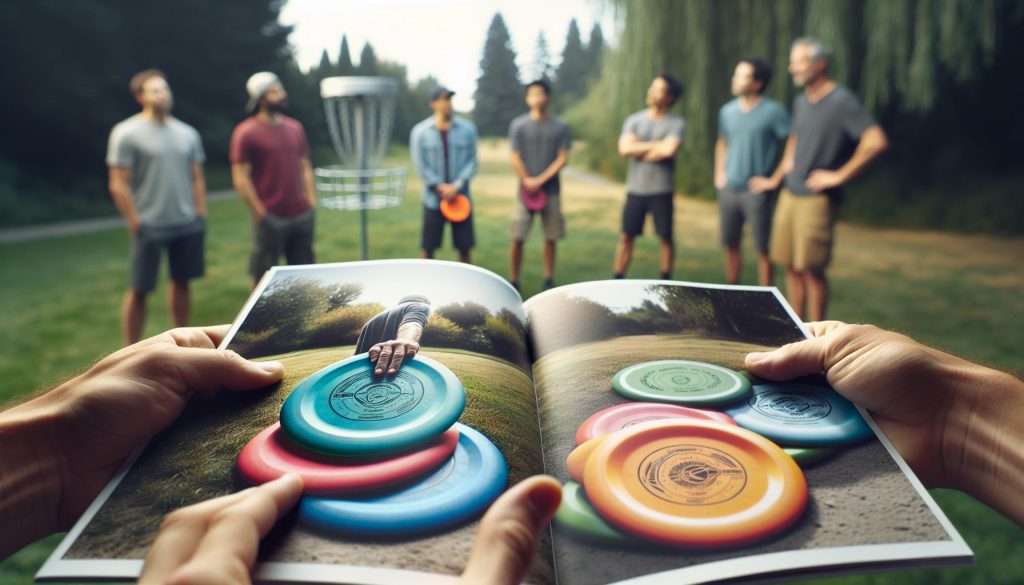
Did you know that the right frisbee can significantly enhance your disc golf game? Whether you’re a seasoned player or just starting out, selecting the appropriate disc can make a world of difference in your performance and enjoyment on the course. In “What Frisbees To Use For Disc Golf: Options,” we’ll explore various types of frisbees designed for different skill levels and playing styles, providing you with insights on flight characteristics, stability ratings, and disc specifics. Understanding the nuances of each option not only helps improve your technique but also elevates your strategic approach to the game. So, dive in and discover how the right choice of frisbee can transform your disc golf experience, helping you connect more deeply with this exhilarating sport and its vibrant community.
Understanding Disc Frisbee Types for Beginners
Understanding the types of discs used in disc golf can significantly enhance a beginner’s experience and performance. Disc golf is often likened to traditional golf, but instead of using clubs and balls, players use specialized flying discs, commonly referred to as frisbees. The varietals of these discs are designed for different purposes and skill levels, making understanding their distinctions vital for anyone looking to excel in the sport.
Discs are generally categorized into three primary types: drivers, mid-range discs, and putters. Drivers are engineered for long-distance throws and typically have a sharp edge and a streamlined shape, allowing for greater speed and distance. They come in varying levels of stability, which affects how they react to throws – this is crucial for more advanced techniques such as anhyzer and hyzer throws. Mid-range discs are versatile and ideal for accuracy in medium-distance throws. They possess a more forgiving profile, making them suitable for beginners learning to control their distance and flight path. Finally, putters are designed for short-range accuracy, featuring a more rounded edge and a heavy weight that helps with precision when throwing into the basket.
When selecting a disc, consider your current skill level and playing style. Beginners might find it beneficial to start with a lighter weight disc, as it’s easier to throw and control. Additionally, stability ratings-classified as overstable, stable, and understable-play an essential role in how the disc will behave in flight. A beginner may want to choose a more stable disc to help keep their throws straight until they develop more control.
Each type of disc serves a unique purpose in a player’s arsenal, and familiarizing oneself with these options is a step towards mastering the game. As players progress, they will discover personal preferences based on their throwing style, making understanding the types of discs not just educational but also foundational for further improvement in disc golf.
Key Features of Disc Golf Frisbees
Understanding the features of disc golf frisbees can be the key to enhancing a player’s game and overall enjoyment of the sport. While many may think that all flying discs are created equal, there are distinct characteristics that differentiate disc golf discs from recreational frisbees. Features such as weight, material, flight stability, and design are critical factors that can influence a player’s success and satisfaction on the course.
The weight of a disc is one of the most significant attributes affecting its performance. Discs generally weigh between 150 and 180 grams, with lighter discs being easier to throw for beginners, providing added control in their flight paths. As players gain experience, they may prefer heavier discs for greater distance and stability in various wind conditions.
Equally important is the material of the disc. Most disc golf discs are made from durable plastics that can withstand the rigors of outdoor play. Higher-grade plastics not only improve grip and feel but also help with the longevity of the disc, making them less susceptible to wear and tear. The flexibility of the plastic can also affect the disc’s performance; stiffer discs often have a more predictable flight path, while more flexible discs can offer a bit of forgiveness in throws, ideal for players still honing their skills.
Another key aspect to consider is the disc’s stability rating, which plays a crucial role in how it behaves during flight. Discs can be classified as overstable, stable, or understable, which describes their tendency to turn left or right during a throw and how they handle different throwing styles. Beginners usually benefit from throwing more stable discs, as they help maintain a straighter trajectory, while advanced players might choose a variety of stability ratings to manipulate their game tactically.
Finally, the design of the disc, including its shape and rim width, can affect aerodynamics. Drivers, for example, often feature a sharper edge and a wider rim to cut through the air more swiftly, maximizing distance. In contrast, putters are broader and thicker to allow for better control and accuracy when hitting the basket. Understanding these features allows players to tailor their disc selection to their skill level and playing style, ensuring a more enjoyable and effective game on the course.
In conclusion, selecting the right disc golf frisbee is not just about picking a random disc off the shelf; it’s a thoughtful combination of understanding weight, materials, stability, and design. By considering these essential features, players will be better equipped to choose the right frisbees that not only suit their skill level but also enhance their performance throughout their disc golf journey.
Comparing Stability Ratings in Golf Discs
To truly appreciate the nuances of disc golf, one must delve into the critical aspect of disc stability ratings. Understanding stability is not just for the seasoned pro; it’s a cornerstone for beginners eager to improve their game. Discs are categorized based on how they behave during flight, and grasping these dynamics can unlock a world of creative throwing opportunities and strategic gameplay.
Discs are typically classified as overstable, stable, or understable, with each type having specific flight characteristics crucial to your performance. Overstable discs, for instance, tend to resist turning to the right during a backhand throw for right-handed players-ideal for strong throws in windy conditions or for executing reliable hyzer shots. Conversely, understable discs are more likely to curve right during a backhand throw, making them great for easier distance gains at lower arm speeds or for executing turnover shots that need to flatten out before returning. Stable discs sit comfortably in the middle, maintaining a straight trajectory for most throws, and are often recommended for beginners who are just understanding their throw mechanics and want a predictable flight path.
Choosing the right stability rating can also influence how you approach different courses. For instance, if you’re navigating a course that features tight woods or narrow fairways, having a selection of discs with varying stability can enable you to execute precise shots around trees. This means you might select an overstable disc for reliable fades and a stable disc for those straight, laser-like shots that slice through the air. Many players find that as they progress, they start to experiment with their disc selection to include a range of stability ratings to manipulate their game tactically, transforming their play style from reactive to strategic.
As a practical insight, consider keeping a chart or a table of your discs handy-this could include their stability ratings, flight paths, and personal notes about how they perform in different conditions. Over time, as you refine your throwing technique and develop a deeper understanding of different discs, this can provide invaluable data for improving your game. By combining knowledge of stability ratings with practice, you position yourself to make informed choices that elevate your disc golf experience, enabling you to tackle each course with confidence and precision.
Recommended Discs for Each Skill Level
When it comes to selecting the right discs for your skill level in disc golf, it’s essential to understand the various options available, as well as how they can suit both beginners and seasoned players. Each level of experience comes with unique needs, and understanding which discs to use can significantly enhance your performance and enjoyment of the game.
For beginners, it’s best to start with discs that offer a high degree of stability and ease of use. Some recommended options include:
- Innova Leopard: This fairway driver is known for its straight flight path, making it ideal for those just starting out who are learning to control their throws.
- Discraft Buzzz: As a midrange disc, the Buzzz is revered for its versatility and reliability, allowing new players to achieve consistent throw results.
- Dynamic Discs Judge: This putter features a stable flight pattern and great grip, making it a favorite among beginners who need a reliable disc for close-range throws.
As players progress to the intermediate level, they should consider incorporating a wider variety of discs into their repertoire to better navigate different course conditions. Intermediate players might benefit from discs such as:
- Innova Teebird: An excellent control driver that helps players with accuracy on wooded courses.
- Discraft Mako3: This midrange disc offers a straight flight that can also handle slight turnovers, giving players more versatility.
- Kastaplast K1 Rask: A distance driver that can help advanced beginners achieve longer throws with minimal effort.
For advanced and competitive players, selecting discs with a range of stability ratings allows for intricate shot-making and course management. At this level, the use of specialized discs becomes vital, alongside strong understanding of flight dynamics and player preferences. Consider these options:
- Innova Destroyer: A well-known distance driver that’s popular among professional players for its ability to achieve great distances with explosive power.
- Discraft Nuke: Another highly regarded distance driver that provides maximum distance and speed, suitable for players who can handle the high-speed throws.
- Westside Discs Giant: An overstable disc that excels in windy conditions and is perfect for power throwers looking for reliable fade.
By aligning your disc selection with your skill level and playing style, you can enhance your game tremendously. It’s encouraged to test different types of discs to see how they interact with your throwing mechanics and preferences. Many players find that their disc preferences evolve over time, similarly to their skills, as they gain more experience on the course. Thus, whether you’re just starting or are a tournament competitor, understanding what discs to choose can significantly impact your performance and enjoyment in the sport.
Top Brands for Quality Disc Golf Discs
Quality matters when selecting disc golf discs, as the right brand can significantly influence your performance, enjoyment, and development in the sport. Numerous brands are dedicated to crafting discs that cater to all skill levels, offering innovative designs and materials that enhance flight characteristics and player experience.
One of the most recognized names in the sport is Innova. Founded in the late 1980s, Innova has become synonymous with high-quality discs and hosts an extensive lineup ranging from beginners to advanced options. Their discs, like the Leopard for newbies and the powerful Destroyer for seasoned players, are popular for their durability and predictability in flight. Innova also prioritizes community engagement and frequently sponsors tournaments and professional players.
Discraft is another leading brand, known for its precision and reliability. The Buzzz, a midrange disc, is celebrated for its versatility, making it a favorite among all skill levels. Discraft is also the exclusive manufacturer of the Nuke, a distance driver that is perfect for experienced players aiming for maximum distance. Their commitment to quality ensures that both recreational players and pros can rely on their discs in competitive scenarios.
Dynamic Discs has rapidly gained popularity due to its innovative designs and focus on the growing sport of disc golf. Their flagship putter, the Judge, is highly recommended for beginners and intermediates alike due to its consistent flight pattern and comfortable grip. Dynamic Discs also emphasizes sustainability by using eco-friendly materials, appealing to environmentally conscious players in the community.
Emerging Brands and Options
Beyond the established names, new brands are making their mark. Kastaplast, a Swedish company, has garnered a dedicated following for its unique disc designs and vibrant colors. Their K1 Rask distance driver appeals to intermediate players looking to enhance their throwing distances with style. Another noteworthy mention is Westside Discs, known for their unique art on discs and high-quality products that are particularly suited for windy conditions.
When selecting the right disc brand, consider factors such as your skill level, throwing style, and personal preferences. Trying various discs from each brand can lead to discovering your perfect match that complements your game. The diversity available within these leading brands allows players to not only find discs that suit their needs but also to communicate with a vibrant community that shares tips, experiences, and stories about their journeys, further enriching the sport of disc golf.
How to Choose the Right Frisbee for Your Game
Choosing the perfect frisbee for your disc golf game can significantly enhance your performance and enjoyment on the course. With the variety of discs available, it’s essential to understand your personal needs and the characteristics of different discs. The right choice ultimately depends on your skill level, throwing style, and the specific conditions you’ll face.
First, familiarize yourself with the three main types of discs: drivers, midranges, and putters. Drivers are designed for maximum distance and are typically the hardest to control, making them ideal for experienced players. Midrange discs offer greater control while still providing decent distance-these are often favored by intermediate players. Putters, on the other hand, are designed for accuracy and are used for short-range throws, particularly during putting. Knowing when to use each type can elevate your game significantly.
When selecting a disc, consider the stability rating. Stability refers to how a disc behaves during flight and how it will turn or fade at the end of its flight path. Beginner-friendly options usually have a more understable flight, which can help achieve a straight throw with less effort. As you gain experience, you might prefer more overstable discs that can handle powerful throws and windy conditions. Many brands provide detailed descriptions of flight characteristics, which can guide you in making a selection.
It’s also wise to experiment with different weights and materials. Heavier discs can provide more distance in windy conditions but require more strength to throw. Softer plastic can offer better grip, while harder plastics usually deliver more durability. Many players swear by particular brands; for example, Innova and Discraft are renowned for their extensive performance ranges. Don’t hesitate to ask fellow players for recommendations or try out a few options before making your final decision.
In conclusion, selecting the right frisbee for your game is not just about finding the perfect disc; it’s about enhancing your overall experience in disc golf. Take your time, test various options, and don’t forget to have fun while discovering the nuances that come with each throw. Ultimately, the best disc is one that complements your evolving style and maximizes your enjoyment of this fantastic sport.
Essential Throwing Mechanics for Disc Golf
To truly excel in disc golf, refining your throwing mechanics can make a world of difference. Every seasoned player will tell you that the beauty of the game lies as much in its technique as in the physical skills themselves. Whether you’re a novice or looking to up your game, understanding how to grip, throw, and follow through is crucial for achieving consistent distances and accuracy.
First, grip and stance are foundational elements to master. When you grip the disc, it should feel secure but not overly tight. A common grip is the “power grip”, where you tuck your fingers tightly against the underside of the disc and press your thumb down on top. This grip allows for maximum control and power during the throw. For your stance, ensure you’re balanced with your feet shoulder-width apart; your weight should be on your back foot initially, enabling a strong push-off during your throw.
Next, focus on the throwing motion. This can be broken down into three primary phases: the pull, the release, and the follow-through. Start by pulling the disc back, keeping your elbow close to your body at about a 90-degree angle. As you transition into the release phase, your weight should shift from your back foot to your front foot. The goal is to create a smooth motion that propels the disc forward at high speed. When releasing the disc, wrist snap plays a vital role-this spin will help stabilize the disc in flight. Follow through by allowing your arm to continue moving in the direction you want the disc to fly; this not only enhances distance but also maintains your balance.
In addition to these mechanics, understanding the influence of disc flight characteristics is essential for achieving your desired results. Each disc has unique attributes defined by its weight, stability, and disc type. For instance, heavier discs are generally more stable in windy conditions but are harder to throw, whereas lighter discs can be easier to handle for beginners. As you refine your technique, experimenting with various discs can help you learn how each one reacts during a throw. Engaging with communities, whether local leagues or online forums, can provide insight and feedback valuable to your growth as a player.
Mastering throwing mechanics is a journey, and practicing regularly will build muscle memory and confidence. Remember to record your progress, perhaps through video, to identify areas for improvement. Ultimately, the combination of proper technique and a well-chosen disc can elevate your game and enhance your enjoyment of disc golf.
Understanding Disc Flight Patterns and Dynamics
Understanding how disc golf discs behave in the air is pivotal for any player wanting to improve their game. Each disc has its own flight characteristics influenced by factors such as speed, glide, turn, and fade, which collectively determine how the disc moves through the air. For beginners and seasoned players alike, mastering the nuances of disc flight dynamics can unlock new levels of performance and strategy on the course.
Each disc is classified based on its stability ratings, which can be broadly categorized as understable, stable, or overstable. This classification helps players predict how a disc will perform in different situations.
- Understable discs tend to veer to the right (for a right-handed backhand throw) and are ideal for turnover shots or anhyzer throws.
- Stable discs maintain a straight flight path and are great for general usage, providing reliability and consistency.
- Overstable discs come back to the left at the end of their flight, making them perfect for headwinds and hyzer shots.
Understanding the intended use of each type can significantly enhance your shot selection and overall gameplay.
For instance, if you’re playing in windy conditions, utilizing an overstable disc can help you maintain control and accuracy. Conversely, if you’re executing a tricky shot that requires the disc to curve gently towards the right, an understable disc would be your best bet. As you progress, experimenting with various discs will allow you to discover how different weights and materials affect flight patterns. Factors such as your grip, release angle, and throwing speed also interact with the disc’s characteristics to alter its performance.
Additionally, incorporating flight patterns into your strategy can improve your score. For example, on a long straight hole, a stable disc can help you maximize your distance while maintaining a straight trajectory. On the other hand, understanding how to manipulate the turn and fade can allow creative plays, such as shaping the flight path around obstacles. Observing more experienced players can also provide insight into practical applications of disc dynamics during play.
By focusing on these flight patterns and dynamics, you can fine-tune your disc golf skills. Recording your throws and reviewing your shots can further enhance your understanding of how your discs react. The combination of developing a deeper knowledge of disc dynamics and consistent practice will lead to more successful and enjoyable rounds on the course.
Accessories to Enhance Your Disc Golf Experience
When looking to elevate your disc golf game, investing in the right accessories can make significant differences in both comfort and performance on the course. These additions not only enhance your gameplay but also help you enjoy the sport to its fullest. From keeping your discs clean and dry to ensuring you stay hydrated, the right gear can transform a good round into a great one.
One essential accessory is a quality towel. Discs can gather dirt, moisture, and debris, which affect their flight integrity. A microfiber towel is lightweight yet effective for cleaning your discs before each throw. Additionally, disc retrievers are a clever investment for those tricky situations where a disc ends up trapped in a tree or water hazard. These devices extend your reach and save you from losing a favorite disc, allowing you to maintain your game rhythm without unnecessary interruptions.
It’s also advisable to consider bags specifically designed for disc golfers. A good bag not only organizes your discs but provides easy access to your essentials-like snacks, water bottles, sunscreen, and even scorecards. Some modern bags come with built-in cooler compartments, which keep drinks cold on hot days, ensuring you stay refreshed throughout your rounds. To further enhance your experience, products like portable chairs or collapsible stools can provide rest during those longer outings, allowing players to maintain their strength and focus.
Lastly, integrating unique, sport-themed accessories can amplify the fun of your rounds. Items such as personalized disc markers, themed apparel, or even social games like disc golf-themed card games can foster camaraderie among players. Engaging with the community aspect of disc golf can enhance your love for the game, bringing in stories and sharing experiences that knit players together. Investing in these accessories will not only help improve your game but also enrich your overall disc golf experience.
Community Insights: Player Preferences and Stories
The world of disc golf isn’t just about the discs and the perfect throw; it’s a vibrant community full of stories, personal preferences, and shared experiences that stitch players together like a well-worn frisbee. For many, selecting the right frisbee is a deeply personal journey, often influenced by playing style, local conditions, and the camaraderie found on the course. Players from various backgrounds bring unique insights into what works best for them, making recommendations that resonate with novices and seasoned veterans alike.
A common thread among aficionados is the importance of understanding disc characteristics and how they align with personal throwing techniques. For instance, Emily, a casual player and local league participant, swears by her mid-range discs for tight wooded courses. She argues that a reliable mid-range disc gives her both control and distance, making those tricky shots manageable. In contrast, Ryan, a competitive player, champions distance drivers, emphasizing that mastering a powerful throw opens up strategic possibilities during competition. It’s these preferences that highlight how an individual’s skill level and the environments they play in shape their choices.
Furthermore, stories of community support and growth within the sport are abundant. Local clubs often host events that encourage players to share gear and knowledge, fostering an environment of learning and camaraderie. For example, the recent “Try Before You Buy” days at local courses have allowed newcomers to test various discs, helping them discover what feels right in their hands. This collective experience not only aids in selecting the right frisbee but also strengthens community ties as players gather to swap tips and tales.
The diversity found in disc selections also mirrors the evolution of the sport itself-bigger brands like Innova and Discraft continue to lead in technology, pumping out high-performance options that cater to every skill level. Yet, many players find joy in supporting smaller brands that offer unique designs and materials. The shift towards personalized equipment has made disc golf more accessible and enjoyable, with players excited to share their latest finds and favorite brands, ensuring that every round is not just a game, but a shared adventure.
Inspiring stories of personal growth and community are woven throughout the fabric of disc golf. The sport invites everyone, regardless of skill level, to explore their capabilities while also engaging with others who are just as passionate. Whether you’re choosing your first disc or considering an upgrade, understanding the insights and preferences of fellow players can enhance your journey in this incredible sport.
Finding Local Courses: A Beginner’s Guide
Finding the right course to hone your disc golf skills is crucial for any beginner, and it can actually enhance your gameplay experience significantly. Did you know that some of the best disc golf courses are hidden gems in local parks or community spaces? Discovering these locations not only allows you to practice your throwing techniques but also connects you with fellow enthusiasts, creating a vibrant community atmosphere.
To efficiently locate local courses, utilize online resources such as the Professional Disc Golf Association (PDGA) course directory or dedicated apps like UDisc. These platforms provide an extensive database of courses, complete with ratings and user reviews that can help you assess which venues might suit your skill level and style of play. Additionally, don’t hesitate to visit community boards at local sporting goods stores or recreation centers, where flyers or advertisements for upcoming leagues or courses can be found.
When you visit a course for the first time, take some time to familiarize yourself with its layout. Most courses include a variety of terrains, ranging from open fields to wooded areas, which can challenge your throwing mechanics in different ways. Pay attention to hole distances and required throwing techniques, as understanding these details will allow you to select the appropriate frisbee for each shot. For beginners, starting on less complicated courses with shorter holes will build confidence and style before advancing to more technical layouts.
Engaging with local disc golf clubs can also uncover incredible opportunities to learn from experienced players. Many clubs host informal meet-and-greets or organized rounds where newcomers are welcome. This not only allows you to gather tips about specific courses but also helps you learn about which discs work best in various conditions, enhancing your overall enjoyment of the game. Each round can lead to new friendships and insights that often mirror your own growth, making your entry into this sport all the more enriching.
Tips for Shopping for Disc Golf Equipment Online
When venturing into the vibrant world of disc golf, shopping for equipment online can be both exciting and daunting, especially for newcomers trying to understand what frisbees to use. One of the best strategies for making confident purchases is to familiarize yourself with the various types of discs: drivers, mid-range discs, and putters, each serving a distinct role in your game. With the right preparation and knowledge, you can ensure that your online shopping experience translates into successful rounds on the course.
To begin, ensure you thoroughly research the specifications of each disc type. Pay attention to key features such as durability, grip, and available weights. For instance, beginners may benefit from selecting lighter discs, which generally offer improved distance and control. Many online retailers provide filters allowing you to sort products by these criteria, helping narrow down your options. Additionally, consider reading reviews or watching videos that highlight performance attributes of specific discs. Resources like manufacturer’s websites or disc golf community forums can provide insights into how discs perform in varying conditions or under specific throwing techniques.
It’s also wise to take advantage of bundles or starter sets typically offered by retailers. These packages often include a selection of popular discs that provide a balanced set for new players exploring different throwing styles. Such sets offer an economical way to build your collection without committing to individual discs that may not align with your developing skills. Furthermore, keep an eye out for limited-time offers or clearance sales on last year‘s models. These deals can provide access to quality equipment at a fraction of the price, allowing you to invest more in other aspects of your game, such as accessories or training aids.
Lastly, establish a budget before starting your online shopping journey. Disc golf can be an affordable sport, but costs can accumulate with multiple discs and accessories. By defining a spending limit, you can prioritize essential items-such as your first set of discs, a sturdy bag, and perhaps a few accessories like a towel or marker. Make sure to check the return policies, especially for more specialized equipment, as it’s crucial to ensure the discs meet your expectations once they arrive. With these strategies in hand, you’re set to navigate the online marketplace confidently and discover the perfect frisbees tailored to your unique playing style.
Frequently Asked Questions
Q: What types of discs should I use as a beginner in disc golf?
A: As a beginner, it’s best to start with lightweight, stable discs that offer easy control. Look for a putter for short throws, a mid-range disc for accuracy, and a fairway driver for longer distances. Brands like Discraft and Innova provide excellent options for new players.
Q: How do I choose the right disc for my throwing style?
A: To choose the right disc, consider your throwing style and distance goals. Knob and grip shape can affect your control. If you throw with power, opt for discs with higher speed ratings. Experimenting with different types will help you find the best fit for your game.
Q: What is the best disc golf disc for distance?
A: For achieving distance, high-speed drivers are ideal. Look for discs rated between 11 to 14 speeds. Models like the Dynamic Discs Trespass or the Innova Destroyer are popular choices for distance athletes seeking long flights.
Q: Can I use regular Frisbees for disc golf?
A: While you can use standard Frisbees, they are not designed for disc golf and may not perform well due to their lack of stability and control. Disc golf-specific discs offer tailored weight, aerodynamic shape, and durability, enhancing your performance on the course.
Q: How do disc stability ratings affect performance?
A: Stability ratings dictate how a disc behaves in flight. Understable discs (negative ratings) tend to turn right for right-handed backhand throws, while overstable (positive ratings) will turn left. Choosing a disc that matches your throwing style can significantly improve accuracy and distance.
Q: What features should I look for in a disc golf disc?
A: Look for features such as weight, stability, and material. Light discs are easier to throw for beginners, while premium plastics offer durability and better grip. Understanding these features can help tailor your selections to your playing style and conditions.
Q: Where can I find reviews of the best disc golf discs?
A: You can find comprehensive reviews at online retailers like Infinite Discs and Disc Store, which feature user feedback and detailed product descriptions. Checking forums and social media groups dedicated to disc golf can also provide valuable insights from experienced players.
Q: How do weather conditions affect disc selection in disc golf?
A: Weather affects disc selection significantly. Windy conditions may necessitate overstable discs to maintain control, while calm days can allow for lighter, understable options for greater distance. Always consider the forecast when choosing your discs for optimal performance.
To Wrap It Up
Now that you’re equipped with the knowledge of what frisbees to use for disc golf, it’s time to put your newfound insights into action! Whether you’re a casual player or looking to step up your game, selecting the right disc can make all the difference in your performance. Remember, each disc offers unique flight characteristics tailored to different throwing mechanics and skill levels. Don’t hesitate-explore our guide on advanced throwing techniques, or check out our latest selection of discs to find the perfect fit for your style.
Have questions or want to share your experiences? Drop a comment below, and let’s ignite a conversation! As you dive deeper into the world of disc golf, consider signing up for our newsletter to stay updated on tips, courses, and events. This community thrives on shared knowledge, so get involved and elevate your disc golf journey today!
Get our latest guides, news, and insights highlighted in your Google Search & AI Overviews.