In the world of disc golf, nothing ignites the passion of players quite like the thrill of scoring an “ace.” An ace is when a player throws their disc into the basket in a single throw, typically from the tee pad. This remarkable achievement is not just about bragging rights-it’s a testament to skill, precision, and a deep understanding of disc flight dynamics. Many players spend years striving for that perfect shot, often facing a mix of excitement and frustration along the way.
As you delve into this article, you’ll discover the nuances of achieving an ace: the mechanics behind the throw, the characteristics that differentiate discs, and strategic tips to improve your chances at landing that elusive shot. Whether you’re a beginner seeking your first ace or a seasoned competitor looking to refine your technique, understanding what constitutes an ace can elevate your game and deepen your appreciation for this incredible sport. Read on to uncover the secrets behind the perfect shot and the joy it brings to the disc golf community.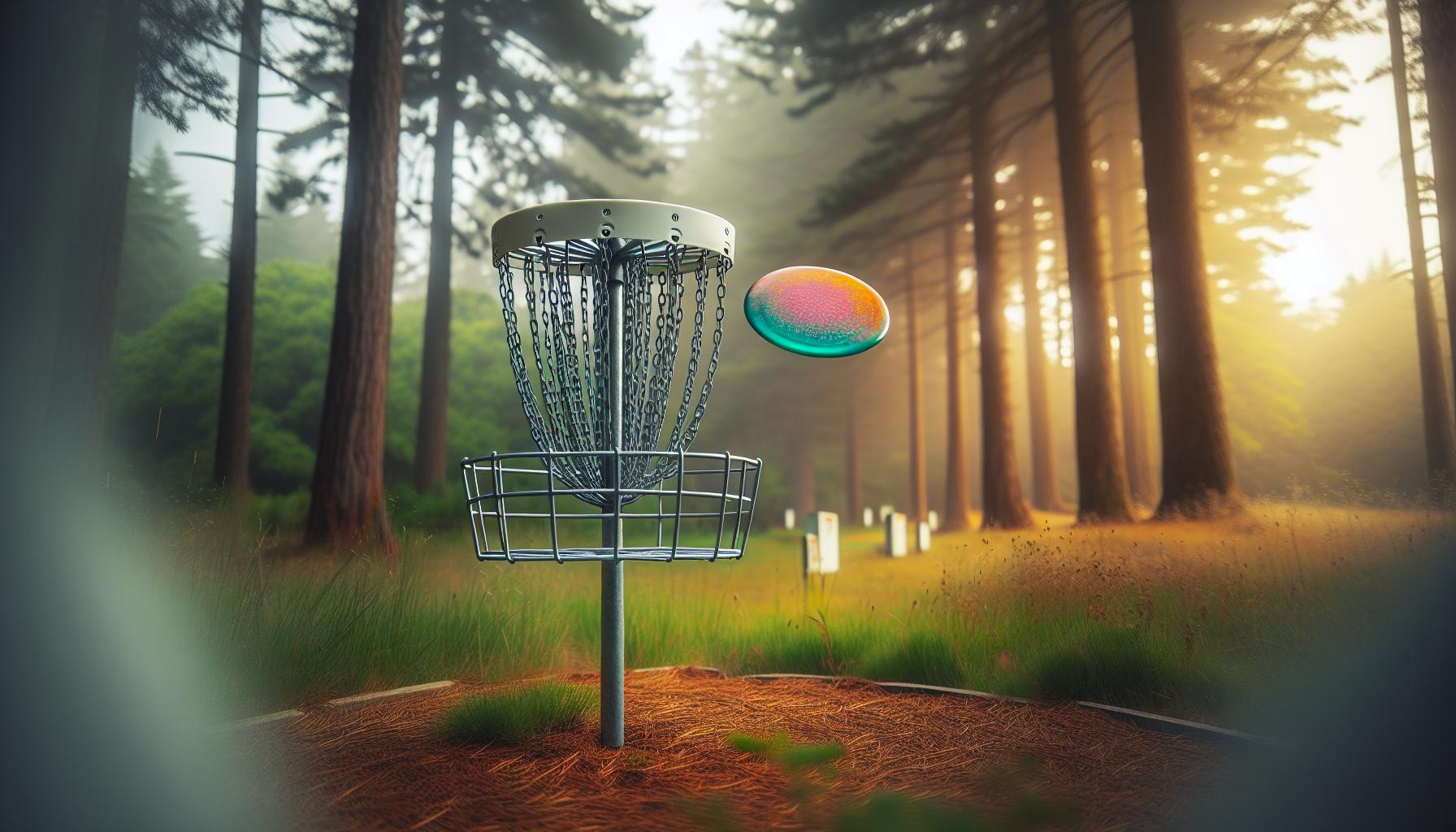
Understanding the Concept of an “Ace” in Disc Golf
In disc golf, the term “ace” refers to the rare achievement of throwing the disc into the basket in just one stroke from the tee. This feat, often celebrated among players, not only showcases skill and precision but also serves as a thrilling moment in any round of disc golf. For many enthusiasts, scoring an ace is a coveted milestone, representing both a personal triumph and a recognized achievement within the community. The excitement surrounding an ace is palpable; players often celebrate with high-fives, and the tales of these moments are shared with great enthusiasm.
Achieving an ace requires a blend of technique, understanding of disc dynamics, and environmental awareness. To pull off this perfect shot, players must master the mechanics of their throw, ensuring that factors such as angle, speed, and spin are optimized. Successful aces are not just about luck; they come from careful planning and execution, influenced by the specific characteristics of the course and the chosen disc. The flight path of a disc is affected by its speed, glide, turn, and fade, and understanding these can significantly enhance a player’s ability to land an ace.
Moreover, the community aspect of disc golf cannot be overlooked. Aces contribute to a rich culture where players commemorate their achievements with special celebrations and often share their experiences online. Many players keep track of their ace count, adding a layer of friendly competition that keeps the game engaging. As disc golf continues to grow as a sport, the legend of the ace persists, inspiring both newcomers and seasoned players to develop their skills and aspire to this remarkable shot.
The Mechanics Behind an Ace Shot
In the art of disc golf, mastering the mechanics of an ace shot is akin to perfecting the symphony of various musical notes; each element must harmonize flawlessly. At its core, throwing an ace requires an intimate understanding of the disc’s flight characteristics-speed, glide, turn, and fade. These components dictate how a disc will behave once it’s launched from the tee, influencing its trajectory toward the basket. The key to a successful ace lies not just in brute strength but in precision and technique.
To grasp , consider the following essential elements:
- Grip and Stance: Begin with a solid grip on the disc, employing either a power grip for maximum distance or a fan grip for more control, depending on the shot’s requirements. Your stance should be stable, with feet shoulder-width apart, allowing you to transfer your weight smoothly during your throw.
- Throwing Motion: The throwing motion begins with a proper backswing, where the disc is pulled back at a similar angle to the target line. As you transition to the follow-through, the hips and shoulders should rotate simultaneously to generate speed. It’s crucial to snap your wrist at the moment of release, applying the correct amount of spin.
- Release Angle: The angle at which you release the disc has a profound effect on its flight path. For an ace, a slight hyzer (downward tilt) can help the disc glide towards the basket while maintaining stability. Experiment with different release angles to find the most effective one for various holes.
- Follow-Through: Your follow-through is as important as the throw itself. Ensure that your body continues to move towards the target even after the disc has left your hand, which can help in maintaining control and accuracy.
By integrating these components into your practice routine, you can enhance your chances of achieving that elusive ace. Real-life examples abound; many seasoned players recall specific moments when their understanding of these mechanics culminated in perfect shots. The excitement of hitting an ace comes not merely from the skill exhibited but also from the thrill of community celebration-sharing the story with friends and fellow players only deepens the appreciation for this pinnacle of disc golf achievement. Whether you’re a novice or an advanced competitor, refining your technique is a vital step toward making the ace shot a reality in your game.
Essential Techniques for Throwing an Ace
The thrill of achieving an ace in disc golf-a shot that lands directly in the basket from the tee-is both a personal victory and a testament to one’s skill and understanding of the sport. To consistently hit aces, players must hone specific techniques that encompass grip, stance, throwing motion, and release strategies. Below are essential techniques to enhance your ace-throwing capability.
- Grip: A solid grip is your foundation. Use a power grip for maximum distance, where all four fingers are placed under the disc and your thumb presses firmly on top. This grip provides the most control and spin as you release the disc toward the basket.
- Stance: Your body position is crucial. Stand with your feet shoulder-width apart, knees slightly bent, and weight distributed evenly. This posture enables a smooth weight transfer from your back foot to your front foot, generating power and stability throughout your throw.
- Backswing and Throwing Motion: Start by drawing the disc back to your body, ensuring it’s at the same height as your ribcage. As you swing forward, rotate your hips and shoulders together. This coordinated movement helps build momentum. When you reach the release point, snap your wrist to impart spin, which stabilizes and straightens the disc’s flight.
- Release Angle: The angle at which you release the disc significantly affects its trajectory. A slight hyzer angle (where the disc’s top edge is tilted downwards) can help maintain stability and allow for a smooth glide toward the target. Experimenting with different release angles during practice will help you identify what works best for various distances and specific holes.
- Follow-Through: After releasing the disc, don’t stop your motion abruptly. A strong follow-through-allowing your body to continue moving toward the target-can improve your accuracy and ensure a consistent throw. Keep your eyes on the target until the disc is well on its way.
By consistently refining these techniques and incorporating them into your practice sessions, you increase your chances of landing that coveted ace. Each player’s style is unique, so don’t hesitate to adjust these fundamentals to fit your personal preferences and strengths. Remember, the journey to throwing aces is as rewarding as the aces themselves, filled with practice, community support, and shared experiences that enrich the sport of disc golf further.
Choosing the Right Disc for an Ace
Selecting the ideal disc to achieve an ace is both an art and a science, as it can significantly influence your ability to land that coveted shot directly in the basket. Understanding the nuances of disc flight characteristics – such as stability, speed, glide, and fade – can help you make informed choices that align with your throwing style and the specific demands of each course.
Discs are generally categorized into three main types: putters, midranges, and drivers. For acing short, technical holes, a putter is often the best choice due to its stability and accuracy. Look for a disc that offers straight flight characteristics; this ensures that it maintains its line well, taking into account the natural glide. Conversely, for longer and more open holes, distance drivers are an exciting option. These discs are designed to cover significant ground but can be trickier to throw accurately.
When choosing a disc, consider these key factors:
- Stability: Select a disc with a stability rating that suits your throwing strength and technique. More stable discs can handle power without flipping over, whereas understable discs are excellent for those who throw with less force or prefer easier hyzer flips into anace.
- Weight: Heavier discs tend to be more stable and resistant to wind but require greater throwing power. Lighter discs can be manipulated for greater distance and easier control but may be affected more by gusts. Experimenting with different weights will help you determine your ideal feel and distance.
- Grip: The material and texture of the disc should feel comfortable in your hand. A good grip is essential for a clean release; a disc that feels slippery would increase the chances of a less stable throw.
Finally, don’t underestimate the importance of personal preference. Many seasoned players develop a connection with specific discs that complement their throwing mechanics and strategies, leading to more confident and consistent performances. Embrace a culture of testing different molds and brands, whether it’s trying out a friend’s favorite disc or visiting a local shop where you can feel and throw multiple options. Remember, the right disc can empower you to confidently approach that ace shot, making it not just a possibility, but a more likely reality!
Environmental Factors Impacting Your Ace
The quest for an ace in disc golf isn’t solely about skill and technique; environmental factors play a crucial role in your success on the course. The elements can dramatically influence disc flight, making it essential for players to understand how to adapt their strategy to outside conditions. Weather, terrain, and even the layout of a course can all either facilitate or hinder an ace attempt.
Wind is perhaps the most potent environmental factor at play. A headwind can destabilize a disc, resulting in early fade and loss of distance, while a tailwind can enhance distance but may also alter the disc’s stability during flight. Crosswinds can create unpredictable movement, requiring players to adjust their angles significantly. To combat these challenges, players should practice throwing in various wind conditions to gain insights into how their discs behave and to develop a feel for necessary adjustments in their throw.
The layout of a course and its natural features also contribute to the difficulty of achieving an ace. Tight fairways bordered by trees can necessitate precise throws that require impeccable accuracy. Meanwhile, elevation changes can affect disc flight; throwing uphill may require more power, while downhill shots demand careful calculations to prevent overshooting the basket. Understanding the course’s elevation profile and specific hole layouts helps players anticipate how to best approach each shot for potential aces.
Finally, temperature and humidity can influence disc performance. Warmer temperatures can make plastic softer, which in turn can affect grip and stability. High humidity may increase drag, altering the expected flight path. Players should be mindful of these factors, particularly in competitive settings, by making necessary adjustments in their gear choices and throwing techniques.
By being attentive to these environmental factors, disc golfers can enhance their strategic approach to hitting that coveted ace. It’s not just about the perfect throw; it’s about harmonizing skill with the elements, turning challenges into opportunities for success.
Common Mistakes That Prevent Aces
Achieving an ace in disc golf is the pinnacle of excitement and skill, but many players find themselves falling short due to common pitfalls. Understanding these mistakes can significantly improve your chances of landing that elusive perfect shot. One major error is underestimating the importance of proper disc selection. Not all discs are created equal; each has unique flight characteristics that can drastically affect your throw. Ensure you choose a disc that complements your throwing style and the specific layout of the hole.
Another frequent misstep is neglecting form and technique. Many players develop bad habits over time, which can lead to inconsistent throws. Key fundamentals such as grip, stance, and follow-through should be prioritized. For instance, a poor grip can lead to a wobbly flight path. Focus on building a repeatable throwing motion that maximizes distance and accuracy. A quick video analysis or tips from experienced players can help you identify and correct your form.
In addition to physical mechanics, mental preparation plays a crucial role in executing an ace. Players often let pressure or distraction affect their performance. Maintaining focus on your strategy, along with visualizing the shot you want to make, can be incredibly beneficial. Before throwing, take a moment to assess the hole, environmental conditions, and your intended line. By eliminating distractions and cultivating a calm mindset, you give yourself a better shot at connecting with your target.
Lastly, many players overlook the impact of environmental factors. Weather, such as wind or humidity, can create unexpected challenges. Not adjusting to these conditions can result in miscalculated throws that veer off course. Practice regularly in different weather scenarios to better understand how your disc behaves, and learn to make quick adjustments in your strategy. By recognizing these common mistakes and focusing on technical skills, mental readiness, and adaptability to conditions, players can enhance their chances of scoring that perfect ace and enjoying all the glory that comes with it.
Real-Life Aces: Inspiring Stories from Players
In the world of disc golf, the thrill of hitting an ace-a perfect shot that lands directly in the basket from the tee-is something every player dreams of. This extraordinary feat is not just common lore among enthusiasts; it’s backed by real stories that inspire players at all levels. One such story comes from professional disc golfer Paul McBeth, who recorded his very first ace at a local course in California during his youth. Overwhelmed with excitement, he sprinted to the basket, a moment that solidified his lifelong passion for the sport. His journey to becoming one of the top players in the world was fueled by that magical moment, showcasing how achieving an ace can ignite a player’s commitment and skill development.
Local clubs often celebrate remarkable moments, such as a player hitting a 100-foot ace during a monthly tournament, which becomes the talk of the community. Players flock to those courses later, eager to replicate that breathtaking shot. Community accolades surround these stories, reinforcing the idea that while disc golf is often a personal pursuit, it thrives on camaraderie and shared experiences. One memorable instance involved a group of friends-a testament to teamwork-where three players aced the same hole on the same day, marking it as a record in their local disc golf league. These tales not only inspire newcomers but also foster a spirit of friendly competition that elevates the game.
Every ace means something different to each player, sometimes serving as a turning point in their disc golf journey. Take the story of a player who, after years of practice and near misses, finally sank an ace on their favorite local hole. This moment not only validated their persistent efforts but also motivated them to push their disc golf skills to new heights. Such experiences foster a sense of achievement and serve as milestones that players cherish and share with others, enriching the community’s narrative.
In essence, the tales of real-life aces serve as motivational touchstones within the disc golf community. They remind players that dedication, practice, and a bit of luck can lead to that perfect shot. Whether you’re a newcomer or a seasoned competitor, these stories resonate, serving as a reminder of why we pursue the sport: the joy of connection, personal growth, and the exhilarating chase for the perfect disc golf ace.
The Competitive Edge: Aces in Tournaments
The adrenaline rush felt in tournaments can transform the pursuit of an ace into an unforgettable showdown of skill and strategy. Achieving an ace-a hole-in-one in disc golf-during competitive play not only elevates a player’s status but can also serve as a game-changer for the tournament’s outcome. Imagine standing on the tee pad of a pivotal hole, with the pressure of a tight contest resting on your shoulders. An ace at such a moment can swing momentum in your favor, boosting your confidence while deflating your competitors’ spirits.
In tournament settings, the stakes are higher, and the courses are often designed to challenge even seasoned players. This means that mastering the mechanics behind an ace becomes essential. Many professionals recommend focusing on a few critical elements: commitment to your throw, accurate distance control, and understanding the disc flight characteristics. Players need to select discs that provide the stability and glide necessary to navigate the specific obstacles presented by the course. Often, high-speed drivers are utilized for their ability to cut through the air and maintain speed, but for tighter shots, a more stable mid-range disc may offer the precision needed to land directly in the basket.
Moreover, the camaraderie and competitiveness of the disc golf community shine in the context of tournament aces. Stories of breathtaking shots become legends that players recount long after they’re made. For instance, during a high-stakes championship, a player hitting an ace can dominate the headlines, inspiring newcomers and energizing the crowds. This atmosphere fosters not just competition but also a shared appreciation for skillful play. The presence of spectators often amplifies the thrill, as they collectively hold their breath, then erupt with cheers when the disc drops into the basket-this communal experience is a hallmark of why tournament play is so special.
Lastly, players should take practical steps to enhance their chances of sinking an ace during tournaments. Regular practice rounds that simulate tournament conditions can be invaluable-these sessions should focus on honing the specific techniques essential for an ace, including form checks and familiarizing oneself with the flight paths on each hole. Additionally, players might benefit from analyzing previous tournament footage where aces were made, allowing them to learn how top players approach the challenge. By integrating these strategies into their pre-tournament preparation, aspiring competitors can carve out a competitive edge, eager to not just play but to ace their way to victory.
Training Drills to Improve Ace Opportunities
Improving your chances of hitting an ace in disc golf requires dedicated practice, focused on both physical technique and mental preparation. While the thrill of scoring an ace can electrify a round, fine-tuning your skills through specific training drills is essential for making this elusive shot a regular part of your game.
One effective method to build confidence in your throw is the Target Practice Drill. Set up a target at a distance that mimics typical ace opportunities on your local courses, using a practice basket or a designated pin. Begin by throwing different types of discs from various angles and distances, focusing on your form and release point. This drill emphasizes consistency and helps you understand how different discs behave in flight, improving your accuracy over time. Additionally, consider incorporating a Blind Ace Drill. This involves throwing without knowing the exact distance to the basket. By challenging yourself to throw based solely on your instincts, you train your body to respond effectively under pressure, fostering the kind of mindset needed during high-stakes tournament play.
Moreover, mental rehearsals can significantly improve your performance. Engage in Visualization Techniques where you mentally picture yourself making an ace on a specific hole. Imagine the flight path of the disc, the feel of your throw, and the moment it lands in the basket. This practice not only helps in building muscle memory but also conditions your mind to approach the shot with confidence.
To complement these drills, regularly video yourself during practice sessions, allowing you to analyze your throw mechanics later. Watch for any inconsistencies in your stance, grip, and release, as small adjustments can lead to substantial improvements. Don’t forget to track your progress and set specific goals, such as hitting a certain number of aces during practice rounds, which can motivate and provide a tangible target to strive for.
By integrating these training methods into your routine, you can significantly enhance your ace potential, making every round an exciting opportunity to showcase your skills. Embrace the process, stay dedicated, and soon you may find those aces becoming a more frequent and celebrated part of your disc golf journey.
How Aces Impact Disc Golf Strategy
Scoring an ace is more than just a thrilling moment on the course; it can significantly influence the overall strategy of a game. Aces not only boost a player’s confidence but can also psychologically impact opponents, especially in competitive settings. When a player sinks an ace, it can set the tone for the rest of the round, instilling a sense of urgency and pressure among competitors. This dynamic can force opponents to change their strategies, potentially leading them to take risks they wouldn’t normally consider, which may result in mistakes or higher scores for them.
In tournament play, the strategic implications of achieving an ace can be profound. For instance, if an ace is made during an early hole, it can create momentum that carries throughout the round. Players who achieve an ace may feel emboldened, giving them the confidence to take more aggressive lines on subsequent holes. Conversely, competitors witnessing an ace might recalibrate their approach, shifting from conservative to aggressive strategies in a bid to reclaim lost ground. This environment raises the stakes, as every decision becomes magnified in light of the score differential created by the ace.
Moreover, the placement of tees can also play a role in enhancing ace potential. On courses where certain holes are considered “ace runs”-shorter distances or more straightforward lines to the basket-players can strategize around maximizing their chances on those holes. Understanding which holes offer the best chance for an ace allows players to focus their practice on these specific baskets, making informed choices about their aggressive throwing styles and disc selection.
Ultimately, aces serve as a potent tool within disc golf strategy. They can shift momentum, enhance psychological gameplay, and create opportunities for players to capitalize on their competitors’ nerves or mistakes. Embracing the quest for an ace not only adds excitement to every round but is an integral part of a deeper strategy that can define success on the course.
Celebrating Aces: The Culture of the Disc Golf Community
Scoring an ace in disc golf is more than just a personal achievement; it’s a celebrated moment that resonates deeply within the disc golf community. When a player accomplishes this rare feat, it’s recognized not only as a testament to skill but also as a shared experience that elevates the sport’s camaraderie. Aces are often greeted with cheers, high-fives, and even spontaneous celebrations that reflect the joy of the moment. Players frequently share their ace stories on social media, capturing a slice of the experience and inspiring others in the process.
Cultural Significance of Aces
Aces have a unique cultural significance in disc golf, symbolizing the pinnacle of skill and precision. Local clubs often keep track of players’ aces, and some even host special events or competitions that highlight the chase for the perfect shot. These events foster a sense of community as players come together to celebrate not just individual accomplishments but the collective passion for the sport. For many, scoring an ace is seen as a rite of passage, inviting newcomers and seasoned players alike to rally around the thrill of the game.
Celebrating Together
Celebration rituals vary across communities. Some groups pop open a celebratory drink or host a post-round gathering to relive the moment. Players often memorialize their achievements with custom “ace” discs or special shirts that denote their accomplishment, nurturing a friendly, competitive spirit. Additionally, clubs may document aces on leaderboards or newsletters, fostering a sense of pride and encouraging others to strive for similar success.
In a sport that blends athleticism and personal expression, the celebration of aces serves to legitimize disc golf as a competitive pursuit while also cultivating a vibrant, supportive community. The thrill of an ace is contagious, inspiring players to hone their skills while reinforcing the bonds formed on the course. Whether you’re a newcomer or a seasoned pro, understanding and participating in the culture surrounding aces can enhance your appreciation of the game and connect you with fellow disc golfers who share your enthusiasm for this remarkable sport.
FAQ
Q: What are the most common disc types used to throw an ace in disc golf?
A: The most common disc types for throwing an ace are putters and mid-range discs. These discs are designed for accuracy and stable flight paths, making them ideal for short distances. Choosing a disc that suits your throwing style can significantly increase your chances of landing an ace. For comprehensive guidance, refer to the section on Choosing the Right Disc for an Ace.
Q: How do environmental factors influence the success of hitting an ace in disc golf?
A: Environmental factors such as wind conditions, elevation, and course layout can greatly affect your ability to make an ace. For example, a strong headwind can alter disc flight, while downhill slopes might assist your throws. Being aware and adjusting your strategy based on these conditions is crucial for aiming for that perfect shot. Explore more in Environmental Factors Impacting Your Ace.
Q: Why is throwing an ace considered a significant achievement in disc golf?
A: An ace is often seen as a prestigious achievement because it showcases precision, skill, and a good understanding of disc flight dynamics. Landing a hole-in-one not only delights the player but also enhances their credibility within the disc golf community. This cultural significance is discussed in Celebrating Aces: The Culture of the Disc Golf Community.
Q: What can players do to increase their chances of scoring an ace?
A: Players can improve their ace opportunities by practicing essential throwing techniques, refining their disc selection, and learning to read the course effectively. Incorporating specific training drills will also help build the necessary muscle memory. Visit Training Drills to Improve Ace Opportunities for detailed exercises.
Q: How do competitive tournaments view aces, and do they affect scoring?
A: In competitive tournaments, aces are celebrated and often rewarded with prizes or accolades. While they don’t directly alter scores, an ace can be a significant morale booster, impacting a player’s overall performance. For insights into the competitive perspective, see The Competitive Edge: Aces in Tournaments.
Q: What are the psychological aspects of aiming for an ace in disc golf?
A: The psychological component of aiming for an ace can include pressure management and confidence building. As players visualize their shots and approach the tee, maintaining a positive mindset and focusing on technique can enhance performance. Tips on mindset can be found in the Common Mistakes That Prevent Aces section.
Q: When is the best time to aim for an ace during a disc golf game?
A: The best time to aim for an ace is typically on shorter, straightforward holes where the distance is manageable and obstacles are minimal. Players should also consider their current level of confidence and skill at that moment in the game. For strategies on identifying opportunities, refer to How Aces Impact Disc Golf Strategy.
Q: Where can I find inspiration from players who have scored aces?
A: You can find inspirational stories from players who have scored aces in the community forums and social media groups dedicated to disc golf. Many share their experiences and tips, fostering a supportive environment. For documented stories, check out Real-Life Aces: Inspiring Stories from Players.
Wrapping Up
Achieving an ace in disc golf is a thrilling moment, embodying both skill and strategy. As you’ve learned, perfecting your throw mechanics and understanding disc flight characteristics can dramatically improve your chances of hitting that elusive hole-in-one. Ready to take your game to the next level? Explore our detailed guides on essential throwing techniques and the best discs for beginners to pros.
Don’t miss out on joining our vibrant community of disc golf enthusiasts! Share your ace stories in the comments below, subscribe to our newsletter for expert tips, and check out our product reviews for the latest gear on the market. Remember, every round of disc golf is an opportunity to learn and connect-let’s keep the momentum going! By continuously refining your skills and staying informed, you’ll not only increase your chances of making that perfect shot but also enhance your overall enjoyment of this incredible sport.
Get our latest guides, news, and insights highlighted in your Google Search & AI Overviews.