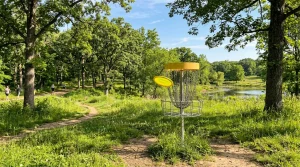
Did you know that disc golf has exploded in popularity, with over 10,000 courses now available worldwide? For enthusiasts and newcomers alike, understanding which state boasts the most disc golf courses can significantly impact your playing experience. Whether you’re searching for challenging terrains, scenic landscapes, or vibrant local communities, knowing the top destinations can enhance your journey in this rewarding sport. As we explore the states leading the charge in disc golf course availability, we’ll uncover not just numbers, but also the culture, community, and excitement that make these regions special for players of all skill levels. Ready to discover the ultimate disc golf playground? Let’s dive in!
What State Has the Most Disc Golf Courses?
Disc golf has surged in popularity across the United States, transforming from a niche pastime into a vibrant community sport enjoyed by players of all ages and skill levels. As players lace up their shoes and grab their discs, one common curiosity remains: which state boasts the most disc golf courses? As of recent reports, California holds the title, claiming more than 300 active courses that cater to both casual throwers and competitive players.
The golden state’s favorable climate and varied terrain make it an ideal location for year-round play, offering everything from seaside courses to inland mountainous layouts. States like Florida and Texas follow closely, each with a rich tapestry of courses that reflect their unique landscapes and regional communities. In contrast, regions like the Midwest, particularly Michigan and Minnesota, are also recognized for their high concentrations of courses, often providing beautiful natural settings for passionate disc golfers.
What truly sets these leading states apart is not just the number of courses but also the accessibility and community involvement surrounding each location. Many of these courses host local tournaments, monthly league nights, and workdays where players can contribute to course maintenance, further strengthening the bonds within the community. Whether you’re a local resident or planning a disc golf road trip, exploring these states will surely yield new experiences and connections in this growing sport.
The Rise of Disc Golf: Popularity Across the U.S
The rise of disc golf in the United States reflects a shift in how outdoor recreation is perceived and enjoyed. Once seen as a niche activity, disc golf has blossomed into a vibrant community sport, engaging players of all ages and fostering a sense of camaraderie among enthusiasts. With over 1,000 courses across the country, the appeal of disc golf can be attributed to its accessibility, affordability, and the growing support from local communities and organizations dedicated to the sport.
As more people discover the joys of throwing discs through natural landscapes, facilities are increasingly catering to this expanding demographic. Public parks, schools, and even private landowners have recognized the potential benefits of hosting disc golf courses, which not only provide a fun and active outlet but also encourage social interaction and local tourism. The sport’s minimal equipment requirements-typically just a few discs-make it an inviting option for newcomers. Unlike traditional golf, players can easily dip in and out of the game without significant investment or prior experience.
Moreover, social media and online platforms have played a crucial role in promoting disc golf, creating a space for sharing experiences, tips, and course recommendations. Enthusiasts often connect through forums, allowing for a rich exchange of information that benefits players of all skill levels. This digital community fosters greater participation in events and tournaments, propelling national and local interest while also normalizing the idea of competition within the sport.
Ultimately, this enthusiastic support from the community and the sport’s adaptability to various environments signal a promising future for disc golf in America. The expanding network of courses, especially in states like California, Florida, and Texas, reflects not just a rise in numbers but a deepening commitment to making disc golf a celebrated pastime across diverse landscapes. Whether you’re a beginner curious to try your first round or a seasoned competitor looking to improve your game, the growing popularity of disc golf offers something for everyone.
Top 5 States with the Most Disc Golf Courses
Several states in the U.S. have embraced the rising popularity of disc golf, with some boasting a remarkable number of courses that cater to both casual players and serious competitors. Among these, five states stand out due to their abundant disc golf offerings, which enhance accessibility and foster a thriving community of enthusiasts and athletes alike.
California
California is often heralded as the mecca of disc golf, with the largest number of courses in the nation. The diverse landscapes range from coastal cliffs to rolling hills and urban parks, providing a variety of challenges and scenic views. Notable courses like the famous Golden Gate Park in San Francisco and the challenging Milo McIver State Park in Estacada attract players from all over. The state’s favorable weather allows for year-round play, making it a popular destination for enthusiasts looking to enjoy their favorite sport.
Texas
Texas ranks high on the list with its expansive terrain and a keen disc golf community. Cities like Dallas and Austin have numerous well-maintained courses, with options suitable for every skill level. The consistent growth of local clubs and tournaments further cements Texas’s reputation as a top-tier disc golf state, offering an environment where newcomers can learn from seasoned players. Iconic courses such as the historic course at Cedar Hill State Park showcase the competitive spirit and vibrant community found in Texas disc golf.
Florida
With its abundance of sunshine and lush landscapes, Florida has established itself as another leading destination for disc golf. The state’s flat terrain is ideal for new players and offers unique challenges for veterans looking to perfect their game. Courses like the Winton Park in Orlando and the historic disc golf course at Lake Olmstead in Augusta provide thrilling experiences. Florida’s active disc golf clubs and frequently hosted tournaments exemplify the strong community engagement surrounding the sport.
New York
New York is home to a growing number of disc golf courses, with a robust community thriving in both urban and rural settings. The state’s mix of wooded terrains and open fields presents an exciting variety of challenges. Noteworthy courses like the Hyde Park Disc Golf Course in Poughkeepsie and the Mendon Ponds Park in Rochester are great examples of the quality courses available. The state’s emphasis on inclusivity and promoting local clubs has led to an encouraging environment for players of all levels.
Pennsylvania
Rounding out the top five, Pennsylvania has witnessed a significant increase in disc golf courses over recent years. It boasts a mix of traditional park-style courses and more challenging mountainous terrains. Courses such as the high-rated Nockamixon State Park and the scenic grounds at Maple Hill invite players to experience the beauty of the region while honing their skills. The collaborative efforts of local clubs to host tournaments and community events have fostered a welcoming atmosphere that appeals to newcomers and seasoned players alike.
In summary, these five states not only have a wealth of disc golf courses but also offer a vibrant community that supports the sport’s growth. Whether exploring the sunny parks of California or the scenic trails of Pennsylvania, players will find countless opportunities to engage in this exciting and accessible outdoor activity.
Exploring Disc Golf Course Density by State
In the vast and vibrant realm of disc golf, course density can significantly enhance the playing experience, offering enthusiasts proximity to a wide array of challenges and community engagement. States that boast a high number of disc golf courses tend to attract not only serious competitors but also casual players looking for fun and accessibility. This dynamic fosters a robust local culture around the sport, with clubs, tournaments, and regular meetups bringing players together. Understanding the density of courses across various states can help both newcomers and seasoned players choose the ideal locations for their disc golf adventures.
When exploring course density, it’s fascinating to see California at the forefront. This state is not only home to the largest number of courses but also to multiple highly-rated ones that contribute to the overall experience. With cities that offer multiple venues within a short drive, like San Francisco and Los Angeles, players enjoy the opportunity to play different courses without needing extensive travel plans. Similarly, states like Texas and Florida provide impressive course counts per square mile, ensuring that players can easily find a course that fits their skill level and preferences. The collection of courses in urban areas often leads to a bustling community, with regular events that connect players from various backgrounds.
Those seeking hidden gems should also consider states like New York and Pennsylvania, where lush landscapes provide more than just scenic beauty. In these regions, a mix of established and newer courses enhances overall course density, allowing players to experience diverse settings-from wooded trails to open fields. Local clubs host beginner clinics and advanced tournaments alike, ensuring that every level of skill is catered to within a supportive community. This diversity in course choices and the strong presence of local organizations not only enrich the playing experience but also help to legitimize disc golf as an exciting athletic pursuit.
To put it all into perspective, here’s a comparison of select states based on the number of courses and their distribution:
| State | Total Courses | Courses per 100,000 residents |
|---|---|---|
| California | Over 300 | 15+ |
| Texas | More than 200 | 10+ |
| Florida | Approximately 150 | 7+ |
| New York | About 120 | 5+ |
| Pennsylvania | Over 100 | 4+ |
Whether you’re planning your next road trip or simply looking to improve your game, understanding the disc golf landscape in these varied states can significantly enhance your journey. From the sunny parks of California to the lush woods of Pennsylvania, each destination offers unique opportunities to connect with the sport and fellow players, encouraging everyone to pack their discs and hit the courses!
Hidden Gems: Lesser-Known Disc Golf Destinations
While many disc golf enthusiasts flock to the popular courses in well-known states, there are countless hidden gems across the country that offer unique challenges and beautiful settings for players of all skill levels. These lesser-known destinations often provide quieter, less crowded environments, allowing players to enjoy their rounds without the hustle and bustle found at more famous courses. For those willing to venture off the beaten path, these hidden gems can lead to unforgettable experiences and opportunities to connect with local disc golf communities.
One standout location is Wisconsin, particularly in places like the Wisconsin Dells area. Known for its stunning natural landscapes, the Dells offer several courses that are often overlooked. Courses such as Old 54 and Devil’s Lake State Park combine challenging layouts with spectacular views of the surrounding lakes and bluffs. With a solid mix of open areas and dense woods, players can refine their skills while experiencing the state’s rich outdoor beauty.
Another treasure lies in Maine, with its Eastern Promenade course in Portland. This scenic course boasts an incredible backdrop of Casco Bay, making it perfect for players looking to enjoy the serenity that disc golf can provide. The course offers a blend of elevation changes and technical shots, ideal for those aiming to improve their precision and power. Plus, the local community often organizes friendly tournaments, making it easy to meet fellow enthusiasts and experience the local disc golf culture.
For a truly unique adventure, consider heading to Nebraska. The state has various courses that provide a mix of open fields and wooded trails. Courses like Sherman Park in Omaha offer a lesser-known experience rich with diverse terrain. Enjoy the camaraderie of the small local disc golf community, where you can find advice and encouragement from fellow players.
In summary, while states like California and Texas may dominate the landscape of disc golf courses, exploring hidden gems like those in Wisconsin, Maine, and Nebraska can lead to rewarding experiences. These courses not only promise a chance to play in quieter settings but also provide opportunities to connect deeper with the sport and its community, strengthening the overall appreciation for disc golf as a burgeoning athletic pursuit. Whether you’re a local or passing through, these destinations are worth adding to your disc golf itinerary.
State-by-State Guide: Disc Golf Course Highlights
Exploring the vast landscape of disc golf across the United States opens up a world of unique courses that cater to every skill level and style of play. Some states boast an impressive number of courses, each with its own charm and challenges. From well-known hotspots to hidden gems, each locale offers something special, enriching the experience for both casual players and serious competitors.
One of the highest concentrations of disc golf courses can be found in California. The state is a leader in the number of courses and includes famous locations like the Delaveaga Disc Golf Course in Santa Cruz, renowned for its scenic views and technical design. Here, players can test their skills on a variety of terrains, making it an excellent spot for both beginners and seasoned pros. Also notable is Oak Grove, the birthplace of disc golf, which continues to attract players looking to be part of the sport’s rich history.
Moving east, Texas features an impressive array of courses, including the challenging Lake Lewisville and picturesque McDade Park in Austin. The state’s diverse geography provides a rich variety of course layouts, perfect for honing different skills, from distance throws to precision putts. Moreover, the vibrant disc golf community in Texas often organizes tournaments and events, fostering a welcoming environment for newcomers looking to engage with fellow enthusiasts.
In the Midwest, Michigan stands out with its wealth of courses nestled among lush forests and lakes. The state is home to Hudson Mills Metropark, offering an exciting mix of open fields and wooded areas that challenge players to adapt their strategies. Michigan’s commitment to developing quality disc golf facilities has transformed it into a must-visit destination for serious competitors and recreational players alike.
Finally, let’s not overlook Florida, where courses like Tampa’s Taylor Park not only provide a thrilling disc golfing experience but also stunning natural landscapes. Here, players navigate a layout that incorporates the natural beauty of lakes and trees, making each round a unique adventure. Florida’s warm climate allows for year-round play, making it a favorite destination for those looking to escape colder weather.
The diversity of disc golf courses across these states not only showcases the growth of the sport but also its capacity to bring communities together. Whether you are a seasoned pro or a newcomer, there’s always a new course to explore and a community ready to welcome you.
Quality vs. Quantity: Best Disc Golf Courses to Play
Whether you’re a local searching for the best place to play or a traveler planning your next disc golf adventure, distinguishing between the quantity of courses and their overall quality is essential. While many states have a high number of disc golf courses, the best experiences often come from those that not only challenge your skills but also provide a unique and enjoyable atmosphere.
In California, for example, the sheer number of courses doesn’t overshadow the exceptional offerings. Delaveaga Disc Golf Course in Santa Cruz is renowned not only for its technical layout but also for its stunning views of the surrounding landscape. This course challenges players of all skill levels, encouraging strategic throws and thoughtful navigation through its diverse terrain. On the other hand, the Oak Grove course holds historical significance, serving as the birthplace of disc golf, and offers a mix of nostalgia and playful competition, making it a must-play for both new and veteran players alike.
Moving to states like Texas and Michigan, the balance of quality and quantity can be observed in courses rich with character. The Lake Lewisville course in Texas combines challenging layouts with a vibrant local scene that regularly hosts tournaments. Meanwhile, Hudson Mills Metropark in Michigan boasts a mix of scenic beauty and complex course design, featuring wooded areas that demand precision and open fields for long drives. Both locations not only cater to different skill levels but also foster a strong sense of community among players.
Ultimately, appreciating the best disc golf experiences involves considering what each course brings to the table. Look for courses that challenge your skills while providing an inviting environment. These experiences cultivate friendships and enrich the sport, creating a sense of belonging within the ever-growing disc golf community. Whether you’re playing on a lush Michigan course or a bustling Texas layout, the camaraderie and passion for the game remain at the heart of every round.
Community Impact: Disc Golf Course Development
The development of disc golf courses has a profound impact on local communities, promoting not just the sport but also enhancing social interaction, health, and economic vitality. These spaces serve as venues for friendly competition, allowing players of all skill levels to engage, learn, and grow together in a supportive environment. When communities invest in disc golf course development, they cultivate a shared appreciation for the sport while simultaneously addressing community needs and revitalizing recreational spaces.
As disc golf continues to gain popularity across the United States, states like California and Michigan emerge as leaders in fostering robust disc golf cultures through their numerous courses. Notable examples include communities that champion the sport by organizing local leagues and tournaments, such as the annual Michigan Disc Golf Championship, which attracts players from around the country. These events not only highlight the quality of local courses but also stimulate economic growth by bringing in visitors who stay at hotels, dine in restaurants, and explore the region.
Moreover, the environmental aspect of disc golf course development is significant. Courses are often designed to be low-impact, using natural landscapes that need minimal alteration. This approach fosters a connection with the outdoors and promotes environmental stewardship. For instance, many courses are incorporated into public parks or university campuses, allowing for broader community access while preserving green spaces. As a result, players often express gratitude for the serene environments they play in, reinforcing the bond between the sport and nature.
Lastly, making disc golf accessible is crucial for community inclusion. Courses that cater to all abilities empower everyone to participate, helping to break down barriers associated with sports participation. Initiatives that support youth programs, offer free clinics, or incorporate adaptive equipment ensure a welcoming atmosphere for all. As communities recognize the value of disc golf as both a recreation and a means of community building, they are investing not just in courses but also in the holistic well-being of their residents.
In sum, the development of disc golf courses has a multifaceted impact that extends well beyond the sport itself, intertwining with local culture, economic development, and environmental stewardship, making it a valuable addition to any community.
The Equipment You Need for Disc Golf Adventures
To truly enjoy the soaring popularity of disc golf, having the right gear is essential for players of all skill levels. Whether you’re launching your first disc or competing against seasoned professionals, equipping yourself with the appropriate discs and accessories enhances your overall experience on the course. Unlike traditional golf, where clubs can be cumbersome to carry, disc golf is incredibly accessible and allows players to easily transport their equipment.
The first item on your list should be a selection of discs, which typically includes a driver, a mid-range, and a putter. Each of these types serves a distinct purpose:
- Drivers: Designed for long-distance throws, drivers have a sharp edge and a slick design that allows them to cut through the air efficiently. They come in different weights and stability ratings, affecting how straight or curved the flight path will be. When starting out, consider a stable driver that won’t flip over easily.
- Mid-range Discs: These are excellent for accuracy and are typically used for shorter, more controlled shots. Their stability offers greater consistency in all weather conditions, making them a favorite among both beginners and advanced players alike.
- Putters: The crucial choice for those delicate approaches to the basket, putters are designed for short, precise throws. They have a blunt edge which helps in maintaining control, giving you a better chance of sinking your shot.
Another essential piece of gear is a disc golf bag, which not only helps in organizing your discs but also provides carrying comfort during your rounds. Look for a bag that offers sufficient space for your growing disc collection and features like padded straps and pockets for accessories. If you love spending time on the course, investing in a quality bag can make all the difference in your comfort level.
To enhance your game, players can also benefit from accessories such as towels (to keep discs clean), mini markers (to mark where your previous throw landed), and scorecards or apps to keep track of your performance. Practicing with different types of discs in varying weather conditions can give you a better feel for disc flight characteristics, allowing you to make informed choices on which disc to use based on course conditions.
By equipping yourself with the right gear, you can enjoy the thrill of disc golf to its fullest. Understanding the intricacies of your equipment not only elevates your performance but also connects you with the broader disc golf community as you embark on unforgettable courses across some of the top states for disc golf.
The Future of Disc Golf: Trends and Growth Projections
With an unprecedented rise in popularity, disc golf is quickly solidifying its place as a mainstream sport across the United States. The number of courses has surged, and with it, the community has grown not just in size, but in diversity. According to recent statistics, there are now over 10,000 disc golf courses in the U.S., reflecting the sport’s expansion into suburban and urban environments, as well as parks and recreation areas. This trend suggests that more people are discovering the joy of disc golf, not just as a recreational pastime but as an engaging and competitive athletic pursuit.
As we look to the future, a few key trends are shaping the trajectory of disc golf. The rise of technology will play a significant role, with innovative equipment and app integrations enhancing player experiences. For instance, advances in disc flight analysis technologies can help players fine-tune their throws, while scorekeeping apps are making it easier for players to track their progress and connect with local tournaments. As disc golf becomes more competitive, players are increasingly turning to analytics to improve their game, echoing trends seen in traditional sports.
Furthermore, community development plays a crucial role in the sport’s growth. More local clubs are forming, offering leagues and tournaments that cater to players of all skill levels. These initiatives not only foster competition but also build camaraderie among players, creating a welcoming environment for newcomers. The appeal of disc golf is its accessibility-people of all ages and physical abilities can participate, making it an inclusive sport that promotes health and wellness.
Lastly, sustainability will become an increasingly important focus as the sport grows. Courses are being designed with environmental considerations in mind, often utilizing natural landscapes that minimize ecological disruption. This trend towards sustainable course design not only protects local ecosystems but also enhances the playing experience by integrating natural beauty with challenging play. As awareness of environmental issues grows, players are likely to prefer courses that align with these values, making sustainability a selling point for new course developments.
By staying attuned to these trends, avid players and casual enthusiasts alike can shape their experiences and the future of disc golf, contributing to a vibrant community that continues to flourish. The next decade promises exciting developments in tournament play, community engagement, and sustainable practices, ensuring disc golf remains a beloved pastime for years to come.
Planning Your Disc Golf Road Trip: Essential Tips
If you’re a disc golf enthusiast pondering the most exhilarating way to explore the sport, planning a road trip through the top states for disc golfing is an adventure waiting to unfold. Imagine winding through scenic landscapes while hunting for the best courses in the country. Whether you’re a rookie ready to hit your first course or a seasoned pro looking to tackle some of the nation’s premier layouts, several key strategies can elevate your road trip experience.
Start by pinpointing your destinations based on the states with the highest density of disc golf courses. States like California, Texas, and Florida boast extensive course options catering to all skill levels. Utilize resources such as Disc Golf Course Review to identify not only the quantity of courses but also their ratings and reviews. Crafting your route around these insights will save you time and ensure you get to play some top-rated sites. For instance, California’s sunny skies and diverse courses can provide a great mix of enjoyment and challenge for every player.
Once you’ve mapped out your route, consider the logistics of your journey. Having a well-packed “disc golf essentials” kit can make a huge difference. Be sure to carry a range of discs suited for different throws and conditions-drivers for long distances, midranges for versatility, and putters for precision. Don’t forget to pack other essentials such as a portable chair for post-round relaxation, water bottles to stay hydrated, and snacks to keep your energy levels high. Additionally, familiarize yourself with pass requirements or membership options at certain courses, like those in Madison where daily passes are available for Elver Park and Hiestand Park at $7 a day【3】.
Lastly, connect with local disc golf communities along your journey. Websites and social media groups can lead you to club events or friendly players eager to share their favorite courses with you. Use this opportunity to deepen your skills by participating in local tournaments, which can often be found on community calendars or local disc golf association pages. Engaging with fellow disc golfers provides not only camaraderie but can also lead to invaluable tips and new friends who share your passion for the game. Embrace the adventure, and your road trip will not just be a journey across states but a meaningful experience woven into the fabric of the growing disc golf community.
Join the Community: Connecting with Local Disc Golf Clubs
Connecting with local disc golf clubs can be a transformative aspect of your disc golf journey, enriching your experience and enhancing your skills. Whether you’re a novice eager to learn or a seasoned player looking to compete, these communities create an environment where enthusiasts can share their passion and knowledge. Joining a club not only introduces you to fellow players but also connects you with local courses, events, and invaluable resources that elevate your game.
Many states with a high concentration of disc golf courses, like California, Texas, and Florida, have vibrant communities that host regular meetups, leagues, and tournaments. These clubs often have their own social media groups or websites where you can find information on upcoming events and local challenges. Participating in these activities can provide a chance to learn from experienced players, pick up new techniques, and improve your strategy on the course. Informal gatherings also serve as a welcoming space for beginners to ask questions and gain confidence in their skills without the pressure of formal competition.
In addition to promoting camaraderie, local clubs often organize friendly league play, which is an excellent way to engage with the sport competitively while still enjoying a social atmosphere. This setting encourages players to develop their skills while fostering connections that can lead to lifelong friendships. Many clubs also offer clinics or workshops led by skilled players, focusing on aspects such as putting techniques, driving accuracy, and course strategy, all tailored to different skill levels. These learning opportunities not only improve your game but deepen your appreciation for the sport.
Moreover, your affiliation with a local club can lead to quicker access to exclusive tournaments and competitive events, ensuring that you can showcase your skills and grow in a structured environment. Many clubs maintain a calendar of events that includes everything from casual games to state-wide competitions, providing myriad opportunities to challenge yourself and engage in the broader disc golf community. To get started, check online platforms like Facebook, Meetup, or the PDGA (Professional Disc Golf Association) website for clubs in your area, or simply visit your local courses to meet fellow players and inquire about club activities. By embracing this community aspect, your journey through the world of disc golf will not only be more enjoyable but also immensely rewarding.
FAQ
Q: What are the top states for disc golf courses?
A: The top states for disc golf courses include California, Texas, and Florida, which boast a high number of courses and fantastic weather for year-round play. California stands out with its diverse landscapes and recreational opportunities. For more insights, check out our section on the Top 5 States with the Most Disc Golf Courses.
Q: How many disc golf courses are in the United States?
A: There are over 10,000 disc golf courses across the United States, reflecting the sport’s rapid growth in popularity. Many local communities have embraced disc golf, leading to this expansion. Explore our State-by-State Guide for more specific numbers and trends.
Q: Where can I find the best disc golf courses?
A: The best disc golf courses are often found in states like Minnesota and North Carolina, which are known for their well-designed, scenic courses that cater to all skill levels. For details on top-rated courses, visit our Quality vs. Quantity section on the best courses to play.
Q: Why is disc golf so popular?
A: Disc golf is popular due to its affordability, accessibility, and the growing community that supports it. It provides a fun outdoor activity suitable for all ages and skill levels. Read more about its rise in The Rise of Disc Golf: Popularity Across the U.S..
Q: When is the best time to play disc golf?
A: The best time to play disc golf varies by region, but spring and fall are generally ideal due to mild weather conditions and fewer crowds. Check out our tips for planning a disc golf road trip in Planning Your Disc Golf Road Trip: Essential Tips.
Q: What should I look for in a disc golf course?
A: When choosing a disc golf course, consider factors such as course layout, challenging features, and overall maintenance. Look for courses that offer a mix of terrains to enhance your experience. For course highlights, see our State-by-State Guide.
Q: How can I join a disc golf community?
A: To join a disc golf community, consider participating in local events, joining clubs, or following online forums. Engaging with players in your area can enhance your skills and make new friends. Find out more in our section on Join the Community: Connecting with Local Disc Golf Clubs.
Q: What equipment do I need to start playing disc golf?
A: To start playing disc golf, you’ll need at least one disc (putter, midrange, or driver) and comfortable clothing. As you progress, consider investing in a small bag and additional discs suited for different shots. For detailed equipment recommendations, visit The Equipment You Need for Disc Golf Adventures.
Insights and Conclusions
As you explore the top states for disc golf courses, remember that each destination offers its unique charm and challenge. Whether you’re aiming to improve your throw, discover new competitions, or connect with fellow enthusiasts, there’s a wealth of opportunities awaiting you in the vibrant disc golf community. Don’t miss out on our guides to disc golf techniques and equipment comparisons to refine your skills and enhance your experience on the course.
Ready to take your game to the next level? Check out our other articles on course strategies and pro player insights to gain a comprehensive understanding of the sport. Share your thoughts or questions in the comments below – we love hearing from you! Plus, subscribe to our newsletter for the latest updates and resources that will help you stay ahead in your disc golf journey. Your next big adventure in disc golf is just a click away!
Get our latest guides, news, and insights highlighted in your Google Search & AI Overviews.