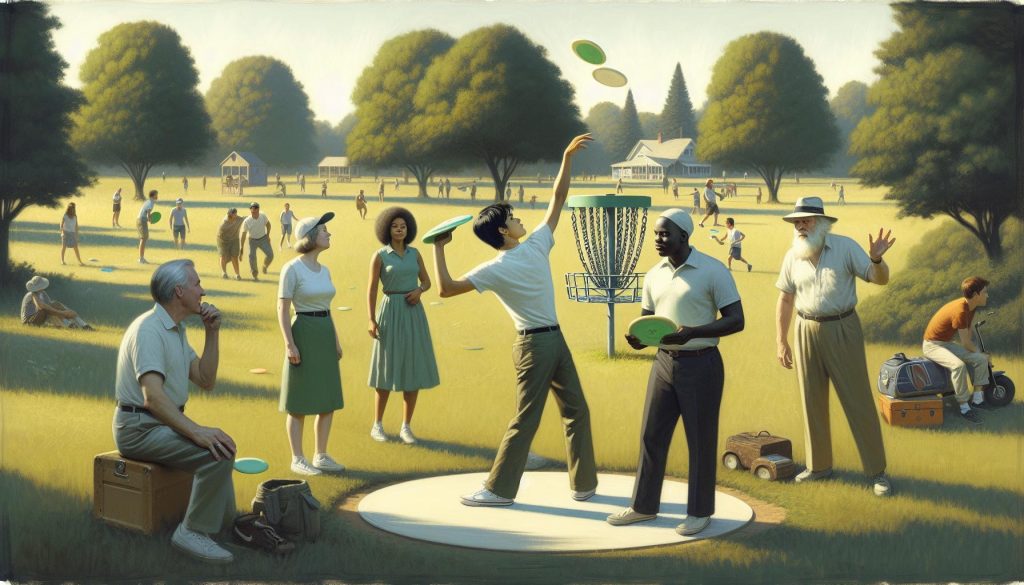
Did you know that the roots of disc golf trace back to the 1960s, when flying discs first captured the imagination of outdoor enthusiasts? Today, it has evolved into a beloved sport, boasting millions of players and courses worldwide. Understanding when and how disc golf became popular not only enriches our appreciation of the game, but it also highlights the community that has grown around it. From its grassroots beginnings to the modern competitive scene, this timeline will explore pivotal moments that shaped disc golf into the vibrant sport we enjoy today. Whether you’re a curious newcomer or a seasoned competitor, delving into this history reveals the enduring passion and dedication that define the disc golf community. Join us as we celebrate the milestones of this exciting sport, and discover what makes disc golf not only a pastime, but a thriving athletic pursuit.
When Did Disc Golf Begin? A Brief Overview
Disc golf originated in the early 1900s when players began tossing various flying discs at targets, significantly starting the modern form of the sport in the 1960s. George Sappenfield, a pioneer from California, organized one of the first disc golf courses at a park in the 1970s, providing a structured approach to this leisure activity. The sport gained traction with the establishment of professional competitions, attracting a diverse group of players ranging from casual throwers to serious competitors.
As disc golf evolved, so too did its popularity. The formation of the Professional Disc Golf Association (PDGA) in 1976 marked a pivotal milestone that organized tournaments and promoted the sport at a national level. By the late 1980s and into the 1990s, disc golf enjoyed exponential growth, partly due to increased media exposure and grassroots movements that established local leagues and communities. This newfound recognition catalyzed participation, drawing in newcomers curious about the blend of strategy and skill involved in the game.
The appeal of disc golf lies not only in its accessibility but also in the communal aspect that it fosters. Local clubs became hubs for players at all skill levels, allowing social interaction and competition on the fairways. Moreover, the introduction of tournaments with varying formats garnered attention and participation, making disc golf a compelling pastime for individuals seeking both relaxation and athletic challenge. This interplay between competition and community has solidified disc golf’s presence in the sports landscape, paving the way for its growth around the globe.
Key Milestones in Disc Golf History
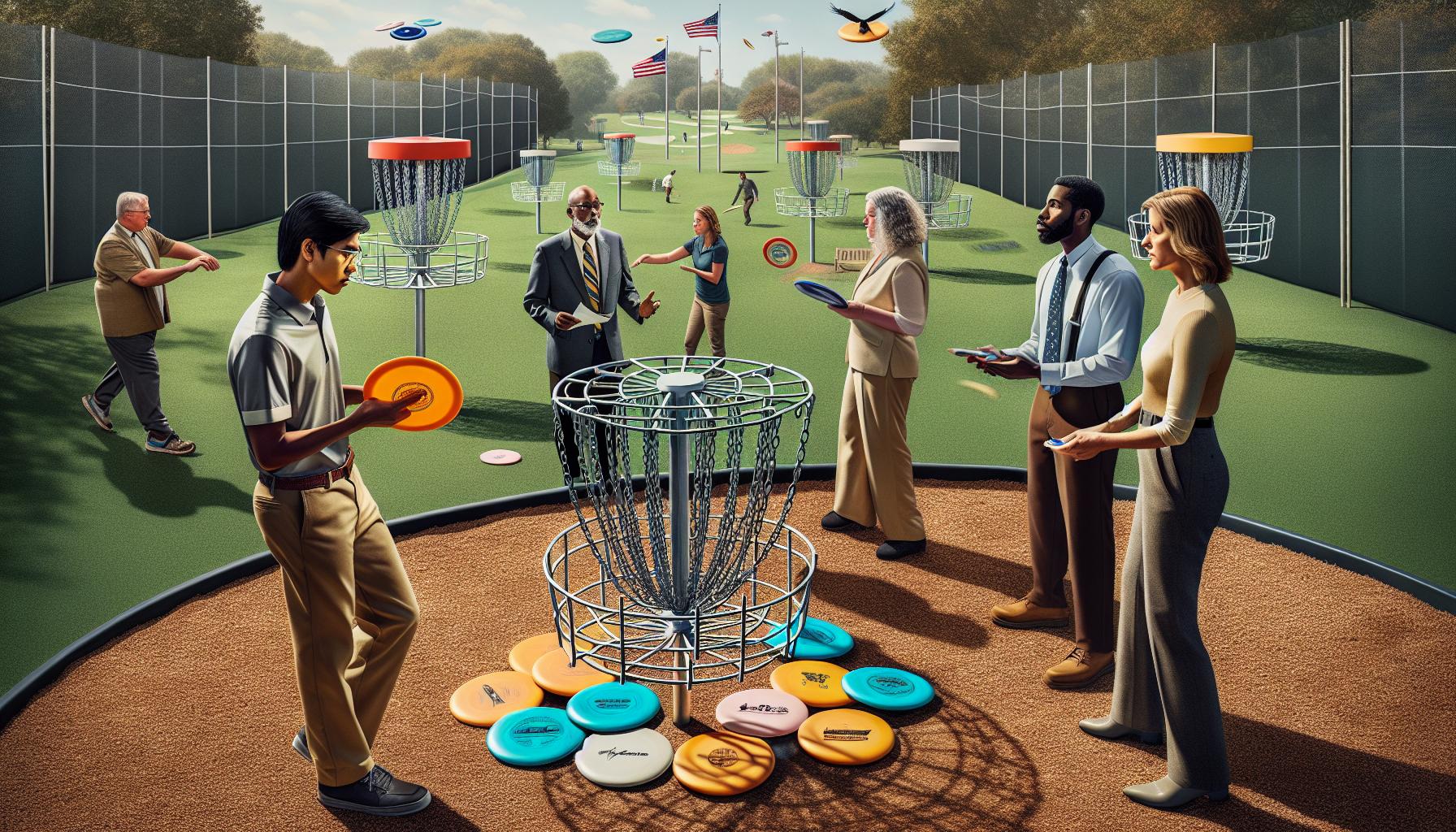
In the vibrant history of disc golf, several key milestones have laid the foundation for its popularity today. The culmination of these events, from the inception of organized courses to the formation of professional associations, illustrates not only the evolution of the sport but also its establishment in popular culture.
One significant turning point occurred with the creation of the Professional Disc Golf Association (PDGA) in 1976. This body served to legitimize the sport, organizing official competitions and setting standards for performance as well as equipment. The PDGA’s efforts were instrumental in promoting disc golf as a serious athletic pursuit, attracting diverse players and fans alike.
Another pivotal moment in disc golf history came in the 1980s when media exposure soared, enabling broader audiences to witness the sport’s excitement. Major tournaments began to be televised and published in sports magazines, helping to draw in new players who were curious about joining this growing community. This period also saw the rise of grassroots organizations that played a crucial role in building local leagues and networks, fostering a sense of camaraderie and competition at the community level.
Additionally, the 1990s introduced a significant expansion of disc golf courses across the United States, with more than 1,000 courses being established by the decade’s end. This infrastructure was critical in promoting access and encouraging regular play, which in turn elevated the sport’s visibility and participation rates.
Today, disc golf has grown into a global phenomenon, with professional players, international tournaments, and a dedicated following that celebrates its communal spirit. Each milestone in its history not only reflects the sport’s maturation but also underscores its ongoing appeal as a blend of strategy, skill, and social interaction. As the game continues to evolve, it points to a bright future filled with potential for even greater recognition and participation.
The Rise of Disc Golf Since the 1970s
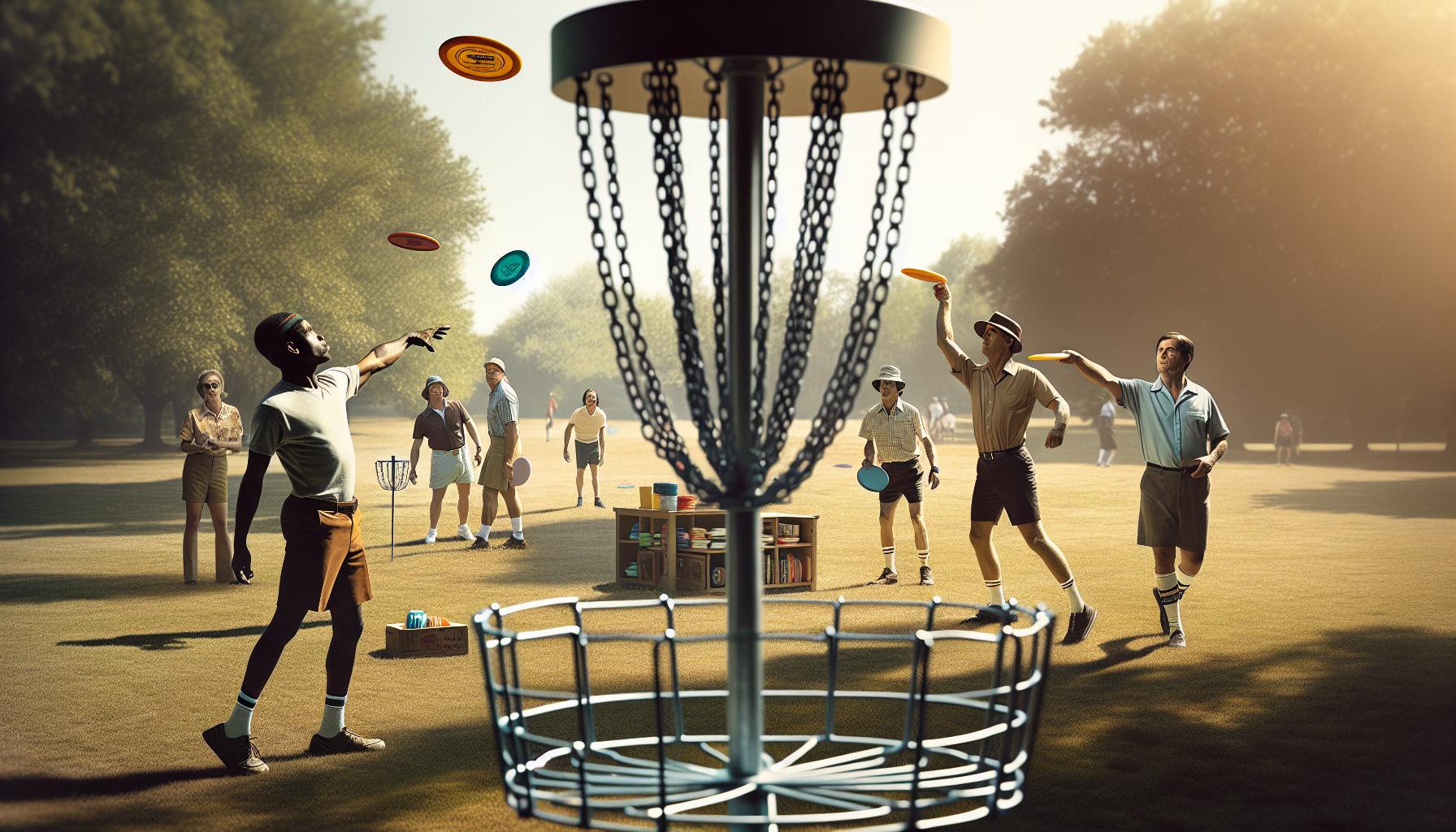
The evolution of disc golf from a niche pastime to a widely recognized sport can be traced back to the 1970s, a decade that laid the groundwork for the community and competitive structures we see today. Initially gaining traction in California, the sport was primarily played by enthusiasts who embraced the challenge of throwing discs at targets in parks and open spaces. This grassroots appeal would soon flourish into something much more organized and competitive.
The establishment of the Professional Disc Golf Association (PDGA) in 1976 marked a pivotal moment in the sport’s history, providing a formal structure for events, tournaments, and player registration. The PDGA played an essential role in standardizing rules and fostering competition, which helped cultivate a sense of legitimacy around disc golf. Thanks to well-organized tournaments, early champions began to emerge, and their successes fueled interest among both players and spectators. As media exposure increased-tournaments began appearing in sports magazines and were even broadcast on television-disc golf captured the attention of a broader audience, transforming perceptions of the sport from a casual hobby to a serious athletic endeavor.
Throughout the 1980s and into the 1990s, the rise of local clubs and leagues facilitated the creation of new courses across North America. By the end of the 1990s, more than 1,000 courses had been constructed, significantly improving access and encouraging more players to take up the sport. This expansion not only increased participation rates but also contributed to the growth of a vibrant community. Players of all skill levels began to form bonds over shared experiences, fostering a culture of competition and camaraderie that continues to thrive today.
Notably, as the sport grew, so did the complexity and variety of equipment available. Advances in disc technology started to influence throwing techniques and strategies, making the game more accessible to newcomers while still challenging seasoned players. With innovations in disc design-including variations in weight, plastic types, and shaping-players could tailor their gear to suit their individual playing styles.
The combination of organized play, technological advancement, and a welcoming community has propelled disc golf into the limelight, positioning it as a sport that appeals to a diverse audience of all ages and skill levels. Whether on a casual stroll in the park or competing in a professional tournament, players are united by their love of the game, making disc golf a remarkable example of a sport that balances competition with joy.
Impact of Tournaments on Popularity
The competitive landscape of disc golf has been instrumental in its rise to popularity, transforming perceptions and engaging a broader audience than ever before. Tournaments serve as the ultimate showcase for player talent, often drawing in crowds who may not have previously participated in or even heard of the sport. The early establishment of the Professional Disc Golf Association (PDGA) played a crucial role in this process, as it provided a formal structure for competitive play, setting standardized rules and guidelines that lent credibility to the sport.
One of the most impactful events was the emergence of major tournaments in the late 1970s and early 1980s, such as the United States Disc Golf Championship. These competitions not only highlighted the skills of professional players but also generated media attention that broadened disc golf’s reach. Coverage in sports magazines, television broadcasts, and online platforms allowed viewers to witness the excitement and strategy involved in the game. As players exhibited incredible throwing techniques and precision, the intrigue grew-more people wanted to pick up a disc and try their hand at it.
Additionally, local tournaments and leagues began to proliferate throughout the 1980s and 1990s, creating an environment where players of all skill levels could participate. These grassroots events fostered a vibrant community spirit, as players came together not just to compete but to share their passion for the sport. As participation soared, so did interest in organizing larger scale events. This synergy helped to form a competitive culture that blurred the lines between amateur and professional status, making it easier for newcomers to feel welcomed in the disc golf community.
One significant factor to note is the role of influential players in shaping the sport’s narrative. Professional athletes who excelled in tournaments became ambassadors for disc golf, not only inspiring others through their performances but also highlighting the sport’s athleticism. Their stories, often shared in interviews or through social media, emphasize the dedication required to excel and encourage newcomers to engage with the community through local tournaments and leagues. This dual focus on competition and community fosters an inviting atmosphere for both serious competitors and casual players, solidifying disc golf’s place as a beloved sport.
In summary, the impact of tournaments on the popularity of disc golf is multifaceted, blending competitive thrill with community warmth. The structured play introduced by the PDGA, the media exposure from major events, the accessibility of local tournaments, and the inspirational narratives of elite players collectively contribute to a sport that resonates with a diverse audience, ensuring its continued growth and recognition in the sporting world.
Influential Players Who Shaped the Game
Disc golf has evolved into a beloved sport thanks in no small part to the influential players who have shaped its growth and popularity. Among the early pioneers, Ken Climo, known as the “Champ,” set a new standard for excellence in the sport. With 12 PDGA World Championships to his name, Climo’s skill and sportsmanship inspired countless players and elevated competitive play. His seamless blend of power and finesse, particularly in long-distance throwing, introduced novice players to the possibility of achieving similar mastery through practice and dedication. Climo’s enduring legacy and approachable persona have made him a central figure in disc golf’s cultural fabric.
Another transformative figure is Elaine King, a legend in women’s disc golf who has championed the development of the sport for female players. King was not only the first woman to break through the glass ceiling in professional disc golf with multiple world titles, but she also played a significant role in creating opportunities for women in the sport. Beyond her competitive accomplishments, she has been a tireless advocate for inclusivity and growth, emphasizing skill development and community involvement for women and girls interested in taking up the sport. King’s influence continues to resonate today as more women participate actively in disc golf.
The evolution of disc golf can also be attributed to players like Paul McBeth, who has become a symbol of the sport’s potential. McBeth’s remarkable skill set, inclusive approach to teaching, and his savvy business acumen helped further mainstream disc golf, especially with his recent endorsement deals that raised the profile of disc golf in commercial circles. His social media presence and engaging content provide invaluable resources for players at all levels, reinforcing a sense of community among enthusiasts while attracting a new generation of players eager to learn from a modern icon.
These individuals, among many others, have not only demonstrated the physical capabilities and strategic thinking essential for success in disc golf but have also invested in the sport holistically. Their stories of triumph and personal connection to the game foster an environment that welcomes newcomers and respects seasoned players. This celebratory spirit underpins disc golf’s growth, making it a sport that is as much about community and passion as it is about athleticism.
The Role of Disc Golf in Popular Culture
Disc golf has seamlessly woven itself into the fabric of modern popular culture, transcending its roots as a niche pastime to become a recognized and celebrated sport. Iconic figures such as professional players and influential content creators have magnified its visibility, directly contributing to a burgeoning community and elevating the sport’s profile on social media platforms. With disc golf’s unique blend of sport and leisure, it has attracted a diverse following-from serious competitors to families enjoying casual rounds at local parks.
The rise of disc golf in popular media, including films, TV shows, and online streaming platforms, has showcased its vibrant community and dynamic play. Documentaries and features on ESPN have spotlighted major tournaments, depicting the skill and camaraderie of players while vividly capturing the stunning natural landscapes where many courses are located. Engaging narratives around tournaments have brought attention to key events, making them more accessible to those unfamiliar with the sport. These portrayals not only entertain but also inspire new players to pick up a disc and participate.
Engagement Through Social Media
Social media platforms have catalyzed the growth of disc golf culture, serving as hubs for information, tutorials, and community discussions. Influential disc golfers utilize platforms like YouTube and Instagram to share insights on throwing techniques, equipment reviews, and gameplay strategies, engaging both novices and seasoned players alike. Here are a few ways disc golf has thrived online:
- Educational Channels: Content creators provide step-by-step guides on harnessing the mechanics of disc flight and improving throwing techniques, making it approachable for all skill levels.
- Community Events: Virtual tournaments and challenges encourage participation from around the world, fostering a sense of belonging and competition among players.
- Product Reviews: Videos and posts compare different brands of discs and accessories, guiding new players on equipment choices and more.
As the sport continues to gain traction, the inclusion of disc golf within larger sports narratives-such as televised championship events-serves to legitimize it as a serious athletic pursuit. This visibility, paired with the open and welcoming culture of disc golfing, encourages participation across age groups and backgrounds, further expanding its reach.
In summary, disc golf is more than just a game; it has become a cultural phenomenon that champions community connection, celebrates athleticism, and invites newcomers into a vibrant and supportive environment. As more players embrace this sport, its role in popular culture will likely grow, solidifying disc golf’s place in both athletic and leisure spheres.
The Evolution of Disc Golf Equipment
The transformation of disc golf equipment has played a pivotal role in popularizing the sport and enhancing player performance since its inception. Initially, disc golf utilized simple flying discs that were first introduced in the late 1960s, resembling the recreational toys made by manufacturers like Wham-O. The game’s early adopters often used these general-purpose flyers, which had varying levels of aerodynamic efficiency. As the sport grew, it became clear that specialized equipment was essential for improving the game and catering to different throwing styles and conditions.
As we moved into the 1970s and 1980s, the first dedicated disc golf manufacturers, such as Innova and Discraft, began to produce discs specifically designed for the sport. These early models featured improvements in weight distribution, rim shape, and material composition, allowing for more control and distance. The introduction of the “driver,” “mid-range,” and “putter” categories revolutionized the game, as players could select discs tailored to their specific needs. Understanding the nuances of disc flight became crucial, where factors like stability and glide were increasingly acknowledged.
Modern Advancements in Disc Technology
Today’s discs are crafted using advanced plastic materials that enhance grip and durability, while also being lightweight. Players can now choose from a wide array of disc types, each tailored to particular throwing techniques and course layouts. For example, high-speed drivers can reach incredible distances, while stable putters excel in precision and control during close-range shots.
The introduction of technology into disc design has further refined performance. Manufacturers now utilize computer modeling and flight data analysis to create discs that behave predictably under various conditions. For competitive players, understanding disc specifications-including speed, glide, turn, and fade-can significantly impact strategy during tournaments.
Equipment for Every Player
The growth of the sport has also seen a rise in a comprehensive variety of equipment aimed not just at competitive players, but also newcomers and casual enthusiasts. Here are a few examples of gear that can enhance anyone’s disc golf experience:
- Disc Bags: Lightweight and ergonomically designed bags now feature compartments to hold multiple discs, water bottles, and personal items.
- Apparel: Clothing made from breathable, stretchable materials that offer comfort and weather resistance while playing.
- Accessories: Items like mini markers for putting, scorecards, and even GPS devices for measuring distance have become common.
As the sport becomes increasingly mainstream, more manufacturers are entering the market, and innovations keep improving the player’s experience. With this evolution of equipment, disc golf not only supports seasoned players aiming for the professional circuit but also welcomes newcomers eager to enjoy the sport in a casual, friendly setting, thus bridging the gap between competition and relaxation. The continuous improvement in disc technology and related accessories ensures that players of all levels can find equipment that suits their style, enhancing both their performance and enjoyment of this dynamic game.
Women in Disc Golf: Growth and Recognition
The landscape of disc golf is rapidly evolving, and women are playing a pivotal role in its growth and recognition. Over the past few decades, the sport has seen a significant increase in female participation, both in recreational play and professional competition. As disc golf continues to expand its reach, women are not just participating; they are excelling and reshaping the narrative of the game. The first Women’s World Championship took place in 1986, but today’s events draw large crowds and showcase the incredible talent of female athletes on a global stage.
Despite its traditionally male-dominated history, the rise of women in disc golf has prompted a wave of inclusivity and support. Organizations like the Professional Disc Golf Association (PDGA) have instituted programs specifically designed to encourage female players, from providing mentorship opportunities to offering scholarships for youth players. Local leagues and clubs have also become more intentional about welcoming female participants, often hosting women’s-only tournaments and clinics aimed at fostering a supportive environment. These initiatives not only recognize the skill and dedication of women in the sport but also help to build a vibrant community around it.
Moreover, the impact of professional female players has been monumental. Athletes like Paige Pierce, Catrina Allen, and Kristin Tattar have gained national and international acclaim, not only for their competitive achievements but also for their roles as ambassadors for the sport. Their performances inspire a new generation of female players, showing that disc golf is a legitimate and rewarding pursuit. This visibility has also led to increased sponsorship opportunities for women, improving the financial viability of pursuing professional disc golf as a career.
As women continue to carve out their space in this growing sport, they bring unique perspectives and approaches to the game. Many female players emphasize the importance of community and collaboration, often inviting newcomers to play alongside them and sharing tips on technique and strategy. This nurturing attitude helps dismantle barriers and encourages more women to pick up a disc and join the fun. With ongoing growth in participation and recognition, the future of women in disc golf looks promising, highlighting the sport’s rich diversity and potential for continued expansion.
Local Disc Golf Communities and Leagues
Disc golf thrives on community. Whether you’re a seasoned pro or a curious newcomer, local leagues and disc golf clubs offer unique opportunities to engage, learn, and grow within the sport. These community hubs play a pivotal role in promoting inclusivity, improving skills, and fostering friendships among players of all levels. Many local leagues host regular tournaments, casual meetups, and instructional clinics, helping to break down barriers for beginners and create a welcoming environment where everyone can enjoy the game.
Participating in a local league is an excellent way to enhance your skills while making new friends. Here are some of the benefits of joining a community league:
- Skill Development: Regular play with others allows you to learn from more experienced players, share techniques, and receive valuable feedback on your game.
- Competition: Clubs often organize tournaments that cater to various skill levels, providing an avenue for friendly competition and personal growth.
- Social Connections: Local leagues are a great way to meet people who share your passion for disc golf, leading to friendships that extend beyond the course.
- Community Support: Many leagues are involved in maintaining local courses, organizing events, and promoting the sport, making you part of a larger effort.
To give you a sense of what participating in a local community entails, consider the league’s structure. For instance, players may participate in weekly rounds where scores are tracked for casual competitions. Some leagues implement a handicap system to level the playing field, allowing players of different skill levels to compete against each other in a fair and engaging manner. It’s not uncommon for clubs to have special events focused on introducing newcomers to disc golf, highlighting a commitment to growing the sport from the grassroots level.
Additionally, local communities often host charity events, fundraisers, and clinics focused on various aspects of the game-from driving distance to putting proficiency. By getting involved, you not only improve your game but also contribute to the sport’s growth and sustainability in your area. As disc golf increases in popularity, these local leagues serve as the backbone of its community, creating spaces where the sport can flourish and inspire future generations of players.
Disc Golf: A Global Sport Expansion
As disc golf continues to soar in popularity worldwide, it has evolved from a niche pastime into a global sport embraced by players across continents. The game’s appeal lies not just in its accessibility, but also in its blend of athleticism, strategy, and community spirit. With simple equipment requirements-a disc and a course-people of all ages and backgrounds can participate, making it a truly inclusive sport. This accessibility is a significant factor in its rapid global expansion, capturing the imagination of new players and seasoned athletes alike.
One of the pivotal moments in disc golf’s global journey came with the establishment of international governing bodies like the Professional Disc Golf Association (PDGA), which strives to standardize rules and promote competitive play. The PDGA’s global events, combined with the growing number of local leagues, foster a sense of community and camaraderie among players. Tournaments now occur not only in the United States but also in Europe, Asia, and beyond, each adding to the sport’s rich tapestry. The rise in sponsorship and media coverage has propelled elite players into the spotlight, introducing the sport to wider audiences and inspiring many to pick up a disc for the first time.
As disc golf has spread, it has also adapted. Courses are springing up in urban areas and public parks, often utilizing existing landscapes to create cost-effective playing environments. This approach encourages play in communities that might not traditionally have easy access to formal sports facilities. Events like the Disc Golf World Championships draw international competitors, showcasing the sport’s elite talent and elevating its status as a legitimate athletic pursuit.
The impact of social media cannot be understated; platforms like YouTube and Instagram allow for the sharing of tips, tricks, and thrilling gameplay moments, furthering interest and participation. Online communities provide invaluable resources for players, offering everything from instructional videos to forums where enthusiasts can share their experiences and advice. As new players discover disc golf through these mediums, the sport’s growth shows no signs of slowing, suggesting an exciting future filled with potential for even broader reach and influence.
In summary, disc golf’s expansion on a global scale highlights the sport’s capacity to unite individuals across cultures and skill levels. With its welcoming nature, accessible format, and vibrant community, disc golf is paving the way for a new generation of athletes eager to participate in this dynamic sport.
Current Trends and Future of Disc Golf
As the popularity of disc golf continues to climb, new trends are shaping its future. Recent years have seen a notable increase in participation across diverse demographics, with the sport attracting everyone from families seeking outdoor activities to highly competitive players pushing the limits of athleticism. A captivating fact is that the number of new disc golf courses has doubled in the last decade, reflecting not just the sport’s growth but also the increasing demand for accessible recreational spaces. This expansion is fundamentally transforming local communities and elevating disc golf to the forefront of mainstream sports culture.
One of the most significant trends is the rise of technology in disc golf. From mobile applications that track player statistics to advanced disc materials designed for better performance, technology is enhancing how players experience the game. This shift is encouraging a younger generation to engage with the sport. For instance, new disc models with improved aerodynamics help players achieve greater distance and accuracy, while online platforms like YouTube provide tutorials and tips, making high-level learning more accessible than ever. As social media further amplifies this trend, it creates communities where players can share strategies, techniques, and event highlights, nurturing a sense of belonging among enthusiasts.
Moreover, the inclusiveness of disc golf is a driving force behind its future. Initiatives aimed at promoting women’s participation have gained traction, as organizations actively support female players through outreach and competitive events. The increasing presence of female events in the tournament landscape not only champions equality in sports but also encourages girls to pick up a disc and play, thereby fostering a diverse range of champions for the future. In parallel, local disc golf leagues are emphasizing community engagement, organizing events that cater to various skill levels and encouraging newcomers to join, reinforcing disc golf’s reputation as a sport for everyone.
As we look ahead, the potential for global expansion seems boundless. Countries around the world are beginning to embrace disc golf, with courses popping up in urban settings-often with the help of local governments recognizing the sport’s beneficial impacts on community wellness and interaction. Global tournaments are becoming fixtures in the sports calendar, offering players exposure to international competition. The combined elements of community involvement, technological advancement, inclusivity, and international reach illustrate that disc golf is not just a passing trend; it’s solidifying its place as a world-class sport that transcends traditional athletic boundaries.
How Disc Golf is Taught and Learned Today
Learning disc golf today has transformed into an engaging, multifaceted experience that caters to players of all skill levels, encouraging both newcomers and seasoned veterans to deepen their understanding of the game. Given the sport’s rapid growth and increasing accessibility, many aspiring players find themselves drawn to the lush green courses dotted across communities worldwide. With the wealth of resources available both online and offline, it has never been easier to immerse oneself in the art of throwing discs, mastering technique, and strategizing gameplay.
The rise of technology plays a pivotal role in modern disc golf education. Mobile apps now offer insights into player statistics, course layouts, and real-time performance tracking, helping players analyze their games with unprecedented precision. YouTube has become a treasure trove of instructional content, featuring everything from fundamental throwing techniques to advanced tricks that can make a significant difference in performance. Players can learn from the best by watching professional disc golfers demonstrate their skills while offering tips that are easily digestible and applicable on the course.
Fundamental Techniques and Tips
For those just starting, understanding basic mechanics is crucial. Common techniques include the backhand throw, forehand throw, and approaching the basket with a putter. Here are a few tips to enhance learning and skill-building in disc golf:
- Grip: Ensure you have a firm grip on the disc, but not too tight. Your finger placement will affect the disc’s flight.
- Stance: Position your feet shoulder-width apart to maintain balance. Use your legs to generate power.
- Follow-through: Follow through smoothly after releasing the disc; this will improve your distance and accuracy.
As players evolve, the focus often shifts towards mastering advanced techniques and strategies. Understanding disc flight characteristics-such as stability, glide, and the variety of plastic types-can drastically affect gameplay and performance. Competitive players often study equipment specifications meticulously, comparing different disc models to find what suits their style best. A well-rounded knowledge base can greatly influence performance in local and international tournaments.
Community engagement remains a crucial aspect of learning disc golf. Joining local leagues and participating in community events allow players to gain experience, meet fellow enthusiasts, and receive feedback on their performance-fostering a supportive atmosphere that celebrates growth and camaraderie. As disc golf continues to flourish, its educational landscape will likely expand, offering even more resources and opportunities for players to refine their skills and deepen their love for the game.
Faq
Q: When did disc golf start to gain popularity in the United States?
A: Disc golf began gaining popularity in the United States during the 1970s, particularly after the first official tournaments were organized. The establishment of the Professional Disc Golf Association (PDGA) in 1976 helped formalize the sport, leading to an increase in recognition and participation.
Q: What factors contributed to the rise of disc golf in the 1980s?
A: The rise of disc golf in the 1980s was driven by increased media coverage, the creation of disc golf courses across parks, and the success of professional tournaments. These elements made the sport more visible and accessible to the public, encouraging wider participation.
Q: What role did professional tournaments play in popularizing disc golf?
A: Professional tournaments have been crucial in popularizing disc golf by showcasing elite players and exciting competition. Events like the World Disc Golf Championships attracted media attention, highlighting the sport’s growth and inspiring new players to participate.
Q: How has disc golf evolved in terms of equipment since its inception?
A: Since its inception, disc golf equipment has evolved significantly. Initially, players used modified Frisbees, but advancements in technology have led to specialized discs designed for different throwing styles and distances, improving gameplay and player performance.
Q: What impact has social media had on the growth of disc golf?
A: Social media has amplified the growth of disc golf by enabling players to share their experiences and skills and connect with a global community. Platforms like YouTube and Instagram showcase tournaments, tutorials, and player profiles, drawing new enthusiasts to the sport.
Q: Why is disc golf becoming popular internationally?
A: Disc golf is becoming popular internationally because of its low cost, accessibility, and growing networks of local leagues and clubs. Countries in Europe and Asia are contributing to the sport’s expansion, as more people discover its inclusive and social nature.
Q: Who are some influential players that shaped the history of disc golf?
A: Influential players in disc golf history include Ken Climo, known as the “Champ,” who won numerous world titles, and Elaine King, a pioneer in women’s disc golf. Their achievements have inspired many and promoted the sport across diverse demographics.
Q: What are current trends in disc golf that indicate its future growth?
A: Current trends indicating the future growth of disc golf include an increase in course development, the rise of professional tours, and growing participation among women and youth. These trends suggest a robust and expansive future for the sport globally.
Closing Remarks
As we’ve explored in our timeline, disc golf has transformed from a niche hobby to a widely celebrated sport that brings communities together. Whether you’re a beginner looking to grasp the basics of throwing techniques or a seasoned player wishing to refine your skills, there’s always more to discover. Don’t miss out on our comprehensive guides on disc flight characteristics and course strategies, which can elevate your game to new heights.
Ready to join the disc golf revolution? We invite you to explore our latest articles on tournament preparation and equipment comparisons that cater to every skill level. Consider subscribing to our newsletter for exclusive insights and tips, ensuring you stay up-to-date with this thriving sport. Share your thoughts or experiences in the comments below; we love hearing from our community! Remember, every throw counts-keep practicing, and who knows, you might find yourself among the next generation of disc golf champions!
Get our latest guides, news, and insights highlighted in your Google Search & AI Overviews.