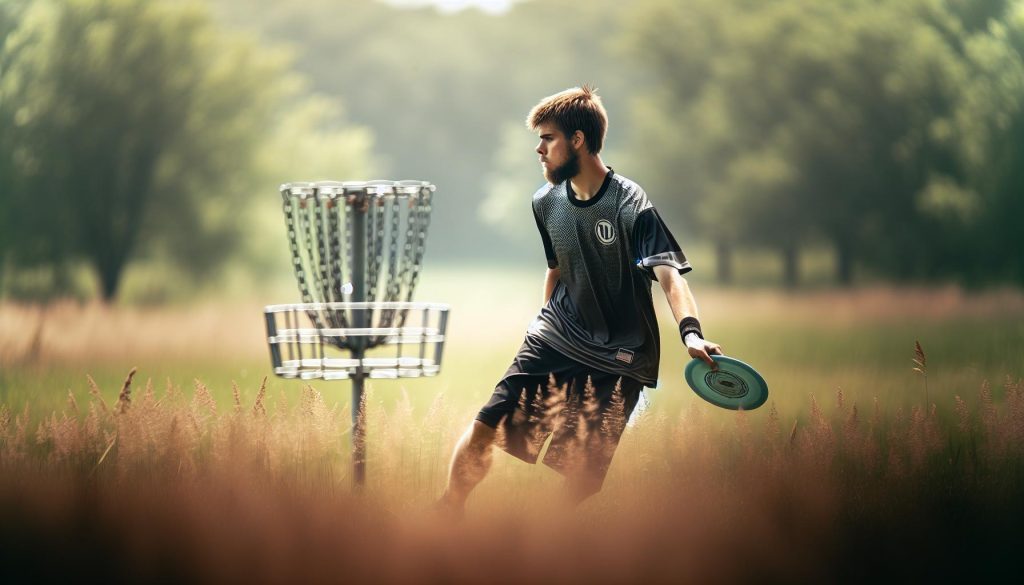
Did you know that disc golf is one of the fastest-growing sports worldwide, blending athleticism, strategy, and community? As more players seek to elevate their passion into a professional career, understanding the viable pathways in this unique sport has never been more essential. “Can You Play Professional Disc Golf: Career Pathway Roadmap” is designed to guide both newcomers and seasoned players through the intricacies of turning a love for disc golf into a fulfilling profession. With insights into skill development, competitive strategies, and real-world experiences from pros, this roadmap addresses crucial concerns about training, tournament participation, and navigating the disc golf industry. Whether you’re looking to enhance your game or explore potential career options, this guide offers valuable knowledge that speaks to your goals. Join us as we unravel the exciting journey of professional disc golf, where ambition meets opportunity!
Can You Make a Career in Professional Disc Golf?
Can you achieve a prosperous career in professional disc golf? The answer is increasingly “yes.” As the sport continues to grow in popularity and recognition, more players are finding opportunities not just to play competitively, but also to make a living in various facets of the sport. From professional tournaments with substantial cash prizes to sponsorships and endorsements, the landscape of disc golf is transforming into a viable career path for passionate enthusiasts.
Professional disc golf offers various avenues for earning a livelihood. Players can earn money through tournament entries, where professional events frequently feature substantial payout structures. For instance, events like the PDGA (Professional Disc Golf Association) Tour attract top talent and offer thousands of dollars in prize money, creating a competitive yet lucrative environment for those who excel. Moreover, the rise of media coverage, including YouTube channels and streaming platforms dedicated to disc golf tournaments, provides additional revenue channels, as popular players can leverage their visibility for lucrative sponsorship deals.
However, excelling in professional disc golf requires more than just skill on the course. Networking within the disc golf community-through local clubs, online forums, and social media-is crucial for building relationships that can lead to sponsorships and support. Engaging with fans, attending events, and participating in discussions can enhance visibility and establish a personal brand that resonates within the community. Furthermore, understanding the economics of the sport, from equipment sales to merchandise opportunities, can provide insights into additional income streams and business ventures.
The path to a successful career in disc golf is not without its challenges. Aspiring professionals must be prepared for the physical demands of the sport and the realities of competition, which can be mentally taxing. However, with dedication, continuous practice, and the right approach to both play and marketing oneself, the dream of turning a passion for disc golf into a profession is more achievable than ever.
Essential Skills for Aspiring Disc Golf Professionals
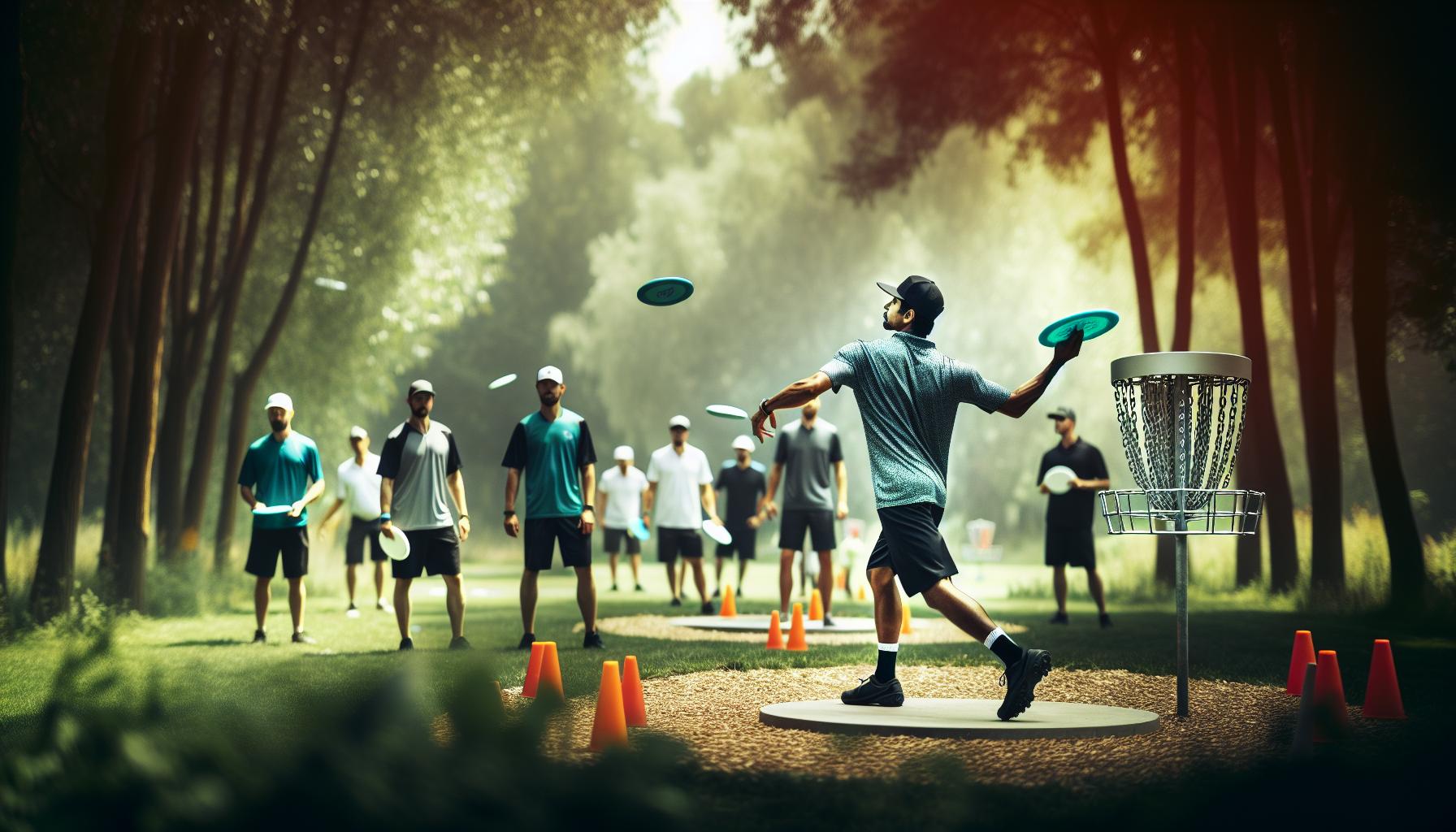
Aspiring to excel in professional disc golf isn’t just about being able to throw a disc far; it requires a diverse skill set that blends physical proficiency, strategic thinking, and community engagement. As the sport evolves, so does the necessity for players to adapt and refine their abilities to compete effectively at higher levels. Whether you’re just starting or looking to move into professional play, understanding and developing these essential skills will pave your way toward success.
One of the foundational skills is mastering the throwing mechanics. Effective disc golf involves various throwing techniques-forehand, backhand, and overhand throws, each of which has its own applications depending on the situation on the course. For instance, backhand throws are generally preferred for distance, while forehand throws can be crucial for navigating obstacles. Proper grip, stance, and follow-through are vital. Here’s a quick technique guide for beginners:
- Grip: Hold the disc firmly, ensuring your fingers are placed properly for the throw type.
- Stance: Position your feet shoulder-width apart with your knees slightly bent for balance.
- Throw: Start from your hip and rotate your body for maximum torque, releasing the disc at shoulder height.
- Follow-through: Allow your arm to extend naturally, leading with your elbow to ensure proper disc flight.
Understanding disc flight characteristics is another crucial component. Knowing how different discs behave based on their stability, weight, and design can set you apart from competitors. For example, stable discs are great for straight shots, while overstable discs are ideal for headwinds and sharp turns. Familiarizing yourself with the flight rating of discs (speed, glide, turn, and fade) helps you make strategic decisions during a round. Here’s a basic comparison of disc types:
| Disc Type | Flight Description | Best Use |
|---|---|---|
| Distance Driver | High speed, low glide | Long, open fairways |
| Fairway Driver | Moderate speed, moderate glide | Controlled drives and placement |
| Midrange | Versatile, smooth glide | Approach shots and shorter drives |
| Putter | Stable, high glide | Short throws and putting |
Moreover, an astute understanding of course strategy and management cannot be overlooked. Being able to read the course layout, identify risks, and choose the right disc for each shot can make a significant difference in your score. This involves not only knowing when to play conservatively but also recognizing opportunities to be aggressive, especially in tournament settings.
Cultivating a positive and proactive attitude towards community engagement is equally essential. Building connections within the disc golf community can lead to invaluable mentorship, sponsorship opportunities, and support systems. Engaging with fellow players online or at local leagues will enhance your visibility and help establish your personal brand. Consider participating in community events and interacting with fans through social media to amplify your presence.
In summary, aspiring to a professional level in disc golf requires a comprehensive approach to skill development that includes technical proficiency, strategic acumen, and community involvement. Embracing these areas will not only help you improve your game but also bolster your identity as a serious competitor in this vibrant and growing sport.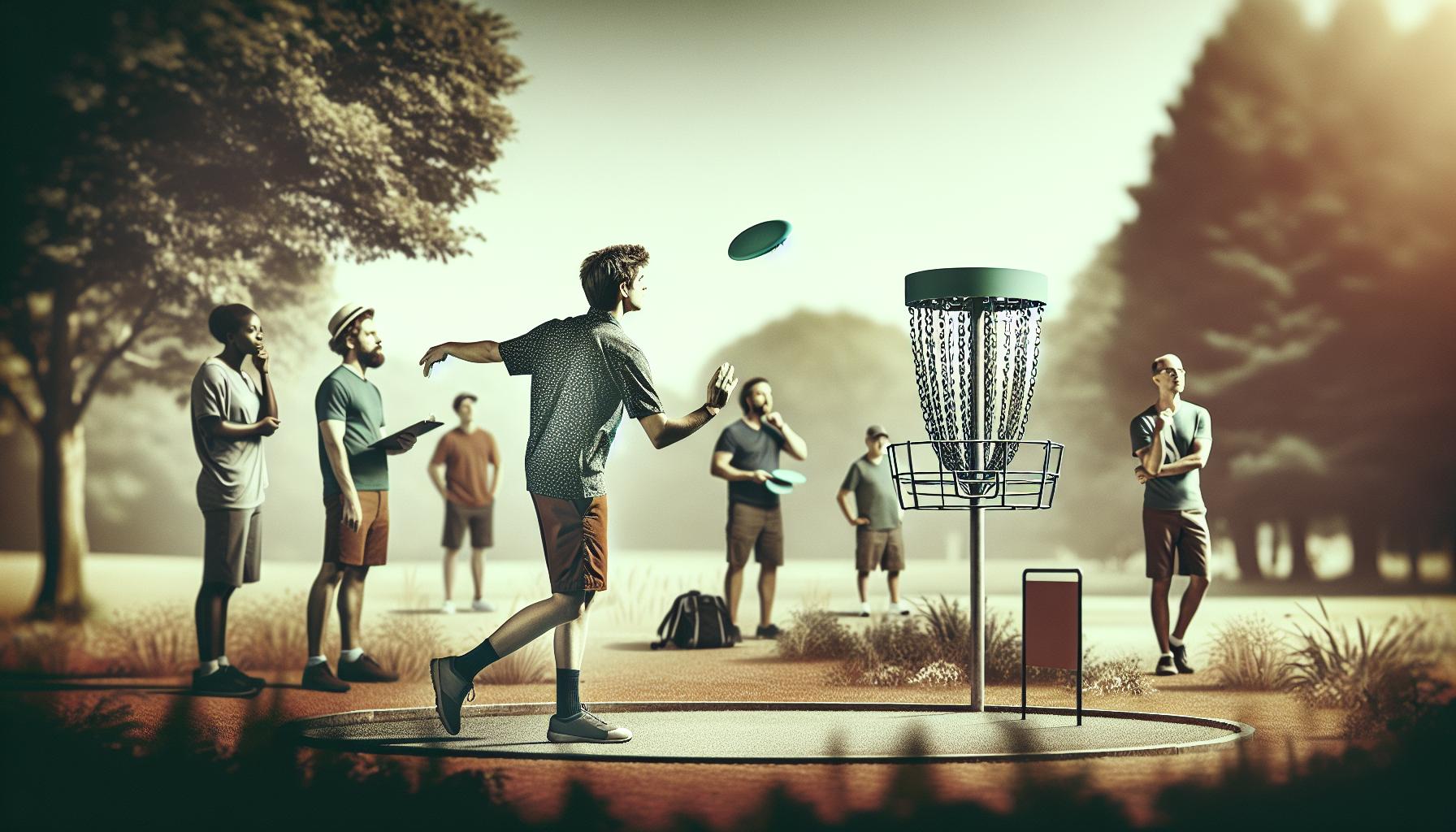
Understanding Disc Golf Equipment and Specifications
Understanding the intricacies of disc golf equipment is essential not only for improving your game but also for taking your first steps toward a professional career in this exciting sport. The right gear can significantly impact your performance on the course, and familiarity with equipment specifications helps you make informed choices tailored to your playing style and the course conditions.
When it comes to disc golf, the main types of discs you’ll encounter are distance drivers, fairway drivers, midrange discs, and putters, each designed for specific flight patterns and uses. For instance, distance drivers are built for maximum speed and distance, making them ideal for long, open fairways. Conversely, putters are meant for shorter throws, focusing on accuracy and control, especially during crucial putting situations. Here’s a quick comparison of disc types:
| Disc Type | Flight Description | Best Use |
|---|---|---|
| Distance Driver | High speed, low glide | Long, open fairways |
| Fairway Driver | Moderate speed, moderate glide | Controlled drives and placement |
| Midrange | Versatile, smooth glide | Approach shots and shorter drives |
| Putter | Stable, high glide | Short throws and putting |
Understanding how disc flight characteristics impact performance is crucial. Each disc has a flight rating that typically includes four key components: speed, glide, turn, and fade. Speed refers to how fast a disc needs to be thrown to achieve its optimal flight path, while glide indicates how long it will stay in the air. Turn measures how much a disc will curve to the right (for a right-handed backhand thrower) during its flight, and fade describes how much it will hook to the left at the end. Choosing discs that complement your throwing style and mastering their specifications can be the difference between a good throw and a great one.
Moreover, investing in quality gear extends beyond just discs. A comfortable and well-fitted bag, appropriate footwear for different terrains, and accessories such as towels and markers contribute significantly to your performance and enjoyment. When you feel good about your equipment and its fit for your style, it enhances your focus during competitive play, allowing you to concentrate on strategy and execution. As you explore the world of disc golf, remember that each piece of equipment is a tool designed to elevate your game, so take the time to understand and choose wisely.
By engaging with this essential aspect of disc golf, you not only prepare yourself physically but also intellectually for the demands of the sport. Embrace the nuances of your gear, and you’ll find that it not only enhances your performance but also deepens your connection to the game and community, paving the way for a rewarding professional journey in disc golf.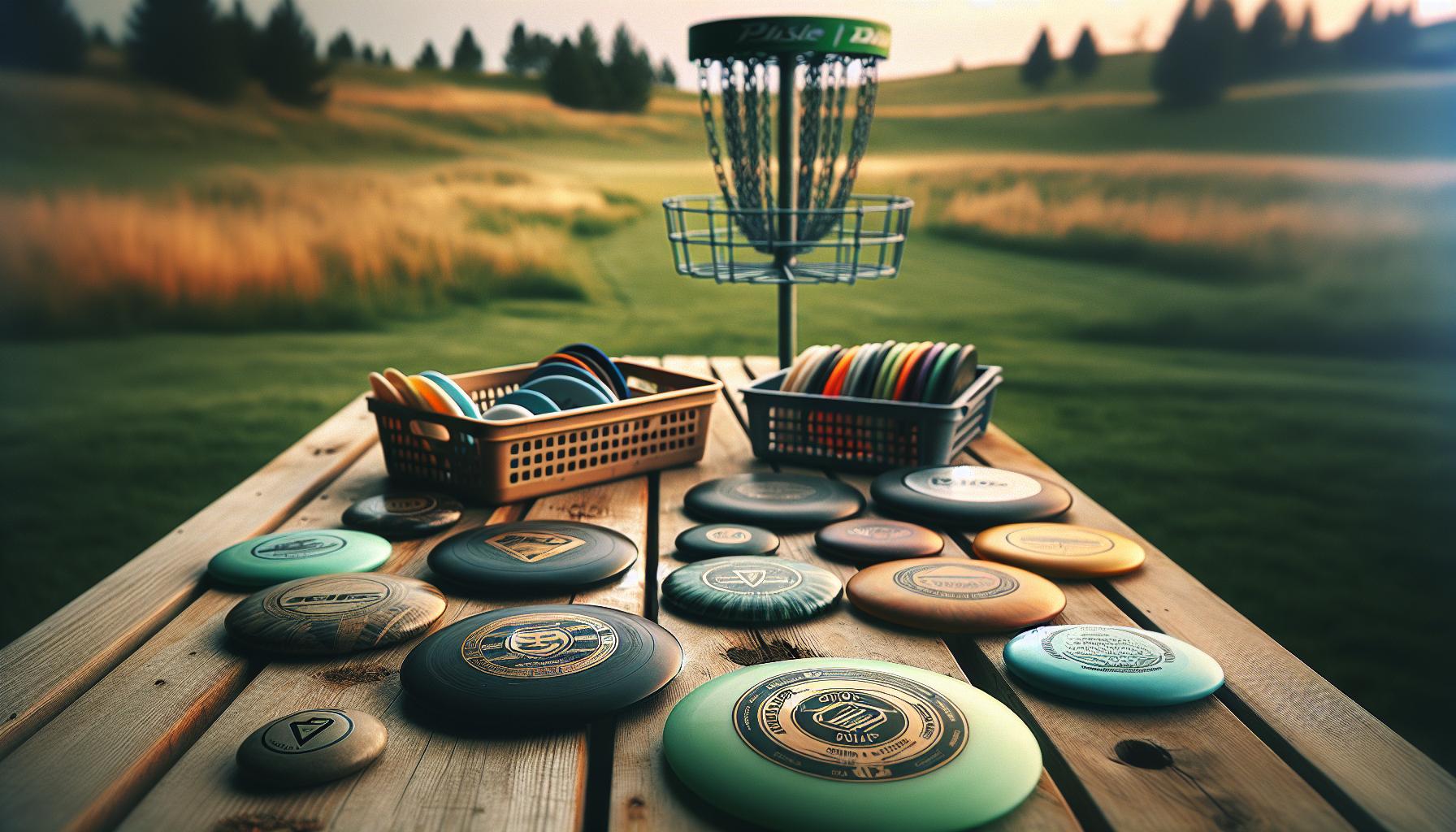
Mastering Throwing Techniques for Competitive Play
The foundation of successful disc golf play lies in mastering throwing techniques, which not only enhance your competitive edge but also deepen your connection to this exhilarating sport. Each throw type-whether it’s a drive, approach, or putt-requires its own specific mechanics and mindset. Understanding and refining your throwing techniques can transform your performance on the course, enabling you to navigate varying terrains and course layouts with confidence.
Key Throwing Techniques
To excel in competitive play, familiarize yourself with the following throwing techniques:
- Backhand Throw: This is the most common throw in disc golf. Start with the disc in your dominant hand, pull it back against your body while shifting your weight to the back foot, and release it by pivoting forward while generating snap with your wrist. Focus on following through to maintain accuracy.
- Forehand (Flick) Throw: While less common, this throw is instrumental for navigating tight spaces. Hold the disc with your index and middle fingers underneath and your thumb on top. Use a flicking motion of your wrist while stepping forward to propel the disc, aiming for a quick snap to maximize distance and stability.
- Overhand (Thumber or Tomahawk): Useful for getting over obstacles, the overhand throw starts with the disc held above your head. Propel it forward with a downward motion, snapping your wrist at the end. This technique can be especially effective in tricky situations where other throws might not suffice.
Understanding Disc Flight Mechanics
Each disc type reacts differently based on its design, and understanding these flight characteristics is paramount. The four components of a disc’s flight rating, which include speed, glide, turn, and fade, significantly affect how your throws will perform in various conditions. For example, a higher speed disc requires more power but can cover greater distances, while a disc with more glide will stay airborne longer.
You can enhance your skills by experimenting with these variables. For beginners, using slower discs with more glide can help in developing a feel for the game before transitioning to faster, more stable discs as your technique improves. This approach allows players to focus on mastering form without being overwhelmed by speed.
Practical Steps for Improvement
To consistently improve your throwing technique, consider implementing the following practices into your training routine:
- Video Analysis: Record your throws and analyze your form. This feedback loop is invaluable for identifying areas for improvement.
- Consistent Practice: Set aside dedicated time to practice each throw type in various scenarios. Repetition will boost your confidence and muscle memory.
- Join Local Clubs: Engaging with a community or club can provide insights and shared experiences that elevate your game. Learning from others can introduce you to different techniques and strategies.
As you progress in your journey towards professional disc golf, remember that passion and persistence are key. Celebrate the small victories along the way, and embrace the learning process. By honing your throwing techniques, you’ll not only improve your personal game but also contribute to the growth and excitement of the disc golf community.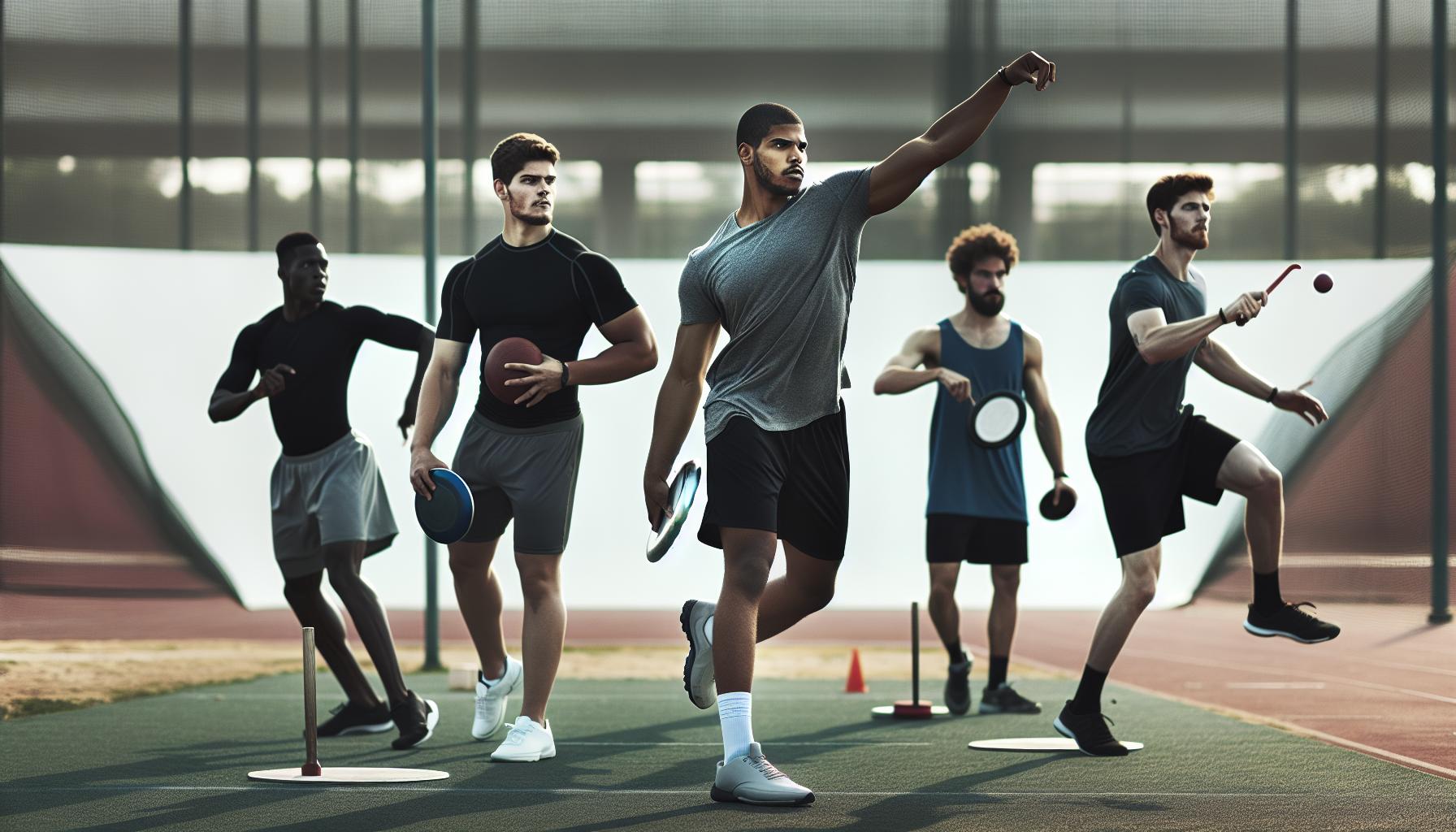
The Importance of Course Strategy and Management
To thrive in professional disc golf, understanding course strategy and management is as crucial as mastering throwing techniques. A well-thought-out strategy transforms your performance and can often be the deciding factor in tight competitions. Different courses present unique challenges, and the ability to adapt your approach based on course characteristics can significantly enhance your competitive edge.
When analyzing a course, start by studying its layout and identifying key features such as elevation changes, obstacles, and placement of hazards. Each of these elements can dictate your strategy for drives, approaches, and putting. For instance, on a course with many trees, it might be advantageous to favor forehand throws for tight spaces, while open courses may allow for more aggressive backhand drives. Mapping out how you intend to navigate each hole can help separate you from less experienced competitors who might not take these factors into account.
Another fundamental aspect of course management is understanding the wind and weather conditions. Wind can drastically alter the flight path of your disc, and being able to adjust your throw selection and technique based on real-time conditions is vital. Additionally, pacing yourself throughout the round is essential. Maintaining your energy levels and emotional focus is key to performing consistently well all the way to the final hole.
Lastly, consider your mental game as part of your course strategy. Visualization techniques, where you imagine your throws and the outcomes before taking action, can be incredibly beneficial. This not only prepares you for each shot but also boosts your confidence, allowing you to stay calm under pressure. Embrace the process of playing and manage your thoughts as much as your physical execution; this holistic approach can make all the difference in your journey toward becoming a professional disc golfer.
Building Your Disc Golf Network and Community
Establishing a strong network within the disc golf community is not just beneficial; it can be pivotal to your development as a professional player. Joining local clubs and participating in events opens doors to incredible opportunities for growth, mentorship, and sponsorship. Engaging with other players allows you to learn new techniques, gain insights on course management, and often find yourself inspired by fellow enthusiasts who share your passion.
One essential way to start building your network is by attending local tournaments. These events are often attended by players across all skill levels, offering a perfect platform to meet experienced competitors and industry insiders. Reach out and introduce yourself-most players will be more than happy to share their knowledge and experiences. Plus, you never know who might take notice of your enthusiasm and talent. Connect with your local disc golf clubs on social media-the online presence of many clubs fosters a vibrant community where members share tips, strategies, and upcoming events.
Moreover, take advantage of disc golf forums and online communities specific to the sport. Platforms such as Reddit, Facebook groups, and dedicated disc golf websites frequently facilitate discussions about gameplay, equipment, and local events. By participating in these online discussions, you can ask questions, share your experiences, and network with individuals and brands associated with disc golf.
Another beneficial approach is to seek out mentorship from seasoned professionals or coaches in the sport. Many experienced players enjoy giving back to the community by coaching newcomers or sharing their insights about competitive play. This guidance can be invaluable not only for improving your game but also for navigating the complexities of a professional career in disc golf.
In summary, building your disc golf network requires proactive engagement both in-person and online. Attend tournaments, engage in club activities, connect on social media, and don’t hesitate to seek mentorship. Each relationship you forge helps to legitimize your presence in the sport, making your journey toward a professional career more sustainable and enriching.
How to Excel in Disc Golf Tournaments
To thrive in the bustling arena of disc golf tournaments, mastering both the mental and physical aspects of the game is essential. Competitors often say that while physical skill is crucial, the psychological game can be just as pivotal. Focus, strategy, and resilience under pressure play huge roles in tournament success. If you can cultivate a strong mental game to complement your physical abilities, you’ll position yourself ahead of the competition.
Preparation starts long before the tournament day. Practicing on similar courses can help you familiarize yourself with different terrain and obstacles you may encounter. Aim to simulate tournament conditions during your practice sessions, including warming up, managing time, and dealing with distractions. Identify your strengths and weaknesses with various disc types and throwing techniques. For example, honing your forehand and backhand throws, learning to use hyzer and anhyzer angles effectively, and mastering various putt styles can significantly impact your score.
During the tournament, maintaining your composure is key. Set realistic goals for each round to help manage your expectations and focus on one throw at a time. Implement a routine that gets you into the right mindset before each throw-this could include deep breathing, visualizing a successful throw, or having a consistent pre-throw sequence. Remember, every player is susceptible to mistakes; what differentiates the greats is their ability to recover quickly and stay positive.
Lastly, don’t underestimate the power of community and support. Engaging with fellow competitors can provide valuable insights into strategy, equipment choices, and personal experiences that may enhance your own game. Observing how top players handle pressure situations can offer lessons that go beyond technique alone. Build relationships with other players, whether through practice rounds or casual discussions after matches; this camaraderie not only fosters a welcoming environment but also enriches your understanding of the game.
Incorporating these strategies into your tournament preparation and play will not only improve your performance but also deepen your love for this dynamic sport. As you embark on your journey toward becoming a professional disc golfer, embrace the challenges and joys that come with each tournament-every experience is a stepping stone toward your ultimate goals in disc golf.
Navigating Disc Golf Sponsorship Opportunities
Building a successful career in professional disc golf often hinges on the ability to attract and maintain sponsorships. While the growth of the sport has opened up greater avenues for financial support, understanding the dynamics of sponsorship can set you apart in this competitive landscape. Potential sponsors are looking for athletes who not only excel in the sport but also embody brand values and have a strong following or community engagement.
To begin with, consider these strategies when seeking sponsorship:
- Develop Your Brand: The first step toward securing a sponsor is to establish your personal brand. This includes creating a consistent visual identity, such as a logo or color scheme, and a clear message that resonates with your audience. Be active on social media platforms where disc golf enthusiasts gather, sharing insights about your journey, tournament highlights, and training tips.
- Engage with the Community: Sponsorship isn’t just about winning; it’s also about being a recognizable and active member of the disc golf community. Attend local tournaments, volunteer at events, and engage with fellow disc golfers online. Building relationships can lead to sponsorship opportunities as brands often prefer candidates who contribute positively to the sport’s community.
- Create A Compelling Sponsorship Proposal: When you feel ready to approach potential sponsors, having a well-crafted proposal can make all the difference. Include your tournament history, social media metrics, and your vision on how you can promote their brand. Highlight past partnerships if applicable, and outline what you can offer them, such as social media posts, on-course branding, or promotional events.
- Start Local: Don’t overlook local businesses that may be interested in supporting local athletes. Smaller companies may offer sponsorships with lower expectations, allowing you to build a portfolio of sponsorship experiences that larger brands will find attractive later.
Once you’ve established connections with sponsors, maintaining these relationships is crucial. Regular communication and reporting on what you’ve accomplished can help ensure that sponsors see the value in continuing their support. Share your successes in tournaments, updates on your social media growth, and any positive feedback from your audience regarding the brand.
Ultimately, as you navigate through the sponsorship landscape, remember that authenticity breeds trust. Being transparent about your goals and genuinely representing the brands you work with will resonate more deeply with your audience and foster long-lasting partnerships. As the sport continues to grow, those who skillfully manage their sponsorships may find themselves not only as ambassadors for their brands but also as pivotal members of the disc golf community.
Creating a Professional Online Presence
Establishing a strong online presence is essential for any aspiring professional disc golfer. In today’s digital age, your online image can significantly impact your career trajectory, helping you attract sponsorships, connect with fans, and showcase your skills. With over 4,000 disc golf courses across the globe, having a professional online footprint can enable you to stand out in a growing community of players all vying for attention.
One of the first steps in building your online presence is to create dedicated social media profiles. Platforms like Instagram, Facebook, and YouTube are ideal for sharing your journey, showcasing your throwing techniques, and engaging with fellow disc golf enthusiasts. Here are a few strategies to steer your social media efforts:
- Content Variety: Mix up your content by posting videos of your throws, sharing photos from tournaments, and providing insightful tips on techniques or equipment. Engaging storytelling can captivate your audience.
- Consistency is Key: Post regularly to keep your followers engaged. Whether it’s weekly updates or daily tips, find a rhythm that works for you and stick with it.
- Engage and Interact: Respond to comments and messages, participate in discussions, and take part in challenges or collaborations with other players. Building a community around your profile can enhance your presence.
Your website serves as the foundation of your online presence. Consider featuring a blog that covers various aspects of disc golf, from technique breakdowns to personal experiences at tournaments. This not only positions you as a knowledgeable player but also helps search engines direct traffic to your site, ultimately increasing your visibility.
Moreover, incorporating a professional photography portfolio can significantly enrich your online image. High-quality images from tournaments, practice sessions, and engaging with the community can draw in audiences and potential sponsors alike. Testimonials from fellow players and coaches can also bolster your credibility and showcase your impact in the disc golf realm.
Investing in a good online presence is not just beneficial for garnering personal recognition; it also facilitates networking opportunities within the sport. As you grow your following, you’ll attract the attention of sponsors looking for athletes who are actively engaging their audiences, making it essential to cultivate an authentic, professional, and enthusiastic online persona that resonates with the disc golf community.
Analyzing the Economics of a Disc Golf Career
The potential for a lucrative career in professional disc golf is becoming increasingly evident, as the sport continues to gain popularity and recognition. According to the Professional Disc Golf Association (PDGA), tournaments are seeing record attendance, while viewership on streaming platforms has spiked. This growing interest not only boosts player visibility but also opens up diverse revenue streams for those who take the plunge into professional play.
- Event Earnings: Prize money at disc golf tournaments can vary widely, with some events offering payouts exceeding $20,000 for top finishers. The lucrative nature of increased sponsorship and media attention allows players to earn substantial income simply by competing.
- Sponsorship Deals: As visibility increases, so do sponsorship opportunities. Major brands recognize the reach and engagement within the disc golf community, leading to potential contracts that can provide athletes with significant financial backing to further their careers.
- Merchandising: Many professional players create and sell their own line of merchandise, from branded disc golf discs to apparel. This creates an additional revenue stream and strengthens their brand identity, enhancing their marketability.
- Coaching and Clinics: With expertise and recognition, many players also pivot into coaching or conducting clinics, sharing their knowledge with newcomers and earning additional income while fostering community growth.
As aspiring professionals navigate their career paths, understanding the economic landscape of disc golf is vital. It’s essential for players to cultivate branding and personal marketing strategies that resonate with fans and sponsors alike. For example, players like Paul McBeth have built significant followings through engaged social media content, resulting in lucrative endorsement deals.
In conclusion, while the journey may require immense dedication and skill, the financial prospects in professional disc golf are evolving. Players who embrace both competitive excellence and savvy business practices will find themselves well-positioned to thrive in this dynamic environment. As the sport grows, both the passion for disc golf and the potential for economic success will likely continue to expand hand in hand.
Inspiring Stories of Successful Disc Golf Professionals
The journey of a professional disc golfer often mirrors the classic tale of perseverance and passion. One compelling example is that of Paul McBeth, a name synonymous with excellence in the sport. Beginning his career playing casual rounds with friends, McBeth quickly ascended the ranks by dedicating countless hours to practice and honing his skills. His breakthrough came when he secured the 2012 PDGA World Championship title, which set the stage for a series of record-breaking tournament wins. Today, McBeth not only garners significant prize money but has also capitalized on his success by establishing lucrative sponsorship deals. His brand, which includes signature discs and apparel, demonstrates how professional players can leverage their skill into a thriving business.
Similarly, the inspiring story of Jessica Weese highlights the importance of community and networking in a professional disc golf career. Known for her exceptional putting skills and technique, Weese started playing competitively in her teenage years. With the backing of a supportive local disc golf community, she participated in clinics that facilitated her growth. Weese emphasizes the value of mentorship and collaboration; she often attends disc golf festivals, sharing her techniques and learning from others. Her approach serves as a reminder that building relationships within the disc golf community can lead to opportunities, both on and off the course.
While success in disc golf is achievable through talent, it also requires strategic thinking. Take the story of Ricky Wysocki, who faced numerous hurdles early in his career, including injuries and personal setbacks. Instead of letting these challenges deter him, Wysocki adapted his training methods and mental approach, focusing on strengthening areas that needed improvement. His resilience paid off when he won back-to-back PDGA World Championships in 2016 and 2017. Wysocki’s story illustrates that setbacks can be a stepping stone to greatness, showcasing the spirit crucial for anyone aspiring to succeed in professional disc golf.
Success leaves clues, and aspiring disc golfers should look toward these inspirational figures. Whether it’s through consistency in practice, building a robust support network, or demonstrating resilience in the face of adversity, these professional athletes emphasize that the pathway to success is multifaceted. Each story not only showcases the potential heights of a professional disc golf career but also serves as a beacon of encouragement for newcomers, reminding them that with dedication and the right mindset, they too can achieve their dreams in this growing sport.
Future Trends in Professional Disc Golf Career Paths
The landscape of professional disc golf is rapidly evolving, creating an array of exciting career opportunities for players and enthusiasts alike. As the sport gains popularity, we can anticipate a shift towards more professionalization, which will both widen the scope of career paths and enhance the overall legitimacy of disc golf. For instance, with the increasing viewership of tournaments and the rise of online streaming platforms, aspiring professionals can explore avenues like content creation, where sharing skills, course management strategies, and personal journeys can generate income and foster community.
In tandem with growing media presence, advancements in disc golf equipment technology will play a vital role in professional careers. The development of high-performance discs tailored for different skill levels can provide players with more competitive advantages and refining techniques. A deeper understanding of this equipment-not only how it works but how to choose the right gear-will be essential for anyone looking to turn their passion into a profession. Knowledge of the latest disc specifications, such as weight, plastic types, and flight characteristics, will empower players to optimize their game for competitions and endorsements.
Moreover, as disc golf organizations continue to build and enhance their infrastructures through professional tours and official rankings, the potential for sponsorships will also expand. Players will need to sharpen their marketing strategies, creating a personal brand that resonates with fans and sponsors alike. This trend points not only to the importance of performance on the course but also to the value of engagement off it. A strong online presence through social media, streaming gameplay, and interacting with fans will be vital, allowing players to showcase their personalities alongside their talents, which can lead to lucrative partnership opportunities.
Lastly, the community aspect of disc golf cannot be underestimated. The establishment of teams, leagues, and collaborative events is steering the sport toward a more networked future, where connections can translate into job opportunities. By participating in local tournaments and joining professional networks, players can not only elevate their skills but also open doors to coaching roles, event organization, and even entrepreneurship through disc golf-related businesses. Emphasizing relationships built through shared passion will remain critical as the sport grows, creating an ecosystem that supports both newcomers and seasoned competitors in embarking on successful careers in disc golf.
Faq
markdown
Q: What skills do I need to become a professional disc golfer?
A: To become a professional disc golfer, you should focus on developing throwing techniques, course management skills, and a deep understanding of disc flight characteristics. Additionally, building mental resilience and networking skills is crucial for career advancement in this sport.

Q: How do I get sponsorships as a disc golfer?
A: Obtaining sponsorships in disc golf involves building your personal brand, showcasing your skills in tournaments, and engaging with the disc golf community. Create a professional online presence with social media and a personal website to attract potential sponsors. Check the section on Navigating Disc Golf Sponsorship Opportunities in the main article for more tips.

Q: What are the financial aspects of a career in disc golf?
A: A career in disc golf can be financially challenging, especially in the early stages. It's essential to analyze tournament earnings, sponsorship deals, and equipment expenses to ensure sustainability. Refer to the Analyzing the Economics of a Disc Golf Career section for detailed insights.

Q: What type of equipment do professionals use in disc golf?
A: Professionals typically use a variety of discs tailored to their skill level and throwing style, including drivers, midrange discs, and putters. Understanding equipment specifications is vital for performance, so familiarize yourself with the different types available to enhance your game.

Q: How can I excel in disc golf tournaments?
A: Excelling in disc golf tournaments requires consistent practice, mastering course strategies, and understanding how to manage pressure during competition. Assess your competition through practice rounds and seek feedback from experienced players. Check the section on How to Excel in Disc Golf Tournaments for more strategies.

Q: When should I consider transitioning to a professional disc golfer?
A: Consider transitioning to professional status when you consistently perform well in local tournaments and have built a reliable skill set in throwing, putting, and strategy. This transition often occurs after participating in regional events and establishing a strong community presence.

Q: Where can I find disc golf tournaments to participate in?
A: To find disc golf tournaments, visit local disc golf clubs, check community bulletin boards, and search online platforms like PDGA.com. Staying active in the community will help you uncover upcoming events, which you can leverage to improve your skills and competitiveness.

Q: Why is community important in disc golf?
A: Community is vital in disc golf for networking, motivation, and sharing knowledge. Engaging with fellow players helps you improve your game and provides emotional support during competitive seasons. Utilize the Building Your Disc Golf Network and Community section for guidance on fostering these connections.
In Conclusion
As you embark on your journey toward playing professional disc golf, remember that building your skills and understanding the sport’s nuances is key. This roadmap has equipped you with vital insights into training, technique, and tournament strategies to help you transition from a casual player to a competitive athlete. Don’t wait-start applying these tips today and see your game improve!
For even more in-depth guidance, check out our articles on mastering disc flight characteristics and effective throwing mechanics. If you’re interested in the latest disc golf gear, visit our product comparison section to find the best equipment for your needs. We encourage you to join our community discussions-share your experiences, ask questions, and connect with fellow disc golf enthusiasts. By staying engaged and informed, you’ll not only enhance your own game but also contribute to our vibrant disc golf community. Keep pushing your limits, and let’s elevate this sport together!