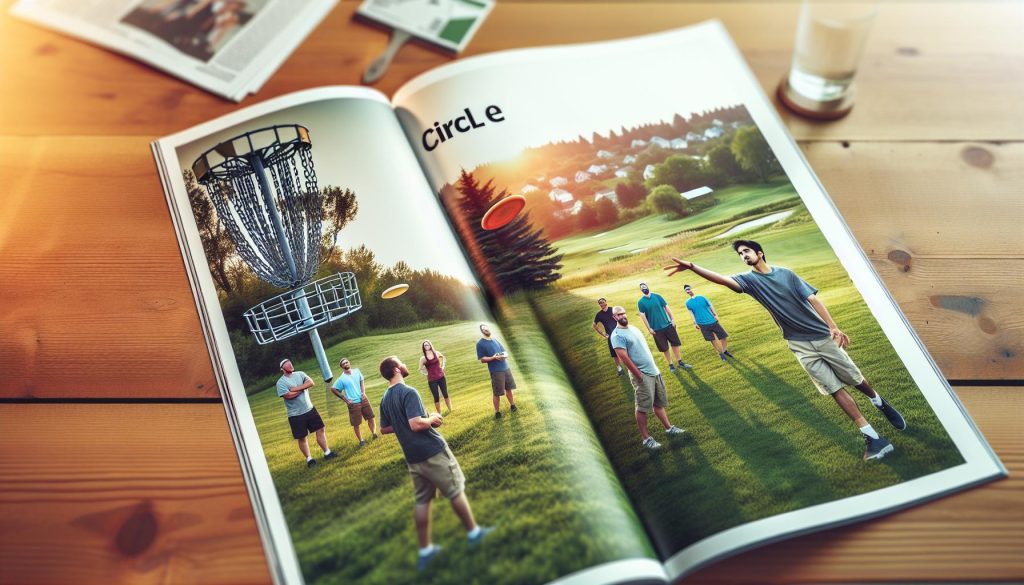
In disc golf, understanding the concept of “Circle 2” is crucial for improving your game and scoring. This specific distance-usually defined as 10 meters (about 33 feet) from the basket-has significant implications for both strategy and putting. Did you know that players outside this range face a unique challenge, often leading to different mental and physical approaches? Whether you’re honing your skills or diving into competitive play, mastering your distance from Circle 2 can transform your performance. As you explore how far Circle 2 is in disc golf, you’ll uncover techniques for better throwing mechanics and gain insights into effective practice strategies. This knowledge isn’t just a statistic; it’s a stepping stone to elevating your game and scoring success on the course. Let’s delve deeper into why mastering this distance matters and how it can enhance your overall disc golf experience.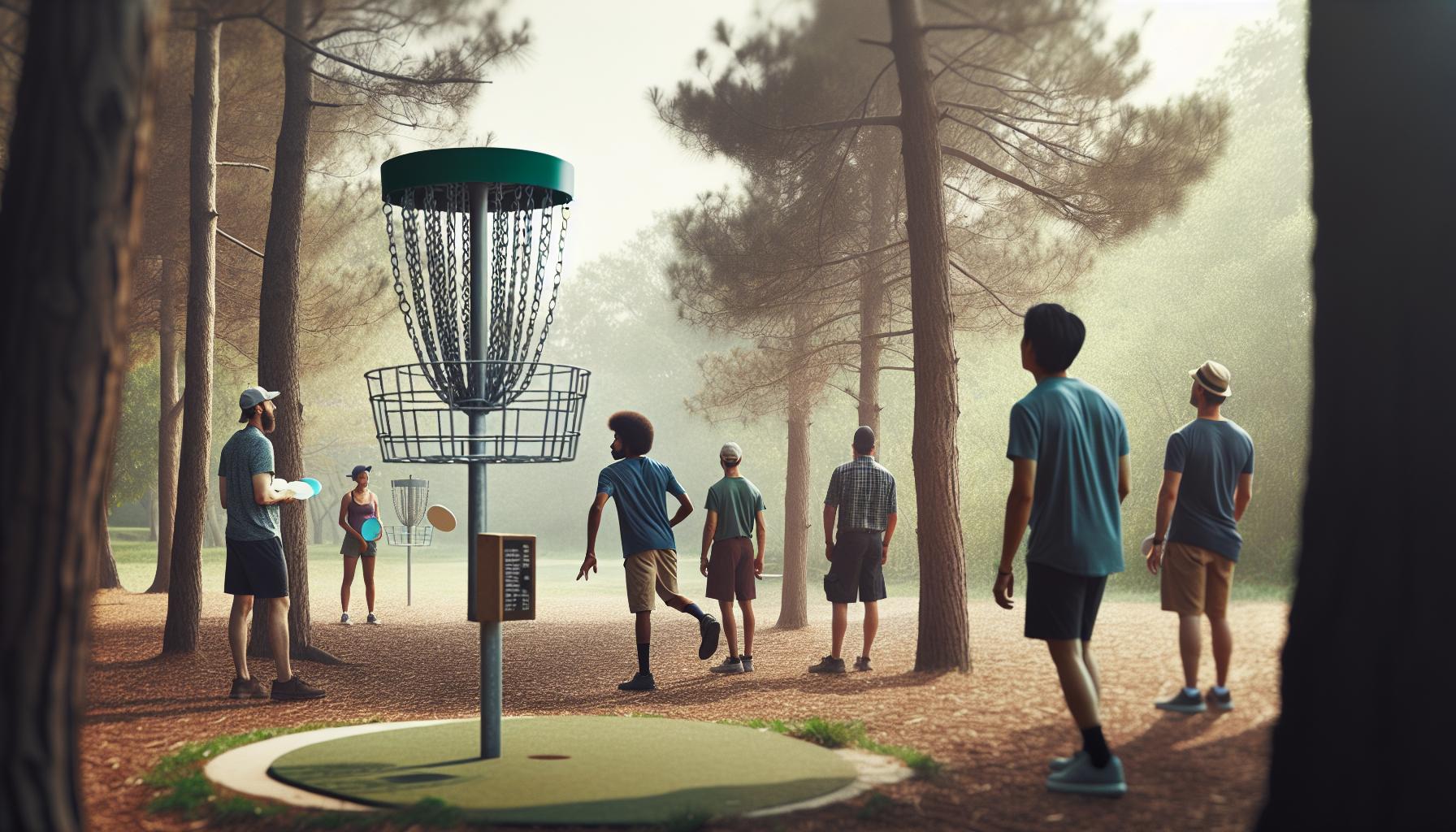
Understanding the Circle 2 Distance in Disc Golf
In the game of disc golf, understanding what constitutes Circle 2 distance is crucial for players looking to enhance their scoring and strategic approach. Circle 2, as defined by the official disc golf rules, refers to a circle with a 10-meter radius from the basket, which translates to roughly 33 feet. This distance becomes significant because it determines the area from which players can attempt a putt, particularly when they are outside the more restrictive Circle 1 zone, which is just 10 meters around the basket. Mastering the nuances of Circle 2 is essential for players who want to elevate their game beyond mere putting, as it often involves longer throws that require precision, power, and strategy.
Circle 2 throws can represent a turning point in a round, especially in competitive settings where multiple strokes can make a significant difference in overall performance. Players find themselves needing to develop a reliable approach to throwing from this distance to convert long-range putts into successful scores. Unlike a standard putt within Circle 1, throwing from Circle 2 can involve different mechanics and strategy, often incorporating a blend of power and touch. Players must learn to gauge distance effectively, applying their understanding of disc flight characteristics to control the speed, angle, and trajectory of their throws.
To accurately measure Circle 2 distance, players often utilize tape measures or rangefinders on the course, ensuring a precise understanding of where their next shot will be taken. An effective tip for beginners is to practice estimating distances before heading out for a round-this can be as simple as pacing out known distances on a local field. Furthermore, practicing with a variety of discs across different distances can help players become more comfortable with what they need to execute in high-pressure situations. The key takeaway is that Circle 2 is not just about distance; it incorporates skills like mental focus and strategic decision-making that are vital to becoming a consistently successful player in disc golf.
Importance of Circle 2 in Scoring
The ability to successfully navigate Circle 2-defined as the area extending 10 meters from the basket-can be a game-changer for players looking to elevate their scores. Not only does this distance introduce a different level of challenge, but it also significantly influences a player’s overall scoring potential. Many players find that the difference between a good round and a great round can hinge on their proficiency within this critical distance. Mastering Circle 2 shots often translates to pivotal moments in competitions, where converting longer putts can save strokes and improve rankings.
To fully appreciate the importance of Circle 2, one must recognize how scoring from this distance impacts a player’s mindset and strategy. For instance, approaching a basket from beyond Circle 1 often requires a player to adopt a more aggressive stance. Players need to assess their confidence in making long-range putts versus the risk of missing and potentially leaving themselves with a challenging follow-up shot. This calculation forms the crux of effective strategy, as a successful conversion not only boosts confidence but can also create added pressure on competitors who may falter under similar circumstances.
Furthermore, players can practice techniques specifically tailored for Circle 2 to enhance their skills. For example, focusing on disc selection is paramount; utilizing a disc designed for stability can make a difference in how far and accurately the disc travels. Players should also consider their release angle and the power they apply during the throw. Such insights not only improve individual performance but foster an understanding of how dynamics like wind and terrain affect tosses from distance, creating a holistic approach to gameplay that can pay off during crucial moments in competitive settings.
In summary, honing your skills within Circle 2 is pivotal for achieving competitive success in disc golf. By mastering the mechanics, understanding strategic implications, and utilizing the right discs, players position themselves not just to survive in this segment of the game but to thrive, making those long-range putts and securing vital strokes towards victory.
How to Measure Circle 2 Distance Accurately
Measuring Circle 2 distance accurately is crucial for mastering your game in disc golf. This area, defined as 10 meters from the basket, can be the tipping point between a disappointing score and a commendable round. Understanding this distance not only allows players to strategize better but also helps them develop their skills effectively. Here’s how to ensure you’re measuring Circle 2 correctly.
To start, use a reliable measuring tool. A tape measure or a throwing distance app can provide the most accurate assessment of the distance from the basket. If you’re using a tape measure, it’s best to have a partner assist you in walking the line straight from the basket outward. For solo players, many apps have built-in GPS features that can help you measure distances with precision based on your location on the course.
Next, establish a clear reference point. Stand directly behind the basket and measure 10 meters outward to visualize and mark the boundary of Circle 2. You may want to set a small flag or use chalk to highlight this area during practice sessions. This practice helps you become familiar with the distance and build confidence when you’re faced with Circle 2 putts during a game.
Another effective way to internalize Circle 2 distance is through repetition and recognition. When you’re on the course or at a practice range, measure out the distance, and then toss a disc to visualize how far you need to throw to reach that range effectively. Track your successes and struggles to get a better feel for the distance and the various factors that can impact your throw, such as wind or terrain.
In conclusion, accurate measurement of Circle 2 is an essential part of your disc golf toolkit. By employing precise measuring techniques, marking distances, and practicing regularly, players can not only measure effectively but also improve their overall performance from this critical range, thereby enhancing their game strategy and competitive edge.
Circle 2: The Skill Level Impact
Stepping up to a Circle 2 putt can be both exhilarating and daunting, particularly because this range-10 meters from the basket-has proven to be a significant demarcation in skill level among players. The moment you find yourself facing Circle 2, your understanding of disc flight mechanics, putting technique, and mental fortitude all come into play, making it an excellent indicator of a player’s overall proficiency. Novices may find it overwhelming, but with practice, they can gradually normalize this distance, while seasoned competitors might see Circle 2 as an opportunity to capitalize on their skills and increase their scoring potential.
Players at the recreational level often struggle with consistency from this distance. Many common pitfalls arise here, including misjudging wind conditions or failing to adjust for the added pressure of the longer putt. Establishing a solid routine during practice can significantly benefit these players. Developing muscle memory through repetitive drills-such as consistently putting from designated markers at various distances-can help build confidence and accuracy. Adding a variability of conditions, like practicing in windy situations or from uneven terrain, can better prepare players for the unpredictability of course environments.
Conversely, at the advanced levels, Circle 2 is not merely a challenging range but a decisive moment in competitive play. An elite player might approach these putts with a strategic mindset, often factoring in various elements that influence their throw. This includes understanding how different discs behave at this range, optimizing their grip and throw style to minimize spin variability, and preparing mentally to convert a putt that could turn the tide of a round. Competitive players frequently utilize a range of discs suited for distance putting-whether they prefer a high-speed driver with stability or a slower putter with a softer, more controlled landing.
Ultimately, the impact of Circle 2 on skill levels in disc golf reflects a player’s ability to adapt and improve. It serves as a vital training ground where all players can refine their technique and boost their confidence. Embracing this aspect of the game fosters a culture of continuous improvement and resilience, honoring the spirit of disc golf as both an individual pursuit and a vibrant community sport. Whether you’re preparing for a casual game or a competitive tournament, understanding the challenges and opportunities presented by Circle 2 can lead to significant growth in your overall game.
Throwing Techniques for Circle 2 Success
Stepping into Circle 2 can be both thrilling and intimidating. This distance, approximately 10 meters from the basket, demands a combination of power, precision, and mental fortitude. Successful throwing techniques at this range can mean the difference between sinking a memorable putt or watching it sail past the basket. Here are key techniques to help you find success when you approach Circle 2.
Start by establishing a stable stance. Position your feet shoulder-width apart, aligning your body towards the basket. A solid foundation provides the balance needed to execute a consistent throw. As you prepare to throw, take a deep breath to center your focus and release any tension that might throw off your rhythm. Aim to maintain a smooth, fluid motion throughout your throw. As you load your weight onto your back foot, keep your throwing arm relaxed yet firm.
### Grip and Release
The grip is crucial at Circle 2. Utilize a power grip, where your index and middle fingers create a “V” shape inside the disc’s rim, while your thumb firmly presses down on top. This grip maximizes control and distance. As you release the disc, ensure your wrist snaps forward, providing extra spin to the throw. This added spin allows for a stable flight path, which is essential over longer distances.
### Throwing Methodology
For most players, a two-step or three-step run-up can provide the necessary momentum without sacrificing control. Here’s a recommended sequence:
- Approach: Start with a casual walk, gradually building into a controlled pace.
- Plant: As your foot lands, begin your rotation towards the basket.
- Release: Follow through with your arm fully extended and your body turning to face the target.
Practicing this technique can help your body condition itself for the nuances of Circle 2 throws.
### Mental Preparation
Equally important as the physical techniques is the mental approach. Visualize your throw before stepping up to the basket. Picture the disc following a smooth line from your hand to the target. This visualization can enhance your confidence and minimize anxiety in critical moments.
By refining these throwing techniques, you can turn Circle 2 from a daunting distance into an opportunity. Whether you’re aiming for the thrill of sinking a long putt or gathering the confidence to make your throws consistent, mastering these aspects of your game will keep you competitive and engaged on the course.
Best Discs for Circle 2 Throws
Choosing the right disc for Circle 2 throws can greatly influence your performance as you seek to sink those challenging putts from approximately 10 meters away from the basket. The perfect disc can enhance your grip, provide consistent flight patterns, and ultimately boost your confidence as you step up to tackle this significant distance. While the selection of discs might vary based on personal preference, certain characteristics can help you make an informed choice.
Consider opting for a putter that offers a stable flight path with a comfortable feel in your hand. Disc models such as the Dynamic Discs Judge, Innova Aviar, or the Discraft Buzzz are popular choices among players for their reliable glide and accuracy at longer ranges. These discs are designed to minimize the chance of turnover while maintaining enough stability to cut through wind-all essential factors once you venture beyond the basket’s immediate range.
For those who prefer a bit more distance and a slight glide, midrange discs like the Innova Roc or a more understable disc like the Discraft Stalker can bridge the gap between putters and drivers, allowing for a versatile throwing approach from Circle 2. These midranges can be an excellent choice as they offer longer range potential while still providing enough control for precision shots.
Ultimately, the best disc for Circle 2 throws comes down to your personal style and comfort. Here are some tips to find what works for you:
- Throwing Style: Identify whether you need a more stable putter or if you perform better with a midrange disc. Experiment with different weights and grips to see what feels best.
- Flight Test: Take multiple discs to the course and practice from Circle 2, assessing not only how the disc flies, but also how it feels during your release.
- Consult the Community: Engage with local disc golf clubs or online forums. Real player feedback can provide insight into what discs are preferred for Circle 2 throws.
By strategically selecting your discs and practicing consistently with them, you’ll improve your Circle 2 performance, positioning yourself as a stronger contender on the course. Embrace the challenge of Circle 2 throws, and let the right disc elevate your game.
Course Strategies Involving Circle 2
Understanding how to effectively approach Circle 2 in disc golf can significantly impact your scoring. Circle 2, which refers to the area extending 10 to 12 meters from the basket, presents unique challenges but also opportunities. Making the most of your throws from this distance requires a strategic mindset on the course, blending your throwing skills with thoughtful course management.
The first key strategy when planning your approach is understanding the layout of the hole and factoring in obstacles such as trees, elevation changes, or wind conditions. If you find yourself outside of Circle 1, consider your options carefully. You may choose to go for a long-range putt or set yourself up for an easier approach shot. If you decide to attempt a putt, be mindful of your follow-through; a successful release starts with good form. Ensure you have a stable stance and concentrate on your grip and aim to increase your chances of sinking the putt.
Another aspect to keep in mind is the type of shot you’re comfortable executing from Circle 2. Practicing different throwing techniques is essential. For instance, master the jump putt or a spin putt, which can give you the extra distance and accuracy required to reach the basket. It’s also beneficial to understand how various discs handle under different conditions. By identifying which discs work best for both your skill level and the conditions of the course, you’ll be better prepared to make strategic decisions on your approach.
Lastly, analyze your previous rounds to identify trends or patterns where you succeeded or struggled around Circle 2. This self-reflection can guide your course strategy, allowing you to adapt your game plan to be more effective in future outings. Cultivating a blend of physical skill and mental strategy will empower you not only to tackle Circle 2 but to elevate your overall performance on the course.
Common Mistakes when Approaching Circle 2
Making effective decisions when attempting a putt from Circle 2 can be the difference between a par and a frustrating bogey. Many players falter at this distance due to common missteps that undermine their chances of success. Understanding these pitfalls can significantly enhance your performance as you navigate the nuanced throws required in this critical area of the course.
First and foremost, overconfidence in distance is a prevalent mistake. Players often underestimate the challenges of Circle 2 and assume they can execute a successful putt without adequate preparation. It’s vital to practice your range and improve your long-distance putting technique, as even slightly misjudged throws can lead to a missed basket. Invest time in practicing jump putts and spin putts, which can offer more power and control at longer distances. Many skilled players will recommend developing a consistent pre-shot routine that establishes your confidence and maintains focus before each attempt.
Another common blunder is neglecting course conditions, such as wind or elevation changes. Circle 2 often presents unpredictable elements that can drastically affect the flight of your disc. Before making your throw, take a moment to gauge the wind direction and intensity, adjusting your grip and angle accordingly. For instance, a headwind might require you to add some stability to your throw, while a tailwind could turn your putt into an overshot. Being attuned to environmental factors can elevate your success rate significantly.
Lastly, many players struggle with poor follow-through on their putts. A rushed or improper follow-through can lead to inaccurate throws that veer off-target. Focus on maintaining a smooth motion from start to finish, ensuring your arm extends fully and your weight shifts appropriately through the throw. It can be helpful to establish a feedback loop by recording your practice sessions or seeking guidance from more experienced players to refine your mechanics consistently.
By recognizing these common mistakes-be it in assessing your range, responding to environmental factors, or executing a smooth follow-through-you equip yourself to make better decisions and improve your overall gameplay in Circle 2, turning what can be a vulnerable position into a scoring opportunity.
Comparative Analysis of Circle 2 Distances Across Courses
In the world of disc golf, understanding the nuances of Circle 2 distances across various courses can significantly influence a player’s strategy and performance. While Circle 2 is officially defined as the area between 10 and 11 meters from the basket, the layout and features of different courses can create unique challenges at this range. Factors such as elevation, wind conditions, and even the type of basket can all impact how players approach their putts from this pivotal distance.
One exemplary course that demonstrates varied Circle 2 challenges is the famed Maple Hill Disc Golf Course in Massachusetts. Its undulating terrain and natural wind patterns can make Circle 2 putts particularly tricky. Players must adjust their throwing techniques not only for distance but also for the topography, which can affect the disc’s flight path. On flatter courses, such as those commonly found in golf courses repurposed for disc golf, players might find Circle 2 opportunities more straightforward. Here, the lack of elevation change often leads to stable conditions that allow for precise jump putts or spin putts without the added factor of navigating downhill or uphill angles.
Additionally, the course layout plays a crucial role in Circle 2 strategy. For instance, courses designed with tighter fairways may lead to players needing to execute accurate drives to avoid potential hazards and set up a Circle 2 attempt. In contrast, open courses might give players multiple opportunities to reach Circle 2, presenting a different set of challenges where the wind becomes a more significant player. Evaluating these conditions not only sharpens a player’s skills but also enhances their ability to strategize effectively when in Circle 2.
As you work to improve your Circle 2 game, take note of how different courses influence your approach. Paying attention to factors such as the layout, wind effects, and elevation can provide you with the knowledge needed to refine your technique and decision-making process on the course. Whether you’re a newcomer or a seasoned competitor, adapting your throws to these variations can be the key to turning challenging putts into scoring opportunities.
Professional Insights on Circle 2 Gameplay
In disc golf, the transition from Circle 1 (within 10 meters of the basket) to Circle 2 (between 10 to 11 meters) can significantly impact the scoring potential of players. Professional players often emphasize that mastering Circle 2 putts is essential not just for maintaining score but also for building confidence during a round. As you navigate these critical shots, understanding the dynamics of Circle 2 can help you make informed decisions and execute your throws more effectively.
Many professionals recommend developing a reliable putting routine that incorporates different techniques suited for Circle 2. For instance, players might choose to use a jump putt for increased power or a spin putt for precision. The choice depends on factors such as the course layout and personal comfort. Notably, seasoned players stress the importance of practicing these techniques in varying conditions to prepare for real-game scenarios where wind and elevation changes come into play. Additionally, players like Paul McBeth often highlight the psychological aspect of Circle 2; they advocate for visualizing success on each putt, which can be as crucial as the physical execution of the throw.
Utilizing the right equipment is another aspect many professionals focus on when handling Circle 2 distances. Discs designed for stability and glide can often provide better results in these scenarios. For instance, a good putter with a stable flight path can endure windy conditions better without veering off course. Players should also consider the weight of their disc; slightly heavier putters often penetrate through wind more effectively, allowing for greater accuracy without sacrificing distance.
By observing the strategies of top players and integrating their insights into your routine, you can improve your performance in Circle 2. Keep track of your successes and failures to identify patterns in your gameplay. Over time, this reflective practice not only hones your skills but builds a toolkit of strategies proven effective in high-pressure situations. Embracing this aspect of practice and competition within the vibrant disc golf community can transform your approach to Circle 2, turning it into a scoring opportunity rather than a source of anxiety.
How to Improve Your Circle 2 Game
Improving your game from Circle 2 can be a game-changer, transforming missed opportunities into scoring chances. Many players feel pressure when they step outside the 10-meter ring, but honing your Circle 2 skills will not only enhance your performance but also elevate your confidence on the course. Here are some strategies to help you succeed.
Practice Your Putting Techniques
Regular practice is essential for mastering Circle 2 putts. Develop a consistent routine that includes various styles of putting, such as jump putts and spin putts, to find what best suits your abilities. Aim to practice from different angles and distances that mimic real-course scenarios. Practicing with a buddy or during casual rounds can simulate competitive pressure and help you get comfortable with the rhythm of your throws.
Understand Your Disc Selection
Choosing the right disc is crucial for Circle 2 success. Look for putters that offer a combination of stability and glide, enabling them to travel the required distance without losing accuracy. Many players find that a slightly heavier putter helps penetrate through wind better, providing a more consistent flight path. Testing different models to see how they react during flight and in various conditions will allow you to make informed choices leading up to tournament play.
Course Management Strategies
Circle 2 is not just about throwing; it’s about smart positioning and course management. Before your round, survey the layout of the course and identify potential Circle 2 opportunities. During your rounds, when you find yourself outside Circle 1, assess your lies carefully. A smart approach might involve focusing on your next shot rather than simply attempting a long-distance putt. Sometimes, playing it safe and ensuring a solid Circle 3 approach can yield better scoring opportunities overall.
Learn from Professionals
Engaging with the disc golf community opens up numerous pathways to improve. Watch videos of professional players executing Circle 2 putts and analyze their techniques, mental approaches, and decision-making processes. Many pros also emphasize the psychological aspect of putting-visualization techniques, focusing on target, and maintaining a positive mindset can drastically affect performance. Join local leagues or discussion groups to share wisdom, tips, and experiences, enhancing your skills through collective learning.
By focusing on these facets, players can turn their Circle 2 shots into an integral part of their game plan rather than a burden. Embrace the challenge, commit to practice, and drive your skills forward, making Circle 2 a strong asset in your overall strategy.
Community Perspectives: Circle 2 Experiences
In the vibrant world of disc golf, Circle 2 is more than just a distance-it represents a critical threshold that can influence game outcomes. Many players share stories reflecting their personal journeys with Circle 2, revealing insights that resonate across skill levels. As players step back beyond the 10-meter mark, experiences vary from exhilarating successes to frustrating misses, forming a rich tapestry of community perspectives.
One notable perspective comes from amateur players who often find themselves outside Circle 1. They describe how the mental facet of throwing from Circle 2 can be daunting. Sharing a common thread, they emphasize the importance of visualization techniques. Many have adopted pre-shot routines that bolster their confidence and reduce anxiety. For instance, focusing intently on the basket while mentally picturing a successful throw has helped several players boost their accuracy and distance control-turning a potential struggle into a strategic opportunity.
On the other hand, seasoned competitors reflect on their initial frustrations transitioning to Circle 2 mastery. Their stories often highlight trial and error, with many advocating for targeted practice sessions that replicate real gameplay scenarios. Some even recommend specific drills, such as practicing jump putts combined with different stance adjustments. Experiences shared in local leagues often spark collaborative learning, where players exchange strategies that have proven effective in their competitive journeys, emphasizing the supportive nature of the disc golf community.
Moreover, disc golf enthusiasts frequently emphasize the importance of equipment choice in mitigating challenges faced at Circle 2. Many recommend testing various putters with different weight and stability profiles, as this selection can dramatically alter a player’s ability to perform under pressure. Practical advice from community members often leads to appreciative discussions, helping others recognize the value of finding the right disc to enhance their performance.
Overall, Circle 2 embodies a communal challenge that invites players to share their growth stories, making it not just a distance but a shared experience that enhances both personal skill and community bonding in the sport of disc golf.
Frequently asked questions
Q: What is the official distance of Circle 2 in disc golf?
A: The official distance of Circle 2 in disc golf is around 66 feet (20 meters) from the basket. This distance helps establish the range where players can attempt putting without obstruction from the circle perimeter.
Q: How does Circle 2 impact scoring in disc golf?
A: Circle 2 plays a crucial role in scoring, as it defines the area where players can benefit significantly from their upshot accuracy. Successfully making putts from this distance can greatly enhance a player’s overall score and minimize strokes taken on the course.
Q: What techniques are best for throwing from Circle 2?
A: Optimal techniques for Circle 2 throws include a solid stance, focused grip, and smooth follow-through. Practicing different putting styles, such as straddle or staggered stances, can also improve accuracy from this distance.
Q: Can beginners succeed with Circle 2 putts?
A: Yes, beginners can succeed with Circle 2 putts by practicing consistently and focusing on their form. Starting with lighter discs can also make it easier to control distance and trajectory, which is essential for effective Circle 2 putting.
Q: What common mistakes do players make at Circle 2?
A: Common mistakes at Circle 2 include poor alignment, rushing the throw, or underestimating the required power. Players often benefit from taking a moment to visualize the basket and execute their technique calmly to improve their chances.
Q: How to measure Circle 2 distance accurately on the course?
A: To measure Circle 2 distance accurately, use a measuring tape or a rangefinder to determine the distance from the basket to the point where Circle 2 begins. Ensure you follow the layout rules of the specific course for consistent measurements.
Q: What are the best discs for Circle 2 throws?
A: The best discs for Circle 2 throws typically include putters and mid-range discs that offer stability and control. Selecting discs with a higher glide can enhance distance and accuracy for successful putts from this range.
Q: Are there any specific strategies for Circle 2 gameplay?
A: Effective strategies for Circle 2 gameplay include assessing the wind’s impact and choosing the right angle for your throw. Additionally, practicing various throwing techniques can provide options depending on the course layout and conditions.
Concluding Remarks
Now that you know how far Circle 2 is in disc golf, you’re equipped to think strategically about your next throw. Remember, mastering your distance and accuracy is key to lowering your score and enhancing your game. If you want to improve your technique, check out our guide on disc flight characteristics and advanced throwing mechanics.
Don’t hesitate to explore our resources-whether you’re a beginner eager to learn or a seasoned player looking to refine your skills, there’s something here for everyone. Join our community by subscribing to our newsletter for the latest tips and tricks, or leave a comment below sharing your Circle 2 experiences. Get ready to take your game to the next level-your next breakthrough is just a throw away!